Unlock the vascular-guarding secrets of the grape. Learn how grapes act as precision instruments for heart health. See why the "grape matrix
Fiber + phytonutrients; use as a whole-food sweet, snack, or smoothie base
The Short Answer
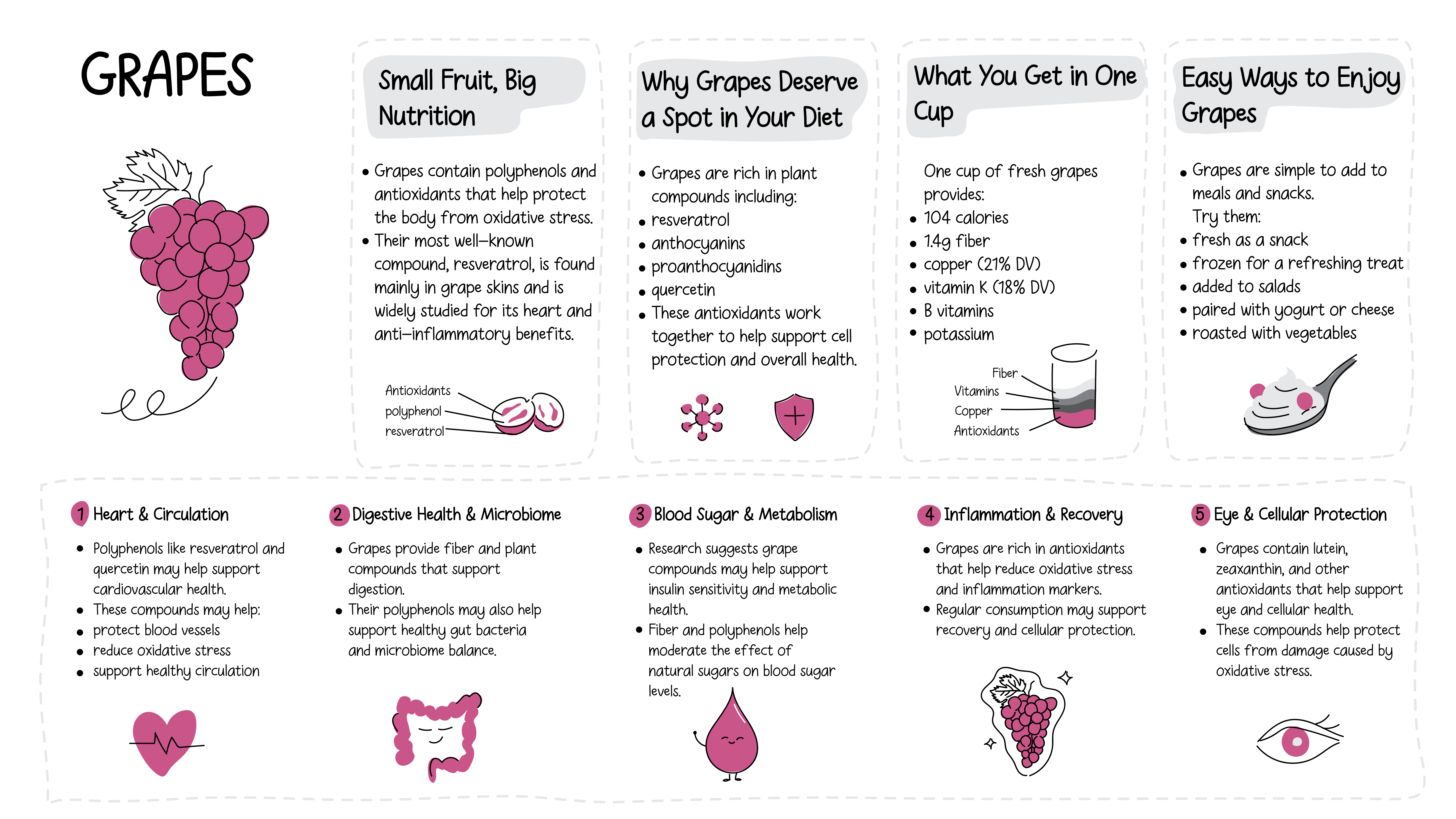
Grapes provide 22% of the Daily Value for copper and 11% for Vitamin K per cup, alongside unique stilbene polyphenols like resveratrol that support heart health and cellular stress response.

Grapes · Photograph
Grapes are unique because they provide a highly concentrated source of stilbene polyphenols, most notably resveratrol, which acts as a cellular signaling molecule to help regulate the body's stress response. What makes grapes special isn't just their natural sweetness—it's their unique combination of polyphenols, including anthocyanins and proanthocyanidins.
Key Nutrients
% Daily Value based on 2,000 cal diet
Why the Health Benefits of Grapes Matter
Grapes are unique because they provide a highly concentrated source of stilbene polyphenols, most notably resveratrol, which acts as a cellular signaling molecule to help regulate the body's stress response. What makes grapes special isn't just their natural sweetness—it's their unique combination of polyphenols, including anthocyanins and proanthocyanidins.
Human clinical trials have demonstrated that these compounds produce measurable anti-inflammatory effects, particularly when consumed consistently. Unlike many fruits that lose their potency during processing, grapes retain most of their beneficial properties when eaten fresh, especially since the seeds and skins contain the highest concentrations of health-promoting compounds.
Key Active Compounds
The "grape matrix" consists of several classes of flavonoids and carotenoids that work together to protect the heart, brain, and metabolic pathways.
- Resveratrol: A stilbene polyphenol found in grape skins, researched for its ability to activate "longevity genes" and support cardiovascular health.
- Anthocyanins: Water-soluble pigments in red and purple grapes that provide powerful antioxidant protection for the eyes and blood vessels.
- Proanthocyanidins: Polymeric flavonoids concentrated in the seeds that provide a high level of cellular protection.
- Quercetin: A flavonoid that may help stabilize mast cells (reducing allergy responses) and protect against high blood sugar.
- Catechins: Similar to the compounds in green tea, these support a healthy inflammatory response.
- Lutein and Zeaxanthin: Specific carotenoids that accumulate in the retina to support long-term eye health.
Conclusion
In conclusion, grapes represent a sophisticated marriage of natural sweetness and clinical utility. By providing a diverse matrix of resveratrol, proanthocyanidins, and essential minerals like copper, they function as a powerful dietary tool for reducing systemic inflammation and fortifying cardiovascular resilience. At the same time, their natural sugar content requires mindful portioning—particularly for those managing metabolic conditions—the presence of fiber and glucose-inhibiting polyphenols.
This makes them a far superior choice to refined snacks or processed juices. Incorporating a consistent daily serving of whole grapes, including the nutrient-dense skins, is a science-backed strategy to protect your cellular health and optimize long-term metabolic function. Ready to build grapes into your routine? Our meal planner can help you incorporate antioxidant-rich foods like grapes into balanced meals that support your health goals.
How Grapes Compares
| Compared with | What's different |
|---|---|
| Grapes vs. Blueberries | Blueberries have significantly more fiber and Vitamin C, but fewer polyphenols like resveratrol. |
| Grapes vs. Cherries | Cherries contain more Vitamin C and potassium per cup, but lack the grape's specific stilbene matrix. |
Health Benefits
Things to Know
Blood Sugar Monitoring: If you have uncontrolled diabetes, monitor your glucose levels; pair grapes with a protein like cheese to blunt the sugar spike.
Medication Interactions: Resveratrol has mild antiplatelet (blood-thinning) properties. Consult your doctor if you are taking anticoagulants like warfarin.
Pesticide Residue: Grapes are frequently on the "Dirty Dozen" list. Rinse thoroughly or choose organic when possible.
Digestive Sensitivity: High fructose levels in grapes may trigger IBS symptoms in sensitive individuals.
Common Uses
- —Eaten as a whole fruit in 1-cup portions to utilize polyphenols that slow sugar absorption.
- —Consumed fresh to replenish glycogen while lowering markers of post-workout systemic inflammation.
- —Included in the diet as a source of Vitamin K to support bone density and proper blood clotting.
- —Added to meals for a dose of quercetin and resveratrol to support cognitive function and neuroprotection.
- —Combined with protein sources like cheese or walnuts to blunt the glycemic response and increase satiety.
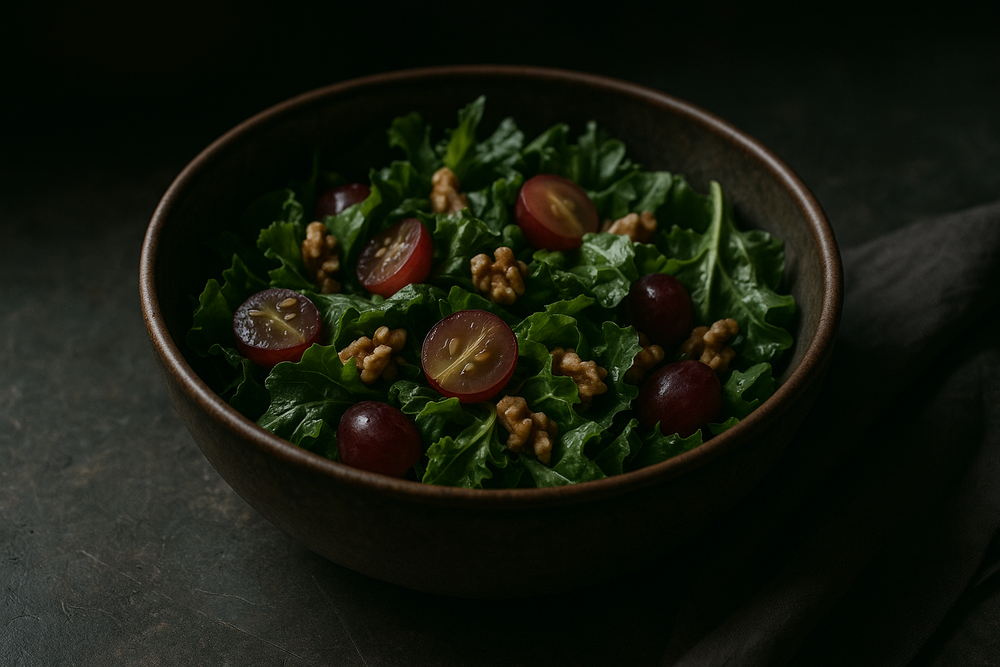
- —Sliced into leafy green salads to add hydration and antioxidant-rich pigments like anthocyanins.
Best Forms
Provide the full spectrum of bioavailable nutrients. Red and purple varieties typically offer more anthocyanins than green grapes.
Offers a concentrated dose of proanthocyanidins (often 100mg doses in studies), but lacks the fiber and vitamins of the whole fruit.
Generally less preferred due to its high glycemic index and lack of fiber.
Nutrient-dense but very high in sugar and calories; a small handful is sufficient.
Glossary
Shop This Ingredient
Stock your pantry with quality grapes.
Buy on AmazonAs an Amazon Associate, Plantopedia earns from qualifying purchases. This costs you nothing extra and helps us keep the encyclopedia free.
Frequently Asked Questions
Both colors are beneficial, but red and purple grapes contain higher levels of anthocyanins, the pigments that give them their dark color. These antioxidants provide an extra layer of protection for the heart and eyes. However, green grapes still offer significant amounts of resveratrol and quercetin.
Yes, to get the full range of benefits, you should consume the skins, as that is where the resveratrol is concentrated. While seedless grapes are more common, the seeds contain the highest levels of proanthocyanidins. If you eat seedless grapes, you still get benefits, but the skin is the most important part.
Not exactly. While 100% grape juice contains some polyphenols, it lacks the fiber needed to slow down sugar absorption. This leads to a much higher insulin spike. Fresh grapes provide a slow-release version of these nutrients, making them a far better choice for blood sugar management and long-term metabolic health.
For most people, a daily serving of 1 cup is safe and highly beneficial. However, because grapes have mild blood-thinning effects due to resveratrol, individuals on anticoagulant medications like warfarin should maintain a consistent intake and discuss it with their doctor to ensure their medication levels remain stable.
Nutritionally, organic and conventional grapes are very similar. The primary advantage of organic grapes is reduced exposure to pesticides. Since grapes have thin skins and are often heavily sprayed, choosing organic—or thoroughly washing conventional grapes—is a smart way to reduce your toxic load.
Quick Answers
Common questions, answered in a line.
Grapes support heart health by providing a matrix of resveratrol, proanthocyanidins, and minerals like copper that work to reduce systemic inflammation and fortify cardiovascular resilience. These compounds act as precision instruments to protect the heart and vascular system.
Grapes contain resveratrol, a stilbene polyphenol that acts as a cellular signaling molecule to help regulate your body's response to stress. This compound is found primarily in grape skins and has been researched for its ability to activate longevity genes.
Grapes support eye health through water-soluble pigments called anthocyanins and specific carotenoids known as lutein and zeaxanthin. These compounds provide antioxidant protection for the eyes and accumulate in the retina to support long-term vision health.
Grapes help manage inflammation through various polyphenols like resveratrol and catechins, which produce measurable anti-inflammatory effects when consumed consistently. These compounds work together to support a healthy inflammatory response throughout the body.
Yes, individuals taking anticoagulants like warfarin should consult a doctor because the resveratrol in grapes has mild antiplatelet or blood-thinning properties. It is important to be mindful of this interaction with blood-thinning medications.
You should pair grapes with a protein source like cheese or walnuts and stick to one-cup portions to utilize polyphenols that slow sugar absorption. This combination helps blunt the glycemic response and increases satiety for better blood sugar management.
Grapes provide high levels of cellular protection through several classes of flavonoids and carotenoids, including proanthocyanidins concentrated in the seeds and quercetin in the fruit. These work together to protect metabolic pathways and brain health.
For Readers in the USA
Local context — sourcing, seasonality, and regional notes.
California produces approximately 99 percent of the table grapes grown commercially in the United States, with the peak season running from May through January. While California dominates the market, states like Washington, New York, and Oregon also produce significant yields, particularly for juice and wine.
Table grapes are available year-round at major US retailers like Kroger, Walmart, and Whole Foods, though quality and price are best during the domestic harvest. During the winter months, most grocery chains transition to imports from the Southern Hemisphere, primarily from Chile and Peru, to maintain a constant supply.
Popular domestic varieties include the Flame Seedless and Thompson Seedless, as well as unique trademarked cultivars like Cotton Candy and Moon Drops. Increasingly, American consumers are also seeking out regional heritage varieties like the Muscadine, which is native to the Southeastern United States and known for its thick skin.
The USDA and FDA monitor grapes for pesticide residues through the Pesticide Data Program, and grapes are frequently listed on the Environmental Working Group's 'Dirty Dozen' list. To minimize exposure, many US consumers choose USDA Organic certified grapes or use the FDA-recommended method of rinsing fruit under cold running water before consumption.
AI Clinical Review
- Stilbene Concentration: Correctly identifies grapes as a premier source of resveratrol, particularly emphasizing that this compound is concentrated in the skins.
- Flow-Mediated Dilation: Accurately notes the clinical link between grape polyphenols and the ability of arteries to dilate, a critical marker for heart health.
- Metabolic Intervention: Properly cites evidence regarding grape seed extract and freeze-dried powder in improving insulin resistance and inflammatory markers.
- Akkermansia Interaction: Rightly mentions the emerging science of how grapes act as a prebiotic to support specific, health-promoting gut bacteria.
- Copper Density: Correctly highlights the significant copper content in grapes, which is often overlooked in general fruit nutrition guides.
- Resveratrol Dosage: While grapes contain resveratrol, the amounts used in "longevity" clinical trials are often much higher than what can be consumed through whole fruit alone.
- Seed vs. Seedless: Most clinical studies utilize grape seed extracts; the therapeutic difference between eating seedless grapes versus seeded varieties in humans requires more comparative data.
- Bioavailability of Stilbenes: Resveratrol has a fast metabolism and low bioavailability; the exact "whole-food matrix" effect that may enhance its absorption is still being mapped.
- Anti-allergy Quercetin: The role of grape quercetin in stabilizing mast cells is scientifically sound but lacks large-scale clinical trials specifically using grapes as an allergy intervention.
- Antiplatelet Effects: Resveratrol has mild blood-thinning properties. Patients on anticoagulants (like Warfarin) should be advised to maintain a consistent grape intake.
- Glycemic Load: While grapes have a moderate GI, they are easy to overeat. Clinicians should recommend a 1-cup portion (approx. 150g) for those with blood sugar concerns.
- Pesticide Exposure: As a "Dirty Dozen" regular, grapes should be washed thoroughly (ideally in a baking soda solution) or purchased organic to reduce toxin load.
- Fructose & IBS: Grapes are high in fructose. For patients with IBS or fructose malabsorption, high intake can lead to significant GI distress.
- Juice vs. Whole Fruit: Emphasize that grape juice lacks the fiber and skin-bound polyphenols necessary to prevent insulin spikes.
Frame as food education, not disease treatment.
References
Know Your Numbers
Eating healthy is a start. Now get to know your biomarkers.
Food changes bloodwork — inflammation, lipids, blood sugar and nutrient status all respond to what you eat. 59 markers from $59.
- Results in 7–10 days at 2,000+ Quest sites
- Licensed provider reviews every result
- One flat price, no membership, HSA/FSA eligible
Educational information only, not medical advice. Panels are ordered and reviewed through our licensed partner; Plantopedia may earn a commission.