Cabbage — health benefits and uses
Leafy-green micronutrient angle; easy ways to add volume without complexity
The Short Answer
Cabbage is a nutrient-dense cruciferous vegetable that provides 56% of your daily vitamin K and 36% of your vitamin C in a single cup. It is rich in sulforaphane and glucosinolates, compounds known for their potent anti-inflammatory properties.
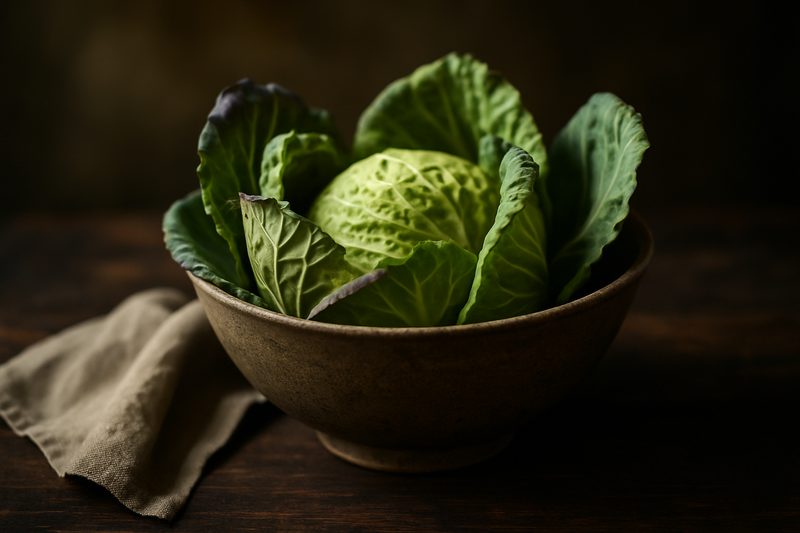
Cabbage · Photograph
Cabbage (Brassica oleracea) might be one of the most underrated vegetables in the produce aisle. This humble cruciferous vegetable packs impressive nutrition into just 22 calories per 100 grams, delivering potent anti-inflammatory compounds, heart-protective nutrients, and bone-supporting vitamins that research suggests can benefit multiple aspects of health.
Key Nutrients
% Daily Value based on 2,000 cal diet
Key active compounds
Cabbage's health-promoting effects come from several important phytochemicals:
- Glucosinolates (131.7 mg per cup): Sulfur-containing compounds that break down into bioactive isothiocyanates and indoles
- Sulforaphane: A powerful isothiocyanate with anti-inflammatory and potential cancer-fighting properties
- Indole-3-carbinol (I3C): Supports detoxification enzymes and healthy estrogen metabolism
- Kaempferol: A flavonoid antioxidant that helps reduce inflammation
- Phytosterols: Plant compounds that can help lower cholesterol by blocking absorption
- Polyphenols and flavonoids: Provide about 80% of cabbage's total antioxidant capacity
Buying guide
Fresh whole cabbage: Choose heads that feel heavy for their size with crisp, tightly packed leaves. Outer leaves may show slight discoloration but shouldn't be wilted or slimy. Store in refrigerator for up to 2 weeks.
Pre-cut cabbage: Convenient but loses nutrients faster. Use within 2-3 days and check for browning or off odors.
Fermented varieties: Look for unpasteurized sauerkraut or kimchi in the refrigerated section for live probiotics. Check labels for added sugars or excessive sodium.
Frozen cabbage: Acceptable for cooked dishes though texture changes. Nutrients remain largely intact through freezing.
Red/purple cabbage contains up to 8 times more antioxidants than green varieties, though both offer substantial health benefits.
Prep and pairing ideas
Raw preparations: Shred for coleslaw, slice thin for salads, or juice for maximum glucosinolate activation. Massage shredded cabbage with salt to soften texture.
Cooked methods: Steam lightly to preserve nutrients, sauté with garlic and olive oil, or add to soups and stews. Avoid overcooking to maintain beneficial compounds.
Fermentation: Make homemade sauerkraut or kimchi for probiotic benefits, or purchase unpasteurized versions from the refrigerated section.
Common pairings
With healthy fats: Olive oil, avocado, or nuts help absorption of fat-soluble vitamins and make raw cabbage more palatable in slaws and salads.
With vitamin C enhancers: Citrus, bell peppers, or tomatoes complement cabbage's vitamin C content and enhance iron absorption from plant sources.
With other cruciferous vegetables: Combine with broccoli, Brussels sprouts, or kale to maximize glucosinolate variety and anti-inflammatory benefits.
Bottom line
Cabbage delivers impressive health benefits through its unique combination of glucosinolates, vitamin K, vitamin C, and anti-inflammatory compounds. Research suggests it can support heart health, reduce inflammation, and potentially contribute to cancer prevention as part of a balanced diet.
The evidence is strongest for cabbage's anti-inflammatory effects and vitamin-based benefits like blood clotting support and antioxidant protection. While cancer prevention research is promising, most studies are mechanistic rather than large-scale human trials.
For most people, 1-2 cups daily provides substantial benefits at minimal cost and calories. Those taking blood thinners should maintain consistent intake, and individuals with digestive sensitivities might start with smaller amounts or cooked preparations.
Ready to add more vegetables to your daily routine? Our meal planner can help you incorporate cabbage and other nutrient-dense foods into balanced, delicious meals.
How Cabbage Compares
| Compared with | What's different |
|---|---|
| Cabbage vs. Iceberg Lettuce | Higher in water content and mildness, whereas cabbage has a peppery bite and denser leaves. |
| Cabbage vs. Kale | Belongs to the same family but grows in loose leaves rather than a tight, heavy head. |
| Cabbage vs. Red Cabbage | Higher in antioxidants (anthocyanins) and slightly earthier in flavor than green cabbage. |
Health Benefits
Things to Know
Anticoagulant medications: Cabbage's high vitamin K content (56% DV per cup) affects blood clotting. Maintain consistent daily intake rather than alternating between high and low consumption if you take warfarin or similar medications.
Digestive sensitivity: Start with smaller portions if you have IBS or sensitive digestion. The fiber and fermentable carbohydrates may cause gas or bloating initially.
Thyroid considerations: Cruciferous vegetables contain goitrogens that may theoretically interfere with iodine absorption, but this isn't a concern with adequate iodine intake from iodized salt.
FODMAP sensitivity: Cabbage contains fermentable carbohydrates that may trigger symptoms in those following low-FODMAP diets.
Pregnancy and breastfeeding: Cabbage is safe as a food during pregnancy and may actually provide beneficial folate and vitamin C.
Shop This Ingredient
Stock your pantry with quality cabbage.
Buy on AmazonAs an Amazon Associate, Plantopedia earns from qualifying purchases. This costs you nothing extra and helps us keep the encyclopedia free.
Frequently Asked Questions
Heart and circulation Cabbage supports cardiovascular health through multiple mechanisms. The phytosterols in cabbage are structurally similar to cholesterol and can block cholesterol absorption in your digestive tract. Research shows that 2-3 grams of plant stanol esters daily can reduce LDL cholesterol by 9-12%, though you'd need substantial cabbage intake or fortified foods to reach these levels. The vitamin C content (36% DV per cup) may also protect against heart disease through its antioxidant effects. Additionally, cabbage's anti-inflammatory compounds like sulforaphane and kaempferol can help reduce inflammation linked to cardiovascular disease. Digestive health and microbiome The fiber in cabbage (2g per cup) supports healthy digestion and feeds beneficial gut bacteria. Fermented forms like sauerkraut and kimchi provide additional probiotic bacteria that can enhance digestive health and nutrient absorption. However, some people may experience gas or bloating from cabbage's fermentable carbohydrates (FODMAPs). Cooking can reduce these gas-producing compounds while maintaining many nutrients. Blood sugar and metabolism Cabbage's low calorie density (22 calories per 100g) and fiber content can support healthy blood sugar management by slowing digestion and preventing rapid glucose spikes. The chromium content may also play a role in glucose metabolism, though amounts are modest. Inflammation and recovery This is where cabbage truly shines. The glucosinolates break down into sulforaphane and indole-3-carbinol, compounds that research suggests can reduce inflammatory markers throughout the body. These anti-inflammatory effects may protect against inflammation-linked conditions including heart disease, diabetes, and neurodegenerative diseases. Vitamin C also contributes significant antioxidant protection, helping neutralize free radicals that can cause cellular damage and inflammation.
Raw fresh cabbage provides the highest levels of heat-sensitive nutrients like vitamin C and maximizes glucosinolate breakdown when chewed. The outer leaves contain more secondary metabolites than inner layers, so don't discard them. Cooked cabbage (steamed, sautéed, or boiled) may be easier to digest and can increase bioavailability of some nutrients, though it reduces heat-sensitive compounds. Light cooking preserves most glucosinolates. Fermented cabbage (sauerkraut, kimchi) enhances bioavailability through the fermentation process and adds beneficial probiotic bacteria. Traditional fermentation maintains glucosinolate compounds while improving digestibility. Fresh juice or blended cabbage maximizes glucosinolate breakdown but should be consumed immediately to prevent degradation of active compounds.
Most people can safely enjoy 1-2 cups of cabbage daily (89-178g raw or equivalent cooked). This provides: 131-260mg glucosinolates 56-112% daily vitamin K needs 36-72% daily vitamin C needs Substantial fiber and antioxidants Start low: Begin with ½ cup servings if you're new to eating cabbage regularly, especially if you have digestive sensitivities. Consistency matters: For vitamin K benefits and medication considerations, aim for consistent daily intake rather than sporadic large amounts. Quality over quantity: Focus on regular moderate intake rather than trying to consume large quantities occasionally.
Quick Answers
Common questions, answered in a line.
Red or purple cabbage contains up to eight times more antioxidants than green varieties. While both types offer substantial health benefits, the red variety is significantly more concentrated in protective antioxidant compounds.
To maximize nutrients, steam cabbage lightly, sauté it with healthy fats, or eat it raw in salads and juices. Avoid overcooking to preserve beneficial compounds like glucosinolates, and consider massaging raw shredded cabbage with salt to soften its texture.
Cabbage is a low-calorie vegetable that provides only 22 calories per 100 grams. It is a nutrient-dense choice for those looking to manage weight while consuming high levels of vitamins and anti-inflammatory compounds.
Cabbage contains phytosterols, which are plant compounds that can help lower cholesterol by blocking its absorption. It also features heart-protective nutrients and antioxidants that contribute to overall cardiovascular support.
Individuals taking blood thinners like warfarin should maintain a consistent daily intake of cabbage due to its high vitamin K content. Significant fluctuations in cabbage consumption can affect blood clotting because one cup provides 56% of the daily value of vitamin K.
Cabbage contains sulfur-based glucosinolates, sulforaphane, indole-3-carbinol (I3C), and various polyphenols and flavonoids. These active phytochemicals support detoxification, healthy estrogen metabolism, and provide potent anti-inflammatory effects.
Choose cabbage heads that feel heavy for their size with crisp, tightly packed leaves. Fresh whole cabbage can be stored in the refrigerator for up to two weeks, while pre-cut varieties should be used within two to three days to avoid nutrient loss.
Cabbage contains fermentable carbohydrates and fiber that may cause gas or bloating in people with IBS or digestive sensitivities. It is recommended to start with smaller portions or choose cooked preparations if you have a sensitive digestive system.
For Readers in the USA
Local context — sourcing, seasonality, and regional notes.
Cabbage is widely available year-round in the U.S., though its peak harvest seasons are typically in the fall and early spring. While major producers like California, New York, and Texas ensure constant supply, you will find the freshest local varieties at farmers markets from September through April in most regions.
In U.S. grocery stores, you will most commonly find Green, Red (or Purple), Napa, and Savoy cabbage varieties. Many American supermarkets also carry "coleslaw mixes" in the produce department, which are pre-shredded blends of green and red cabbage often used for traditional regional side dishes.
You can find fresh cabbage at major national retailers like Walmart, Kroger, and Whole Foods, as well as local farmers markets across the country. For fermented versions like unpasteurized sauerkraut or kimchi, check the refrigerated "functional food" or deli sections rather than the shelf-stable canned vegetable aisle.
Cabbage is a staple in American food culture, appearing in regional classics like Southern-style boiled cabbage, Midwestern coleslaw, and St. Patrick’s Day corned beef and cabbage. It is also a primary ingredient in fermented staples like sauerkraut, which reflects the deep influence of Central and Eastern European immigration on U.S. cuisine.
AI Clinical Review
- Cabbage is nutrient-dense and low in calories, providing meaningful vitamin K, vitamin C, fiber, and minerals per typical serving. • It accurately explains that glucosinolates convert into compounds like sulforaphane and indole-3-carbinol (I3C), which have anti-inflammatory and cellular-protective activity. • Raw, lightly cooked, and fermented forms each offer benefits; raw preserves heat‑sensitive vitamin C, while fermentation adds live bacteria (probiotics) when products are unpasteurized. • Red/purple cabbage tends to contain more antioxidant pigments (anthocyanins) than green, though both are healthy choices.
- Cancer prevention data are promising but not definitive; much evidence comes from lab and observational studies rather than large randomized trials, so no specific “dose” of cabbage is proven to reduce risk. • LDL‑cholesterol lowering from phytosterols requires about 2–3 g/day from enriched foods; typical cabbage portions contain far less, so cholesterol effects from cabbage alone are likely modest. • Blood sugar benefits are mainly from fiber and low calorie density; chromium content is small and variable and should not be relied on for glycemic control. • Levels and bioavailability of glucosinolates and vitamin C vary by variety, growing conditions, storage, and preparation; fermentation and pasteurization can change both phytochemicals and probiotic content.
- A practical intake for most adults is 1–2 cups/day; if you have IBS or are sensitive to FODMAPs, start with smaller portions or choose cooked/fermented forms to reduce gas and bloating. • If you take warfarin or other vitamin K–sensitive anticoagulants, keep cabbage intake consistent and discuss any major dietary changes with your clinician. • Very high intakes of raw cruciferous vegetables can affect thyroid iodine use; ensure adequate iodine (e.g., iodized salt) and include some cooked forms if you eat large amounts regularly. • Fermented cabbage (sauerkraut, kimchi) can be high in sodium and may contain tyramine; people with hypertension, heart failure, kidney disease, or on MAOI medications should choose low‑sodium options and consult a clinician. For live cultures, select refrigerated, unpasteurized products from reputable sources.
Frame as food education, not disease treatment.
References
- USDA FoodData Central - Green cabbage nutrition data (fdc.nal.usda.gov)
- American Heart Association study on plant stanol esters and cholesterol reduction (heart.org)
- NIH National Center for Complementary and Integrative Health - Cruciferous vegetables (nccih.nih.gov)
- Comparative Evaluation of Bioactive Compounds in Fresh Cabbages - PMC (pmc.ncbi.nlm.nih.gov)
- Healthline - 9 Impressive Health Benefits of Cabbage (healthline.com)
- WebMD - Benefits of Cabbage slideshow (https://
Know Your Numbers
Eating healthy is a start. Now get to know your biomarkers.
Food changes bloodwork — inflammation, lipids, blood sugar and nutrient status all respond to what you eat. 59 markers from $59.
- Results in 7–10 days at 2,000+ Quest sites
- Licensed provider reviews every result
- One flat price, no membership, HSA/FSA eligible
Educational information only, not medical advice. Panels are ordered and reviewed through our licensed partner; Plantopedia may earn a commission.
Filed Under
Health Goals This Supports
Related Ingredients
Foods That May Worsen Bloating
Bloating has less to do with any single "bad" food and more to do with how much fermentable carbohydrate reaches your gut at once, how sensitive your gut is to stretching, and how quickly gas clears. The foods most consistently linked to bloating are beans and lentils, cruciferous vegetables...
Why Beans Cause Gas and How to Make Them Easier to Digest
Beans cause gas mainly because of raffinose-family oligosaccharides, sugars like raffinose and stachyose that your small intestine cannot break down. Humans do not produce the enzyme needed to digest these sugars, so they pass largely intact into the colon, where resident bacteria ferment them....