Why Beans Cause Gas and How to Make Them Easier to Digest
Beans cause gas mainly because of raffinose-family oligosaccharides, sugars like raffinose and stachyose that your small intestine cannot break down. Humans do not produce the enzyme needed to digest these sugars, so they pass largely intact into the colon, where resident bacteria ferment them....
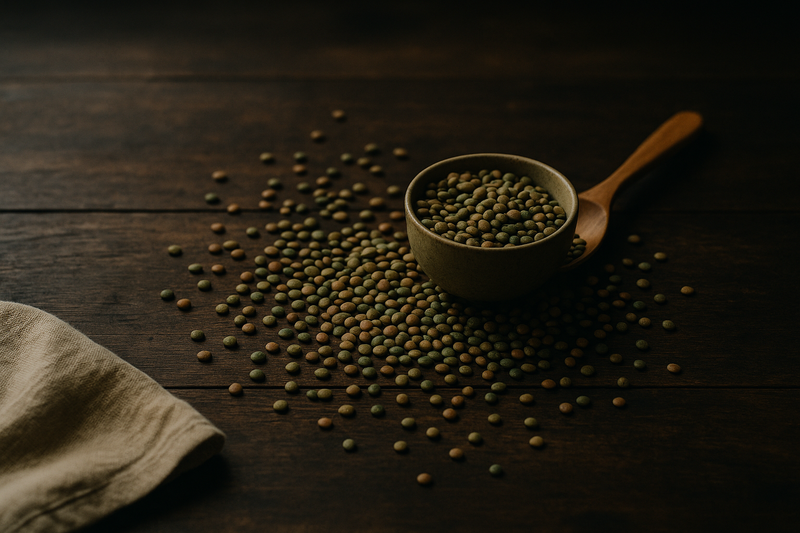
Beans cause gas mainly because of raffinose-family oligosaccharides, sugars like raffinose and stachyose that your small intestine cannot break down. Humans do not produce the enzyme needed to digest these sugars, so they pass largely intact into the colon, where resident bacteria ferment them. That fermentation releases hydrogen, carbon dioxide, and in some people methane, which is what you feel as bloating and pass as flatulence. This is a normal, expected response to fermentable fiber, not evidence that something is wrong with your gut, and it usually settles down as your digestive system adjusts over a week or two. Bloating and gas do have other possible causes too, though, so it is worth understanding the fuller picture before assuming beans are always the reason.
Key takeaways
- Beans contain raffinose and stachyose, oligosaccharides that resist digestion in the small intestine and get fermented by colon bacteria into gas.
- Gas after eating beans is usually a normal response to fermentable fiber and tends to lessen as your gut adapts with regular exposure.
- Soaking, rinsing, gradual increases in portion size, and alpha-galactosidase enzyme products can meaningfully cut down on gas.
- Persistent bloating can come from causes unrelated to beans, including irritable bowel syndrome, lactose intolerance, or slowed gut motility.
- New, severe, or worsening symptoms, especially with weight loss, blood in the stool, or fever, need medical evaluation rather than more dietary troubleshooting.
The multiple possible causes
Gas and bloating are extremely common, and beans are only one of many possible triggers, so a single uncomfortable meal does not confirm the cause. Irritable bowel syndrome (IBS) can produce bloating with a wide range of meals, not just high-fiber ones. Lactose intolerance causes very similar gas and cramping after dairy. Fructose malabsorption reacts to certain fruits, honey, and high-fructose corn syrup. Small intestinal bacterial overgrowth (SIBO) causes bacteria to ferment food earlier in the gut than usual, producing gas after almost anything eaten. Celiac disease and non-celiac gluten sensitivity can present as bloating that looks food-related but is not specific to legumes. Constipation itself is an underappreciated cause of bloating, since stool sitting longer in the colon gives bacteria more time to ferment and produce gas. Swallowing air while eating quickly, chewing gum, or drinking carbonated beverages adds gas through a completely different route. Because so many conditions overlap in how they feel, a pattern of gas after beans specifically is a clue worth tracking, not a diagnosis to settle on by yourself.
Food-related factors
Beans are genuinely gas-forming because of their oligosaccharide content, but the degree varies by type and preparation. Raffinose and stachyose concentrations differ across varieties, which is one reason some people tolerate /food/lentils or /food/chickpeas better than /food/kidney-beans or /food/black-beans, even though all are legumes. Canning reduces raffinose-family oligosaccharide content somewhat compared with home-cooked dried beans, since some sugars leach into the canning liquid, which is part of why rinsing canned beans before eating helps. Beans are not the only gas-forming food. Cruciferous vegetables such as /food/broccoli and /food/cabbage, onions, /food/garlic, whole grains, and sugar alcohols found in many "sugar-free" products ferment in similar ways. If you are also increasing overall fiber intake at the same time, from vegetables, whole grains, or fruit, the combined fermentable load can be higher than beans alone would produce. A sudden jump in total daily fiber, rather than beans specifically, is a common overlooked contributor to a bad day.
Non-food context
Gut motility matters as much as what you eat. Food that moves through a sluggish colon has more time for bacterial fermentation, so anything that slows transit, dehydration, low physical activity, certain pain medications, pregnancy, or an underlying motility disorder, can make the same meal produce more noticeable gas than it would in someone with faster transit. Antibiotic use can temporarily shift the balance of gut bacteria toward more gas-producing species. Stress and anxiety can alter gut sensitivity so a normal amount of gas feels more uncomfortable, even if the actual volume produced has not changed. Hormonal fluctuations, including the menstrual cycle, are also commonly reported to affect bloating sensitivity. None of this means beans are not contributing; it means the same beans can affect the same person differently depending on what else is happening in their gut and life that week.
What to observe
A short symptom diary is more useful than trying to remember a bad day later. Note what you ate, roughly how much, and the timing and severity of gas or bloating relative to the meal. Track whether the reaction happens with beans specifically or with any high-fiber food, including whole grains and cruciferous vegetables. Note whether soaking and rinsing changes the response, and whether smaller portions are better tolerated than large ones. Pay attention to whether symptoms come with pain, a change in stool frequency or consistency, or ease after passing gas or having a bowel movement, since that pattern points more toward general colon activity than toward beans as an isolated cause. Two to three weeks of honest notes usually reveals a clearer pattern than trying to recall a single uncomfortable evening.
Low-risk things to try
Soak dried beans for at least eight to twelve hours, then discard the soaking water and cook in fresh water; this step alone measurably reduces raffinose-family sugar content. Rinse canned beans thoroughly under running water before eating. Increase your portion gradually over several weeks rather than jumping from none to a full cup, giving colon bacteria time to adjust. Try different varieties, since /food/lentils and split peas tend to be lower in raffinose-family sugars than some larger beans, and thorough cooking (pressure cooking or a long simmer) can help break oligosaccharides down further. Consider an alpha-galactosidase enzyme product taken with the first bite of a bean-containing meal; clinical research has shown it can reduce gas and discomfort from oligosaccharide-containing meals for many people, though results vary. Spread beans across smaller, more frequent servings during the week instead of one large portion. None of these steps require giving up a food that offers real fiber, plant protein, and folate.
When to seek care
Most gas after beans is uncomfortable but not dangerous, and it settles with the adjustments above. See a healthcare professional if bloating or gas lasts more than a few weeks despite dietary changes, or if it is severe enough to interfere with daily life. Get evaluated promptly for abdominal pain that is severe, constant, or worsening; blood in the stool or black, tarry stools; unintentional weight loss; persistent vomiting; fever alongside digestive symptoms; or an inability to pass gas or have a bowel movement, which can signal a blockage and needs urgent attention. New bloating that starts after age fifty, especially with a family history of colorectal cancer or inflammatory bowel disease, deserves medical evaluation rather than food troubleshooting on its own. These symptoms can have several possible causes, only a clinician can sort out which one applies to you, and dietary changes are not a substitute for that assessment.
Bottom line
Gas after eating beans is a normal, expected result of fermentable oligosaccharides meeting your gut bacteria, and it usually improves with soaking, rinsing, gradual portions, and time. It is not, by itself, evidence of a digestive disorder. But because bloating has many possible causes beyond any single food, persistent, severe, or red-flag symptoms deserve a clinician's evaluation rather than more dietary experimentation.
Frequently asked questions
Does soaking beans really reduce gas, or is that a myth?
Soaking helps. Raffinose-family sugars are water-soluble, so a portion leaches into the soak water; discarding that water and cooking in fresh water removes some of the sugars that would otherwise reach your colon undigested. It will not eliminate gas entirely, since some oligosaccharides remain, but it reduces the load.
Are canned beans better than dried beans for gas?
Canned beans generally contain somewhat less raffinose-family sugar than beans cooked from dried at home, partly because some leaches into the canning liquid during processing. Rinsing canned beans thoroughly before eating removes more of that residual sugar and is a simple, low-effort step.
Will my body ever get used to beans?
Many people do adapt with regular, gradual exposure, as gut bacteria populations shift toward handling fermentable fiber more efficiently. This is not universal, and some people continue to react to legumes regardless of technique, which is normal individual variation rather than a failure on your part.
Is it safe to take Beano or similar enzyme products regularly?
Alpha-galactosidase products are generally considered low risk for regular use before meals containing legumes or cruciferous vegetables. They do not require a prescription, but if you take other medications or have a chronic digestive condition, it is reasonable to mention it to a pharmacist or clinician first.
Could my gas from beans actually be IBS?
It is possible, but it cannot be determined from gas alone. IBS typically involves a broader pattern of recurring abdominal pain linked to bowel habit changes, not just gas after high-fiber meals. If gas is your only symptom and it improves with the preparation changes above, IBS is less likely to explain it.
Should I stop eating beans if they consistently cause gas?
Not necessarily, since cutting out legumes removes a source of fiber, plant protein, and folate that supports several aspects of digestive and cardiovascular health. Try the low-risk preparation changes first and give your gut a few weeks to adjust, and discuss ongoing significant symptoms with a clinician instead of eliminating the food group on your own.
Sources and evidence
- Gas in the digestive tract, causes and mechanism, NIDDK
- Eating, diet, and nutrition guidance for gas in the digestive tract, NIDDK
- Intestinal gas: when to see a doctor, Mayo Clinic
- Belching, gas and bloating: tips for reducing them, Mayo Clinic
- Why beans make you fart and how to prevent it, Cleveland Clinic
- Food sources of dietary fiber, USDA Dietary Guidelines for Americans
- Raffinose-family oligosaccharide content in dry bean varieties and reduction upon canning, PMC
Know Your Numbers
Eating healthy is a start. Now get to know your biomarkers.
Food changes bloodwork — inflammation, lipids, blood sugar and nutrient status all respond to what you eat. 59 markers from $59.
- Results in 7–10 days at 2,000+ Quest sites
- Licensed provider reviews every result
- One flat price, no membership, HSA/FSA eligible
Educational information only, not medical advice. Panels are ordered and reviewed through our licensed partner; Plantopedia may earn a commission.