Mustard Greens — health benefits and uses
Leafy-green micronutrient angle; easy ways to add volume without complexity
The Short Answer
Mustard greens are nutrient-dense leafy vegetables known for their sharp, peppery flavor and high Vitamin K content. One cup of boiled mustard greens provides 100% of your daily Vitamin K and nearly 40% of your daily Vitamin A and C.

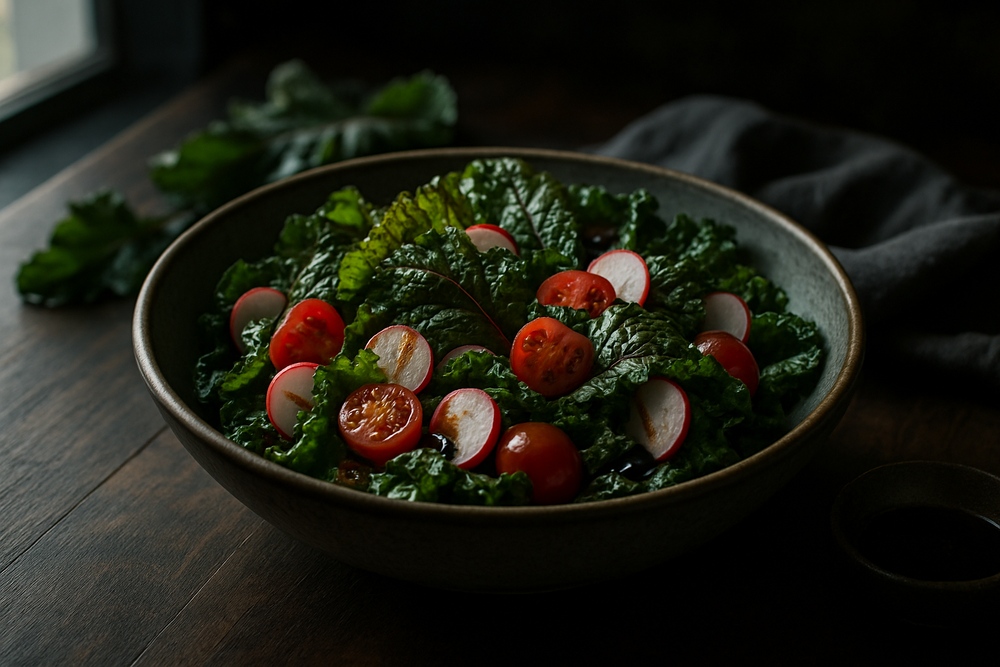
Mustard Greens · Photograph
Mustard greens (Brassica juncea) are the leafy tops of the brown mustard plant — peppery, slightly bitter, and more nutritionally loaded than their modest price tag would suggest. They have been a staple in Southern American cooking, Indian cuisine, and East and Southeast Asian kitchens for centuries, and they belong to the cruciferous vegetable family alongside kale, broccoli, and cabbage.
Key Nutrients
% Daily Value based on 2,000 cal diet
Key active compounds
Mustard greens are notable not just for their vitamins and minerals but for a group of plant chemicals that researchers are actively studying. Here is what makes them worth paying attention to beyond the standard nutrition label:
- Glucosinolates (including sinigrin): Sulfur-containing compounds that are a signature of cruciferous vegetables. When you chop, chew, or cook mustard greens, an enzyme called myrosinase converts glucosinolates into biologically active compounds. "Sulfur-containing" means these molecules include a sulfur atom in their structure, which is partly why cut mustard greens have that sharp, nose-tingling smell.
- Isothiocyanates (including allyl isothiocyanate): The breakdown products of glucosinolates. In cell and animal studies, isothiocyanates show antioxidant and anti-inflammatory activity and are being studied for roles in reducing chronic disease risk. Human evidence is emerging rather than conclusive.
- Carotenoids (beta-carotene, lutein, zeaxanthin): Fat-soluble plant pigments that give the leaf its deep green color. Beta-carotene is a precursor to vitamin A. Lutein and zeaxanthin concentrate in the retina and are associated with reduced risk of age-related macular degeneration (AMD) — a leading cause of vision loss in older adults.
- Flavonoids and phenolic acids: A broad family of polyphenols (plant compounds with antioxidant properties) that contribute to mustard greens' overall antioxidant capacity and may support vascular health.
Prep and pairing ideas
How to wash and strip a bunch: Fill a large bowl with cold water, submerge the leaves, swish well, and lift out — grit sinks. To strip the stem, hold the leaf face-down with one hand and pull the stem toward you with the other. Thick central stems on mature leaves are edible but take longer to cook; chop them separately and add them to the pan first.
Three practical pairings:
- Garlic + olive oil + lemon — The most reliable weeknight method. Sauté sliced garlic in olive oil over medium heat for 60 seconds, add washed greens (they will spit), toss until wilted (about 5 minutes), finish with lemon juice and a pinch of red pepper flakes. The acid is the key to cutting bitterness. Adding olive oil also helps your body absorb fat-soluble carotenoids and vitamin K.
- White beans + vegetable broth (Southern-style, no pork) — Combine cooked or canned white beans with a cup of low-sodium vegetable broth, add stripped mustard green leaves, cover and braise for 15–20 minutes until very tender. A splash of apple cider vinegar at the end does the job that smoked pork traditionally does in Southern recipes — it adds depth and cuts the bite. This pairing boosts protein, fiber, and iron in one bowl.
- **Ginger
How Mustard Greens Compares
| Compared with | What's different |
|---|---|
| Mustard Greens vs. Kale | Mustard greens have a sharper, peppery bite compared to kale’s earthy, milder flavor. |
| Mustard Greens vs. Spinach | Mustard greens are significantly more pungent and spicy than the mild, buttery texture of spinach. |
| Mustard Greens vs. Collard Greens | Mustard greens have thinner leaves and a peppery kick, while collards are thicker and more bitter. |
Health Benefits
Things to Know
Blood thinners (warfarin and other vitamin K antagonists): Mustard greens are very high in vitamin K, which directly affects how warfarin works. The clinical advice is consistency — keep your intake of vitamin K–rich foods stable rather than eliminating them, and have your prescriber adjust your medication dose to match your regular diet. Do not suddenly start eating large amounts if you have not been doing so. Always discuss significant dietary changes with your prescriber.
Thyroid medication (levothyroxine): Cruciferous vegetables contain goitrogens — compounds that can interfere with iodine uptake in the thyroid in very large amounts, particularly raw. At typical culinary intakes, cooked mustard greens are considered safe for most people with adequate dietary iodine. If you have hypothyroidism, mention significant changes in cruciferous vegetable intake to your doctor.
Kidney stones (calcium oxalate type): Mustard greens contain some oxalate (a naturally occurring compound in many plant foods), though typically less than spinach. People with a history of calcium oxalate kidney stones may be advised to keep very high-oxalate foods in moderation. Pairing greens with calcium-rich foods at the same meal can reduce oxalate absorption.
IBS and sensitive digestion: The fiber and sulfur compounds in cruciferous vegetables can trigger gas, bloating, or cramping in some people. Start with small portions and cooked preparations; tolerance often improves over time.
Pregnancy: The folate in mustard greens is beneficial during pregnancy and the preconception period. However, if you are pregnant and on any medication, discuss dietary changes with your midwife or OB.
Infants: Well-cooked, finely chopped greens can be introduced as part of diverse infant feeding, but their strong flavor and bitterness may reduce acceptance at first. No special concern at typical small portions.
Prep Ideas
- — Garlic + olive oil + lemon — The most reliable weeknight method. Sauté sliced garlic in olive oil over medium heat for 60 seconds, add washed greens (they will spit), toss until wilted (about 5 minutes), finish with lemon juice and a pinch of red pepper flakes. The acid is the key to cutting bitterness. Adding olive oil also helps your body absorb fat-soluble carotenoids and vitamin K.
- — White beans + vegetable broth (Southern-style, no pork) — Combine cooked or canned white beans with a cup of low-sodium vegetable broth, add stripped mustard green leaves, cover and braise for 15–20 minutes until very tender. A splash of apple cider vinegar at the end does the job that smoked pork traditionally does in Southern recipes — it adds depth and cuts the bite. This pairing boosts protein, fiber, and iron in one bowl.
- — **Ginger
Shop This Ingredient
Stock your pantry with quality mustard greens.
Buy on AmazonAs an Amazon Associate, Plantopedia earns from qualifying purchases. This costs you nothing extra and helps us keep the encyclopedia free.
Frequently Asked Questions
One honest note upfront: mustard greens have not been studied extensively on their own in human clinical trials. Most human evidence comes from studies on dark leafy greens or cruciferous vegetables as a category. That evidence is meaningful, because mustard greens share the same key compounds. Think of this as "what your food group research suggests" rather than "what mustard greens specifically proved." Heart and circulation Large observational studies — including the long-running Nurses' Health Study and the Health Professionals Follow-Up Study — consistently find that people who eat more dark green leafy vegetables have lower rates of coronary heart disease and cardiovascular mortality. A dose-response meta-analysis (a type of study that pools data from many smaller studies to look at trends) published in the International Journal of Epidemiology by Aune and colleagues found that higher total vegetable intake, particularly green leafy and cruciferous vegetables, was associated with meaningfully reduced cardiovascular disease risk. Several mechanisms are plausible: the high vitamin K content supports arterial flexibility; folate helps metabolize homocysteine (an amino acid linked to heart disease risk at high levels); potassium supports healthy blood pressure; and isothiocyanates and flavonoids may help reduce oxidative stress in blood vessel walls. The research supports framing mustard greens as a solid component of a heart-healthy eating pattern — not as a standalone treatment. Digestive health and microbiome One cooked cup provides nearly 3 grams of dietary fiber. Fiber is the part of plant food that humans cannot digest — it passes to the colon, where it feeds beneficial gut bacteria (the microbiome) and adds bulk to stool. Systematic reviews consistently link higher dietary fiber intake from vegetables and whole plant foods to lower rates of constipation, better stool frequency, and reduced risk of colorectal cancer. Mustard greens also provide magnesium and water content, both of which support normal bowel function. A note for sensitive stomachs: the fiber and sulfur compounds in cruciferous vegetables can cause gas or bloating, especially if you increase your intake quickly. A gradual approach — adding a half cup at a time over a week or two — and making sure the greens are cooked through usually resolves this. Blood sugar and metabolism Mustard greens are very low in carbohydrate and have a negligible impact on blood glucose on their own. More importantly, adding fiber-rich, low-calorie vegetables like mustard greens to a meal helps slow the overall absorption of glucose from that meal. Human trials on leafy green and mixed vegetable interventions show modest improvements in fasting glucose and insulin sensitivity, particularly when vegetables replace refined carbohydrates and added sugars in the diet. Observational data also associate higher intakes of dark green leafy vegetables with lower risk of developing type 2 diabetes. None of this means mustard greens treat or reverse diabetes — but they fit naturally into a blood-sugar-friendly meal pattern. Hormones and cycle health As a cruciferous vegetable, mustard greens contain glucosinolates that break down into compounds called indoles (including indole-3-carbinol), which can influence how the liver processes and eliminates estrogen. Human studies using cruciferous vegetables and indole-3-carbinol supplements show modest shifts in estrogen metabolite ratios and enhanced activity of phase II detoxification enzymes (enzymes in the liver that help neutralize and remove compounds including hormones and environmental chemicals). Most of this research has used broccoli, Brussels sprouts, or concentrated supplements rather than mustard greens specifically. Current evidence does not support using mustard greens as a hormone therapy, but including a variety of cruciferous vegetables in your regular diet is consistent with research on healthy hormone metabolism. Inflammation and recovery Mustard greens are rich in vitamin K, vitamin C, carotenoids, and isothiocyanates, all of which have demonstrated antioxidant and anti-inflammatory activity in laboratory and animal studies. In human studies using mixed cruciferous vegetable interventions (rather than mustard greens alone), researchers have seen reductions in oxidative stress markers and improved activity of detoxification enzymes. Observational studies link higher cruciferous vegetable intake with lower levels of inflammatory markers like C-reactive protein (CRP). The appropriate framing: regularly eating mustard greens and other cruciferous vegetables may contribute to a lower overall inflammatory load as part of a plant-forward diet.
Both forms offer value, and the best answer depends on the leaf and your goals. Raw mustard greens: Tender young leaves work best — they have a milder peppery bite Preserve more vitamin C and keep myrosinase (the enzyme that activates glucosinolates) intact Can be used in salads, mixed with milder greens, or blended into a slaw Cooked mustard greens: Dramatically improve palatability for most people, which means you are more likely to eat them regularly — and that matters more than any marginal nutrient difference Sautéing, braising, steaming, and stir-frying all work well Cooking reduces vitamin C somewhat but leaves vitamin K, vitamin A, minerals, and most phytochemicals robust Cooking also reduces the goitrogenic effect of glucosinolates, which is relevant if you have a thyroid condition Practical rule: Use young, small leaves raw. Cook full-size bunches.
Quick Answers
Common questions, answered in a line.
Mustard greens contain lutein and zeaxanthin, fat-soluble carotenoids that concentrate in the retina to support vision. These pigments are specifically associated with a reduced risk of age-related macular degeneration (AMD), which is a leading cause of vision loss in older adults.
You should keep your intake of mustard greens stable and consistent if you take warfarin or other vitamin K antagonists. Because these greens are very high in vitamin K, they can directly affect how blood thinners work; you should consult your prescriber before making significant dietary changes.
To remove grit from mustard greens, fill a large bowl with cold water, submerge the leaves, swish them well, and lift them out. The grit will naturally sink to the bottom of the bowl, leaving the greens clean and ready for stripping or chopping.
Mustard greens have a sharp, nose-tingling smell because they contain sulfur-containing compounds called glucosinolates. When the leaves are chopped, chewed, or cooked, an enzyme converts these molecules into biologically active compounds that produce their signature pungent aroma.
Mustard greens are considered safe for most people with hypothyroidism when eaten at typical culinary levels and cooked. While they contain goitrogens that can interfere with iodine uptake in very large amounts, you should simply inform your doctor if you plan to significantly change your intake.
The best way to reduce the bitterness of mustard greens is to finish them with an acid, such as lemon juice or apple cider vinegar. Cooking them with healthy fats like olive oil also helps the body absorb fat-soluble nutrients like vitamin K and carotenoids.
Mustard greens contain oxalates, though typically in lower amounts than spinach, which can be a concern for those prone to calcium oxalate kidney stones. To reduce oxalate absorption, it is recommended to pair these greens with calcium-rich foods during the same meal.
For Readers in the USA
Local context — sourcing, seasonality, and regional notes.
Mustard greens are in peak season during the cooler months, generally from October through early May in most of the United States. While they are available year-round in many supermarkets, their flavor is sweetest and least bitter after the first frost in autumn.
You can buy mustard greens at major US grocery chains like Kroger, Publix, and Whole Foods, as well as at local farmers markets, especially in the Southern United States. Look for USDA Organic labels if you want to ensure they were grown without synthetic pesticides or fertilizers.
In the United States, common varieties include the curly-leafed Southern Giant Curled, the broad-leafed Florida Broadleaf, and the dark purple-streaked Red Giant. Southern styles often favor the curly varieties, while Asian-influenced markets in the US frequently carry the smoother-leafed 'Gai Choy.'
In American Southern food culture, mustard greens are a traditional 'Soul Food' staple, often slow-simmered in a 'pot liquor' with smoked meats or vinegar. They are frequently served alongside cornbread and black-eyed peas, particularly during New Year's Day celebrations to symbolize prosperity.
AI Clinical Review
- Strong, accurate emphasis on mustard greens as a very nutrient-dense, low‑calorie leafy green rich in vitamin K, beta‑carotene (vitamin A precursor), vitamin C, folate, potassium, and fiber.
- Correct framing that most human evidence comes from studies of leafy or cruciferous vegetables as a group; positions mustard greens as part of a heart‑healthy, plant‑forward pattern rather than a stand‑alone “cure.”
- Clear explanation of glucosinolates and their breakdown products (isothiocyanates/indoles) with appropriate caution that human data are still emerging.
- Practical cooking guidance that balances palatability with nutrition (e.g., cooking reduces bitterness and potential goitrogenic effects; adding a little fat improves carotenoid absorption).
- Disease‑specific benefits (e.g., anti‑cancer, anti‑inflammatory effects) are supported mainly by lab/animal studies or by trials using other crucifers; high‑quality human trials on mustard greens themselves are limited.
- Observed cardiovascular and diabetes‑risk associations in cohort studies can be influenced by overall lifestyle; precise “dose” (servings/week) for specific outcomes isn’t firmly established.
- Effects on estrogen metabolism from indole compounds show small shifts in biomarkers; links to clinical outcomes (symptoms, disease risk) remain uncertain.
- Vitamin K–warfarin interaction: if you take warfarin (or other vitamin K antagonists), keep your intake of high‑K greens consistent and coordinate any change with your clinician who monitors your INR.
- Thyroid considerations: large amounts of raw crucifers may reduce iodine uptake; cooking lowers this effect. People with hypothyroidism or on levothyroxine should discuss big changes in crucifer intake with their clinician.
- Kidney stones: mustard greens contain moderate oxalate; those with calcium oxalate stones may benefit from moderation and pairing greens with calcium‑containing foods at meals.
- Digestive sensitivity (IBS, gas/bloating): start with small, well‑cooked portions and increase gradually. Meeting MyPlate’s 1½–2 cups of dark green vegetables per week can be a practical target while you gauge tolerance.
Frame as food education, not disease treatment.
References
- PMC, National Library of Medicine — Proteomic changes associated with health benefit properties in fresh and preserved mustard greens (pmc.ncbi.nlm.nih.gov)
- PubMed — Toxicity Studies of Lactobacillus plantarum PS128(TM) Isolated from Spontaneously Fermented Mustard Greens (pubmed.ncbi.nlm.nih.gov)
- USDA FoodData Central — USDA FoodData Central (fdc.nal.usda.gov)
- University of Rochester Medical Center — Content - Health Encyclopedia - URochester Medicine (urmc.rochester.edu)
Know Your Numbers
Eating healthy is a start. Now get to know your biomarkers.
Food changes bloodwork — inflammation, lipids, blood sugar and nutrient status all respond to what you eat. 59 markers from $59.
- Results in 7–10 days at 2,000+ Quest sites
- Licensed provider reviews every result
- One flat price, no membership, HSA/FSA eligible
Educational information only, not medical advice. Panels are ordered and reviewed through our licensed partner; Plantopedia may earn a commission.