Fermented Red Cabbage — health benefits and uses
Fermentation and gut-culture angle; explain live-culture, sodium, and heat-treatment differences
The Short Answer
Fermented red cabbage is a probiotic-rich condiment containing 56% of your daily Vitamin C and 3g of fiber per cup. It is prized for its high anthocyanin content, which provides potent antioxidant properties and its signature deep purple color.

Fermented Red Cabbage · Photograph
Fermented red cabbage is exactly what it sounds like: shredded red (purple) cabbage that has been salted and left to ferment, typically at room temperature, until it turns pleasantly sour. The result sits somewhere between traditional sauerkraut and a vivid purple condiment, carrying the tangy bite of lacto-fermentation alongside a nutritional profile that is genuinely distinctive from plain raw cabbage.
Key Nutrients
% Daily Value based on 2,000 cal diet
Key active compounds
- Anthocyanins — Water-soluble purple pigments in the flavonoid family. Red cabbage is one of the richest vegetable sources. Human observational research links higher dietary anthocyanin intake to lower risks of cardiovascular disease and type 2 diabetes. Fermentation may alter their chemical structure but generally preserves significant antioxidant capacity.
- Glucosinolates — Sulfur-containing compounds unique to cruciferous vegetables. When cabbage is shredded, chewed, or fermented, glucosinolates break down into isothiocyanates and indoles, which influence detoxification pathways and inflammatory signaling.
- Indole-3-carbinol (I3C) and diindolylmethane (DIM) — Downstream products of glucosinolate breakdown. Small human studies using concentrated supplement forms have shown shifts in estrogen metabolite ratios, though food-level intakes from cabbage are much lower.
- Lactic acid and organic acids — Produced by LAB during fermentation. These lower the pH of the food (preserving it and inhibiting pathogens), contribute the tangy flavor, and may modestly blunt postprandial (after-meal) blood sugar rises.
- Phenolic acids (e.g., caffeic acid, ferulic acid) — Antioxidant polyphenols bound in the plant cell wall; fermentation may release some of these, potentially increasing how well the body absorbs them.
- Live lactic acid bacteria (LAB) — Present in unpasteurized products only. Strains like Lactobacillus species can transiently colonize the gut and may influence microbiota composition and immune signaling.
Prep and pairing ideas
Fermented red cabbage is a flavor-first ingredient: sour, slightly salty, crunchy, and vibrantly colored. It needs no cooking and works best added cold or at room temperature to preserve any live cultures.
3 practical pairings:
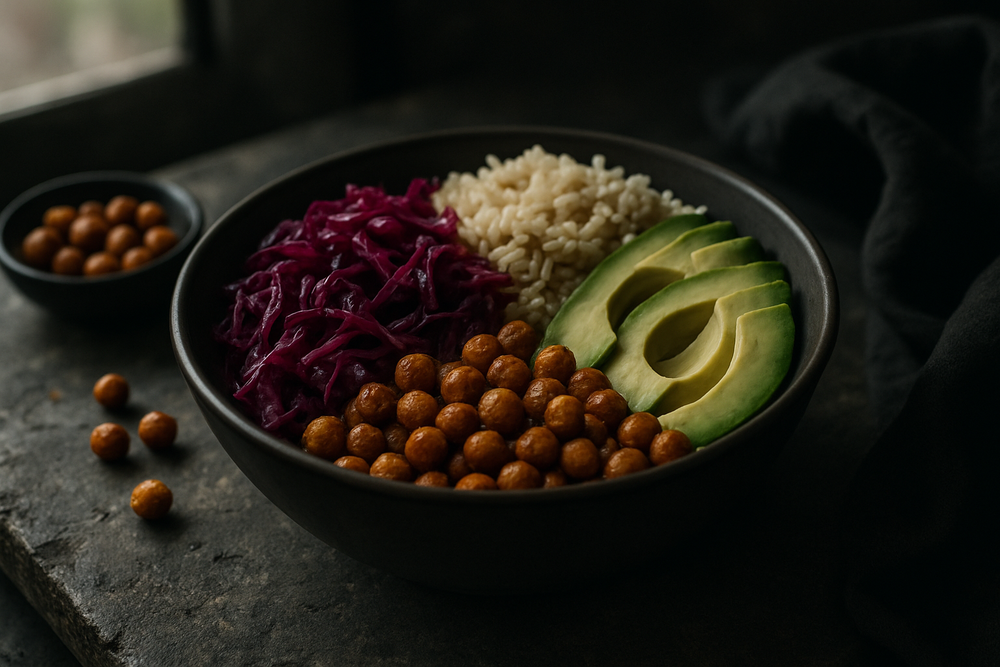
- Grain bowls and Buddha bowls — A tablespoon or two of fermented red cabbage alongside brown rice, roasted chickpeas, and avocado adds acidity and crunch that balances richer, creamier elements. The sour brine also reduces the need for added dressing salt
How Fermented Red Cabbage Compares
| Compared with | What's different |
|---|---|
| Fermented Red Cabbage vs. Sauerkraut (Green) | Higher in anthocyanin antioxidants and slightly earthier in flavor than green cabbage varieties. |
| Fermented Red Cabbage vs. Pickled Red Cabbage | Contains live probiotics and lactic acid, whereas red cabbage in vinegar is pasteurized and shelf-stable. |
| Fermented Red Cabbage vs. Kimchi | Spicier profile due to garlic and chili; red cabbage is typically fermented with just salt and spices. |
Health Benefits
Things to Know
Sodium: The biggest practical concern. Many commercial products contain 300–700 mg sodium per ½ cup. If you have hypertension, heart failure, or kidney disease, check labels carefully and favor low-sodium or homemade options.
Histamine and biogenic amines: Fermented foods naturally accumulate histamine and tyramine (biogenic amines). People with histamine intolerance, mast cell disorders, or those taking MAOI antidepressants (e.g., phenelzine, tranylcypromine) should avoid or strictly limit fermented foods and discuss with their prescriber.
Vitamin K and anticoagulants: Cabbage contains vitamin K1. People on warfarin or other vitamin K-antagonist blood thinners should keep their vitamin K intake consistent rather than suddenly increasing or decreasing fermented cabbage consumption.
IBS and SIBO: Start with 1 teaspoon and increase slowly. Both cabbage fiber and fermentation byproducts can trigger gas and bloating in sensitive individuals.
Immunocompromised individuals: Raw fermented foods carry a small risk of foodborne illness. If you are undergoing chemotherapy, have advanced HIV, or are post-transplant, consult your healthcare team before consuming unpasteurized products.
Thyroid: Very large habitual intakes of cruciferous vegetables may modestly affect iodine utilization in people with existing iodine deficiency. Typical condiment-sized servings of fermented cabbage are unlikely to be clinically significant when dietary iodine is adequate.
Pregnancy and breastfeeding: Moderate amounts of commercially produced, properly refrigerated fermented red cabbage are generally considered safe. Avoid poorly prepared home ferments and excessively salty products.
Antihypertensive medications and diuretics: Frequent large servings of high-sodium fermented cabbage can counteract blood pressure control; monitor accordingly.
Prep Ideas
- — Grain bowls and Buddha bowls — A tablespoon or two of fermented red cabbage alongside brown rice, roasted chickpeas, and avocado adds acidity and crunch that balances richer, creamier elements. The sour brine also reduces the need for added dressing salt
Shop This Ingredient
Stock your pantry with quality fermented red cabbage.
Buy on AmazonAs an Amazon Associate, Plantopedia earns from qualifying purchases. This costs you nothing extra and helps us keep the encyclopedia free.
Frequently Asked Questions
Gut microbiome and live cultures Lacto-fermented vegetables contain LAB — naturally occurring bacteria on cabbage leaves that, given salt, warmth, and time, ferment the cabbage sugars into lactic acid. Research on sauerkraut and kimchi (both fermented cabbage products) shows that live LAB from these foods can survive stomach acid, reach the intestines, and transiently shift the composition of gut bacteria toward more Lactobacillus species. A small pilot trial in people with IBS found that both unpasteurized and pasteurized sauerkraut reduced symptom severity, which suggests that fermentation-derived compounds and fiber — not just live bacteria — may play a role in digestive comfort. The important caveat: these effects are modest, individual responses vary widely, and no large high-quality trial has focused specifically on fermented red cabbage for gut health outcomes. Digestive comfort and fiber The fiber in cabbage (both insoluble and soluble fractions) feeds beneficial bacteria already living in the colon — a process called prebiotic activity (providing food that feeds beneficial gut bacteria, rather than delivering bacteria directly). This supports stool regularity and contributes to short-chain fatty acid production, which helps nourish the gut lining. Heart and circulation Epidemiological studies — those that observe large populations over time — consistently link higher cruciferous vegetable intake with lower cardiovascular disease risk. Human trials of kimchi specifically have reported modest reductions in total cholesterol, LDL cholesterol (often called "bad" cholesterol), triglycerides (blood fats), and systolic blood pressure in overweight or mildly hyperlipidemic adults after several weeks of daily intake. Red cabbage's anthocyanins add an additional layer: observational data associates higher anthocyanin intake from various foods with lower risk of heart attack and hypertension. However, the high sodium content in most commercial fermented cabbage products can directly counteract these cardiovascular benefits by raising blood pressure — especially in salt-sensitive individuals. This tension is the main limitation of using fermented cabbage for heart health. Digestive health and microbiome (recap) See the gut section above. Key summary: choose unpasteurized and refrigerated for the best chance of live cultures; start small if you have a sensitive gut. Blood sugar and metabolism Fermented cabbage is very low in residual sugars — bacteria consume most of them during fermentation. The organic acids produced (especially lactic acid) can slow gastric emptying and carbohydrate absorption, potentially blunting the rise in blood glucose after a meal. Small human studies on kimchi and mixed fermented vegetables have shown modest improvements in fasting blood glucose and markers of metabolic syndrome, though the effect size is small compared with medication or major dietary overhauls. Hormones and cycle health Red cabbage, like all cruciferous vegetables, provides glucosinolates that are metabolized into I3C and DIM. Small studies using concentrated supplement doses of these compounds have shown shifts in estrogen metabolite ratios, which is of interest for hormone-related conditions. Food-level exposures from fermented cabbage are considerably lower than supplement doses, so effects — if any — are expected to be subtle. No clinical trials have tested fermented red cabbage specifically for menopausal symptoms, PMS, or other hormonal outcomes. Consider it a potentially supportive food within an overall vegetable-rich diet, not a treatment. Inflammation and recovery A high-quality diet rich in fermented foods has been associated in small human trials with reductions in C-reactive protein (CRP) — a blood marker of systemic inflammation — and certain pro-inflammatory cytokines (chemical messengers that drive inflammation). Red cabbage's anthocyanins are potent antioxidants, and the LAB in unpasteurized versions may interact with gut-associated immune tissue in ways that modulate the body's inflammatory response. These effects are modest and best understood as part of an overall anti-inflammatory eating pattern. One caution: people with histamine intolerance or mast cell activation disorder may find that fermented foods — including red cabbage — trigger symptoms like headaches, flushing, or hives. This is a separate immune-related sensitivity, not a sign of an unhealthy gut.
Yes, significantly. Here is how the main forms compare: Homemade unpasteurized fermented red cabbage Prepared by shredding red cabbage, mixing with salt (typically 2–2.5% by weight), and fermenting in an anaerobic (oxygen-free) container for 5–14 days or longer until pleasantly sour. Stored in the refrigerator, it retains live LAB and fermentation acids. You control the salt level — an advantage for sodium-conscious eaters — but food safety depends on proper technique (keeping cabbage submerged in brine, using clean equipment, and storing finished product cold). Refrigerated, raw commercial fermented red cabbage Sold in the refrigerated section, often labeled "raw," "unpasteurized," or "contains live and active cultures." Most likely to deliver live bacteria. Microbial counts vary by brand and batch. Check the sodium content on the label — it can range widely. Shelf-stable canned or jarred fermented red cabbage Heat-processed for room-temperature storage. Most live bacteria are destroyed. Still provides fiber, organic acids, vitamin K, and some phytochemicals, but is not a probiotic food. Often contains added sugar, vinegar, and high levels of salt. Fine as a flavor condiment; less compelling as a gut-health food. Vinegar-pickled red cabbage (quick pickles) Acidified with vinegar rather than produced by microbial fermentation. No live LAB. Tasty and still a vegetable, but not equivalent to fermented red cabbage in terms of microbiological profile or fermentation-derived compounds.
Quick Answers
Common questions, answered in a line.
Fermented red cabbage is a rich source of anthocyanins, water-soluble purple pigments that may lower the risk of cardiovascular disease and type 2 diabetes. These flavonoids provide significant antioxidant capacity, which is generally preserved even after the chemical changes that occur during the fermentation process.
Fermented red cabbage contains glucosinolates that break down into isothiocyanates and indoles, which influence the body's detoxification pathways and inflammatory signaling. These sulfur-containing compounds are unique to cruciferous vegetables and are activated when the cabbage is shredded or fermented.
Fermented red cabbage contains lactic acid and other organic acids produced during fermentation that may modestly blunt blood sugar rises after meals. These acids are created by lactic acid bacteria, which also lower the pH of the food to preserve it and inhibit pathogens.
Those taking MAOI antidepressants, such as phenelzine or tranylcypromine, should avoid or strictly limit fermented red cabbage due to its natural accumulation of histamine and tyramine. These biogenic amines can cause adverse reactions when combined with specific antidepressant medications.
People on warfarin or other vitamin K-antagonist blood thinners must keep their intake of fermented red cabbage consistent because it contains vitamin K1. Sudden changes in consumption can interfere with the medication's effectiveness in managing blood coagulation.
If you have IBS or SIBO, you should start with just one teaspoon of fermented red cabbage and increase your intake slowly. Both the fiber in the cabbage and the byproducts of fermentation can trigger gas and bloating in individuals with sensitive digestive systems.
Individuals with high blood pressure, heart failure, or kidney disease should be cautious as commercial fermented red cabbage often contains 300–700 mg of sodium per half-cup. It is recommended to check labels carefully or choose low-sodium and homemade options to manage salt intake.
For Readers in the USA
Local context — sourcing, seasonality, and regional notes.
In the U.S., you can find raw fermented red cabbage in the refrigerated produce or deli sections of major retailers like Whole Foods Market, Trader Joe's, and Sprouts. Look for "wild fermented" or "unpasteurized" labels to ensure it contains live cultures, as shelf-stable canned versions found in the center aisles are typically heat-treated.
While red cabbage is grown year-round in states like California and Florida, it is most abundant and affordable during its peak U.S. harvest season from late fall through early spring. Many American home fermenters prefer using fall harvests because the cooler weather produces denser heads that yield a better crunch after the fermentation process.
In American cuisine, fermented red cabbage is a popular topping for fish tacos, BBQ pulled pork sandwiches, and hot dogs at regional delis. Its vibrant purple hue and acidic bite provide a functional and aesthetic contrast to heavy, fat-rich comfort foods common in states like Texas and the Carolinas.
For a product to be labeled "USDA Organic," the red cabbage must be grown without synthetic pesticides, and the fermentation process must exclude prohibited additives. Checking for the USDA Organic seal ensures the cabbage and salt used meet federal standards for ecological and sustainable farming practices.
AI Clinical Review
- Clearly distinguishes “fermented” from “probiotic,” noting that pasteurization removes most live cultures and that refrigerated, unpasteurized products are the better bet for live microbes.
- Accurately describes key bioactives in red cabbage (anthocyanins, glucosinolates → I3C/DIM) and how fermentation adds organic acids and may alter nutrient availability.
- Frames gut effects appropriately as modest and variable; live lactic acid bacteria can survive digestion transiently, while cabbage fiber provides prebiotic support.
- Highlights sodium as the main nutritional trade‑off and explains that levels vary widely across products; homemade versions can use less salt.
- Covers important safety caveats (histamine/tyramine and MAOIs, vitamin K and warfarin, immunocompromised status, and starting small for IBS/SIBO).
- Few randomized human trials have tested fermented red cabbage specifically; much of the discussion extrapolates from sauerkraut/kimchi or observational anthocyanin research, so expected benefits are likely small.
- Live-culture counts and strain identities vary by brand, batch, and storage; whether transient shifts in the microbiome translate into consistent clinical outcomes remains uncertain.
- Cardiometabolic findings are mixed: potential improvements in lipids or glucose from fermented vegetables may be offset by high sodium in many commercial products; net impact depends on total diet and portion size.
- Hormone-related effects seen with I3C/DIM supplements occur at doses far above typical food intakes; clinical relevance from cabbage-level exposure is unclear.
- Form matters: for live cultures, choose refrigerated, unpasteurized products labeled with “live cultures.” Shelf-stable jars or vinegar pickles are not probiotic, though they can still be a tasty vegetable condiment.
- Portions: if you’re new or sensitive, start with 1–2 teaspoons and, as tolerated, build to 1–4 tablespoons (about 15–60 mL) with meals; avoid heating if you want to preserve live microbes.
- Who should check in with a clinician: people with hypertension, heart or kidney disease (due to sodium); those taking warfarin or MAOIs; individuals with histamine intolerance or significant IBS/SIBO; anyone who is immunocompromised; and those who are pregnant considering homemade ferments.
- Practical sodium tip: drain excess brine or pair small amounts with minimally salted, potassium-rich foods; if making your own, typical brine is ~2–2.5% salt by weight, which can help moderate sodium per serving.
Fermented does not always mean probiotic; note sodium and live/active culture differences.
References
- PubMed — The impact of red cabbage fermentation on bioavailability of anthocyanins and antioxidant capacity of human plasma (pubmed.ncbi.nlm.nih.gov)
- PubMed — Effects of fermented versus unfermented red cabbage on symptoms, immune response, inflammatory markers and the gut microbiome in young adults with allergic rhinoconjunctivitis: a randomised (pubmed.ncbi.nlm.nih.gov)
- PubMed — Effects of fermented versus unfermented red cabbage on symptoms, immune response, inflammatory markers and the gut microbiome in young adults with allergic rhinoconjunctivitis: a randomised (pubmed.ncbi.nlm.nih.gov)
- PMC, National Library of Medicine — Young Shoots of White and Red Headed Cabbages Like Novel Sources of Glucosinolates as Well as Antioxidative Substances (pmc.ncbi.nlm.nih.gov)
- ScienceDirect — S0308814615009000 (sciencedirect.com)
- MDPI — 1420 3049 (mdpi.com)
- PMC, National Library of Medicine — Effect of Fermentation on the Nutritional Quality of the Selected Vegetables and Legumes and Their Health Effects (pmc.ncbi.nlm.nih.gov)
- USDA FoodData Central — USDA FoodData Central (fdc.nal.usda.gov)
- PMC, National Library of Medicine — Effect of fermentation of chosen vegetables on the nutrient, mineral, and biocomponent profile in human and animal nutrition (pmc.ncbi.nlm.nih.gov)
Know Your Numbers
Eating healthy is a start. Now get to know your biomarkers.
Food changes bloodwork — inflammation, lipids, blood sugar and nutrient status all respond to what you eat. 59 markers from $59.
- Results in 7–10 days at 2,000+ Quest sites
- Licensed provider reviews every result
- One flat price, no membership, HSA/FSA eligible
Educational information only, not medical advice. Panels are ordered and reviewed through our licensed partner; Plantopedia may earn a commission.