Fermented Carrots — health benefits and uses
Fermentation and gut-culture angle; explain live-culture, sodium, and heat-treatment differences
The Short Answer
Fermented carrots are raw carrots preserved in a salt-water brine through lacto-fermentation, resulting in a tangy, probiotic-rich snack. They are exceptionally high in Vitamin A, providing 93% of your daily value per cup along with 3g of dietary fiber.

Fermented Carrots · Photograph
Fermented carrots are simply raw carrots preserved in a salt-water brine through a process called lacto-fermentation — the same ancient technique used to make sauerkraut and kimchi. Lactic acid bacteria (naturally present on the vegetable's surface) convert the carrots' sugars into lactic acid, creating a tangy, crunchy food that can deliver live microbes, organic acids, and the carrot's full suite of carotenoids and fiber. The scientific name for the common carrot is Daucus carota subsp. sativus.
Key Nutrients
% Daily Value based on 2,000 cal diet
Key active compounds (phytochemicals)
- Beta-carotene — A provitamin A carotenoid (a plant pigment that the body converts into vitamin A). Gives carrots their orange color. Acts as an antioxidant and supports vision and immune function. Fermentation has been shown to increase measurable beta-carotene in carrots compared with the raw vegetable.
- Alpha-carotene — Structurally related to beta-carotene, also convertible to vitamin A; contributes to antioxidant defenses and may be preserved or made more available through fermentation.
- Lutein and zeaxanthin — Non-provitamin A carotenoids concentrated in the eye's retina and in brain tissue; support eye health and are maintained during fermentation.
- Phenolic compounds — Plant secondary metabolites (defensive chemicals plants make naturally) with antioxidant properties. Fermentation can modify the profile and bioavailability of these compounds.
- Organic acids (primarily lactic acid) — Produced by lactic acid bacteria during fermentation. They lower the brine's pH, which helps preserve the food and inhibit harmful bacteria. They may also modestly slow carbohydrate digestion and influence mineral absorption.
- Dietary fiber — Supports colonic fermentation (the process by which gut bacteria feed on undigested plant matter), acts as a prebiotic substrate (food for beneficial gut bacteria), and helps with bowel regularity.
Prep and pairing ideas
Fermented carrots are versatile. Their tangy crunch works as a condiment, a snack, or a flavor accent.
Common pairings:
- Fermented carrots + hummus or tahini — Fat from sesame helps absorb fat-soluble beta-carotene, and the protein-fiber combination keeps blood sugar steady. A classic Middle Eastern-inspired snack plate.
- Fermented carrots + leafy green salads — The acidity of the brine acts as a natural dressing component, reducing the need for added vinegar or salt. The combination also layersprebiotic fiber from carrots with the phytonutrients in greens.
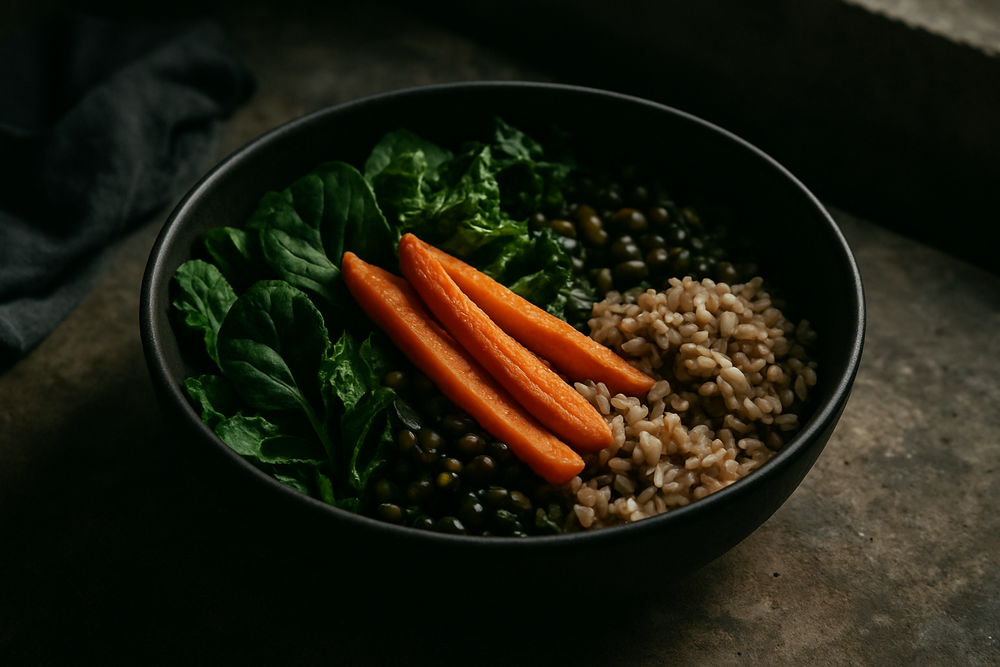
- Fermented carrots + grain bowls (brown rice, farro, or quinoa) — Adds a bright, acidic counterpoint to starchy grains and brings live cultures to a meal that might otherwise contain none. Particularly effective alongside legumes for a complete plant-based protein profile.
Storage tips: Keep in a sealed glass jar, submerged in their brine, in the refrigerator. Properly made fermented carrots can last 2–6 months refrigerated. If the brine smells rotten (not just tangy-sour) or you see fuzzy mold growth, discard the batch.
How Fermented Carrots Compares
| Compared with | What's different |
|---|---|
| Fermented Carrots vs. Pickled Carrots | Fermented carrots are lacto-fermented in brine, while pickled use vinegar for immediate acidity. |
| Fermented Carrots vs. Sauerkraut | Fermented carrots provide 93% DV of Vitamin A and active probiotics not found in sauerkraut. |
Health Benefits
Things to Know
Sodium: The most practical concern for most people. A 100 g serving can contain 200–500+ mg of sodium depending on the brine recipe. Those with hypertension, heart failure, or kidney disease should speak with a clinician before adding fermented carrots regularly, and should account for this sodium in daily totals. Rinsing before eating can help.
GI adjustment: Introducing fermented foods too quickly can cause gas, bloating, or loose stools in some people — especially those with irritable bowel syndrome (IBS, a gut condition involving recurring abdominal pain and altered bowel habits). Start with 1 tablespoon per day and increase gradually.
Histamine sensitivity: Fermented foods can contain histamine and related biogenic amines (compounds produced when bacteria break down amino acids). People with histamine intolerance or mast cell disorders may react to fermented carrots with headaches, flushing, or digestive symptoms. This is based on general fermented food data, not carrot-specific research.
MAOI medications: A theoretical interaction exists between MAOIs (monoamine oxidase inhibitors, a class of antidepressant) and fermented foods high in biogenic amines such as tyramine. Fermented carrots have not been specifically studied in this context, but caution is reasonable. Check with your prescriber.
Anticoagulants (e.g., warfarin): Carrots contain modest vitamin K1. Normal portions of fermented carrots are unlikely to cause major interactions, but if you suddenly increase your intake of fermented vegetables significantly, mention it to your clinician.
Immunocompromised individuals: Raw, unpasteurized ferments carry a theoretical microbial risk. Documented cases are rare, but immunocompromised people may prefer pasteurized products and should consult their healthcare team.
Pregnancy: Properly made, refrigerated lacto-fermented carrots are generally considered safe when prepared hygienically, but those cautious about unpasteurized foods may prefer to choose pasteurized products. Verify storage conditions and product quality.
Carrot allergy / oral allergy syndrome: People allergic to carrots or with oral allergy syndrome (cross-reactivity between pollen proteins and certain raw vegetables) to related plants (birch pollen, parsley family) should avoid fermented carrots, as they retain carrot proteins.
Prep Ideas
- — Fermented carrots + hummus or tahini — Fat from sesame helps absorb fat-soluble beta-carotene, and the protein-fiber combination keeps blood sugar steady. A classic Middle Eastern-inspired snack plate.
- — Fermented carrots + leafy green salads — The acidity of the brine acts as a natural dressing component, reducing the need for added vinegar or salt. The combination also layersprebiotic fiber from carrots with the phytonutrients in greens.
- — Fermented carrots + grain bowls (brown rice, farro, or quinoa) — Adds a bright, acidic counterpoint to starchy grains and brings live cultures to a meal that might otherwise contain none. Particularly effective alongside legumes for a complete plant-based protein profile.
Shop This Ingredient
Stock your pantry with quality fermented carrots.
Buy on AmazonAs an Amazon Associate, Plantopedia earns from qualifying purchases. This costs you nothing extra and helps us keep the encyclopedia free.
Frequently Asked Questions
Heart and circulation Evidence here is emerging and largely indirect. Some studies on fermented vegetables in general report associations with favorable lipid profiles (the balance of fats in the blood), but findings are not fully consistent. One animal study found that brine-fermented carrots reduced oxidative stress and liver injury and improved lipid metabolism — but these results have not been confirmed in humans. The main cardiovascular note is actually a caution: brine fermentation means sodium, and high sodium intake can raise blood pressure in salt-sensitive individuals. Small portions managed as part of a low-sodium eating pattern are unlikely to cause harm for most people. Digestive health and microbiome This is where fermented carrots have the most plausible benefit. Human studies on fermented vegetables more broadly — kimchi, sauerkraut, kefir — show that regular intake can modulate gut microbiota composition and increase microbial diversity (the variety of different microorganism species in your gut, which is associated with better metabolic and immune health). Fermented carrots specifically add lactic acid, modified fiber structures, and — when unpasteurized — live lactic acid bacteria, all of which may feed and support gut microbes. There are no human clinical trials focused solely on fermented carrots and digestive outcomes, so any digestive benefit is extrapolated from this broader body of research. Blood sugar and metabolism Fermentation consumes some of the carrot's natural sugars and produces organic acids that may slow gastric emptying (how quickly food leaves the stomach) and carbohydrate absorption. This mechanism — studied with other fermented foods and vinegars — can modestly lower postprandial glucose (blood sugar after eating). For fermented carrots specifically, no human intervention trials exist, and typical portion sizes (1–4 tablespoons) are small enough that the glycemic impact is likely modest regardless. People managing diabetes can include fermented carrots as part of a balanced meal, but should not rely on them as a blood sugar therapy. Inflammation and recovery Fermentation of carrots has been shown in laboratory analyses to increase carotenoid and antioxidant content versus raw carrots, which theoretically supports antioxidant defenses. Animal research found reduced oxidative stress and inflammation with fermented carrot intake. Human evidence for anti-inflammatory effects is indirect (via overall fermented food and vegetable intake), so the evidence level here remains emerging. Fermented carrots are best framed as a small, additive part of an anti-inflammatory eating pattern — not a primary intervention. Hormones and cycle health There are no human clinical trials directly linking fermented carrot intake to hormonal outcomes. The gut microbiome is increasingly recognized as influencing hormone metabolism (via the gut-endocrine axis — the communication channel between gut microbes and hormone-producing glands), and fermented foods may modulate this indirectly. Any hormonal effects of fermented carrots are speculative and should not be a primary reason to eat them.
This is one of the most misunderstood questions about fermented carrots, and the answer depends entirely on the product. Forms ranked by likelihood of live cultures: Homemade lacto-fermented carrots in brine — Made by submerging raw carrots in a 2–3% salt-water solution and fermenting at room temperature for 5–21 days. When kept refrigerated afterward and not heat-treated, these have the highest likelihood of containing live lactic acid bacteria. Flavor and microbial content are variable. Refrigerated, commercially fermented carrots (raw, unpasteurized) — Look for "naturally fermented," "lacto-fermented," or "raw" on the label, with a short ingredient list: carrots, water, salt, and optionally spices. Kept cold throughout the supply chain, these are the best commercial option for live cultures, though microbial content is not standardized. Fermented carrots in mixed vegetable ferments (krauts, kimchi-style blends) — Carrots are often combined with cabbage and other vegetables. Human studies on these mixed ferments do show microbiome effects, but benefits are attributable to the combination rather than carrots alone. Shelf-stable, pasteurized, or vinegar-pickled carrots — These may be labeled "pickled" or even colloquially called "fermented" but contain few or no live microbes after heat processing or vinegar acidification. They still deliver carrot nutrients, fiber, and acidic flavor — just not probiotics. Powdered or freeze-dried fermented carrot ingredients — Used in functional food development and animal research; human clinical data are lacking. Key label tip: If a fermented vegetable product is stored at room temperature on a shelf, it has almost certainly been heat-processed and will not contain meaningful live cultures.
There is no established clinical dose for fermented carrots. Based on research with other fermented vegetables and traditional dietary patterns, a practical starting
Quick Answers
Common questions, answered in a line.
Fermented carrots are a rich source of beta-carotene, alpha-carotene, lutein, and zeaxanthin. Research indicates that the fermentation process may actually increase measurable beta-carotene levels and make these antioxidant compounds more available for the body to use.
Fermented carrots should be stored in a sealed glass jar, fully submerged in their brine, and kept in the refrigerator. When properly prepared and stored this way, they can remain high-quality for approximately 2 to 6 months.
Fermented carrots provide a "tangy crunch" that works well as a snack, a condiment, or a flavor accent in grain bowls and salads. Pairing them with fats like hummus or tahini is recommended because fat helps the body absorb the carrot's fat-soluble beta-carotene.
People with hypertension, heart failure, or kidney disease should be cautious due to the sodium content in the brine. Because a 100g serving can contain over 500mg of sodium, it is advisable to account for this in daily totals or rinse the carrots before eating.
Introducing fermented carrots too quickly can cause gas, bloating, or loose stools, particularly for those with Irritable Bowel Syndrome (IBS). To avoid these gastrointestinal issues, the article suggests starting with just one tablespoon per day and increasing the amount gradually.
Individuals with carrot allergies, oral allergy syndrome, or histamine intolerance should avoid fermented carrots. Additionally, those taking MAOI medications or anticoagulants like warfarin should consult a clinician, as fermented foods and carrots can interact with these drugs.
Lacto-fermented carrots are generally considered safe during pregnancy if prepared hygienically and refrigerated properly. However, those who are cautious about consuming unpasteurized foods may prefer to choose pasteurized versions or consult with their healthcare team.
For Readers in the USA
Local context — sourcing, seasonality, and regional notes.
You can find fermented carrots in the refrigerated "functional food" or produce sections of major US retailers like Whole Foods Market, Sprouts Farmers Market, and many local food cooperatives. Most mainstream supermarkets carry national brands like Cleveland Kitchen or Wildbrine, which are typically found near the sauerkraut and kimchi.
Look for the "USDA Organic" seal and a "Keep Refrigerated" label to ensure the product contains live, active cultures rather than being heat-processed. For the highest quality, many US consumers shop at seasonal farmers markets where local producers sell small-batch ferments made from regional carrot varieties like Nantes or Imperator.
While carrots are available year-round in the US, peak season for fresh, sugar-rich carrots occurs from late summer through fall in major growing states like California and Michigan. Fermenting during these months often yields the best results because the higher natural sugar content in seasonal carrots helps fuel the lactic acid bacteria more effectively.
In the US, fermented carrots are a staple of modern "gut health" bowls and are frequently served as a probiotic-rich side with California-style fusion cuisine or as a topping for deli-style sandwiches. They have also gained popularity in the Pacific Northwest and Northeast as part of the growing "farm-to-table" preservation movement.
AI Clinical Review
- Clear explanation of lacto‑fermentation and why “fermented” does not automatically mean probiotic; live cultures depend on processing and storage.
- Balanced summary that most evidence comes from studies on fermented vegetables generally, with limited human data on carrots specifically.
- Accurate nutrition framing: carrots supply fiber and carotenoids; fermentation adds organic acids and can preserve or modestly enhance some compounds.
- Practical cautions about sodium in brined ferments and sensible storage/safety cues are appropriate and consumer‑relevant.
- There are no randomized human trials testing fermented carrots alone for gut outcomes; benefits are inferred from sauerkraut/kimchi and small lab or animal studies.
- Claims around cholesterol, inflammation, and hormone effects are preliminary; any impact at typical serving sizes is likely small and variable.
- Microbial content and strains in homemade and commercial ferments are unstandardized and fluctuate over time, so “probiotic” effects cannot be guaranteed.
- Fermentation may increase measurable carotenoids, but the degree of improved absorption and clinical relevance in humans remain unclear.
- Dose: no established clinical serving. A practical range seen with other fermented veggies is about 1–4 tablespoons (15–60 g) daily, up to ~½ cup (75–120 g) if tolerated; account for sodium when doing so.
- Form matters: refrigerated, unpasteurized brine‑fermented carrots are most likely to contain live cultures; shelf‑stable, pasteurized, or vinegar‑pickled versions typically do not.
- Who should be cautious: people with hypertension, kidney or heart disease (sodium load); histamine intolerance or mast‑cell disorders; IBS or sensitive digestion (start small); immunocompromised individuals and those who prefer to avoid unpasteurized foods during pregnancy.
- Medication/allergy notes: carrot allergy or oral‑allergy syndrome warrants avoidance; MAOIs have theoretical amine interactions with fermented foods; those on warfarin should keep overall vitamin K intake consistent and discuss any big dietary changes with their clinician.
Fermented does not always mean probiotic; note sodium and live/active culture differences.
References
- PMC, National Library of Medicine — Effect of fermentation of chosen vegetables on the nutrient, mineral, and biocomponent profile in human and animal nutrition (pmc.ncbi.nlm.nih.gov)
- PubMed — Origin of Hypoglycemic Benefits of Probiotic-Fermented Carrot Pulp (pubmed.ncbi.nlm.nih.gov)
- PMC, National Library of Medicine — Fermented Vegetables: Health Benefits, Defects, and Current Technological Solutions (pmc.ncbi.nlm.nih.gov)
- PubMed — Fermented Vegetables: Health Benefits, Defects, and Current Technological Solutions (pubmed.ncbi.nlm.nih.gov)
- ScienceDirect — S1756464623001640 (sciencedirect.com)
- PubMed — Effect of Fermentation on the Nutritional Quality of the Selected Vegetables and Legumes and Their Health Effects (pubmed.ncbi.nlm.nih.gov)
- USDA FoodData Central — USDA FoodData Central (fdc.nal.usda.gov)
- Nature — Client Challenge (nature.com)
Know Your Numbers
Eating healthy is a start. Now get to know your biomarkers.
Food changes bloodwork — inflammation, lipids, blood sugar and nutrient status all respond to what you eat. 59 markers from $59.
- Results in 7–10 days at 2,000+ Quest sites
- Licensed provider reviews every result
- One flat price, no membership, HSA/FSA eligible
Educational information only, not medical advice. Panels are ordered and reviewed through our licensed partner; Plantopedia may earn a commission.