What to Eat When Your Body Feels Inflamed
If your joints ache, your energy sags, or you simply feel puffy and "inflamed" without a clear diagnosis, no single food will fix that. The dietary pattern with the strongest evidence behind it centers on vegetables, fruit, legumes, whole grains, nuts, seeds, and olive oil, eaten regularly, with...
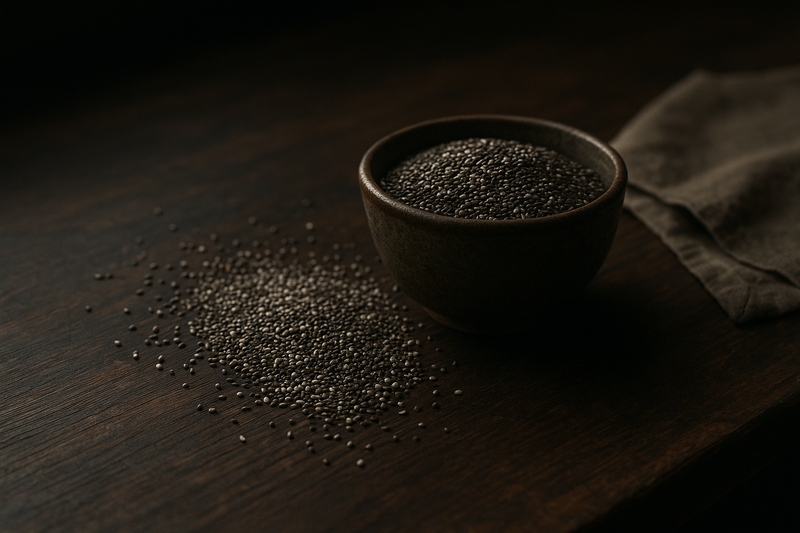
If your joints ache, your energy sags, or you simply feel puffy and "inflamed" without a clear diagnosis, no single food will fix that. The dietary pattern with the strongest evidence behind it centers on vegetables, fruit, legumes, whole grains, nuts, seeds, and olive oil, eaten regularly, with less ultra-processed food, added sugar, and refined starch. Diets built this way, most studied as the Mediterranean pattern, are linked to lower blood levels of inflammatory markers like C-reactive protein (CRP). Persistent or unexplained symptoms still need a clinician's evaluation, because food changes work over weeks and cannot rule out an underlying condition.
Key takeaways
- No single "anti-inflammatory" food has been shown to meaningfully lower inflammation on its own; the overall dietary pattern is what the evidence supports.
- Mediterranean-style eating, high in produce, legumes, whole grains, and olive oil, is associated with lower CRP and other inflammatory markers across multiple trials.
- Diets high in added sugar, refined starch, processed meat, and industrial trans fat are consistently linked to higher inflammatory markers.
- Dietary changes act gradually, over weeks to months, not overnight, and cannot replace medical evaluation for persistent symptoms.
- "Feeling inflamed" is not the same as lab-confirmed inflammation, and ongoing joint pain, swelling, fatigue, or digestive symptoms deserve a clinical workup.
Context and limits
Chronic low-grade inflammation is a biological process, not something most people can reliably feel. It's usually detected through blood tests such as CRP or interleukin-6 (IL-6), not through everyday sensations of puffiness or achiness. Those sensations have dozens of possible causes: poor sleep, dehydration, autoimmune disease, thyroid dysfunction, an infection, a food intolerance, or plain muscle soreness among them. So when someone says their body "feels inflamed," diet is one lever among many, and it is not a diagnostic tool. What research does show fairly consistently is this: dietary patterns rich in plants and unsaturated fats are associated with lower circulating inflammatory markers, while patterns heavy in refined carbohydrate, added sugar, and processed meat are associated with higher ones. A 2025 umbrella review of systematic reviews and meta-analyses, covering 225 primary studies, found that diets emphasizing fruits, vegetables, fish, and unrefined cereals were repeatedly linked to reduced circulating cytokines, the signaling proteins involved in inflammation. These are population-level associations and short-to-medium-term trial results, not guarantees for any one person, and they describe changes in blood markers, not cures for any disease.
What to try first
Before overhauling everything, two changes have the most consistent evidence behind them: adding more fiber-rich plants at most meals, and cutting back on added sugar and refined starch (white bread, pastries, sugary drinks). A six-month trial of Mediterranean-style eating in a Western population found measurable improvement in a validated dietary inflammatory index without requiring extreme restriction. Adding a source of omega-3 fat, like walnut or chia seeds, alongside more vegetables is a reasonable next step once that base pattern is in place.
A simple plate pattern
A workable template, adapted from USDA plate-based guidance and Mediterranean-pattern trials: fill half the plate with non-starchy vegetables and some fruit, a quarter with a whole grain or starchy vegetable like sweet potato, and a quarter with a plant protein such as lentils, beans, or tofu, or occasionally fish. Add a tablespoon or two of extra-virgin olive oil, a small handful of nuts or seeds, and herbs or spices rather than salt-heavy sauces. Repeated most days, this is close to what the underlying trials actually tested, not any single "anti-inflammatory" ingredient.
Foods to prioritize
- Leafy greens and colorful vegetables (spinach, peppers, carrots): rich in fiber and carotenoid antioxidants, linked to lower CRP in observational studies.
- Berries, including blueberry, and other whole fruit: provide fiber and polyphenols associated with lower inflammatory markers.
- Legumes (lentil, chickpea, black bean): fiber and plant protein that displace processed meat and refined starch in the pattern.
- Whole grains (oat, barley, quinoa): fiber sources tied to lower inflammatory biomarkers compared with refined grains.
- Nuts and seeds (walnut, chia seeds, flaxseed): omega-3 alpha-linolenic acid and unsaturated fat, part of the Mediterranean pattern's measured benefit.
- Extra-virgin olive oil, the primary added fat in most Mediterranean-pattern trials that found lower CRP and IL-6.
- Herbs and spices such as ginger and turmeric, commonly included in anti-inflammatory dietary pattern research, though isolated supplement doses are a separate question from culinary use.
Foods to adjust
Trial and cohort data most consistently link higher intake of these to higher inflammatory markers, so the practical move for most people is smaller portions and less frequency, not total elimination:
- Added sugars and sugar-sweetened beverages.
- Refined grains and pastries (white bread, most packaged baked goods).
- Processed and red meat, especially frequent large portions.
- Foods high in industrial trans fat (some fried and packaged snack foods).
- Excess alcohol intake, separately linked to inflammatory markers and other health risks.
A short action plan
- This week, add one extra serving of vegetables or legumes to lunch and dinner.
- Swap one refined-grain food most days for a whole-grain version (oats instead of sugary cereal, for example).
- Use extra-virgin olive oil as your primary added fat for cooking and dressings.
- Cut sugar-sweetened drinks back to occasional rather than daily.
- Reassess after 8 to 12 weeks. If symptoms persist or worsen, bring a symptom log to a clinician rather than continuing to adjust diet alone.
Red flags: when to seek care
Diet changes are not a substitute for diagnosis. Contact a healthcare provider if you notice any of the following, since they can signal something beyond everyday dietary inflammation:
- Joint swelling, redness, or warmth, especially if it is new, one-sided, or limits how you move a joint.
- Unexplained weight loss, persistent fever, or drenching night sweats.
- Blood in stool, black or tarry stools, or a persistent change in bowel habits.
- Fatigue severe enough to interfere with daily function, especially if it's new and unexplained.
- Any symptom that keeps worsening despite consistent dietary changes over several weeks.
These can reflect autoimmune disease, infection, thyroid disorders, or other conditions that need clinical testing, not dietary trial and error.
Bottom line
There is no single food that reliably reduces inflammation, and "feeling inflamed" is not something you can diagnose on your own. What the evidence does support is a consistent pattern: plants, legumes, whole grains, nuts, seeds, and olive oil in place of ultra-processed food and added sugar, sustained for weeks to months. That pattern is associated with lower inflammatory blood markers across multiple trials. It's a reasonable, low-risk place to start alongside, not instead of, medical evaluation for persistent or severe symptoms.
Frequently asked questions
Can food alone cure chronic inflammation?
No. Diet may help shift measurable inflammatory markers over time as part of an overall pattern, but it cannot cure autoimmune disease, infection, or other underlying causes of inflammation. Persistent symptoms need a clinical workup.
How long before dietary changes show any effect on inflammation?
Trials that found changes in inflammatory markers typically ran 6 to 12 weeks or longer. Expect gradual change, not a same-week difference in how you feel.
Are anti-inflammatory supplements as good as food?
The strongest evidence supports whole dietary patterns, not isolated supplements. Some ingredients studied as supplements, like concentrated turmeric extract, use doses far higher than culinary amounts, and supplement use should be discussed with a clinician, particularly alongside existing conditions or medications.
Is dairy or gluten always inflammatory?
Not for most people. Research supporting an anti-inflammatory pattern does not require eliminating dairy or gluten unless someone has a diagnosed sensitivity, allergy, or condition like celiac disease, in which case a clinician's guidance applies.
What if I already eat well but still feel inflamed?
That's a reason to see a clinician, not to restrict further. Ongoing symptoms despite a reasonable diet can point to a condition that needs testing and treatment beyond food.
Sources and evidence
- Anti-inflammatory dietary patterns, umbrella review of systematic reviews and meta-analyses
- Harvard Health, foods linked to fighting inflammation
- Harvard T.H. Chan School of Public Health, anti-inflammatory diet review
- Arthritis Foundation, anti-inflammatory diet do's and don'ts
- MedLey study, six-month Mediterranean diet and dietary inflammatory index
- Anti-inflammatory diets and cardiovascular risk factors, systematic review and meta-analysis
- US Dietary Guidelines, food sources of fiber, government resource
Know Your Numbers
Eating healthy is a start. Now get to know your biomarkers.
Food changes bloodwork — inflammation, lipids, blood sugar and nutrient status all respond to what you eat. 59 markers from $59.
- Results in 7–10 days at 2,000+ Quest sites
- Licensed provider reviews every result
- One flat price, no membership, HSA/FSA eligible
Educational information only, not medical advice. Panels are ordered and reviewed through our licensed partner; Plantopedia may earn a commission.