High-Potassium Foods for Blood Pressure Support
Whole foods dense in potassium, think white beans, potatoes eaten with the skin, leafy greens like spinach and swiss chard, avocado, and dried apricots, can play a modest, supporting role in blood pressure management. Potassium helps the body excrete sodium and eases tension in blood vessel...
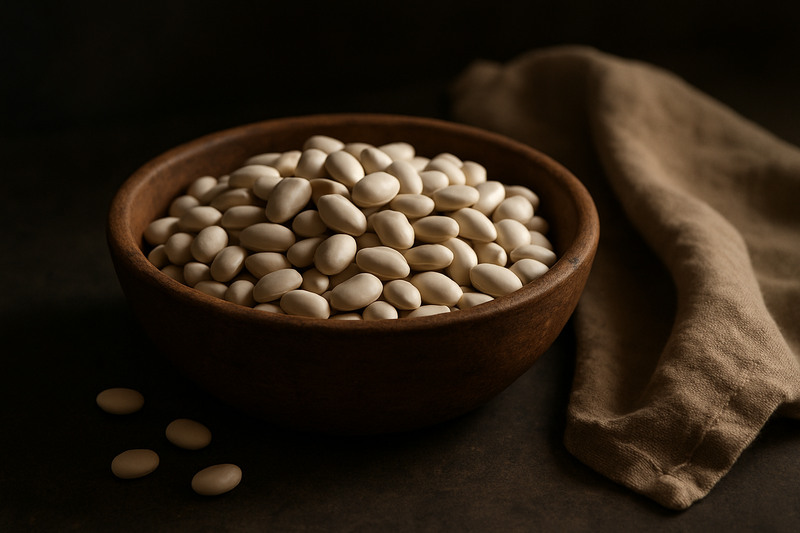
Whole foods dense in potassium, think white beans, potatoes eaten with the skin, leafy greens like spinach and swiss chard, avocado, and dried apricots, can play a modest, supporting role in blood pressure management. Potassium helps the body excrete sodium and eases tension in blood vessel walls. Most US adults fall well short of the recommended intake, 3,400 mg a day for men and 2,600 mg for women, and people actively managing high blood pressure often benefit from the higher end, 3,500 to 5,000 mg from food, according to the American Heart Association. This works best as part of a broader eating pattern, not a stand-alone fix, and it isn't safe for everyone: people with chronic kidney disease or on certain blood pressure medications need individualized guidance before deliberately increasing potassium.
Key takeaways
- Potassium helps blunt sodium's effect on blood pressure and supports relaxed blood vessel walls, but it works best inside a broader eating pattern, not as a stand-alone fix.
- Most US adults eat well under the recommended 2,600 to 3,400 mg of potassium a day, mainly because produce, beans, and whole grains are underrepresented in typical diets.
- Per-serving potassium leaders include white beans, potatoes with the skin, leafy greens, avocado, and dried apricots, several of which outrank a banana.
- The DASH eating pattern, which pairs potassium-rich foods with reduced sodium, is what clinical trials actually link to measurable blood pressure drops, not any single ingredient.
- People with chronic kidney disease or those taking ACE inhibitors, ARBs, or potassium-sparing diuretics should talk to a clinician before increasing potassium intake, since their kidneys may not clear the excess.
How these foods were chosen
This list draws on three things: potassium content per typical serving from USDA FoodData Central and the Dietary Guidelines for Americans' food-source tables, the foods actually used in the DASH (Dietary Approaches to Stop Hypertension) trials that produced measurable blood pressure reductions, and practical availability, meaning foods a typical US grocery budget and kitchen can support regularly. Foods were prioritized when they delivered roughly 400 mg or more of potassium per realistic serving without a large sodium load in their unprocessed form, since sodium and potassium tend to act in opposite directions on blood pressure. Potassium supplements and salt substitutes are deliberately left off. Concentrated potassium chloride carries a real risk of dangerously elevated blood potassium if used by the wrong person, and the strongest blood pressure evidence is for whole foods eaten as part of a pattern, not isolated minerals.
The food list, and why each earns its place
- White beans (/food/white-beans): about 1,189 mg of potassium per cooked cup, more than most other legumes, plus fiber and plant protein that support the same DASH-style pattern.
- Potatoes with the skin (/food/potato): a medium potato provides roughly 900 mg of potassium, much of it concentrated just under the skin, so leaving it on matters.
- Sweet potato (/food/sweet-potato): a solid potassium source in its own right, and a lower-sodium swap for processed side dishes.
- Spinach (/food/spinach): cooked spinach delivers about 839 mg of potassium per cup.
- Swiss chard (/food/swiss-chard): among the more potassium-dense leafy greens, at roughly 960 mg per cooked cup.
- Avocado (/food/avocado): about 485 mg per half fruit, plus unsaturated fat that fits a DASH-style pattern.
- Banana (/food/banana): the familiar reference point, at roughly 420 mg per medium fruit, convenient, but not actually the most concentrated option on this list.
- Dried apricots (/food/dried-apricots): about 755 mg per half cup, though portion size matters since dried fruit is also concentrated in natural sugars.
How to actually use them
A baked potato eaten with the skin, topped with salsa instead of butter and salt, delivers more potassium than most people expect from a starchy food. Swapping a portion of rice or pasta for a cup of white beans in a weekly rotation adds both potassium and fiber. Adding a handful of spinach or chopped swiss chard to eggs, soups, or a grain bowl builds a daily habit rather than a one-off effort. Dried apricots work as a modest snack (about a quarter cup) added to a meal rather than a replacement for fresh fruit, given their sugar density. Canned beans are a legitimate shortcut: draining and rinsing them removes a meaningful share of added sodium while keeping most of the potassium and fiber intact. The consistent thread is cutting back on highly processed, high-sodium foods, deli meat, packaged snacks, canned soups with added salt, at the same time, since the DASH evidence pairs potassium-rich foods with lower sodium intake, not potassium alone.
Why the overall pattern matters more than any single food
No single food, however potassium-rich, reproduces the blood pressure reductions seen in DASH trials. Those trials tested a full eating pattern: fruits, vegetables, whole grains, legumes, nuts, seeds, and low-fat dairy, combined with reduced sodium, saturated fat, and added sugar, sustained over weeks. The benefit came from that entire combination, not from one high-potassium ingredient added to an otherwise unchanged diet. It's tempting to treat potassium like a supplement-style fix, eat one banana and expect a measurable result, but the evidence supports the opposite framing. Potassium-rich foods are one lever inside a broader pattern that also reduces sodium, increases fiber, and often supports weight management, all of which independently affect blood pressure. Anyone starting from a diet low in fruits, vegetables, and legumes will likely see more benefit from building the whole pattern gradually than from fixating on any single food on this list.
Who should adapt or be cautious
For most people with normal kidney function, higher dietary potassium from whole foods isn't dangerous, because healthy kidneys excrete the excess in urine, per the NIH Office of Dietary Supplements. That protective mechanism fails in specific situations, so "more potassium is always better" isn't a safe universal rule. People with chronic kidney disease often need to limit, not increase, potassium intake, because impaired kidneys can't clear excess potassium efficiently; this should be guided by a nephrologist or renal dietitian using actual lab values. People taking ACE inhibitors, angiotensin receptor blockers, or potassium-sparing diuretics (such as spironolactone or amiloride) are also at higher risk of hyperkalemia, elevated blood potassium, even at intakes that would be unremarkable for someone not on those medications. Older adults, people with diabetes-related kidney impairment, and anyone previously told their potassium was high on bloodwork fall into this same cautious category.
When to seek care
Contact your clinician before deliberately increasing potassium intake if you have chronic kidney disease, take an ACE inhibitor, ARB, or potassium-sparing diuretic, or have ever been told your potassium level was high. Ask whether you need a blood potassium check before and after a significant dietary change. Seek prompt medical attention, emergency care if severe, for symptoms that can signal dangerously high potassium: unusual muscle weakness or heaviness in the limbs, tingling or numbness, an irregular or unusually slow heartbeat, palpitations, or chest pain. These symptoms have other causes too, but hyperkalemia is serious and can affect heart rhythm, so it should never be assumed away, especially in someone with kidney disease or on the medications above.
Bottom line
Potassium-dense whole foods, beans, potatoes with the skin, leafy greens, avocado, and dried fruit in modest portions, are a reasonable, evidence-aligned way to support healthy blood pressure, but they work through the same mechanism DASH trials tested: as part of a broader pattern that also cuts back on sodium. They are not a substitute for prescribed blood pressure treatment, and higher potassium intake isn't appropriate for everyone. Build the pattern gradually, and if you have kidney disease or take medications that affect potassium handling, loop in your clinician first.
Frequently asked questions
Is it possible to get too much potassium from food alone?
In someone with normal kidney function this is uncommon, since the kidneys excrete the excess in urine. The bigger risk comes from concentrated supplements, or from eating potassium-rich foods while having reduced kidney function or taking medications that limit potassium excretion.
Are potassium supplements a better option than food?
Food is generally preferred. Whole foods release potassium gradually and come with fiber and other nutrients, while concentrated potassium supplements or salt substitutes carry a documented risk of dangerously high blood potassium if used inappropriately. Discuss any potassium supplement with a clinician first.
How quickly might a higher-potassium, DASH-style pattern affect blood pressure?
In the original DASH trials, measurable blood pressure reductions appeared within about two weeks of adopting the full eating pattern. Individual results vary with starting blood pressure, sodium intake, medication use, and overall diet quality.
Do canned beans still count toward potassium intake?
Yes. Draining and rinsing canned beans reduces much of the added sodium while retaining most of the potassium and fiber, making them a practical way to include this food group regularly.
Should I get a blood potassium test before changing my diet?
If you have kidney disease, take an ACE inhibitor, ARB, or potassium-sparing diuretic, or have a history of high potassium on bloodwork, yes, ask your clinician. For most healthy adults without these risk factors, a baseline test isn't typically required before eating more fruits, vegetables, and legumes.
Sources and evidence
- American Heart Association on potassium and blood pressure
- American Heart Association, a primer on potassium
- Dietary Guidelines for Americans, food sources of potassium
- NIH Office of Dietary Supplements, potassium fact sheet for health professionals
- Mayo Clinic on the DASH diet
- NHLBI, DASH eating plan guide to getting more potassium
- NCBI Bookshelf, potassium intake of the US population
Know Your Numbers
Eating healthy is a start. Now get to know your biomarkers.
Food changes bloodwork — inflammation, lipids, blood sugar and nutrient status all respond to what you eat. 59 markers from $59.
- Results in 7–10 days at 2,000+ Quest sites
- Licensed provider reviews every result
- One flat price, no membership, HSA/FSA eligible
Educational information only, not medical advice. Panels are ordered and reviewed through our licensed partner; Plantopedia may earn a commission.