Currants — health benefits and uses
Fiber + phytonutrients; use as a whole-food sweet, snack, or smoothie base
The Short Answer
Currants are nutrient-dense berries providing 181 mg of vitamin C per cup, which is 201% of your daily value. They contain high levels of anthocyanins and flavonols that support blood flow and help manage blood sugar responses.

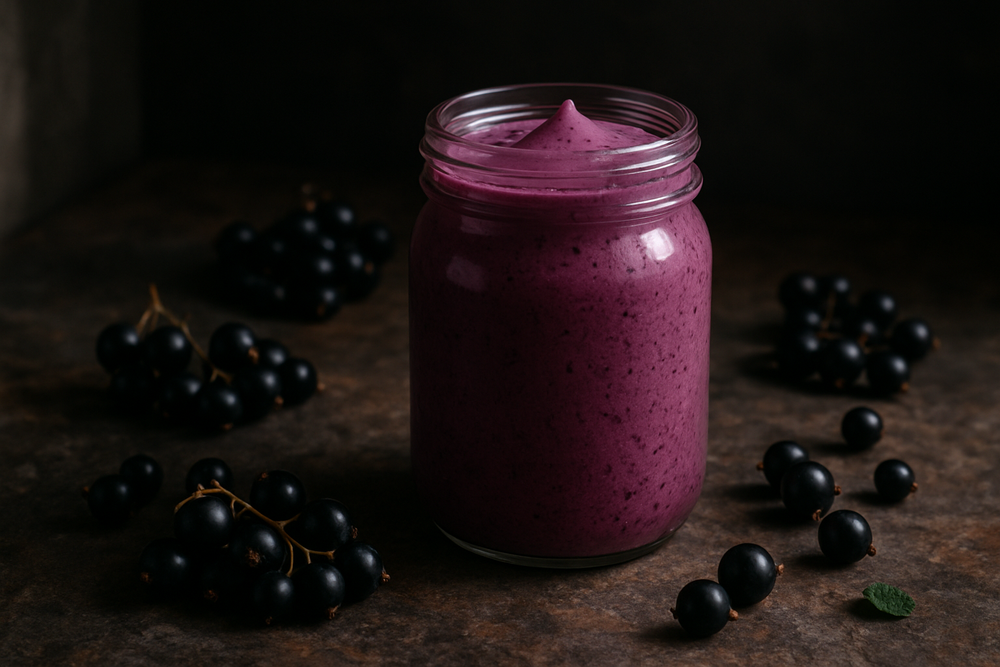
Currants · Photograph
Currants are small, tart berries that grow in clusters on shrubby plants belonging to the Ribes genus. The three main edible types are blackcurrants (Ribes nigrum), redcurrants (Ribes rubrum), and whitecurrants (a pale cultivar of redcurrant). They are widely grown across Europe, New Zealand, and parts of North America, and have a long history as both a food crop and a traditional remedy — though we now have actual research to work with.
Key Nutrients
% Daily Value based on 2,000 cal diet
Key active compounds (phytochemicals)
- Anthocyanins (delphinidin- and cyanidin-based glycosides) — water-soluble pigments that give blackcurrants their deep purple-black colour. The most-studied compounds in this berry; linked to improved blood flow, reduced post-meal glucose spikes, and lower oxidative stress in human trials.
- Flavonols (quercetin, myricetin, kaempferol) — a subclass of polyphenols found in the skins and flesh of all currant varieties. Contribute to antioxidant capacity and may support vascular and anti-inflammatory pathways.
- Proanthocyanidins — polymeric plant compounds (also found in cranberries and grape skins) that may inhibit certain bacteria from adhering to mucosal surfaces, with possible benefits for gut and urinary health.
- Phenolic acids (caffeic, ferulic, chlorogenic acids) — non-flavonoid polyphenols in the juice and flesh that add to antioxidant activity and may help modulate blood glucose responses.
- Vitamin C (ascorbic acid) — while technically a vitamin rather than a phytochemical, blackcurrants contain extraordinarily high levels (~181 mg per 100 g) that function as a powerful water-soluble antioxidant in the body.
- Gamma-linolenic acid (GLA) — an omega-6 fatty acid found specifically in blackcurrant seed oil (not the berry flesh). Studied separately for skin and inflammatory conditions; not present in meaningful amounts when you eat whole currants.
How Currants Compares
| Compared with | What's different |
|---|---|
| Currants vs. Zante Currant | A dried Zante grape, whereas true currants are fresh, tart berries from the Ribes genus. |
| Currants vs. Blackcurrant | Significantly higher in vitamin C and anthocyanins with a deep purple-black skin. |
| Currants vs. Blueberry | A separate genus (Vaccinium) with lower vitamin C and a sweeter, milder flavor profile. |
Health Benefits
Things to Know
Vitamin K and anticoagulants: Currants contain modest amounts of vitamin K, which can affect how vitamin K–antagonist medications (such as warfarin) work. The advice from most clinicians is to keep your intake of vitamin K–containing foods consistent rather than cutting them out entirely. Talk to your prescriber before significantly increasing your currant intake if you are on these medications.
Kidney disease or potassium restriction: Blackcurrants are a moderate potassium source (~322 mg per 100 g). If you have been advised to limit potassium — common in some stages of kidney disease — factor currant intake into your overall daily total.
History of kidney stones: Currants contain organic acids and small amounts of oxalate. Evidence specifically on currants is limited, but people with a history of calcium oxalate kidney stones are generally advised to moderate oxalate-containing foods and stay well hydrated.
Berry allergies: Allergic reactions to currants are rare but
Shop This Ingredient
Stock your pantry with quality currants.
Buy on AmazonAs an Amazon Associate, Plantopedia earns from qualifying purchases. This costs you nothing extra and helps us keep the encyclopedia free.
Frequently Asked Questions
Most of the human research involves blackcurrant juice or standardised anthocyanin extracts rather than whole fresh berries — and the doses used in trials are often higher than a typical food serving. This matters when interpreting results: effects observed in clinical studies should not be assumed to transfer directly from eating a small handful of berries. That said, whole currants eaten regularly as part of a varied, plant-forward diet contribute the same active compounds — alongside fibre that supplements lack — and are consistent with general evidence-based guidance to eat a variety of fruits daily. Heart and circulation Several small human trials suggest that blackcurrant products may support blood vessel function. In a randomised crossover trial of 14 healthy men, a single high-dose blackcurrant anthocyanin juice improved peripheral and cerebral blood flow and enhanced endothelial-dependent vasodilation (the ability of blood vessels to relax and widen) compared with a control drink. A separate acute crossover trial in 12 healthy subjects found that 142 mg of blackcurrant anthocyanins improved flow-mediated dilatation (FMD) — a standard measure of how well artery walls respond — without changing blood pressure. In adults with mildly elevated blood pressure, daily blackcurrant juice for six to eight weeks produced small reductions in systolic blood pressure (the top number) and improved measures of arterial stiffness in some studies, though results are not fully consistent and sample sizes are small. Practically: currants are a reasonable part of an overall fruit-rich dietary pattern that supports cardiovascular health. They are not a replacement for medication or other evidence-based interventions. Digestive health and microbiome Blackcurrants contain around 4.3 g of fibre per 100 g — a solid contribution given their small size. Dietary fibre supports regular bowel movements and feeds beneficial gut bacteria (a process called prebiotic fermentation). Some early studies using blackcurrant juice or polyphenol extracts have observed increases in Bifidobacterium species (a group of beneficial gut bacteria) after intake, though direct currant-specific clinical trials on digestive outcomes are limited. The combination of soluble and insoluble fibre in whole currants, alongside their polyphenol content, makes them a practical choice for supporting gut health as part of a plant-rich diet — even if currant-specific gut research is still developing. Blood sugar and metabolism Anthocyanin-rich blackcurrant extracts have shown ability to blunt post-meal blood glucose and insulin responses in healthy adults in small randomised trials. A mixed berry study that included blackcurrants reported a slower rise in blood glucose and insulin after a carbohydrate-containing meal compared with a sugar-matched control drink. These trial results use concentrated extracts, so the effect from a normal serving of whole currants will be more modest. However, whole currants eaten with their fibre intact — rather than juiced — will naturally slow glucose absorption, and their low-moderate glycaemic load makes them a sensible fruit choice for people managing blood sugar within a balanced diet. Inflammation and recovery In a small randomised placebo-controlled trial of 31 recreationally active men, seven days of blackcurrant extract (105 mg anthocyanins/day) reduced markers of oxidative stress (cellular damage from free radicals) and attenuated some inflammatory responses after exhaustive exercise compared with placebo. A separate trial found that a blackcurrant polyphenol drink reduced exercise-induced oxidative stress and neutrophil activity (part of the acute immune response to intense physical effort). These findings are promising but are based on supplement doses during intense exercise — not everyday food amounts at rest. Currants contribute to an antioxidant-rich dietary pattern that may support general recovery and reduce background inflammation over time, but they are not an anti-inflammatory treatment. A note on eye health and exercise performance Emerging human research (small trials) suggests blackcurrant anthocyanins may improve measures of visual fatigue and eye blood flow, and may increase fat oxidation during moderate exercise in trained athletes. These are secondary, niche areas of investigation. They are worth noting as interesting directions, but should not be presented as established benefits from eating everyday portions of currants.
The active person looking for everyday antioxidant variety Exercises regularly and wants a practical, whole-food way to add polyphenol diversity to their diet Finds blueberries or strawberries have become repetitive and is open to trying a tarter berry Interested in supporting recovery without relying on supplements The plant-forward eater focused on fibre and micronutrients Already eats a variety of vegetables and grains but wants to increase fruit diversity Looking to boost vitamin C intake from whole foods rather than supplements Cooking for others and wants versatile berries that work in both sweet and savoury recipes
Fresh currants The gold standard for vitamin C and fibre. Black, red, and white currants can be eaten straight from the bunch, added to oatmeal, stirred into yogurt, or used in sauces and compotes. Vitamin C is heat-sensitive and declines with prolonged cooking or storage, so eating them fresh gives you the most. Frozen currants Freezing preserves most anthocyanins and vitamin C, making this the most practical everyday option when fresh currants are out of season (which is most of the year outside of summer). Use straight from frozen in smoothies, sauces, and baked goods. Blackcurrant juice Used in the majority of human clinical trials. Convenient but lacks fibre and can contain added sugars. If choosing juice, look for 100% fruit versions with no added sugar and keep portions modest (around 150 ml). Dried Ribes currants More calorie-dense than fresh, with reduced vitamin C due to the drying process. Still provide fibre and some polyphenols. Much rarer commercially than fresh or frozen. A word on "currants" in the baking aisle The small dried fruits labelled "currants" in most supermarkets are Zante currants — dried Black Corinth grapes, botanically unrelated to Ribes berries. They are nutritionally closer to raisins. Both are fine foods, but they are not the same thing. Check the label if it matters. Blackcurrant extracts and seed oil Many clinical trials use standardised extracts providing 105–400 mg anthocyanins per day — far more than a typical food serving. These are supplement doses, not food doses. Blackcurrant seed oil (rich in GLA) is a separate product studied for skin conditions and is not equivalent to eating the berry. This guide focuses on whole-food currants.
Quick Answers
Common questions, answered in a line.
Blackcurrants are a powerful source of Vitamin C, containing approximately 181 mg per 100 g. This high concentration allows the berries to function as a potent water-soluble antioxidant that supports the body's immune system.
Blackcurrants contain anthocyanins that have been linked to improved blood flow, reduced post-meal glucose spikes, and lower oxidative stress in human trials. Additionally, their flavonols and phenolic acids contribute to antioxidant capacity and may support vascular health.
Currants can help manage blood sugar by reducing post-meal glucose spikes and using phenolic acids to modulate glucose responses. These effects have been observed specifically in human trials involving the water-soluble pigments found in the berries.
Gamma-linolenic acid (GLA) is an omega-6 fatty acid found specifically in blackcurrant seed oil, rather than the berry flesh. While the fruit itself does not contain meaningful amounts, the seed oil is studied separately for its effects on skin and inflammatory conditions.
People taking vitamin K-antagonist medications like warfarin should be consistent with their currant intake because the berries contain vitamin K. It is also advised that those with kidney disease or a history of calcium oxalate kidney stones consult a clinician due to the fruit's potassium and oxalate content.
Blackcurrants contain proanthocyanidins, which are polymeric plant compounds that may inhibit certain bacteria from adhering to mucosal surfaces. These compounds, also found in cranberries, are associated with potential benefits for both gut and urinary health.
For Readers in the USA
Local context — sourcing, seasonality, and regional notes.
Fresh currants are typically in season in the U.S. from late June through August, primarily grown in the Pacific Northwest, the Northeast, and the Upper Midwest. Many Americans are more familiar with dried Zante currants, which are actually small grapes, not true Ribes berries.
While specialty retailers like Whole Foods or local co-ops may carry fresh currants in summer, most Americans find them dried or frozen at major chains like Trader Joe's, Kroger, and Publix. True blackcurrant products are often sourced from specialty British or European import aisles due to historical U.S. farming bans.
Commercial cultivation of blackcurrants was banned federally until 1966 to protect the timber industry from white pine blister rust, and some states like New York and Maine still maintain specific regional restrictions. This history explains why currants are less common in the U.S. diet compared to Europe.
Look for the USDA Organic seal to ensure currants were grown without synthetic pesticides, and check labels for the 'Non-GMO Project Verified' mark if you are avoiding bioengineered ingredients. The FDA regulates currant-based supplements, like blackcurrant seed oil, under dietary supplement guidelines rather than as prescription drugs.
AI Clinical Review
- Clearly distinguishes true Ribes currants (black, red, white) from Zante “currants” (dried grapes), which matter nutritionally.
- Accurately highlights blackcurrants as vitamin C–rich, fiber‑containing berries with notable anthocyanins; red/white currants are milder but still nutritious.
- Sensibly frames research: many human studies use juice or standardized anthocyanin extracts, so food‑level effects are likely smaller; whole‑food patterns still matter.
- Practical guidance on forms (fresh/frozen best for nutrients; juice lacks fiber) aligns with general nutrition advice.
- Most trials are small, short‑term, and use concentrated extracts or high‑polyphenol drinks; translating outcomes to a typical serving of whole berries remains uncertain.
- Cardiovascular markers (e.g., flow‑mediated dilation, arterial stiffness) show promise, but consistent reductions in blood pressure or hard outcomes haven’t been established.
- Microbiome benefits are preliminary and largely inferred from polyphenol/fiber mechanisms rather than robust currant‑specific clinical trials.
- Early signals for eye fatigue/visual measures and exercise fat oxidation are exploratory and not ready for clinical claims.
- Food first: a practical serving is about ½–1 cup (75–150 g) fresh or frozen. Trial doses of extracts often provide ~105–400 mg anthocyanins/day—much higher than typical food intake and not a blanket recommendation.
- If you take warfarin or other vitamin K–antagonists, keep vitamin K intake consistent and coordinate with your clinician for INR monitoring.
- If you have chronic kidney disease or are on a potassium‑restricted plan, count currants toward your daily potassium; those with a history of calcium oxalate stones may wish to moderate portions and stay well hydrated.
- Allergies to currants are uncommon but possible; large amounts (especially juices) may cause gastrointestinal upset in sensitive individuals. Blackcurrant seed oil (GLA) is a different product from the fruit and has distinct considerations.
Frame as food education, not disease treatment.
References
- PMC, National Library of Medicine — Biological activities, therapeutic potential, and pharmacological aspects of blackcurrants (Ribes nigrum L): A comprehensive review (pmc.ncbi.nlm.nih.gov)
- PubMed — Anthocyanins content and antioxidant capacity of Corinthian currants (Vitis vinifera L., var. Apyrena) (pubmed.ncbi.nlm.nih.gov)
- PubMed — Effects of dietary Corinthian currants (Vitis vinifera L., var. Apyrena) on atherosclerosis and plasma phenolic compounds during prolonged hypercholesterolemia in New Zealand White rabbits (pubmed.ncbi.nlm.nih.gov)
- PubMed — The health benefits of blackcurrants (pubmed.ncbi.nlm.nih.gov)
- PMC, National Library of Medicine — Corinthian Currants Supplementation Restores Serum Polar Phenolic Compounds, Reduces IL-1beta, and Exerts Beneficial Effects on Gut Microbiota in the Streptozotocin-Induced Type-1 Diabetic R (pmc.ncbi.nlm.nih.gov)
- ScienceDirect — S2210803323002087 (sciencedirect.com)
- PMC, National Library of Medicine — The Current State of Knowledge on Ribes spp. (Currant) Plants (pmc.ncbi.nlm.nih.gov)
Know Your Numbers
Eating healthy is a start. Now get to know your biomarkers.
Food changes bloodwork — inflammation, lipids, blood sugar and nutrient status all respond to what you eat. 59 markers from $59.
- Results in 7–10 days at 2,000+ Quest sites
- Licensed provider reviews every result
- One flat price, no membership, HSA/FSA eligible
Educational information only, not medical advice. Panels are ordered and reviewed through our licensed partner; Plantopedia may earn a commission.