Pink Beans — health benefits and uses
Long a staple protein in Latin American home kitchens for affordable nourishment.
The Short Answer
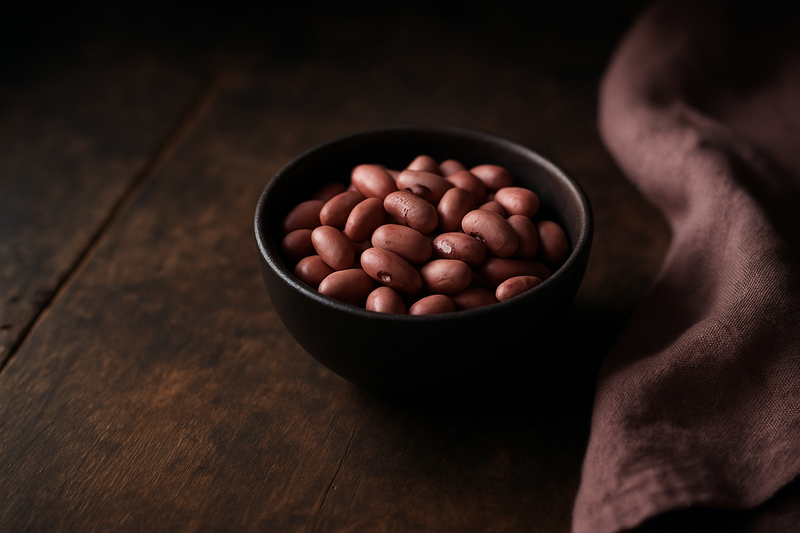
Pink beans are versatile, medium-sized legumes known for their smooth texture and ability to absorb savory flavors, making them a staple in Caribbean and Southwestern cuisine.
Pink Beans · Photograph
Discover the pink beans health benefits backed by research: heart-friendly fiber, plant protein, blood sugar support, and key minerals like iron and folate. Learn how to cook them, reduce gas, and add them to Caribbean and Southwestern meals.
Key Nutrients
% Daily Value based on 2,000 cal diet
Key active compounds
Pink beans contain several bioactive (biologically active) compounds beyond basic macronutrients:
- Resistant starch — A fraction of starch that skips digestion in the small intestine and arrives in the colon intact, where it feeds beneficial bacteria and may slow glucose absorption.
- Oligosaccharides (raffinose, stachyose) — Short-chain carbohydrates that act as prebiotics (food for beneficial gut bacteria) but can also cause gas and bloating in sensitive individuals. Soaking and discarding the water reduces them.
- Polyphenols (phenolic acids, flavonoids) — Antioxidant compounds found in the seed coat that may help reduce oxidative stress (cellular damage from unstable molecules) and support vascular health. Current evidence is largely from lab and animal studies.
- Phytates (phytic acid) — A naturally occurring compound in legumes and whole grains that can modestly reduce mineral absorption from the same meal but also has antioxidant properties. Soaking and cooking lower phytate levels.
Prep and pairing ideas
Pink beans are forgiving and versatile. Here are three practical pairings that work particularly well:
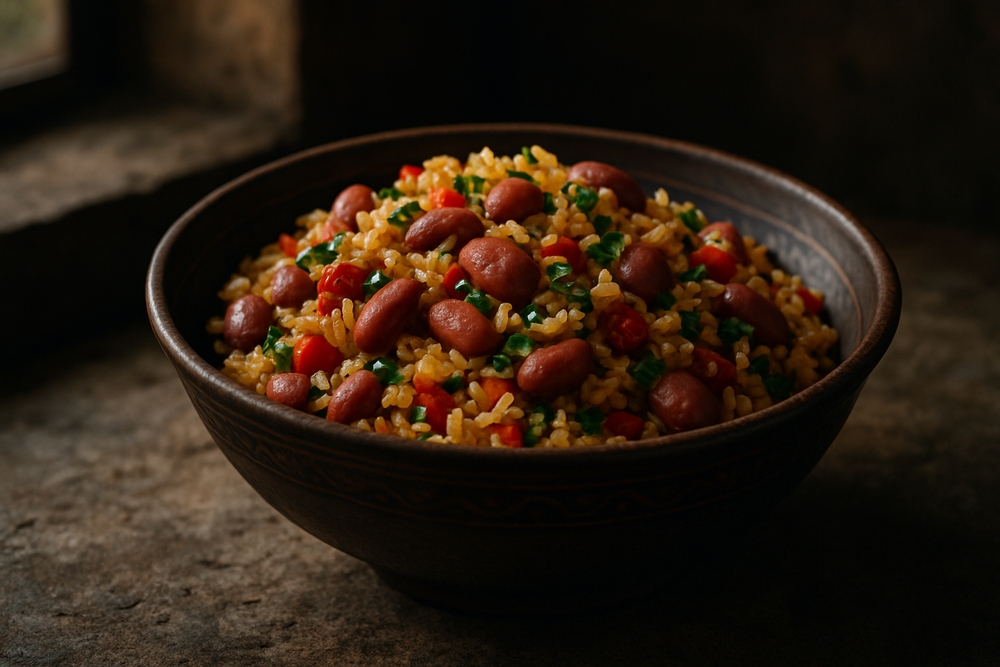
1. Pink beans + brown rice The classic combination. Legumes are generally low in the amino acid methionine, while grains are low in lysine. Together, they form a more complete amino acid profile. Using brown rice adds additional fiber and magnesium. This is the foundation of countless Caribbean and Latin American meals for good reason.
2. Pink beans + bell pepper or tomato (vitamin C sources) Plant-based iron (non-heme iron) is not absorbed as efficiently as iron from meat. Vitamin C dramatically improves non-heme iron absorption by converting it to a more bioavailable form. Adding diced bell pepper to your sofrito or squeezing lime juice over your beans significantly boosts the practical iron benefit of each serving.
3. Pink beans + wilted greens (spinach, kale) Cooking pink beans with or alongside leafy greens adds folate, calcium, and magnesium on top of what the beans already provide. The beans' starchy, creamy texture contrasts well with slightly bitter greens, and the fat from a small drizzle of olive oil helps absorb fat-soluble nutrients from both foods.
Simple prep steps:
- Rinse dry beans, cover with cold water (3:1 water to beans), and soak 8–12 hours.
- Drain, discard soak water, rinse again.
- Cover with fresh water, bring to a full boil for 10 minutes, then reduce to a gentle simmer.
- Cook 60–90 minutes until completely tender. Salt near the end of cooking (salting early can toughen the skin).
- Use immediately, refrigerate for up to 5 days, or freeze in portions.
Bottom line
Pink beans are one of the most nutritionally complete, affordable, and culturally rich whole foods you can add to your plate. Per cup of cooked beans, you get roughly 15 g of plant protein, 9 g of fiber, over two-thirds of your daily folate needs, and meaningful amounts of iron, magnesium, potassium, and copper.
The evidence connecting regular legume intake to better LDL cholesterol, blood sugar control, and digestive health is consistent across multiple human trials and systematic reviews — even if the data on hard outcomes like heart attacks remain in development. Pink beans share the same species (Phaseolus vulgaris) and nutritional profile as common beans studied in this research, making the inference reasonable.
They work best as part of an overall dietary pattern rather than a standalone fix. Cook them thoroughly, soak and discard the water if using dry beans, pair them with vitamin C sources to maximize iron absorption, and introduce them gradually if your gut is new to legumes.
Whether you are making habichuelas guisadas, a Southwestern grain bowl, or a simple pot of beans for the week, pink beans are a practical, evidence-aligned choice.
Explore more ways to eat for your health goals. Browse Plantopedia's ingredient guides by goal to find foods that support heart health, blood sugar balance, gut health, and more.
How Pink Beans Compares
| Compared with | What's different |
|---|---|
| Pink Beans vs. Pinto Beans | Pinto beans have a creamier, earthier texture compared to the firmer, meatier pink bean. |
| Pink Beans vs. Kidney Beans | Kidney beans are larger, thicker-skinned, and hold their shape better in long-simmering stews. |
Health Benefits
Things to Know
Start low, go slow.: If beans are not a regular part of your diet, introduce them gradually — ¼ cup a few times per week — and increase over several weeks to give your gut microbiome time to adapt.
Always cook thoroughly.: Raw or undercooked pink beans contain lectins that can cause nausea, vomiting, and diarrhea. Boiling is essential.
Soak and discard water.: This is the most effective single step for reducing gas-causing oligosaccharides before cooking.
Kidney disease.: Pink beans are high in potassium (859 mg per cup, 18% DV) and phosphorus (279 mg, 22% DV). People with chronic kidney disease (CKD) or on dialysis often need to limit these minerals and should consult their care team before increasing bean intake.
Potassium-sensitive medications.: ACE inhibitors, ARBs (common blood pressure drugs), and potassium-sparing diuretics can raise blood potassium. Adding a high-potassium food like pink beans should be discussed with your prescriber if you take these medications.
Warfarin and anticoagulants.: Pink beans contain a modest amount of vitamin K (6.4 mcg per cup). People on warfarin are advised to keep their vitamin K intake consistent day to day rather than avoid it, so portion consistency matters more than elimination.
IBS and sensitive digestion.: People with irritable bowel syndrome (IBS) — particularly those sensitive to FODMAPs (fermentable carbohydrates) — may find even soaked, well-cooked beans problematic. Smaller portions (¼ cup) and enzyme supplements (like alpha-galactosidase, sold over the counter) can help some people.
Medication absorption.: High-fiber meals can slow the absorption of some oral medications. As a general precaution, take medications 1–2 hours before or after a high-bean meal if your prescriber recommends timing flexibility.
Pregnancy.: Pink beans are excellent during pregnancy given their exceptionally high folate content (71% DV per cup). Folate is critical in early pregnancy for neural tube development. They are generally safe and encouraged as part of a balanced prenatal diet.
Prep Ideas
- — Rinse dry beans, cover with cold water (3:1 water to beans), and soak 8–12 hours.
- — Drain, discard soak water, rinse again.
- — Cover with fresh water, bring to a full boil for 10 minutes, then reduce to a gentle simmer.
- — Cook 60–90 minutes until completely tender. Salt near the end of cooking (salting early can toughen the skin).
- — Use immediately, refrigerate for up to 5 days, or freeze in portions.
Shop This Ingredient
Stock your pantry with quality pink beans.
Buy on AmazonAs an Amazon Associate, Plantopedia earns from qualifying purchases. This costs you nothing extra and helps us keep the encyclopedia free.
Frequently Asked Questions
Most evidence discussed below comes from studies on common beans (Phaseolus vulgaris) and mixed legumes. Pink beans share the same species and a very similar nutritional profile, so benefits are reasonably inferred — but large-scale trials using pink beans specifically do not yet exist. Heart and circulation A 2023 systematic review and meta-analysis of clinical and randomized controlled trials on common beans found that regular intake was associated with roughly a 19% reduction in LDL cholesterol (often called "bad" cholesterol) and was linked to an estimated 11% lower cardiovascular disease risk and 22% lower coronary heart disease risk in pooled analyses. These findings are promising, but the researchers noted that the data were heterogeneous (varied across studies) and largely based on surrogate endpoints — meaning measurable risk markers like cholesterol rather than actual heart attacks or strokes. A broader comprehensive review of legume consumption in adults concluded that while cohort (observational) evidence for reduced cardiovascular disease is still graded as limited, randomized trials consistently show improvements in blood lipids and blood pressure when legumes replace refined grains or animal proteins. Pink beans' combination of soluble fiber, resistant starch, and polyphenols provides a plausible biological basis for these effects. Digestive health and microbiome Pink beans provide roughly 9 g of fiber per cooked cup — about a third of most adults' daily target — split between soluble fiber (which forms a gel in the gut and slows digestion) and insoluble fiber (which adds bulk and keeps things moving). Observational evidence consistently links higher fiber and legume intake with reduced constipation and better overall gastrointestinal function. Beyond basic regularity, the resistant starch and oligosaccharides in pink beans serve as prebiotics, selectively feeding beneficial bacteria in the colon. When these bacteria ferment the fiber, they produce short-chain fatty acids (SCFAs) — compounds that help maintain gut lining integrity, support immune function, and may have broader metabolic effects. This is an active research area, and most evidence remains mechanistic or observational rather than from large, controlled human trials. Blood sugar and metabolism Pink beans are a low-glycemic food. Glycemic index (GI) refers to how quickly a food raises blood sugar compared to pure glucose. Beans' high fiber and resistant starch content slow the digestion and absorption of carbohydrates, which can blunt post-meal blood sugar spikes compared with refined grains or white rice. Harvard's Nutrition Source highlights legumes as a model food for blood sugar management, particularly when they replace higher-glycemic staples. A comprehensive review found that randomized trials show favorable glycemic outcomes when legumes are incorporated into cardioprotective dietary patterns. Cooking method matters here: plain boiled or stewed pink beans have a more favorable glycemic profile than refried beans made with significant added fat, which changes digestion dynamics. Overall meal composition also plays a large role. Inflammation and recovery Some clinical trials using common beans in heart-healthy dietary patterns have reported reductions in C-reactive protein (CRP) — a blood marker of systemic inflammation — but results are inconsistent. The potential anti-inflammatory effects of pink beans are biologically plausible given their fiber, resistant starch, and polyphenol content, all of which may modulate gut microbiota and oxidative stress pathways. However, current evidence is largely mechanistic or from small mixed-legume studies. Anyone interested in managing inflammation should view pink beans as a supportive dietary component within a broader anti-inflammatory pattern, not a standalone solution.
The budget-conscious plant-based eater Needs affordable, complete protein options to replace or reduce animal foods Pink beans deliver 15 g protein per cup at a fraction of the cost of meat or fish Pair easily with rice or corn to create a complementary amino acid profile (more on this below) The person managing cardiometabolic risk Wants to improve LDL cholesterol and blood pressure through food first Pink beans' soluble fiber and resistant starch are the mechanisms most supported by trial data The high folate content is an added benefit for cardiovascular health, since folate helps regulate homocysteine (an amino acid linked to heart disease risk when elevated)
Dry pink beans (soaked and boiled) Dry beans give you the most control. Soaking overnight and discarding the soak water reduces oligosaccharides (gas-causing compounds) meaningfully. After soaking, boil vigorously for at least 10 minutes and then simmer until fully tender. This step is non-negotiable: undercooked beans contain naturally occurring lectins (proteins that can irritate the gut lining), which are fully inactivated by proper boiling. Do not cook dry beans in a slow cooker without pre-boiling, as the temperature may not be sufficient to inactivate lectins. Canned pink beans (low-sodium) Canned beans are pre-cooked and perfectly safe. They are one of the most convenient whole foods available. Look for low-sodium or no-salt-added varieties. Rinsing canned beans under cold water for 30 seconds reduces residual sodium by roughly 40% and further lowers oligosaccharide content. Refried-style pink beans Pink beans mash beautifully and create a smooth, creamy texture when cooked. For a healthier profile, mash with a small amount of olive oil or avocado oil rather than lard, season generously with garlic, cumin, and onion. You get the classic Southwestern and Caribbean flavor with a much better fat composition. Stewed (habichuelas guisadas) Simmering pink beans with sofrito (a base of onion, garlic, peppers, and tomato), olives, and spices is the traditional Caribbean preparation. Served over rice, this makes a complete meal. Using bone broth or vegetable stock as the cooking liquid adds depth without significantly altering the nutritional profile. Label tip: When buying canned, check that the ingredient list contains only beans, water, and salt (or no salt). Avoid cans with added sugar, calcium chloride in large amounts, or preservatives you cannot identify.
There is no universal prescribed dose for pink beans specifically. Human studies and dietary guidelines generally incorporate ½ to 2 cups (about 90–340 g) of cooked legumes per day as part of cardioprotective or diabetes-preventive dietary patterns. For most adults, a reasonable starting range is: Beginners: ¼ cup cooked, 2–3 times per week, then build up over 4–6 weeks Regular bean eaters: ½ to 1 cup per meal, several times per week High-legume dietary patterns (Mediterranean, DASH, plant-based): Up to 1–2 cups daily as a protein staple More is not always better if digestive tolerance is an issue. Consistency over time matters more than quantity on any single day. Spreading bean intake across the week rather than eating a large amount all at once tends to produce better tolerance. If you have a medical reason to limit potassium, phosphorus, or fiber, work with a registered dietitian to find the portion that fits your specific situation.
Quick Answers
Common questions, answered in a line.
You can reduce gas from pink beans by soaking them for 8–12 hours and discarding the soak water before cooking in fresh water. This process helps remove oligosaccharides like raffinose and stachyose, which are the short-chain carbohydrates responsible for bloating in sensitive individuals.
Pink beans are highly beneficial during pregnancy because one cup provides over two-thirds (71% DV) of your daily folate needs. Folate is a critical nutrient for healthy fetal development, particularly for the neural tube during early pregnancy.
To maximize iron absorption from pink beans, you should pair them with foods high in vitamin C, such as bell peppers, tomatoes, or lime juice. Vitamin C converts the plant-based non-heme iron in the beans into a more bioavailable form that your body can absorb more efficiently.
Yes, it is essential to boil pink beans for at least 10 minutes because raw or undercooked beans contain lectins that can cause nausea, vomiting, and diarrhea. After the initial boil, you should reduce the heat and simmer them for 60–90 minutes until they are completely tender.
Pink beans are an excellent source of plant-based protein, providing approximately 15 grams per cooked cup. To create a more complete amino acid profile, the article recommends pairing them with grains like brown rice, which provides the methionine that legumes typically lack.
People with chronic kidney disease or those taking blood pressure medications like ACE inhibitors should consult a doctor before increasing pink bean intake due to their high potassium content. A single cup of cooked pink beans contains 859 mg of potassium, which may need to be limited in these specific health conditions.
Pink beans support heart health by providing a rich source of fiber, which is linked to better LDL cholesterol levels. Additionally, they contain antioxidant polyphenols and potassium, which help support vascular health and blood pressure management.
For Readers in the USA
Local context — sourcing, seasonality, and regional notes.
Pink beans are primarily grown in the Western United States, particularly in Idaho and Nebraska, where the climate supports dry bean production. While they are harvested in the late summer and fall, they are available as a shelf-stable dry or canned staple year-round at most American retailers.
Pink beans are widely available at major U.S. supermarkets like Walmart, Kroger, and Publix, often found in the Hispanic or "International" aisle under brands like Goya or Iberia. You can also find them at regional Southwestern grocers or organic markets like Whole Foods in both dry and canned formats.
In the U.S., pink beans are essential to Caribbean-American cuisine, particularly Puerto Rican "habichuelas guisadas," and are a staple in Old West-style "Santa Maria" barbecue. They are often used as a smoother, creamier alternative to pinto beans in Southwestern chili and refried bean recipes.
The USDA requires that all beans labeled "Organic" be grown without synthetic pesticides or GMOs, while the FDA provides guidance on thermal processing to ensure canned beans are safe from pathogens like botulism. Look for the USDA Organic seal if you want to ensure the beans meet federal organic standards.
AI Clinical Review
- The nutrition snapshot aligns with USDA data: pink beans are rich in plant protein, fiber, folate, copper, potassium, and magnesium per cooked cup.
- It accurately reflects human research on legumes/common beans showing improvements in LDL cholesterol and other cardiometabolic markers, plausibly driven by soluble fiber, resistant starch, and polyphenols.
- The digestive and microbiome section is well framed: prebiotic fibers and resistant starch promote short-chain fatty acids (SCFAs), and soaking/rinsing can reduce gas-causing oligosaccharides.
- Practical prep guidance is sound: canned beans are safe and convenient; rinsing lowers sodium; thorough boiling of dry beans is important to inactivate lectins; gradual intro helps tolerance. Pairing with vitamin C to enhance non‑heme iron absorption is a useful, evidence‑based tip.
- Few trials isolate pink beans specifically; most benefits are inferred from broader Phaseolus vulgaris or mixed‑legume studies. Reported effect sizes for LDL/CVD rely heavily on surrogate markers (e.g., cholesterol) rather than hard outcomes.
- Glycemic benefits vary with cooking method, portion size, and meal context. Refried or fat‑heavy preparations may change post‑meal responses, and glycemic index values for beans can differ across studies.
- Microbiome and anti‑inflammatory claims are biologically plausible but rest largely on mechanistic or small human studies; consistent effects on clinical endpoints remain to be confirmed.
- Phytate’s net impact on mineral status depends on overall diet quality and preparation methods; soaking/cooking lower phytate, but long‑term significance in diverse diets is still being clarified.
- Amounts used in research-backed patterns typically range from about ½ to 2 cups cooked legumes per day; beginners may do better starting with ¼ cup a few times weekly and increasing over 4–6 weeks.
- Safety and preparation: always cook dry beans thoroughly; avoid slow‑cooker‑only methods for uncooked beans; canned beans are pre‑cooked and safe. Soaking and discarding soak water can lessen GI discomfort; rinsing canned beans can cut sodium substantially.
- Check in with a clinician if you have chronic kidney disease or need to limit potassium/phosphorus, or if you take ACE inhibitors/ARBs or potassium‑sparing diuretics. People on warfarin should keep vitamin K intake consistent.
- For IBS/FODMAP sensitivity, smaller portions and, for some, alpha‑galactosidase may help. If advised by your prescriber, consider separating certain oral medications from high‑fiber meals by 1–2 hours.
Cook thoroughly; those prone to gas can reduce oligosaccharides by discarding soak water.
References
- USDA FoodData Central — Pink Beans, Mature Seeds, Cooked, Boiled Without Salt (fdc.nal.usda.gov)
- Harvard T.H. Chan School of Public Health Nutrition Source — Legumes and Pulses (nutritionsource.hsph.harvard.edu)
- CGIAR systematic review and meta-analysis: Common beans and health in humans (2023) — found ~19% LDL reduction and 11–22% lower CVD/coronary risk in pooled analyses (cgiar.org)
- PubMed — Comprehensive review of legume intake and cardiometabolic risk (2023) — cohort evidence limited but RCTs show improved lipids, blood pressure, and glycemic markers (pubmed.ncbi.nlm.nih.gov)
- PubMed — Meta-analysis on legume consumption and all-cause/cardiovascular mortality — legume intake did not increase CVD mortality and was associated with modest health benefits (pubmed.ncbi.nlm.nih.gov)
- Onlinelibrary.wiley.com — Legume consumption and mortality in PREDIMED Mediterranean cohort — higher legume intake linked to lower cancer mortality; complex findings for CVD (onlinelibrary.wiley.com)
- NDSU Extension — All About Beans — practical guidance on preparation, fiber, and reducing oligosaccharides (ndsu.edu)
- DaVita — Legumes: A Plant-Based Protein Powerhouse — kidney-specific safety considerations for legumes (davita.com)
- University Hospitals Health Library — Pink Beans Nutrition Facts (1 cup cooked) (uhhospitals.org)
Know Your Numbers
Eating healthy is a start. Now get to know your biomarkers.
Food changes bloodwork — inflammation, lipids, blood sugar and nutrient status all respond to what you eat. 59 markers from $59.
- Results in 7–10 days at 2,000+ Quest sites
- Licensed provider reviews every result
- One flat price, no membership, HSA/FSA eligible
Educational information only, not medical advice. Panels are ordered and reviewed through our licensed partner; Plantopedia may earn a commission.