Amla (Indian Gooseberry) Powder — health benefits and uses
A foundational Ayurvedic rejuvenating (rasayana) fruit.
The Short Answer
Amla powder is a potent antioxidant supplement made from dried Indian gooseberries, used primarily to support immune function, heart health, and blood sugar management.
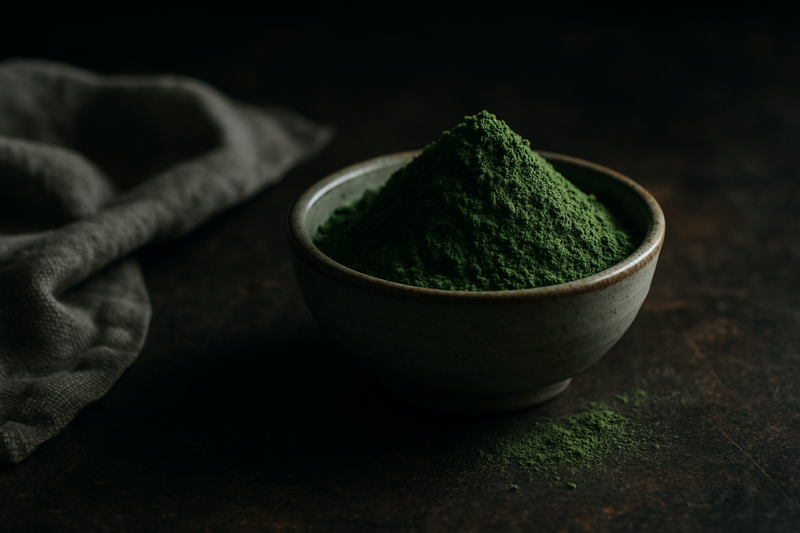
Amla (Indian Gooseberry) Powder · Photograph
Discover the science-backed amla powder benefits, uses, and side effects. Learn how this vitamin C-rich Indian gooseberry powder may support heart health, blood sugar, digestion, and immunity — plus safe daily dosage guidance and who should use caution.
Key Nutrients
% Daily Value based on 2,000 cal diet
Key active compounds in amla powder
- Vitamin C (ascorbic acid) — A water-soluble vitamin essential for collagen synthesis (the process that keeps skin, joints, and blood vessels structurally sound), immune defence, and protection against oxidative stress. Amla is noted as one of the richest natural food sources, though exact levels vary by processing method.
- Emblicanin A and B — Unique tannins (polyphenolic compounds with astringent properties that bind to proteins) found almost exclusively in amla; considered major contributors to its antioxidant capacity.
- Gallic acid and ellagic acid — Polyphenols with anti-inflammatory and antioxidant properties, studied for potential benefits in cardiometabolic health.
- Flavonoids — A broad group of plant pigments with vascular-protective and anti-inflammatory effects; support overall cardiometabolic health alongside other polyphenols.
- Dietary fibre — Non-digestible carbohydrates from plant cell walls that support gut motility, blood sugar buffering, and cholesterol metabolism.
- Organic acids — Contribute to amla's characteristic sourness and may play a role in its digestive effects.
Prep and pairing ideas
Amla powder's sourness is assertive — think somewhere between tamarind and green mango with an astringent finish. The key is to work with that flavour rather than against it.
Amla morning tonic: Stir ½ to 1 teaspoon into a glass of warm water with a small squeeze of lemon and a pinch of raw honey. The acidity becomes pleasant and refreshing, and the honey softens the astringency. This is the most common traditional intake method.
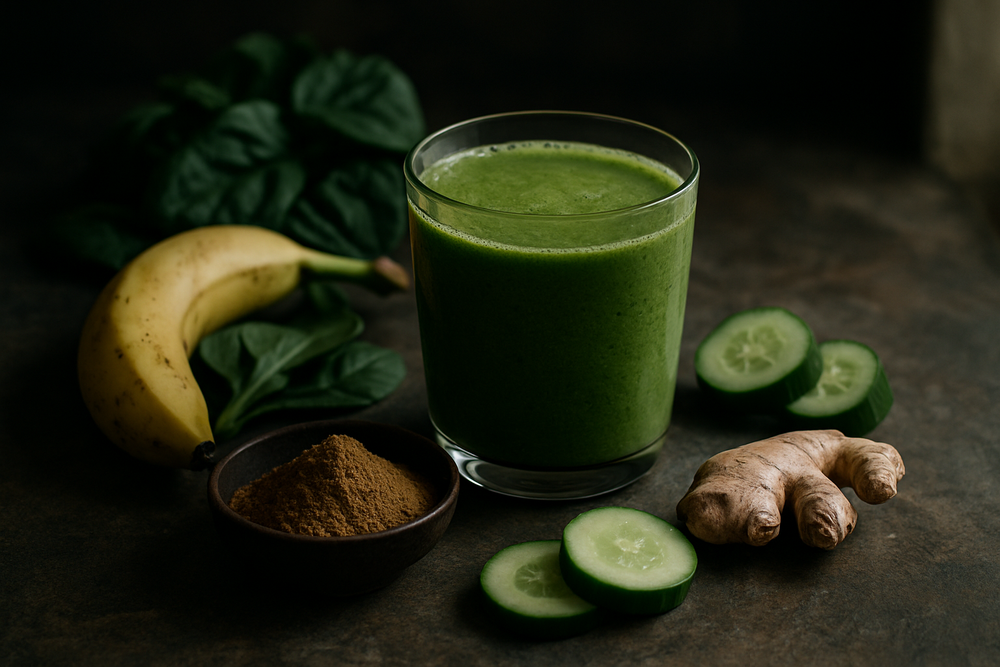
Green smoothie booster: Blend ½ teaspoon into a smoothie with banana, spinach, cucumber, and ginger. The banana sweetness and ginger warmth balance the sour notes beautifully while adding complementary potassium and digestive support.
Savoury green chutney: Combine 1 teaspoon amla powder with fresh coriander, mint, green chilli, garlic, and a pinch of cumin — blend with a little water. This is a classic South Asian preparation that spreads on flatbreads, dollops onto lentil dishes, or sits alongside grilled vegetables. The savoury context completely reframes the sourness as bright and appetising.
Why these pairings work: Banana and honey blunt astringency; ginger adds digestive synergy; coriander and mint share anti-inflammatory polyphenol territory with amla; lemon's own vitamin C and acids complement rather than clash with amla's profile.
Bottom line
Amla powder earns its place in a food-as-medicine pantry. Of all the botanical powders with Ayurvedic roots, few have accumulated as coherent a human-evidence base: the lipid and blood sugar benefits are supported by randomised controlled trials and backed by a 2023 meta-analysis. The antioxidant and immune-supporting properties align with well-established nutritional science around vitamin C and polyphenols. And at 1–3 g per day, the safety profile is favourable for most healthy adults.
What it is not: a cure, a replacement for medications, or a guaranteed outcome. Evidence base is real but still modest in scale — most trials ran for weeks, not years, and involved small to medium groups. It is best viewed as a meaningful dietary addition with a strong traditional track record and a growing modern evidence base, rather than a pharmaceutical-grade intervention.
Stir it into your morning water, blend it into a smoothie, or fold it into a chutney. Keep the dose to about a teaspoon a day. If you are on medications that affect blood sugar, blood pressure, or clotting, loop in your doctor first.
How Amla (Indian Gooseberry) Powder Compares
| Compared with | What's different |
|---|---|
| Amla (Indian Gooseberry) Powder vs. Camu Camu Powder | Sharply sour and astringent, whereas camu camu is fruity and tart. |
| Amla (Indian Gooseberry) Powder vs. Cinnamon Powder | Derived from a fruit, providing more vitamin C than the bark-derived cinnamon. |
| Amla (Indian Gooseberry) Powder vs. Turmeric Powder | Offers a tangy, citrus-like flavor compared to the earthy bitterness of turmeric. |
Health Benefits
Things to Know
Blood sugar medications: Amla can modestly lower blood glucose. If you take insulin, metformin, sulfonylureas, or other antidiabetic drugs, monitor your blood sugar closely and let your doctor know — dose adjustments may be needed.
Blood pressure medications: Amla's cardiometabolic effects could theoretically augment blood-pressure-lowering drugs. Monitor blood pressure if you use both.
Anticoagulants and antiplatelets (e.g., warfarin, direct oral anticoagulants, aspirin): Amla's strong antioxidant and vascular activity raises theoretical concern for additive effects on bleeding; use under medical supervision.
Lipid-lowering medications (statins, fibrates): Combined use may augment drug effects; coordinate with your clinician.
Acid reflux, gastritis, or peptic ulcer: Amla's sourness can worsen symptoms. Take with food, start with small amounts, and avoid it on an empty stomach.
Pregnancy and breastfeeding: Food-level amounts (a small pinch in cooking) are generally considered safe. Higher supplemental doses lack targeted safety data; consult your healthcare provider.
Children under 5: Lower doses and medical oversight are recommended for supplemental use beyond food amounts.
Proton pump inhibitors and antacids: The high acidity may complicate acid-related conditions; assess individually with a clinician.
Start low: Begin with ¼ to ½ teaspoon per day to assess tolerability before increasing.
Glossary
Shop This Ingredient
Stock your pantry with quality amla (indian gooseberry) powder.
Buy on AmazonAs an Amazon Associate, Plantopedia earns from qualifying purchases. This costs you nothing extra and helps us keep the encyclopedia free.
Frequently Asked Questions
Heart health and cholesterol This is where the human evidence for amla powder health benefits is strongest. In a controlled study testing 1, 2, or 3 g per day of amla fruit powder in both healthy volunteers and people with type 2 diabetes, all doses significantly reduced total cholesterol, LDL cholesterol (the "bad" kind), and triglycerides (blood fats), while improving HDL cholesterol (the "good" kind), after just 21 days. A separate multicenter, double-blind, placebo-controlled trial (the gold-standard study design) in adults with dyslipidaemia found that a standardised amla extract taken over 12 weeks improved the full cholesterol panel and reduced the ratio of harmful to protective lipoproteins. A 2023 systematic review and meta-analysis that pooled results from six randomised controlled trials confirmed these findings, concluding that amla supplementation broadly improves lipid profiles in adults. Amla should not replace prescribed lipid-lowering medications, but may complement them under medical supervision. Digestive health and microbiome Each teaspoon of amla powder delivers around 1.6 g of dietary fibre, which supports healthy bowel movement frequency and feeds beneficial gut bacteria (a process called prebiotic fermentation). Ayurvedic texts have described amla as a digestive tonic and mild laxative for centuries. Modern clinical evaluations of amla-containing preparations have reported improvements in digestive comfort, though most of these studies use amla alongside other botanicals, making it hard to isolate amla's specific contribution. Animal models suggest potential benefits for the gastric mucosal lining (the protective layer of the stomach wall) and gut microbiome diversity, but these findings still need robust human trials to confirm. The flip side: amla's intense acidity can aggravate acid reflux, gastritis (stomach lining inflammation), or peptic ulcers, particularly if taken in large amounts on an empty stomach. Blood sugar and metabolism The same 21-day human study that showed lipid benefits also measured blood sugar: at all three doses (1, 2, and 3 g per day), amla fruit powder produced significant reductions in both fasting blood glucose and 2-hour post-meal blood glucose compared to baseline. The 2023 meta-analysis corroborated a modest glucose-lowering effect across pooled randomised trials. Researchers propose that polyphenols like emblicanin A/B and gallic acid may improve insulin sensitivity (how well cells respond to the hormone insulin) and reduce glycation (the harmful binding of sugar molecules to proteins). Longer-term studies measuring HbA1c (a 3-month blood sugar average) are still limited, so the durability of this effect is not yet well established. Inflammation and recovery The 2023 meta-analysis also found reductions in C-reactive protein (CRP), a standard blood marker of systemic inflammation, in adults taking amla supplements compared to placebo. Smaller trials in people with dyslipidaemia and metabolic risk factors noted improvements in oxidative stress markers alongside the lipid and glucose changes. These are encouraging signals, especially for people whose baseline inflammation is driven by cardiometabolic risk factors. However, inflammation outcomes were secondary endpoints in most trials, and targeted studies in chronic inflammatory conditions remain sparse. Skin, immunity, and antioxidant protection Amla's high vitamin C content supports two well-established biological pathways: collagen synthesis (vitamin C is a required co-factor in the enzyme that builds collagen, the structural protein in skin, joints, and blood vessels) and immune cell function. These are not speculative benefits — vitamin C's role in both processes is biochemically confirmed. Amla also provides a broader set of polyphenols that vitamin C alone cannot replicate, which may explain why whole-amla preparations outperform isolated vitamin C supplements in some antioxidant assays. Clinical evidence for skin glow or hair growth specifically from amla powder is currently limited to small studies and traditional documentation; controlled trials are ongoing.
The two main options most people encounter are plain fruit powder (sometimes called churna in Ayurvedic tradition) and standardised extract capsules or tablets. Plain fruit powder is the whole-food option: it retains the full spectrum of fibre, polyphenols, and organic acids found in the dried fruit. Most of the clinical trials using 1–3 g per day used this form or a very close equivalent. It is the most versatile — you can stir it into warm water, blend it into a smoothie, or mix it into savoury sauces — and it fits naturally into a whole-food plant-based diet. Standardised extracts (typically 500 mg–2 g per day in capsule or tablet form) are concentrated for specific polyphenols such as emblicanin and beta-glucogallin. These were used in the multicenter dyslipidaemia trial and offer more precise dosing for people using amla therapeutically rather than culinarily. The tradeoff is that fibre is reduced or absent, and whole-food synergies may be diminished. Culinary use (in chutneys, tonics, herbal drinks) provides lower, food-level doses spread across the day. This is probably the safest entry point for most people and is how the ingredient has been used in South Asian cuisine for millennia. Combination formulas like Triphala (a traditional Ayurvedic blend of amla, bibhitaki, and haritaki) are popular but make it difficult to attribute effects specifically to amla. Topical preparations (hair masks, skin pastes) are common but not well studied in controlled trials; skin irritation is possible, especially at high concentrations.
The heart-health-focused eater Already eating a largely plant-based diet and looking for evidence-backed additions Has borderline cholesterol or triglyceride levels and wants dietary support alongside lifestyle changes Willing to stir a teaspoon of tart powder into their morning routine without expecting overnight miracles The antioxidant-curious but supplement-sceptical Prefers getting nutrients from whole foods rather than isolated vitamins Curious about vitamin C from food sources versus synthetic supplements Interested in traditional food systems with a growing evidence base behind them
Most human clinical trials used 1–3 g per day of amla fruit powder — roughly ½ to 1 level teaspoon — for periods of 3 to 12 weeks. This is the best-studied range and corresponds to the intakes showing benefits for cholesterol, blood sugar, and CRP. Traditional and wellness sources sometimes suggest up to 3–5 g per day (about 1 teaspoon), while standardised extracts used in trials were often 500 mg–2 g per day due to their higher polyphenol concentration. Practical guidance: Start: ¼ teaspoon (approx. 1 g) per day for the first week to check tolerability Maintenance range: ½ to 1 teaspoon (1–3 g) per day for most adults Upper limit to watch: Above 5–10 g per day, the risk of GI discomfort, loose stools, and excessive acidity increases meaningfully Timing: Many traditional systems suggest between meals or on a light stomach; if you have reflux, take it with food Consistency matters more than dose: Daily use at moderate amounts appears more beneficial than occasional large doses There is no universally agreed official upper limit from major regulatory bodies specifically for amla powder. If you are using it for a specific health goal alongside medications, work with a healthcare provider.
Quick Answers
Common questions, answered in a line.
Amla powder has a sharp, assertive sourness similar to tamarind or green mango with a distinct astringent finish. This characteristic tartness comes from its high concentration of organic acids and vitamin C.
Amla powder is an exceptional source of vitamin C, emblicanin A and B tannins, gallic acid, ellagic acid, flavonoids, and dietary fiber. These active compounds work together to provide antioxidant protection and support cardiometabolic health.
The most common way to take amla powder is by stirring ½ to 1 teaspoon into warm water with a squeeze of lemon and a pinch of honey. You can also blend it into green smoothies with banana and ginger or mix it into savory green chutneys to balance its sour flavor.
Amla powder may lower blood glucose levels, so individuals taking insulin or antidiabetic drugs like metformin should monitor their blood sugar closely. Because it can affect blood pressure and clotting, those on anticoagulants or blood pressure medications should consult a doctor before use.
If you have acid reflux, gastritis, or peptic ulcers, you should take amla powder with food and avoid consuming it on an empty stomach. Its high acidity and sourness can potentially worsen symptoms of these digestive conditions.
While small food-level amounts of amla are generally considered safe, there is a lack of targeted safety data for higher supplemental doses during pregnancy or breastfeeding. It is best to consult a healthcare provider before using it as a supplement during these times.
It is best to start with a low dose of ¼ to ½ teaspoon per day to assess your personal tolerability. Most healthy adults can gradually increase this to a standard daily intake of 1–3 grams, or approximately one teaspoon.
For Readers in the USA
Local context — sourcing, seasonality, and regional notes.
In the U.S., you can find amla powder at major health food retailers like Whole Foods Market and Sprouts, as well as local Indian grocery stores (Desi markets). Online retailers like Amazon and Vitacost also carry a wide variety of USDA Organic certified brands.
When shopping for amla powder in the US, look for the USDA Organic seal to ensure the product was grown without synthetic pesticides and meets federal organic standards. Third-party certifications like Non-GMO Project Verified or USP can also provide extra assurance of purity and quality.
While most amla powder in the U.S. is imported from India, fresh amla is occasionally grown in USDA hardiness zones 10 and 11, such as parts of Southern Florida, California, and Hawaii. Fresh fruit is typically in season during the winter months, from December through February, at specialty international markets.
The U.S. Food and Drug Administration (FDA) regulates amla powder as a dietary supplement rather than a drug, meaning it is not "FDA-approved" for treating specific diseases. Consumers should choose reputable brands that follow Current Good Manufacturing Practices (cGMP) to ensure label accuracy.
AI Clinical Review
- Clearly explains that amla is a whole‑food source of vitamin C plus polyphenols, and that benefits seen in studies likely reflect this “package” rather than isolated vitamin C alone.
- Accurately summarizes human evidence: multiple randomized trials and a 2023 meta‑analysis show modest improvements in LDL, total cholesterol, triglycerides, and small reductions in fasting glucose at 1–3 g/day over 3–12 weeks.
- Sensibly positions amla as an adjunct to (not a replacement for) standard care, and gives practical, food‑first ways to use it with a reasonable starting dose (about ¼–½ tsp, building to ½–1 tsp daily).
- Notes real‑world issues like variability in vitamin C with processing and the difference between whole‑fruit powder and standardized extracts.
- Most trials are small, short, and heterogeneous; hard clinical endpoints (e.g., cardiovascular events) and longer outcomes (e.g., HbA1c over ≥3 months) are limited.
- Equivalence between whole‑fruit powder and standardized extracts is unclear; lack of fiber in extracts may alter metabolic effects, and dose conversions aren’t firmly established.
- Digestive and microbiome claims are plausible but rest largely on traditional use, animal studies, or multi‑herb formulas—more isolate human data are needed.
- Topical (skin/hair) benefits remain mostly anecdotal; high‑quality human trials are sparse.
- Typical studied intake is 1–3 g/day (about ½–1 tsp). Start lower to assess tolerance; the sour/astringent profile can aggravate reflux or gastritis—taking with food may help.
- If you use diabetes medications (insulin, sulfonylureas, metformin), monitor closely when starting, as amla can further lower glucose. Similar caution if you’re on lipid‑ or blood‑pressure‑lowering drugs.
- On anticoagulants or antiplatelets (e.g., warfarin, DOACs, aspirin)? Discuss with your clinician due to potential additive effects on bleeding risk.
- Pregnancy, breastfeeding, and young children: keep to culinary amounts unless advised otherwise. If you have a history of calcium‑oxalate kidney stones, discuss concentrated vitamin C–rich supplements with your clinician. Choose reputable brands and look for third‑party testing, as potency can vary by processing and storage.
Very sour and astringent; may lower blood sugar in large amounts.
References
- USDA FoodData Central — Indian gooseberry, dried (nutrition data) (fdc.nal.usda.gov)
- Human RCT: Amla fruit powder reduces cholesterol and blood glucose in healthy and diabetic subjects (PubMed 21495900) (pubmed.ncbi.nlm.nih.gov)
- Multicenter double-blind RCT: Standardised amla extract improves lipid profiles in dyslipidaemic adults (PMC6341673) (pmc.ncbi.nlm.nih.gov)
- Clinical evaluation of Emblica officinalis (Amla) — human study on metabolic markers (PMC6926135) (pmc.ncbi.nlm.nih.gov)
- 2023 Systematic review and meta-analysis: Amla reduces LDL, total cholesterol, triglycerides, and CRP in RCTs (ScienceDirect) (sciencedirect.com)
- NIH review: Functional and nutraceutical significance of amla — comprehensive review of bioactive compounds and evidence (PMC9137578) (pmc.ncbi.nlm.nih.gov)
- Dr Stanfield: Amla benefits, forms, dosing, and side effects — safety and dosage summary (drstanfield.com)
- Amla Green: Ideal daily amla dose — practical dosage guidance (amlagreen.com)
- Deep Ayurveda: Amla powder benefits, uses, nutrition, and safety guide (deepayurveda.com)
Know Your Numbers
Eating healthy is a start. Now get to know your biomarkers.
Food changes bloodwork — inflammation, lipids, blood sugar and nutrient status all respond to what you eat. 59 markers from $59.
- Results in 7–10 days at 2,000+ Quest sites
- Licensed provider reviews every result
- One flat price, no membership, HSA/FSA eligible
Educational information only, not medical advice. Panels are ordered and reviewed through our licensed partner; Plantopedia may earn a commission.