Elderflower — health benefits and uses
Traditional European remedy for colds and seasonal congestion.
The Short Answer
Elderflower is a botanical used primarily in teas and cordials to support immune health and soothe cold symptoms due to its high concentration of antioxidant rutin and quercetin.
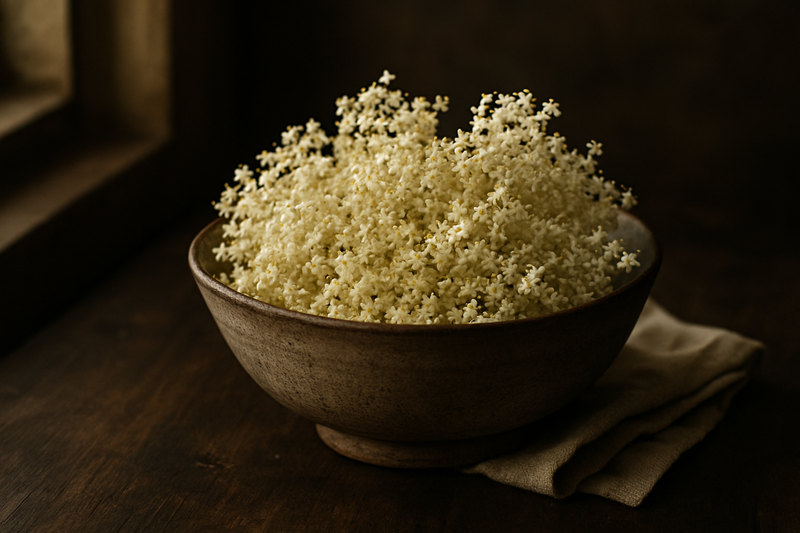
Elderflower · Photograph
Discover elderflower benefits, uses, and side effects — from immune-supporting teas to antioxidant-rich cordials. Learn what the science actually says, how much to use, and who should exercise caution with this delicate botanical.
Key Nutrients
% Daily Value based on 2,000 cal diet
Key active compounds in elderflower
- Rutin — A flavonol glycoside (a type of plant pigment bound to a sugar molecule) found in high concentrations in elderflowers. Associated with antioxidant, capillary-protective, and potential anti-inflammatory activity. It is one of the most studied compounds in the flower.
- Quercetin glycosides (including isoquercitrin) — Flavonoids derived from quercetin (a well-known antioxidant plant compound) attached to sugar molecules. May modulate inflammatory signalling and vascular function in experimental systems.
- Chlorogenic acid — A phenolic acid (a category of antioxidant plant compounds) formed from caffeic acid and quinic acid. Shows antioxidant properties and, in cell studies, has influenced glucose uptake and metabolic enzyme activity.
- Other phenolic acids (caffeic acid, ferulic acid) — Further support the overall antioxidant capacity of elderflower and may interact with inflammation-related signalling pathways.
- Essential oils — Contribute to the characteristic honeyed, floral aroma and are present in trace amounts in infusions; mainly relevant for culinary and fragrance applications.
Prep and pairing ideas
Elderflower is one of the most versatile culinary botanicals you can keep in your cupboard. Here are three practical ways to use it that go beyond the cordial bottle.
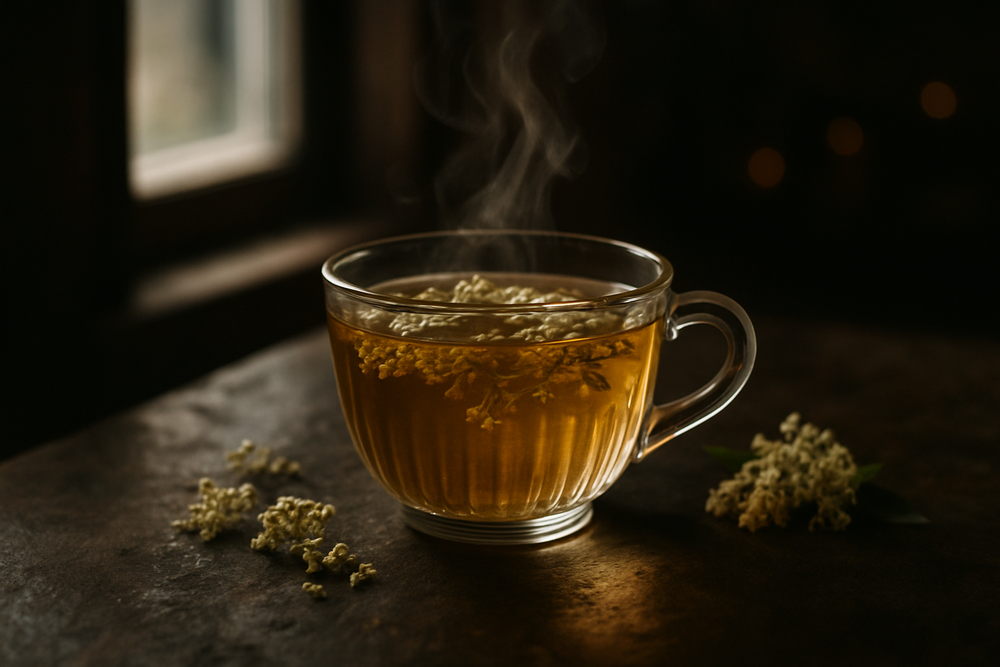
1. Classic elderflower tea for cold-season support Steep 2–3 g of dried elderflower (roughly one heaped teaspoon) in freshly boiled water for 10–12 minutes. Strain carefully — fine flower particles can slip through a loose strainer. Add a thin slice of fresh lemon and a little honey if desired. Drink warm, two to three times a day when you're feeling under the weather. The warmth of the liquid and the gentle aromatic compounds combine for a comforting effect that's stood the test of centuries.
2. Elderflower and peppermint cold relief blend Combine equal parts dried elderflower and dried peppermint leaf. Steep together for 12 minutes. Peppermint adds menthol — a compound known to ease nasal congestion — making this a complementary pairing for upper respiratory discomfort. Both herbs are mild and generally well tolerated.
3. Elderflower and lemon balm evening wind-down Pair dried elderflower with lemon balm (Melissa officinalis) for a caffeine-free evening infusion. Lemon balm has a mild calming reputation, and the floral sweetness of elderflower softens its slightly citrus-herb flavour. Not a sleep medication, but a pleasant pre-sleep ritual.
Bottom line
Elderflower is a genuinely interesting botanical — beautifully fragrant, deeply rooted in European herbal tradition, and equipped with a respectable polyphenol profile that gives researchers reason to keep studying it. The honest picture is this: the traditional use of elderflower tea for cold comfort and mild immune support is well established by centuries of practice and generally considered safe; the modern clinical trial evidence, particularly for specific outcomes like blood sugar control, inflammation markers, or heart health, remains early-stage and largely limited to cell studies.
That doesn't make elderflower useless — it makes it a traditional remedy with emerging mechanistic support rather than a proven therapeutic. A cup of elderflower tea during cold season is a pleasant, low-calorie, caffeine-free habit with a respectable safety record and a charming flavour. A cordial is a treat. A supplement is a reasonable option for those who want standardised dosing — with the caveat that you pick a reputable product specifying flowers only.
Just remember: flowers only, properly prepared. The rest of the elder plant is not for eating.
How Elderflower Compares
| Compared with | What's different |
|---|---|
| Elderflower vs. Elderberry | Elderflowers are used for floral syrups and teas, while berries must be cooked to remove toxins. |
| Elderflower vs. Chamomile | Elderflower has a honey-like floral scent; chamomile is more apple-like and herbaceous. |
| Elderflower vs. Hibiscus | Elderflower is used for respiratory support, while hibiscus is tart and used for blood pressure. |
Health Benefits
Things to Know
Raw plant parts are toxic.: Only dried, cooked, or otherwise processed elderflowers should be consumed. Raw elder leaves, stems, and unripe berries contain cyanogenic glycosides and must be avoided.
Pregnancy and breastfeeding: Not recommended. There is insufficient safety data, and most herbal monographs conservatively advise against use during pregnancy and lactation.
Allergy risk: People with sensitivity to plants in the Adoxaceae family, or who react to elderberry products, should approach elderflower with caution. Mild allergic reactions, skin sensitivity, and GI upset can occur.
Diabetes medications: Theoretical risk of additive glucose-lowering effects when elderflower is combined with antidiabetic drugs (insulin, sulfonylureas, metformin). Monitor blood sugar and inform your prescriber.
Immunosuppressive medications: Some elder preparations are marketed as immune-stimulating. If you take corticosteroids, calcineurin inhibitors, or biologics for an autoimmune condition, check with your doctor before using elderflower regularly.
Diuretics and antihypertensives: Traditional diaphoretic (sweat-promoting) and mild diuretic use of elderflower could modestly add to fluid-loss or blood pressure effects of prescription medications.
Start low: If you're new to elderflower infusions, begin with one cup per day and assess tolerance before increasing.
Glossary
Shop This Ingredient
Stock your pantry with quality elderflower.
Buy on AmazonAs an Amazon Associate, Plantopedia earns from qualifying purchases. This costs you nothing extra and helps us keep the encyclopedia free.
Frequently Asked Questions
Heart and circulation Elderflower's polyphenol content — particularly rutin and quercetin glycosides — has generated theoretical interest in cardiovascular support. Antioxidant flavonoids may help protect LDL cholesterol (low-density lipoprotein, often called "bad" cholesterol) from oxidation, a process considered relevant to artery health. However, the key word here is theoretical. Reviews of human studies involving Sambucus preparations found only a handful of small trials examining lipid profiles and vascular markers, and these did not show significant changes in serum lipids or major cardiovascular biomarkers. Elderflower can reasonably be described as a plant with cardiovascular potential, but it is not a proven heart supplement. Digestive health and microbiome Traditional European herbal medicine has long used warm elderflower infusions for mild digestive discomfort — think gentle soothing rather than active gut therapy. The European Medicines Agency's herbal assessment report on Sambucus nigra flos recognizes the plant primarily for its diaphoretic (sweat-promoting) and mild soothing actions rather than citing strong clinical trial data for specific digestive outcomes like irritable bowel syndrome or dyspepsia. A warm cup of elderflower tea after a meal is a pleasant, low-calorie ritual that may offer mild comfort, but it is not a substitute for evidence-based digestive treatment. Blood sugar and metabolism This is an area where elderflower research is showing genuine early promise. A cell study published in Nutrients found that phenolic compounds isolated from elderflowers enhanced glucose uptake in human skeletal muscle cells and influenced fatty acid uptake in liver-derived cells — mechanisms relevant to healthy blood sugar regulation. Chlorogenic acid and rutin, both abundant in elderflower, are among the compounds generating the most interest. That said, no controlled human clinical trials have yet demonstrated improved blood sugar, HbA1c (a longer-term blood sugar marker), or diabetes outcomes from elderflower preparations. These remain cell-lab findings only. People managing diabetes should never rely on elderflower as a primary or replacement treatment. Hormones and cycle health No significant evidence links elderflower specifically to hormonal or menstrual health outcomes. It does not appear in major herbal monographs for these applications. Inflammation and recovery Elderflowers contain high levels of polyphenols that reduce oxidative stress and modulate inflammatory pathways in vitro (in cell studies) and in animal models. These are legitimate findings that help explain why elderflower has been traditionally valued. However, a 2024 overview of Sambucus nigra berries and flowers noted that the few small human studies conducted did not show significant improvements in standard inflammatory markers — including C-reactive protein (CRP), IL-6, or TNF-α (proteins that act as inflammation signals in the body). So while the mechanistic story is compelling, the clinical story is still being written. Framing elderflower as "anti-inflammatory support" is reasonable as a traditional use description; claiming it definitively reduces inflammation in humans goes further than current evidence allows.
The cold-season tea drinker Already reaches for warm herbal teas when feeling run down Wants something with a long traditional track record and a pleasant flavour Values a low-calorie, caffeine-free option for evening comfort Benefits most from 2–3 cups of elderflower infusion per day using properly dried flowers The health-conscious home cook Uses food and flavour intentionally, exploring "food as medicine" ingredients Interested in adding polyphenol-rich botanicals to their kitchen repertoire Enjoys making homemade elderflower cordial or syrup (noting added sugar content) Can integrate elderflower alongside other anti-inflammatory herbs and whole foods for cumulative benefit
Buying guide Dried flowers (tea/infusion) — best for health goals Look for loose dried elderflower from a reputable herbal supplier. The colour should be pale cream to light yellow; darkened flowers may have degraded. Check the label for Sambucus nigra flos (Latin for elderflower) to confirm species. Organic certification reduces pesticide exposure on a flower that's typically not washed before drying. Steep 2–5 g in 150–200 ml just-boiled water for 10–15 minutes, strain well, and drink up to three times daily. Cordials and syrups — best for flavour, not therapeutic dosing Commercial elderflower cordials are made by steeping fresh or dried flowers with sugar and citric acid. They capture the aroma and deliver small amounts of phenolics, but the sugar content is substantial — a standard 25 ml diluted serving of cordial can contain 5–8 g of added sugar. They're a genuinely lovely culinary ingredient. They are not a route to meaningful therapeutic dosing. Liquid extracts and tinctures — middle ground Herbal assessment reports describe single doses of 2–5 ml elderflower tincture up to three times daily, though preparation strength varies widely. Look for standardized products from reputable herbal brands with clear botanical sourcing. Capsules and tablets — convenience, but check the label Supplement products typically provide 500–1000 mg of elderflower extract per capsule, often combined with elderberry or other botanicals. Clinical evidence for specific supplement dosing is limited. If choosing a capsule, look for products that specify the part of the plant used (flowers, not stems or leaves) and ideally a stated extract ratio. Avoid picking wild elderflower without botanical training. Misidentification is a real risk. The similar-looking but toxic water hemlock (Cicuta species) has caused poisonings in people foraging incorrectly.
Traditional herbal monographs — including the European Medicines Agency's assessment of Sambucus nigra flos — suggest a range of 6–15 g of dried elderflower per day, typically divided into two to three doses as tea or infusion. In practical terms, that translates to roughly 2–5 g per cup (one to two teaspoons), up to three cups daily. For most people exploring elderflower as a general wellness tea, one to two cups per day is a comfortable, reasonable starting point that stays well within traditional safe ranges. Liquid extracts follow different concentration rules; if you're using a tincture or commercial liquid preparation, follow the label dosing or the advice of a qualified medical herbalist. Elderflower cordial is not a substitute for herbal tea in terms of dosing. A diluted glass of cordial provides a pleasant flavour and trace phenolics, but the standardized therapeutic dose is based on the dried flower, not sugar-diluted preparations. If you are using elderflower therapeutically (for colds, inflammation support, or alongside other supplements), do not exceed traditional dose ranges without professional guidance, and avoid long-term high-dose use without supervision. Looking for a personalised guide to integrating botanical herbs into your health goals? Explore our goals section at Plantopedia.
Quick Answers
Common questions, answered in a line.
Elderflower contains several key antioxidants, most notably rutin, quercetin glycosides (like isoquercitrin), and chlorogenic acid. These phenolic compounds are associated with capillary protection and the modulation of inflammatory signaling in experimental systems.
Yes, raw elder plant parts, including leaves, stems, and unripe berries, contain toxic cyanogenic glycosides and should never be consumed. Only dried, cooked, or otherwise processed elderflowers are considered safe for human consumption.
Elderflower should be avoided during pregnancy and breastfeeding because there is currently insufficient safety data regarding its use. Most herbal monographs conservatively advise against using this botanical during these periods for safety reasons.
Elderflower may interact with diabetes medications, immunosuppressants, diuretics, and antihypertensive drugs. Because it may lower blood sugar or stimulate the immune system, you should consult a doctor if you take insulin, metformin, corticosteroids, or blood pressure pills.
To make elderflower tea, steep 2–3 grams (about one heaped teaspoon) of dried flowers in freshly boiled water for 10 to 12 minutes. Using a fine strainer is recommended to catch small flower particles, and you can add honey or lemon to taste for a traditional cold-season drink.
Elderflower is often paired with peppermint to help ease nasal congestion or with lemon balm to create a calming, caffeine-free evening ritual. Peppermint adds menthol for respiratory comfort, while lemon balm provides a mild citrus-herb flavor that complements the floral sweetness.
Elderflower is traditionally used to support the immune system during cold season and for its mild diuretic and diaphoretic (sweat-promoting) effects. While centuries of practice support its use for comfort, modern clinical evidence for specific health outcomes is still in the early stages.
For Readers in the USA
Local context — sourcing, seasonality, and regional notes.
In the United States, elderflowers typically bloom from late May through July, depending on the USDA hardiness zone. Foraging is most common in the Northeast, Midwest, and Pacific Northwest, where the American elderberry (Sambucus canadensis) grows wild in moist soils and along forest edges.
You can find elderflower products like St-Germain liqueur, Belvoir cordials, and dried teas at major U.S. retailers like Whole Foods Market, Trader Joe's, and specialty liquor stores. For culinary use, dried organic elderflowers are widely available through online apothecaries and at local health food cooperatives across the country.
Look for the USDA Organic seal to ensure your elderflower products were grown without synthetic pesticides or fertilizers. Additionally, when buying elderflower supplements in the U.S., check for "CGMP" (Current Good Manufacturing Practice) labels to ensure the product meets FDA quality standards for purity and identity.
While the European elder (Sambucus nigra) is the standard for most commercial cordials, the American elderberry (Sambucus canadensis) produces flowers with a very similar flavor profile and is the primary variety used by U.S. foragers. Both varieties require the same caution: only the creamy-white flowers should be used, as the stems and leaves contain cyanogenic glycosides.
AI Clinical Review
- Clearly distinguishes the safe part of the plant (properly dried/processed flowers) from toxic parts (raw leaves, stems, unripe berries).
- Accurately frames elderflower’s polyphenols (rutin, quercetin glycosides, chlorogenic acid) as mechanistically promising antioxidants with anti‑inflammatory potential, not proven clinical treatments.
- Positions hot elderflower tea as a traditional comfort for colds while noting most human data involve elderberry, not the flower.
- Provides practical guidance on forms: tea as the lower‑sugar option; cordials/syrups mainly culinary; supplements require label scrutiny for “flowers only.”
- Offers dosing consistent with herbal monographs (about 2–5 g per cup, up to three cups daily; total ~6–15 g/day).
- Cardiovascular and blood‑sugar benefits are based largely on lab and animal studies; controlled human trials have not shown consistent improvements in lipids, HbA1c, or standard inflammatory markers (e.g., CRP, IL‑6, TNF‑α).
- Anti‑inflammatory claims are plausible mechanistically but not confirmed in well‑designed human studies of the flower alone.
- No substantive evidence supports hormonal or menstrual benefits.
- Product variability (extract ratios, combined formulas with elderberry or other herbs) limits how confidently lab findings translate to specific commercial products.
- Safety: Use only properly dried/processed flowers; avoid raw plant parts due to cyanogenic glycosides. Start with 1–2 cups/day to assess tolerance; watch for rare allergy or GI upset.
- Dose ranges: Traditional guidance is 6–15 g dried flowers per day in divided infusions; liquid extracts vary—follow product directions or consult a clinician/herbalist.
- Who should check first: People who are pregnant or breastfeeding; those on diabetes medications, immunosuppressants, diuretics, or antihypertensives; and anyone with known elder/Adoxaceae allergies.
- Form matters: Cordials/syrups add meaningful sugar and are for flavor, not therapeutic dosing; tea is the most practical wellness form. Choose reputable brands that specify “flowers” and avoid foraging unless expertly trained.
Use only cooked/processed flowers; raw stems and unripe berries are toxic.
References
- USDA FoodData Central — elderflower nutritional data (fdc.nal.usda.gov)
- Elderflowers as a potential source of health-promoting compounds — systematic review (PMC, 2024) (pmc.ncbi.nlm.nih.gov)
- Effect of elderflower phenolics on glucose and fatty acid uptake in human muscle and liver cells — cell study (PMC, 2018) (pmc.ncbi.nlm.nih.gov)
- An evidence-based systematic review of elderberry and elderflower — PubMed (2014) (pubmed.ncbi.nlm.nih.gov)
- Comprehensive insight into elderflowers and elderberries — InTechOpen review (intechopen.com)
- EMA Assessment report on Sambucus nigra L., flos — regulatory herbal monograph (fitoterapia.net)
- Sambucus nigra Berries and Flowers Health Benefits: From Lab Testing to Human Consumption — overview (scribd.com)
- Elderflower — Uses, Side Effects, and More (WebMD/Natural Medicines) (webmd.com)
- Elderflower safety guide — how to eat this (howtoeatthis.com)
Know Your Numbers
Eating healthy is a start. Now get to know your biomarkers.
Food changes bloodwork — inflammation, lipids, blood sugar and nutrient status all respond to what you eat. 59 markers from $59.
- Results in 7–10 days at 2,000+ Quest sites
- Licensed provider reviews every result
- One flat price, no membership, HSA/FSA eligible
Educational information only, not medical advice. Panels are ordered and reviewed through our licensed partner; Plantopedia may earn a commission.