Arugula — health benefits and uses
Leafy-green micronutrient angle; easy ways to add volume without complexity
The Short Answer
Arugula is a peppery cruciferous green that provides 54% of your daily Vitamin K in a 2-cup serving. It is rich in dietary nitrates that support blood pressure and glucosinolates that may offer anti-inflammatory benefits.

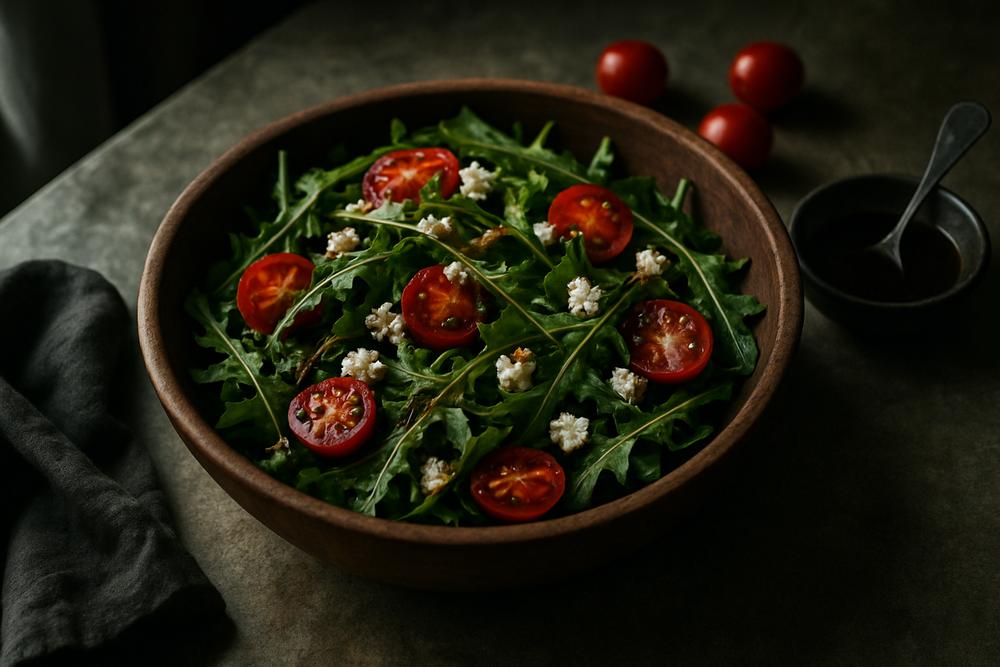
Arugula · Photograph
Arugula — botanically known as Eruca vesicaria subsp. sativa, and sometimes called rocket or roquette — is a peppery, fast-growing leafy green in the Brassicaceae (cruciferous) family. If you have ever grabbed a salad at an Italian restaurant and noticed a slightly spicy, almost mustard-like bite in the greens, that was likely arugula doing its thing.
Key Nutrients
% Daily Value based on 2,000 cal diet
Key active compounds
- Glucosinolates (e.g., glucoerucin): Sulfur-containing compounds that act as precursors to isothiocyanates. When you chop or chew arugula, an enzyme called myrosinase breaks glucosinolates down into bioactive molecules.
- Isothiocyanates (e.g., erucin): The bioactive products formed from glucosinolates. They may activate cellular antioxidant and detoxification pathways, help reduce oxidative damage, and are being studied for roles in cardiometabolic health and cancer prevention.
- Dietary nitrate: A naturally occurring nitrogen compound found in meaningful amounts in arugula (similar to spinach). In the body, it can be converted to nitric oxide — a signaling molecule that helps blood vessels relax and may support healthy blood pressure.
- Carotenoids (beta-carotene, lutein, zeaxanthin): Pigmented antioxidants that support eye health, immune function, and skin integrity. Absorption is enhanced when arugula is eaten alongside a dietary fat.
- Flavonols (quercetin, kaempferol): A class of polyphenols — plant-based antioxidant compounds — that exhibit anti-inflammatory effects and may contribute to vascular health.
- Chlorophyll and related pigments: Green plant pigments that act as antioxidants and contribute to arugula's characteristic color.
Prep and pairing ideas
Arugula takes almost no preparation. Here is the short version:
Washing and storing: Rinse loosely packed leaves gently in cold water just before using. If buying bulk arugula, store it dry (not pre-washed) in a loosely closed bag or container with a dry paper towel to absorb excess moisture. Use within 3–5 days for best flavor and
How Arugula Compares
| Compared with | What's different |
|---|---|
| Arugula vs. Spinach | Arugula has a peppery, spicy bite while spinach is mild, earthy, and sweet. |
| Arugula vs. Kale | Arugula leaves are thin and tender; kale is much tougher, fibrous, and requires massaging or cooking. |
| Arugula vs. Watercress | Watercress has a sharper, more mustard-like heat and grows in water, whereas arugula is nuttier. |
Health Benefits
Things to Know
Taking warfarin or other vitamin K antagonist anticoagulants?: Arugula's high vitamin K content can influence how these medications work. The goal is consistency, not avoidance — keeping your weekly arugula intake roughly stable rather than fluctuating from zero to several large bowls. Coordinate any significant dietary changes with your healthcare team.
Thyroid conditions, especially hypothyroidism with iodine deficiency?: Cruciferous vegetables contain goitrogenic compounds — substances that may mildly interfere with thyroid hormone synthesis at very high raw intakes. Normal culinary portions are generally safe, but people with active thyroid conditions who eat large daily amounts of raw cruciferous vegetables may benefit from a dietary review with their provider to ensure adequate iodine intake.
Prone to kidney stones (oxalate type)?: Arugula is generally lower in oxalate than spinach, but very large concentrated intakes may warrant personalized guidance if you have a history of calcium oxalate stones.
On blood pressure or vasodilator medications?: Arugula's dietary nitrate content can modestly lower blood pressure, which could add to the effect of antihypertensive drugs at very high intakes. Typical meal amounts are unlikely to cause problems; sudden large increases (e.g., daily high-nitrate vegetable juices combined with arugula salads) are worth mentioning to your doctor.
Pregnant, immunocompromised, or older adult?: Ready-to-eat and pre-washed salad greens carry a small but real risk of foodborne illness. Wash arugula carefully, keep it refrigerated, and use it within a few days of purchase.
Known allergy to mustard, arugula, or other Brassica plants?: Avoid arugula and seek evaluation if you notice oral itching, hives, or other allergic symptoms after eating it.
Infants and very young children: High-nitrate vegetable juices or large purees are generally avoided in this age group; normal culinary amounts of cooked greens in mixed foods are typically fine per pediatric guidance.
Shop This Ingredient
Stock your pantry with quality arugula.
Buy on AmazonAs an Amazon Associate, Plantopedia earns from qualifying purchases. This costs you nothing extra and helps us keep the encyclopedia free.
Frequently Asked Questions
Most of the human research supporting arugula's health benefits comes from studies of leafy greens or cruciferous vegetables as a whole — not arugula-specific clinical trials. That context matters. The claims below reflect reasonable inferences based on arugula's nutrient and phytochemical profile combined with what larger dietary studies tell us, not proof that arugula alone produces these outcomes. Heart health and circulation Large observational studies consistently link higher leafy green and cruciferous vegetable intake with lower rates of cardiovascular disease and all-cause mortality. Arugula contributes fiber, potassium, folate, vitamin K, carotenoids, and — importantly — dietary nitrate. Nitrate is converted in the body to nitric oxide, which helps blood vessels dilate and may modestly support healthy blood pressure. Human trials using high-nitrate leafy greens like rocket, spinach, and beetroot have shown promising results for blood pressure and vascular function, though these used concentrated doses rather than typical meal portions. Using arugula as a frequent salad base or grain bowl ingredient helps bump up total vegetable intake alongside these specific nutrients. Digestive health and microbiome Arugula is not exceptionally high in fiber per cup on its own, but because it is typically eaten in large handfuls and combined with other vegetables, beans, or grains, it adds real bulk and water content to meals. General fiber research is robust: higher fiber intake from vegetables, fruits, whole grains, and legumes is consistently associated with more regular bowel movements and lower constipation risk. Bitter compounds in arugula may also stimulate digestive secretions — a property better documented in traditional use and mechanistic research than in controlled human trials, but plausible given what we know about bitter receptor activation in the gut. Blood sugar and metabolism Prospective cohort studies (large studies that follow people over time) find that higher leafy green intake is associated with a reduced risk of developing type 2 diabetes. Arugula contributes to this pattern by providing very few carbohydrates per serving, modest fiber, and magnesium and folate — both involved in glucose metabolism and insulin action. Using arugula as a base for meals that also include legumes, whole grains, and healthy fats can lower the overall glycemic impact of a dish without requiring dramatic changes to how you cook. Inflammation and recovery Cruciferous vegetables including broccoli and broccoli sprouts have been shown in human studies to reduce certain markers of oxidative stress and inflammation, likely through their isothiocyanate content and activation of the Nrf2 pathway — a cellular system that helps regulate the body's antioxidant defenses. Arugula contains similar glucosinolates that convert to isothiocyanates, along with vitamin C and carotenoids. However, there are very few human clinical trials specifically using arugula leaves, so its anti-inflammatory effects are extrapolated from broader cruciferous vegetable research rather than directly demonstrated. Hormones and cycle health Some observational research suggests that diets higher in cruciferous vegetables are associated with altered estrogen metabolism — potentially shifting the balance toward certain estrogen metabolites that may be linked to lower risk of hormone-related cancers. Compounds like indoles and isothiocyanates are thought to influence liver detoxification pathways and hormone processing. Arugula, as a Brassicaceae family member, likely contains similar bioactives. That said, nearly all the clinical work in this area used broccoli, Brussels sprouts, or cabbage — not arugula specifically. Evidence here is indirect and preliminary for arugula alone. Bone health Arugula is an excellent source of vitamin K, and human studies consistently find that adequate vitamin K intake — especially alongside calcium and vitamin D — is associated with better bone mineral density and lower fracture risk. While most intervention trials use supplements, regular consumption of vitamin K-rich leafy greens like arugula can contribute meaningfully to daily vitamin K intake, particularly for people who include greens as a daily habit.
The honest answer: both work, and mixing them up is the most practical approach. Raw arugula preserves heat-sensitive vitamin C and some glucosinolates, and pairing it with a fat-based dressing (olive oil, tahini, avocado) dramatically improves absorption of fat-soluble carotenoids and vitamin K. Lightly sautéed or wilted arugula collapses to roughly a quarter of its raw volume, meaning you can eat far more of it in one sitting. The peppery bite mellows noticeably after 60–90 seconds in a hot pan, which makes it more accessible for people who find raw arugula too sharp. Key micronutrients like vitamin K, folate, calcium, and potassium remain largely intact after brief, low-heat cooking. Other forms worth knowing: Pesto and blended sauces: Arugula blended with olive oil, garlic, nuts or seeds, and lemon juice makes a peppery green sauce that works over pasta, grains, or as a sandwich spread. Blending softens the bitterness and makes it easy to use a lot of arugula in one go. Added to hot dishes at the end: Scatter raw arugula over hot pizza, stir it into cooked pasta just before serving, or fold it into warm soup. Residual heat wilts the leaves gently without destroying nutrients. Microgreens and sprouts: Available in some markets; they may be slightly more concentrated in flavor and phytochemicals per gram, but human data on microgreens specifically is limited. Good as a garnish or texture addition. Arugula seed oil or concentrated extracts: These are not standard whole-food forms. They can deliver higher doses of certain compounds than food, have limited human safety data, and should be treated as supplements — only used under professional guidance.
Quick Answers
Common questions, answered in a line.
Arugula is a peppery, fast-growing leafy green in the Brassicaceae (cruciferous) family, also known botanically as Eruca vesicaria subsp. sativa. It is frequently referred to by the alternative names rocket or roquette, particularly in culinary contexts.
Arugula contains dietary nitrates that the body converts into nitric oxide, a signaling molecule that helps blood vessels relax. This process supports healthy blood pressure and vascular health, though individuals on blood pressure medications should consult a doctor if significantly increasing their intake.
You can eat arugula while taking warfarin, but the key is maintaining a consistent weekly intake to avoid interfering with the medication. Because arugula is high in vitamin K, sudden fluctuations in how much you eat can influence how anticoagulant drugs work.
Arugula contains glucosinolates like glucoerucin, which are broken down by an enzyme called myrosinase into bioactive isothiocyanates when you chew or chop the leaves. These compounds are being studied for their potential roles in cancer prevention, detoxification, and reducing oxidative damage.
Arugula is generally safe for people with thyroid conditions in normal culinary portions, though it contains mild goitrogenic compounds that can interfere with hormone synthesis at very high raw intakes. People with hypothyroidism or iodine deficiency should ensure adequate iodine intake and consult a provider if consuming large daily amounts.
Arugula should be rinsed gently in cold water just before use and stored dry in a loosely closed container with a paper towel to absorb moisture. For the best flavor and freshness, it is recommended to consume the greens within 3 to 5 days of purchase.
Arugula is generally lower in oxalates than spinach, making it a potentially better choice for those monitoring their levels. However, individuals prone to calcium oxalate kidney stones may still want to seek personalized guidance if planning very large, concentrated intakes of the green.
For Readers in the USA
Local context — sourcing, seasonality, and regional notes.
In the United States, peak arugula season typically occurs during the cool months of spring (April to June) and fall (September to October). While California and Arizona grow it year-round for commercial supply, home gardeners in USDA zones 4–8 find it thrives best before the summer heat causes the leaves to turn overly bitter.
Arugula is widely available year-round at major US grocery chains like Whole Foods, Trader Joe's, Kroger, and Safeway, usually sold in pre-washed plastic clamshells or bags. You can also find bunches of larger, more pungent heritage varieties at local farmers markets during the cooler spring and autumn months.
The USDA Organic seal on arugula ensures the greens were grown without synthetic pesticides or fertilizers, which is a popular choice for leafy greens often consumed raw. Because arugula grows quickly and is susceptible to soil-borne pathogens, the FDA provides specific food safety guidance for producers to prevent contamination during harvesting.
In the US, "baby arugula" refers to young, mild leaves typically used in salads, while "wild arugula" (Diplotaxis tenuifolia) is a different species known for its skinnier, serrated leaves and significantly more intense, peppery heat. Most American supermarkets carry the baby variety, while high-end restaurants often favor wild arugula for its robust flavor profile.
AI Clinical Review
- Clearly explains that arugula is a cruciferous leafy green rich in glucosinolates that convert to isothiocyanates, and highlights realistic nutrients (vitamin K, folate, carotenoids, potassium).
- Accurately frames most health benefits as coming from patterns seen with leafy greens/crucifers overall, not arugula alone, which keeps expectations reasonable.
- Notes dietary nitrate’s potential role in vascular health and the importance of pairing greens with fat to improve absorption of fat‑soluble nutrients.
- Offers practical, low‑effort ways to eat more arugula (raw, lightly wilted, added at the end of cooking), which is consistent with evidence that total vegetable intake matters.
- Blood‑pressure and circulation effects from nitrate are strongest in studies using higher‑nitrate doses (e.g., beetroot or concentrated greens); typical salad portions of arugula may have smaller effects.
- Anti‑inflammatory and detoxification pathway claims (for example, via Nrf2) are supported mainly by mechanistic studies and trials with other crucifers like broccoli sprouts, not arugula‑specific clinical trials.
- Hormone and estrogen‑metabolism findings are preliminary and largely based on other Brassica vegetables; direct evidence for arugula is limited.
- Microgreens/sprouts and seed‑oil/extract forms have sparse human data; benefits and safety profiles are less certain compared with whole leaves.
- How much: a generous serving is 1–3 cups raw (about 40–120 g). This supports micronutrient intake; clinically meaningful nitrate effects often require larger/high‑nitrate portions or concentrates. Pair with an oil‑based dressing to boost carotenoid and vitamin K absorption.
- Blood thinners: if you take warfarin or another vitamin K antagonist, keep vitamin K intake consistent week to week and coordinate any big changes with your care team.
- Thyroid and kidney stones: very high intakes of raw crucifers alongside low iodine status may affect thyroid function; ensure adequate iodine if you eat large amounts. Arugula is lower in oxalate than spinach, but those with calcium‑oxalate stones may still need individualized advice.
- Vulnerable groups: pregnant, immunocompromised, or older adults should handle and store ready‑to‑eat greens carefully to reduce foodborne illness risk; avoid high‑nitrate vegetable juices for infants. Those with known mustard/Brassica allergies should avoid arugula and seek care if symptoms occur.
Frame as food education, not disease treatment.
References
- PMC, National Library of Medicine — Response of Arugula to Integrated Use of Biological, Inorganic, and Organic Fertilization (pmc.ncbi.nlm.nih.gov)
- USDA FoodData Central — nutrient composition database (fdc.nal.usda.gov)
- Wikipedia — Eruca sativa (en.wikipedia.org)
Know Your Numbers
Eating healthy is a start. Now get to know your biomarkers.
Food changes bloodwork — inflammation, lipids, blood sugar and nutrient status all respond to what you eat. 59 markers from $59.
- Results in 7–10 days at 2,000+ Quest sites
- Licensed provider reviews every result
- One flat price, no membership, HSA/FSA eligible
Educational information only, not medical advice. Panels are ordered and reviewed through our licensed partner; Plantopedia may earn a commission.