Bee Balm (Wild Bergamot) — health benefits and uses
Traditional Native American remedy for colds and digestion.
The Short Answer
Bee balm is an edible herb used to soothe digestion and provide antioxidants, containing thymol and carvacrol which have antimicrobial properties. Its leaves and flowers are typically used in teas or as a savory, citrus-oregano garnish for stone fruits and
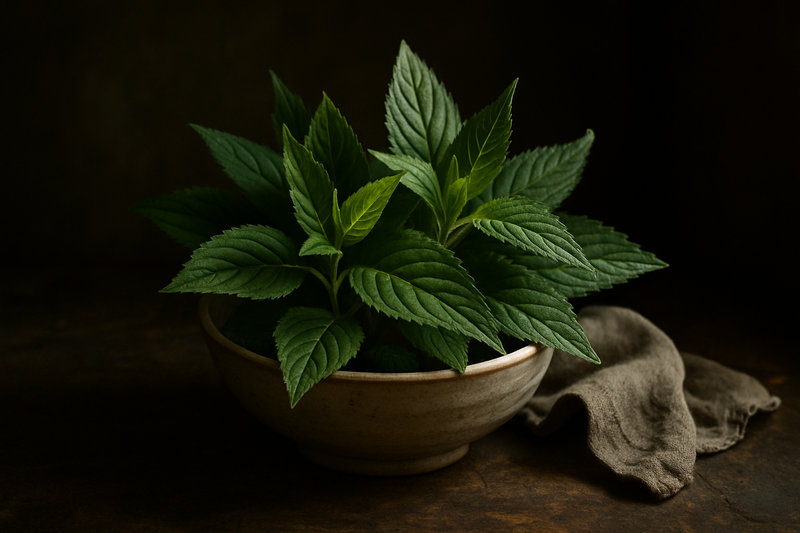
Bee Balm (Wild Bergamot) · Photograph
Discover bee balm (wild bergamot) health benefits and uses — from soothing digestive teas to antioxidant-rich culinary garnishes. Learn how to use the leaves and flowers, understand the evidence, and know who should use caution.
Key Nutrients
% Daily Value based on 2,000 cal diet
Key active compounds
- Thymol — A phenolic monoterpene (a type of naturally occurring aromatic compound) also found in thyme and oregano. Shows antimicrobial and antioxidant activity in cell and animal studies. Present in trace amounts in a cup of bee balm tea; much more concentrated in the essential oil.
- Carvacrol — A closely related phenolic monoterpene that often occurs alongside thymol in mint-family herbs, contributing to the oregano-like aroma. Also exhibits antimicrobial and antioxidant properties in vitro (in lab settings, not yet in human trials).
- Volatile essential oils (mixed monoterpenes) — The broader aromatic fraction responsible for bee balm's citrus-mint fragrance. May act as mild carminatives (compounds that help relieve gas) and spasmolytics (agents that reduce muscle cramping in the gut), supporting traditional digestive use.
- Polyphenols and flavonoids — Plant compounds that provide antioxidant activity in experimental settings. Bee balm contains a range of these, similar in type to those in other culinary herbs. They may support overall oxidative balance as part of a plant-rich diet.
Prep and pairing ideas
Bee balm is one of those herbs that rewards experimentation. Here are three practical pairings that let its oregano-citrus character shine.
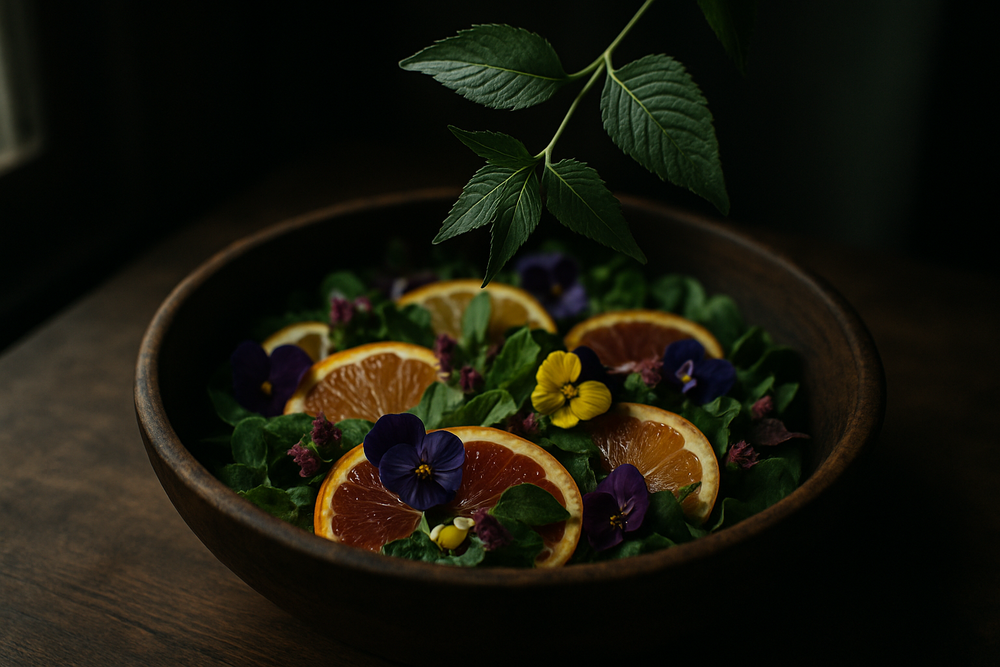
Bee balm + stone fruit (peaches, nectarines, plums) The citrusy floral notes of bee balm flowers balance the sweetness and acidity of stone fruits beautifully. Scatter a few fresh blossoms over a peach and ricotta toast, or steep dried leaves into a simple syrup used to macerate peaches. The volatile oils in the herb may also provide a mild digestive assist after a sweet dessert.
Bee balm + cucumber and soft cheese The herb's mild astringency cuts through rich, creamy cheeses. Combine torn fresh bee balm leaves with thin-sliced cucumber, goat cheese, and a drizzle of honey for a summer appetiser that tastes far more complex than its ingredient list suggests.
Bee balm + lemon verbena or lemon balm in tea Blending dried bee balm with lemon verbena or lemon balm creates a layered, fragrant herbal infusion with complementary citrus-mint profiles. The combination supports the mild carminative (gas-relieving) properties associated with mint-family herbs generally.
Bottom line
Bee balm (Monarda fistulosa) is a versatile, genuinely delicious native herb with centuries of traditional use behind it and a biologically interesting phytochemical profile. Its thymol-rich volatile oils provide the most credible rationale for its traditional digestive, antimicrobial, and antioxidant reputation, and culinary use of the leaves and food-grade flowers is considered safe for most healthy adults.
Where the evidence is limited: there are no modern controlled human clinical trials specifically on bee balm for any health condition. Claims about heart health, blood sugar, or systemic inflammation are either speculative or borrowed from research on the unrelated Citrus bergamia — a common source of confusion worth being clear about.
The most honest summary: bee balm is a wonderful, aromatic addition to a plant-rich kitchen. Brew it as a post-meal tea, scatter the flowers over summer salads, and enjoy it as part of a diverse, whole-food dietary pattern. If you are hoping for specific therapeutic effects, the evidence base is not yet strong enough to rely on it alone, and it should complement rather than replace medical care.
If you want to explore how bee balm and other culinary herbs fit into your broader wellness goals, browse our ingredient collections by health focus.
How Bee Balm (Wild Bergamot) Compares
| Compared with | What's different |
|---|---|
| Bee Balm (Wild Bergamot) vs. Bergamot Orange | Contains significantly more thymol and has a spicy, oregano-like flavor compared to the sweet citrus of Bergamot orange. |
| Bee Balm (Wild Bergamot) vs. Thyme | Shared antimicrobial thymol content, but Bee Balm adds floral, citrusy notes that Thyme lacks. |
| Bee Balm (Wild Bergamot) vs. Lemon Balm | Both are carminative mints, but Bee Balm is savory and pungent while Lemon Balm is strictly citrus-sweet. |
Health Benefits
Things to Know
Pregnancy and breastfeeding: Modest culinary use (a few leaves in a salad, an occasional cup of weak tea) is generally considered acceptable. Avoid concentrated tinctures, essential oils, or large daily tea doses during pregnancy and breastfeeding due to insufficient safety data.
Mint-family (Lamiaceae) allergy: If you have a known allergy to mint, sage, thyme, oregano, or related herbs, there is a higher risk of cross-reactivity with bee balm. Start with a tiny amount and discontinue if any itching, swelling, or other allergic symptoms appear.
Children: Culinary use in small amounts is generally fine, but essential oil preparations should be kept well away from children due to their greater sensitivity to volatile oil constituents.
Asthma and respiratory hypersensitivity: Strong aromatherapy preparations or steam inhalations may occasionally trigger symptoms in individuals with reactive airways. Monitor carefully.
Medication interactions: No formal drug-herb interaction studies exist for bee balm. Individuals taking anticoagulants (blood thinners), antiplatelet agents, hypoglycemic (blood-sugar-lowering) medications, or central nervous system drugs should consult a healthcare professional before using concentrated preparations. Ordinary culinary and tea-level use is unlikely to cause clinically significant interactions, but caution is always sensible.
Essential oils internally: Never ingest bee balm essential oil without professional supervision; thymol at high oral doses can be hepatotoxic (harmful to the liver).
Liver or kidney disease: Limited long-term safety data exist for regular concentrated tincture or essential oil use in people with liver or kidney conditions.
Glossary
Shop This Ingredient
Stock your pantry with quality bee balm (wild bergamot).
Buy on AmazonAs an Amazon Associate, Plantopedia earns from qualifying purchases. This costs you nothing extra and helps us keep the encyclopedia free.
Frequently Asked Questions
Before diving in, one clarification is important: most published human clinical trials labelled "bergamot" actually studied Citrus bergamia — the Italian citrus fruit used to flavour Earl Grey tea. That plant's flavonoid extracts have genuine human trial data for cholesterol and blood sugar. Monarda fistulosa (bee balm / wild bergamot) shares a common name but is botanically unrelated. The two should never be confused, and citrus bergamot trial results cannot be applied to bee balm. With that said, here is what the current evidence does and does not support for bee balm specifically. Heart and circulation There are currently no controlled human trials assessing bee balm (Monarda fistulosa) for blood pressure, cholesterol, or cardiovascular outcomes. Bee balm shares volatile oil constituents — particularly thymol — with other Lamiaceae herbs that show antioxidant and vascular effects in laboratory models, but any cardiovascular benefit for bee balm itself remains speculative. The best framing is as a flavorful, aromatic herb that can be part of a heart-healthy, plant-rich dietary pattern rather than a standalone therapeutic. Digestive health and microbiome This is where bee balm's traditional reputation is strongest and most plausible. Herbal monographs consistently describe bee balm tea (1–2 teaspoons dried herb per cup, steeped 5–10 minutes) being used to relieve mild gas, bloating, and cramping. The mechanism makes biochemical sense: thymol and carvacrol have known spasmolytic and carminative properties similar to those of oregano and thyme, which are far better studied. Bee balm's aromatic oils may also gently stimulate saliva and digestive secretions, supporting overall digestive comfort. That said, no randomized controlled trials have specifically tested bee balm for irritable bowel syndrome, dyspepsia, or any defined gastrointestinal disorder. Digestive claims should be understood as traditionally grounded, biologically plausible, but not yet clinically proven. Starting with one cup of mild tea and assessing your personal tolerance is a practical first step. Blood sugar and metabolism No human studies have examined bee balm tea or tincture on fasting glucose, HbA1c (a longer-term blood sugar marker), or insulin resistance. Multiple randomized trials of citrus bergamot extract have shown modest improvements in fasting glucose and insulin sensitivity in adults with metabolic syndrome over 12 weeks — but again, those results come from a standardized citrus flavonoid complex and do not apply to bee balm. Individuals managing diabetes should not substitute bee balm for evidence-based medical treatment. Inflammation and recovery Bee balm's thymol-rich oils and phenolic compounds demonstrate antioxidant and antimicrobial activity in vitro (in cell studies), and related compounds show anti-inflammatory mechanisms in experimental models. However, no human clinical trials have evaluated bee balm for systemic inflammatory markers such as CRP or IL-6. Inflammation-related claims should be framed as mechanistically plausible but speculative, and bee balm is best positioned as a tasty addition to an overall anti-inflammatory diet. Immune support and respiratory comfort Herbal monographs describe bee balm infusions for mild upper respiratory infections, sore throat, and colds. Steam inhalation using a bowl of strong bee balm tea is a traditional practice for nasal congestion. Thymol's well-documented antimicrobial properties in lab models provide a plausible rationale. However, modern human trials demonstrating antiviral, antibacterial, or respiratory benefits specifically for bee balm are absent. These uses are best described as traditional and experiential. Anyone with a significant infection should seek appropriate medical care rather than relying solely on herbal teas.
Bee balm comes in several forms, and the right choice depends on what you want to achieve. Fresh leaves and flowers (culinary use) are the safest and most accessible entry point. A small handful of leaves or a few blossoms adds distinctive flavour to salads, fruit desserts, herb butters, syrups, and jellies with no special preparation needed. This is the most whole-plant approach. Dried herb tea (infusion) is the most common traditional preparation. Steep 1–2 teaspoons (roughly 1–2 g) of dried leaves or flowers in a cup (240 mL) of just-boiled water for 5–10 minutes, then strain. One to two cups per day is the typical starting range. Some herbal sources suggest up to 3–6 g of dried herb per cup for a stronger preparation, consumed up to three times daily, but starting at the lower end is wise until you know how your body responds. Tincture (hydroalcoholic extract) provides a more concentrated preparation. Standard guidance suggests 2–4 mL (about half to one teaspoon) of a 1:5 tincture, taken two to three times per day. Tinctures are best used under the guidance of a qualified herbal practitioner. Essential oil is highly concentrated and should not be taken internally without professional supervision. Thymol at high oral doses can be toxic. For aromatherapy, 3–5 drops in a diffuser or diluted in a carrier oil for topical use are the appropriate amounts.
The curious home cook who wants herbal variety Grows quickly in most temperate gardens, providing a steady seasonal supply Flowers and leaves add striking colour and complex citrus-mint flavour to summer dishes A natural conversation piece that connects everyday cooking to North American botanical heritage The person who wants gentle, traditional digestive support A mild bee balm tea after a heavy or rich meal may help ease subjective bloating and gas The ritual of brewing an aromatic herbal tea can itself promote post-meal relaxation Lower risk profile than concentrated supplements, making it accessible for cautious beginners
For general culinary enjoyment and mild traditional wellness use, one to two cups of bee balm tea per day made from 1–2 teaspoons (1–2 g) of dried herb per cup is a reasonable and well-tolerated starting point for most healthy adults. Some herbal sources extend this to three cups per day of a slightly stronger preparation (3–6 g dried herb per cup) for those using it specifically for digestive or respiratory support, but there is no human dose-finding research to confirm an optimal amount. The practical guidance is: start with one cup per day, observe how your body responds over a week, and increase only if well tolerated. There is no established upper safe limit from clinical data, so more is not necessarily better. Fresh culinary use — a few leaves or blossoms tossed into a dish — carries no specific dosage concern at typical serving sizes. For tinctures, the standard suggestion is 2–4 mL two to three times per day, ideally with practitioner guidance. Essential oils should never be dosed internally without professional oversight.
Quick Answers
Common questions, answered in a line.
Bee balm contains thymol and carvacrol, phenolic compounds that have shown antimicrobial and antioxidant activity in animal and cell studies. These active components, also found in herbs like thyme and oregano, may support overall oxidative balance when consumed as part of a plant-rich diet.
Bee balm is traditionally used as a carminative and spasmolytic to help relieve gas and reduce muscle cramping in the gut. Its volatile essential oils and citrus-mint profile provide the rationale for its long-standing reputation as a post-meal digestive aid.
Bee balm leaves and flowers are excellent in herbal teas, as garnishes for stone fruits like peaches, or paired with cucumber and soft cheeses. Its flavor profile is described as oregano-citrus, making it a versatile addition to both sweet and savory summer dishes.
You should avoid concentrated bee balm tinctures, essential oils, or large daily doses of tea during pregnancy and breastfeeding due to a lack of safety data. While modest culinary use is generally acceptable, it is best to stick to small amounts found in food.
People with allergies to the Lamiaceae (mint) family—including sage, thyme, and oregano—should use caution due to the risk of cross-reactivity. Additionally, those with reactive airways or asthma should be careful with steam inhalations or strong aromatherapy preparations.
No, you should never ingest bee balm essential oil without professional supervision because high oral doses of thymol can be hepatotoxic (harmful to the liver). Essential oils are much more concentrated than the trace amounts of volatile oils found in a standard cup of tea.
Bee balm (Monarda fistulosa) is often confused with Citrus bergamia, the source of bergamot essential oil used in Earl Grey tea. Claims regarding bee balm's impact on heart health or blood sugar are often incorrectly borrowed from research on this unrelated citrus fruit.
For Readers in the USA
Local context — sourcing, seasonality, and regional notes.
Bee balm is a hardy perennial native to North America that thrives in USDA Plant Hardiness Zones 3 through 9, covering most of the continental United States. The plant typically blooms from mid-summer through early fall, with peak flowering occurring in July and August in most temperate regions.
Fresh bee balm is most commonly found at local farmers markets or specialty natural food stores during the summer, as it is rarely stocked by major national grocery chains. You can also purchase high-quality dried wild bergamot from reputable US-based herb suppliers like Mountain Rose Herbs or Starwest Botanicals.
In the United States, bee balm is frequently referred to as Oswego Tea, a name originating from the Oswego people of New York who shared their knowledge of the plant with European settlers. It is also commonly called wild bergamot or horsemint, depending on the specific regional variety found in the wild.
While the FDA regulates bee balm as a food or dietary supplement rather than a drug, consumers should look for the USDA Organic seal to ensure the herb was grown without synthetic pesticides. Foraging in the US is also popular, but it is critical to ensure the site has not been treated with roadside chemicals or industrial runoff.
AI Clinical Review
- Clearly distinguishes bee balm (Monarda fistulosa) from citrus bergamot (Citrus bergamia) and avoids extrapolating citrus-based clinical findings to bee balm.
- Appropriately frames benefits as traditional and mechanistically plausible (carminative, antimicrobial in lab studies) while noting the lack of modern human trials.
- Offers practical, conservative guidance for culinary use and tea preparation, and cautions against internal use of essential oils.
- Sets realistic expectations: a flavorful herb that can complement a plant-rich diet rather than a stand‑alone treatment.
- No randomized human studies have tested bee balm for digestion, respiratory symptoms, cardiometabolic markers, or inflammation; in‑vitro antioxidant/antimicrobial results may not predict clinical effects.
- Optimal dosing, duration, and standardized preparations are not established; different plant chemotypes (variations in thymol/carvacrol content) could lead to variable effects.
- Nutrition figures for infusions are estimates; comprehensive nutrient data specific to bee balm are limited.
- Safety: Culinary amounts are generally well tolerated, but during pregnancy or breastfeeding it’s prudent to stick to modest culinary or occasional weak tea and avoid tinctures and essential oils.
- Allergies and sensitivities: Those with mint‑family allergies should start with very small amounts; strong aromas or steam inhalation can bother people with asthma or reactive airways. Keep essential oils away from children.
- Medications: If you use concentrated forms (e.g., tinctures), check with your clinician—especially if you take blood thinners, antiplatelet agents, diabetes medications, or sedatives—since formal interaction studies are lacking.
- Practical use: A reasonable starting point is 1 cup/day of tea made with 1–2 g dried herb, increasing only if well tolerated. Do not ingest essential oil. Source correctly identified, food‑grade Monarda fistulosa (avoid ornamentals treated with pesticides).
Safe in culinary amounts; use food-grade flowers.
References
- USDA FoodData Central — reference database for herb nutrient data (fdc.nal.usda.gov)
- Efficacy of bergamot (Citrus bergamia): from anti-inflammatory and cardiometabolic effects to clinical applications — systematic review (pmc.ncbi.nlm.nih.gov)
- Clinical application of bergamot (Citrus bergamia) for reducing hypercholesterolemia and improving cardiometabolic health — review (pmc.ncbi.nlm.nih.gov)
- Metabolic and vascular effects of a standardized bergamot extract in adults with metabolic syndrome — human trial (pmc.ncbi.nlm.nih.gov)
- Comparative effect of a flavonoid complex from bergamot and opuntia on plasma lipids and glucose — double-blind RCT (archivesofmedicalscience.com)
- Herbal monograph: Bee Balm — traditional uses, tea and tincture dosage, safety considerations (thehealingherbgarden.co.uk)
- Bee Balm (Monarda) benefits, uses, and safety — herbal safety and dosage overview (grasproot.com)
- Pharmacological activities and safety of thymol and related compounds — experimental safety overview (pdfs.semanticscholar.org)
- Monarda: health benefits, medicinal properties, culinary uses, and key ingredients (vitalibrary.com)
Know Your Numbers
Eating healthy is a start. Now get to know your biomarkers.
Food changes bloodwork — inflammation, lipids, blood sugar and nutrient status all respond to what you eat. 59 markers from $59.
- Results in 7–10 days at 2,000+ Quest sites
- Licensed provider reviews every result
- One flat price, no membership, HSA/FSA eligible
Educational information only, not medical advice. Panels are ordered and reviewed through our licensed partner; Plantopedia may earn a commission.