Black Lentils — health benefits and uses
Protein + fiber leverage; batch-cook, meal-prep, and satiety angle
The Short Answer
Black lentils provide 18g of protein and 16g of fiber per cooked cup, offering a firm texture that holds its shape better than other lentil varieties. They are unique for their high anthocyanin content, the same dark antioxidants found in blueberries.

Black Lentils · Photograph
Black lentils (Lens culinaris), often called black beluga lentils due to their resemblance to caviar, are nutrient-dense legumes that pack impressive health benefits into every small, dark seed. These protein-rich pulses deliver substantial fiber, essential minerals, and unique antioxidant compounds that support heart health, blood sugar control, and digestive wellness.
Key Nutrients
% Daily Value based on 2,000 cal diet
Key active compounds in black lentils
Black lentils contain several bioactive compounds that contribute to their health benefits:
- Anthocyanins: Dark pigments with potent antioxidant and anti-inflammatory properties
- Polyphenols: Including procyanidins and flavanols that support cardiovascular health
- Resistant starch: Acts as a prebiotic, feeding beneficial gut bacteria
- Phytic acid: Provides antioxidant benefits while binding some minerals
- Isoflavones: Plant compounds that may support hormonal balance
- Saponins: Naturally occurring compounds with potential cholesterol-lowering effects
Buying guide: Choosing quality black lentils
Dried black lentils are typically the most economical and versatile option. Look for:
- Uniform dark color without fading or discoloration
- Minimal broken pieces or debris
- Packages with recent harvest dates when possible
- Organic certification if avoiding pesticide residues is important
Canned black lentils provide convenience for quick meals. Choose:
- Low-sodium or no-salt-added varieties when possible
- BPA-free cans or cardboard packaging
- Products with minimal additives beyond water and salt
Frozen black lentils are less common but can be found pre-cooked in some specialty stores. They offer convenience while maintaining most nutritional benefits.
Common pairings: Maximizing black lentil benefits
Black lentils + vitamin C sources (tomatoes, bell peppers, citrus): Vitamin C significantly enhances iron absorption from plant foods, making this combination especially valuable for preventing iron deficiency.
Black lentils + whole grains (brown rice, quinoa, farro): Creates a complete protein profile with all essential amino acids while providing sustained energy and additional fiber for blood sugar control.
Black lentils + anti-inflammatory spices (turmeric, ginger, garlic): May amplify the anti-inflammatory benefits of black lentils' anthocyanins while improving flavor and digestibility.
Prep and pairing ideas
Black lentils work well in numerous preparations:
- Salads: Cooked and cooled black lentils add protein and texture to grain bowls and green salads
- Soups and stews: Their firm texture holds up well in liquid-based dishes
- Curries and braises: Absorb flavors beautifully while maintaining their shape
- Meal prep: Cook large batches and refrigerate for up to 5 days or freeze for up to 6 months
For optimal iron absorption, pair with vitamin C-rich foods. To minimize gas, ensure thorough cooking and consider digestive spices like ginger or fennel.
Bottom line on black lentils
Black lentils represent an evidence-based approach to plant-based nutrition, offering substantial protein, fiber, and unique antioxidant compounds in an affordable, versatile package. Their low glycemic index, heart-healthy nutrients, and gut-supporting fiber make them valuable for managing blood sugar, supporting cardiovascular health, and maintaining digestive wellness.
While more research specifically on black lentils would strengthen the evidence base, their similar nutritional profile to well-studied lentil varieties, combined with their additional anthocyanin content, suggests they offer at least comparable—and potentially superior—health benefits.
The key to maximizing benefits is proper preparation (thorough cooking), gradual introduction for digestive comfort, and regular consumption as part of a varied, whole-foods diet.
How Black Lentils Compares
| Compared with | What's different |
|---|---|
| Black Lentils vs. Green Lentils | Stay firm when cooked and have a thicker skin rich in anthocyanin antioxidants. |
| Black Lentils vs. Red Lentils | Mushy texture that breaks down easily, whereas black lentils hold their distinct caviar-like shape. |
| Black Lentils vs. Black Beans | Significantly larger, starchier, and require longer cooking times or soaking. |
Health Benefits
Things to Know
Never eat raw: Black lentils must be thoroughly cooked to neutralize lectins and other antinutrients
Start gradually: Introduce black lentils slowly if you're not used to high-fiber foods to minimize digestive upset
Gas and bloating: Common initially due to fiber and oligosaccharides; usually improves with regular consumption
Medication interactions: May affect blood sugar control in people taking diabetes medications
Kidney considerations: High potassium content may require portion control for people with kidney disease
Pregnancy and nursing: Generally beneficial due to folate and iron content, but maintain varied diet
IBS/sensitive digestion: May trigger symptoms in some people; consider low-FODMAP guidance
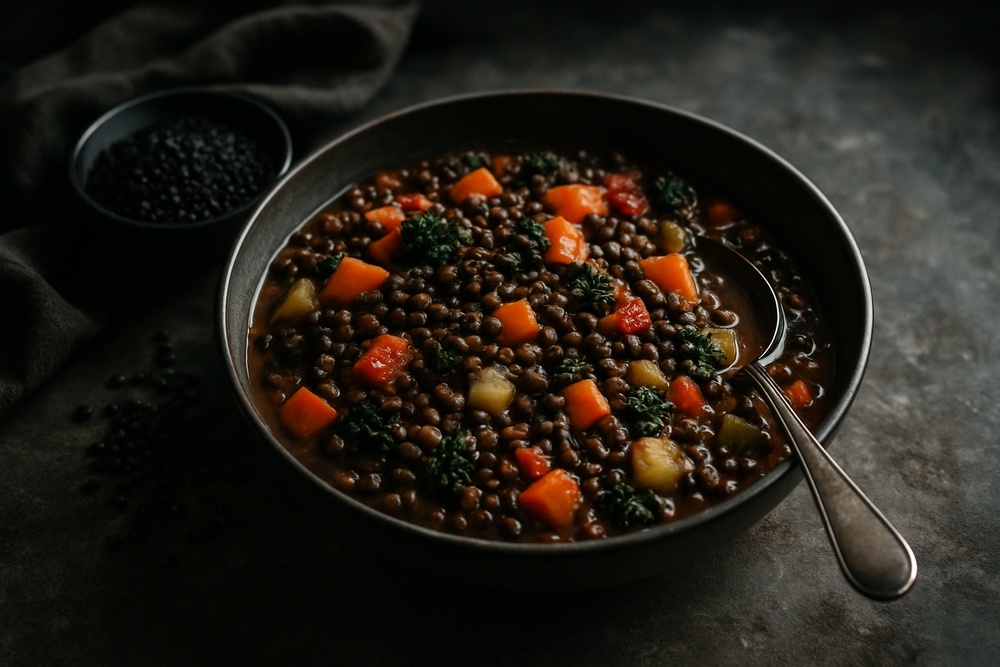
Prep Ideas
- — Salads: Cooked and cooled black lentils add protein and texture to grain bowls and green salads
- — Soups and stews: Their firm texture holds up well in liquid-based dishes
- — Curries and braises: Absorb flavors beautifully while maintaining their shape
- — Meal prep: Cook large batches and refrigerate for up to 5 days or freeze for up to 6 months
Shop This Ingredient
Stock your pantry with quality black lentils.
Buy on AmazonAs an Amazon Associate, Plantopedia earns from qualifying purchases. This costs you nothing extra and helps us keep the encyclopedia free.
Frequently Asked Questions
Heart and circulation Research consistently shows that regular lentil consumption supports cardiovascular health. Studies indicate that eating about 140g of cooked lentils daily can significantly reduce LDL ("bad") cholesterol and total cholesterol levels. Black lentils' combination of fiber, potassium, magnesium, and anthocyanins may provide additional vascular protection beyond what other lentil varieties offer. The soluble fiber in black lentils helps bind cholesterol in the digestive system, while their naturally low sodium and fat content supports healthy blood pressure. Their anthocyanins may also help improve blood vessel function, though more research specifically on black lentils is needed. Digestive health and microbiome Black lentils excel at supporting digestive wellness through their exceptional fiber content. The combination of soluble and insoluble fiber promotes regular bowel movements, while resistant starch acts as a prebiotic, feeding beneficial gut bacteria. This fiber content—about 15-16g per cup—helps maintain a healthy gut microbiome by encouraging the growth of beneficial bacteria that produce short-chain fatty acids. These compounds support colon health and may help reduce colorectal cancer risk, though some people with sensitive digestion may need to introduce black lentils gradually. Blood sugar and metabolism Black lentils have a very low glycemic index of approximately 30, meaning they cause minimal blood sugar spikes compared to refined carbohydrates. Their fiber and protein work together to slow sugar absorption, making them particularly beneficial for people managing diabetes or prediabetes. Clinical trials show that replacing higher-glycemic foods with lentils can improve post-meal blood sugar responses and may help with long-term blood sugar control. The resistant starch in black lentils may also improve insulin sensitivity, though people taking diabetes medications should monitor their blood sugar when significantly increasing lentil intake. Inflammation and recovery While most anti-inflammatory research on lentils comes from laboratory studies, black lentils' high anthocyanin content suggests they may offer superior anti-inflammatory benefits compared to other lentil varieties. These compounds have shown promise in reducing oxidative stress and inflammatory markers in experimental settings. The polyphenols in black lentils may help support the body's natural anti-inflammatory processes, potentially contributing to reduced chronic disease risk. However, more human studies specifically examining black lentils' anti-inflammatory effects are needed. Hormones and cycle health Black lentils provide substantial folate and iron, making them particularly valuable for women of childbearing age. The folate supports proper neural tube development during early pregnancy, while the iron helps prevent deficiency anemia. Some observational studies suggest that higher legume intake may be associated with lower risk of hormone-related cancers, possibly through fiber's effects on estrogen metabolism. However, controlled studies specifically examining black lentils' effects on hormonal health are limited.
Whole cooked black lentils provide the most evidence-based benefits. Most research uses properly cooked lentils, which neutralizes antinutrients like lectins while preserving beneficial compounds. Black lentils should always be thoroughly cooked—never eaten raw or undercooked. Soaked then cooked is often the preferred preparation method. Soaking for 4-8 hours reduces cooking time, improves digestibility, and can minimize gas-causing oligosaccharides. After soaking, discard the water and cook until completely tender. Canned black lentils offer convenience and similar nutritional value to home-cooked varieties, though they may contain added sodium. Rinsing canned lentils can reduce sodium content by up to 40%.
Research supports consuming ½ to 1 cup of cooked black lentils daily as part of a balanced diet. This amount provides: 9-18g of plant protein (meeting 18-36% of daily protein needs) 8-16g of fiber (contributing significantly to the recommended 25-35g daily) Substantial folate, iron, and other essential nutrients Starting recommendations: Begin with ¼ cup cooked if new to legumes Gradually increase to ½ cup over 1-2 weeks Most people tolerate up to 1 cup daily when properly prepared Adjust portions based on total daily fiber intake and digestive comfort The key is consistency rather than large occasional servings. Regular moderate intake provides sustained benefits for heart health, blood sugar control, and digestive wellness.
Quick Answers
Common questions, answered in a line.
Black lentils, or black beluga lentils, provide high amounts of protein and fiber alongside essential minerals and unique antioxidants like anthocyanins. These nutrients support heart health, aid in blood sugar control, and promote healthy digestion through prebiotic resistant starch.
You should pair black lentils with vitamin C sources like tomatoes, bell peppers, or citrus to significantly enhance plant-based iron absorption. Combining them with whole grains like brown rice or quinoa also creates a complete protein profile containing all essential amino acids.
No, you must never eat black lentils raw because they require thorough cooking to neutralize lectins and other antinutrients. Proper cooking also ensures the fiber and oligosaccharides are easier to digest, helping to minimize potential gas and bloating.
When buying dried black lentils, look for a uniform dark color without fading, minimal broken pieces, and recent harvest dates. If you are buying canned versions, prioritize low-sodium or no-salt-added varieties in BPA-free packaging to ensure the highest quality.
Black lentils contain anthocyanins and polyphenols, such as procyanidins and flavanols, which provide potent antioxidant and anti-inflammatory properties. These compounds help protect cells from damage and support overall cardiovascular health.
To prevent digestive upset, introduce black lentils into your diet gradually and ensure they are thoroughly cooked. Incorporating digestive spices like ginger or fennel during preparation can also help minimize the gas and bloating often associated with high-fiber legumes.
Cooked black lentils are highly versatile and can be refrigerated for up to 5 days or frozen for up to 6 months. Their firm texture makes them ideal for meal prepping in large batches for use in salads, grain bowls, soups, and curries throughout the week.
For Readers in the USA
Local context — sourcing, seasonality, and regional notes.
Most black lentils sold in the U.S. are grown in the Northern Great Plains, particularly in Montana and North Dakota, where the cool climate is ideal for pulse crops. These regions lead domestic production, ensuring that much of the supply found in American stores is grown locally.
You can find black lentils at national retailers like Whole Foods Market, Trader Joe’s (often sold as "Beluga Lentils"), and large grocery chains like Kroger or Safeway. They are typically located in the bulk bins, the dried bean aisle, or the specialty grains section.
Look for the USDA Organic seal to ensure your black lentils were grown without synthetic pesticides or GMOs, which is common for U.S.-grown pulses. The FDA also regulates these legumes as a "low-fat, high-fiber" food, supporting heart-healthy dietary claims on packaging.
In the U.S., black lentils are most frequently called "Black Beluga" lentils because their small, shiny appearance mimics beluga caviar. They have become a staple in modern American "grain bowls" and are widely used by plant-based chefs as a hearty meat substitute.
AI Clinical Review
- Black lentils are nutrient-dense: a 1-cup cooked serving typically delivers ~18 g protein, 15–16 g fiber, and meaningful folate and iron.
- Replacing refined carbs with lentils can improve after-meal blood sugar and support healthier cholesterol levels—findings that are well supported for lentils and pulses in general.
- Practical prep tips are sound: thorough cooking matters; soaking can aid digestibility; rinsing canned lentils helps lower sodium.
- Smart pairings are highlighted correctly: vitamin C boosts absorption of plant (non‑heme) iron; combining with whole grains rounds out essential amino acids.
- The idea that black (beluga) lentils provide unique advantages over other lentil types because of anthocyanins is biologically plausible but not yet well shown in human trials.
- Anti‑inflammatory and hormone‑related benefits are suggested by cell/animal and observational data; high‑quality human studies specific to black lentils are limited.
- Microbiome benefits from fiber/resistant starch are promising, but the exact amounts formed depend on cooking/cooling, and direct links to disease risk reduction remain under study.
- The suggested daily intake (½–1 cup cooked) is practical guidance rather than a dose proven across randomized trials for specific outcomes.
- A common, safe range is ½–1 cup cooked per day; increase gradually and cook thoroughly to limit gas and bloating.
- People with diabetes using glucose‑lowering medications should monitor readings when increasing lentils, as improved control may necessitate medication adjustments—check in with your clinician.
- Those with chronic kidney disease (potassium limits) or IBS/sensitive digestion (FODMAPs—fermentable carbs that can trigger symptoms) may need tailored portions and preparation methods.
- Canned lentils can be higher in sodium—choose low‑sodium and rinse. Legume allergies are uncommon but possible; discontinue and seek care if allergic symptoms appear.
Mention soaking/cooking tolerance tips where relevant; avoid raw legume prep errors.
References
- PMC, National Library of Medicine — Health-promoting benefits of lentils: Anti-inflammatory and anti-microbial effects (pmc.ncbi.nlm.nih.gov)
- PMC, National Library of Medicine — Polyphenol-Rich Lentils and Their Health Promoting Effects (pmc.ncbi.nlm.nih.gov)
- PubMed — Polyphenols, Saponins and Phytosterols in Lentils and Their Health Benefits: An Overview (pubmed.ncbi.nlm.nih.gov)
- PubMed — Screening of the Nutritional Properties, Bioactive Components, and Antioxidant Properties in Legumes (pubmed.ncbi.nlm.nih.gov)
- PMC, National Library of Medicine — Nutritional Characteristics of Black Lentil from Soleto: A Single-Flower Vetch Landrace of Apulia Region (Southern Italy) (pmc.ncbi.nlm.nih.gov)
- USDA FoodData Central — USDA FoodData Central (fdc.nal.usda.gov)
- MDPI — 2311 7524 (mdpi.com)
Know Your Numbers
Eating healthy is a start. Now get to know your biomarkers.
Food changes bloodwork — inflammation, lipids, blood sugar and nutrient status all respond to what you eat. 59 markers from $59.
- Results in 7–10 days at 2,000+ Quest sites
- Licensed provider reviews every result
- One flat price, no membership, HSA/FSA eligible
Educational information only, not medical advice. Panels are ordered and reviewed through our licensed partner; Plantopedia may earn a commission.