Buffaloberry — health benefits and uses
A Northern Plains Indigenous food eaten fresh and whipped into 'Indian ice cream'.
The Short Answer
Buffaloberries are tart, lycopene-rich fruits that contain 40mg of vitamin C and 4.5g of fiber per cup. They are unique for their natural saponins, which allow the berries to be whipped into a frothy foam dessert.
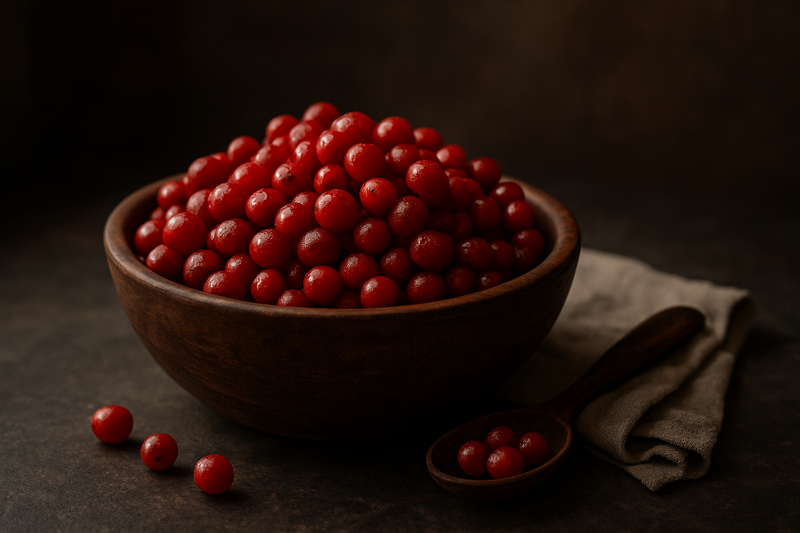
Buffaloberry · Photograph
Discover buffaloberry health benefits and nutrition facts for this tart red Plains berry packed with lycopene, vitamin C, and unique antioxidants. Learn how Indigenous communities use it, what the research says, and how to enjoy it safely at home.
Key Nutrients
% Daily Value based on 2,000 cal diet
Key active compounds in buffaloberry
- Lycopene — The red carotenoid (pigment antioxidant) best known from tomatoes; buffaloberry averages about 270 mg/kg fresh weight and is one of the few fruits — not vegetables — with this level.
- Methyl apo-6′-lycopenoate (MA6L) — A lycopene derivative unique to buffaloberry that comprises roughly 55% of its carotenoid content; its specific health role is not yet established but likely contributes to antioxidant activity.
- β-Cryptoxanthin — A provitamin A carotenoid (one the body can convert to vitamin A) that supports immune function and eye health.
- Zeaxanthin — A xanthophyll carotenoid concentrated in the retina; associated with visual antioxidant protection.
- Flavonols, catechols, and leucoanthocyanins — Classes of polyphenols (plant compounds) that contribute to the berry's measurable antioxidant capacity.
- Phenolic acids and total phenolics — Analyses show roughly 9 g gallic acid equivalents per kilogram fresh fruit, indicating a high overall polyphenol load.
- Saponins — Naturally occurring glycosides (sugar-attached compounds) that foam when beaten with water; responsible for the traditional whipped dessert and generally safe in food amounts.
- Vitamin C — A water-soluble antioxidant vitamin supporting immunity and collagen production; buffaloberry is a meaningful source, though levels vary by variety and ripeness.
Prep and pairing ideas
Buffaloberry rarely travels well commercially, so most people encounter it at farmers' markets, Indigenous food events, or by foraging with someone experienced in plant identification. Here is how to use it:
Three practical pairings
- Buffaloberry + local honey — Drizzle raw honey over fresh or thawed berries to soften the tartness without masking the flavor. Honey's own polyphenols complement the berry's antioxidant profile, and the combination makes a quick topping for yogurt or oatmeal.
- Buffaloberry + bison or venison — True to its Plains heritage, buffaloberry jelly alongside grilled lean game meat is a classic pairing. The berry's tartness cuts through the richness of the meat, much as cranberry sauce does with turkey. Choosing lean proteins keeps the meal heart-aligned.
- Buffaloberry + wild rice — Stir a spoonful of buffaloberry jelly into a wild rice pilaf with sage and mushrooms for a distinctly North American flavor profile. Wild rice adds protein and fiber; the berry contributes carotenoid antioxidants and a pop of color.
Simple home preparation
- Whipped buffaloberry foam (basic method): Place 1 cup fresh or thawed buffaloberries in a large bowl. Add 2 tablespoons cold water and 1–2 tablespoons honey or maple syrup. Beat with a hand mixer on high for 3–5 minutes until stiff foam forms. Serve immediately.
- Quick jelly: Simmer 2 cups berries with ½ cup water for 10 minutes, strain, add sweetener and a small amount of pectin (a natural thickening agent), and refrigerate. Keeps for two weeks.
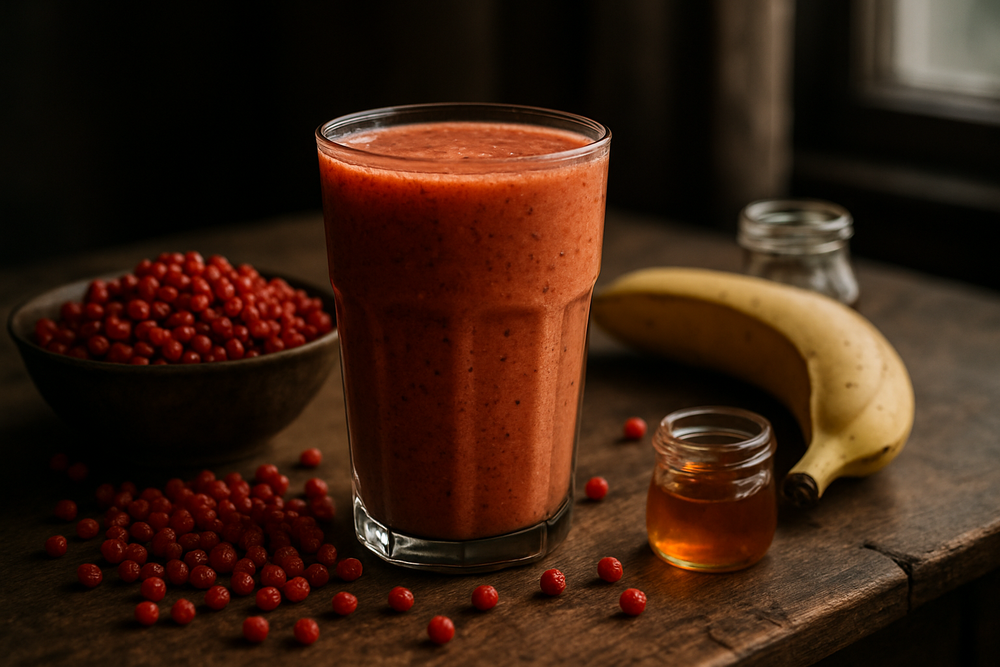
- Smoothie boost: Blend 2 tablespoons frozen buffaloberries into a berry smoothie for a lycopene boost without a strong flavor impact.
Bottom line
Buffaloberry is a genuinely distinctive fruit: tart, culturally rich, and unusually high in the antioxidant lycopene and its rare derivative MA6L. It offers vitamin C, fiber, and a broad spectrum of plant compounds that early laboratory research links to antioxidant, anti-inflammatory, and metabolic activity. The honest caveat is that human clinical trials are essentially nonexistent for this berry, so its specific health benefits in people remain to be confirmed.
What we do know is that eating a diverse range of colorful berries is consistently associated with better long-term health outcomes, and buffaloberry earns its place in that lineup. Whether you try it as a traditional foam, a tart jelly on whole-grain toast, or a smoothie ingredient, you are tapping into both an Indigenous food tradition and a genuinely interesting nutritional profile.
If you want to explore how tart, antioxidant-rich berries fit into a broader food-as-medicine approach, browse Plantopedia's antioxidant and berry goal guides for practical ideas grounded in the same evidence-first approach.
How Buffaloberry Compares
| Compared with | What's different |
|---|---|
| Buffaloberry vs. Sea Buckthorn | Buffaloberry is much tarter and higher in lycopene than the sweet, earthy sea buckthorn. |
| Buffaloberry vs. Red Currant | Buffaloberry has a distinct foaming property and higher vitamin C content than red currants. |
Health Benefits
Things to Know
Tartness and acidity: — Buffaloberry is one of the most acidic berries you will encounter. People with acid reflux, gastritis, or stomach ulcers should start very small (a tablespoon of berries or a teaspoon of jelly) and see how their body responds.
Saponins and GI sensitivity: — The natural saponins that cause foaming are safe in typical food amounts but may cause mild nausea or loose stools in sensitive individuals if consumed in excess, particularly in concentrated whipped or juiced forms.
Added sugar in processed forms: — Most traditional and commercial buffaloberry products are heavily sweetened to offset the berry's tartness. People managing blood sugar, weight, or carbohydrate intake should account for this.
Potassium intake: — Buffaloberry contributes dietary potassium. People with kidney disease or those on a medically supervised low-potassium diet should count buffaloberry within their total daily fruit allowance and discuss with their care team.
Medication interactions: — No clinically confirmed drug interactions for buffaloberry fruit have been documented. As a precaution, people on anticoagulant or antiplatelet medications (blood thinners) should not dramatically increase intake of any high-polyphenol berry without checking with their pharmacist or physician.
Pregnancy and breastfeeding: — Eating buffaloberry in normal food amounts is unlikely to pose risk, but no modern safety data exist for higher or concentrated intakes. Stick to whole-fruit portions.
Allergy: — If you are sensitive to other berries or saponin-rich plants, try a very small amount first and monitor for any reaction.
Prep Ideas
- — Buffaloberry + local honey — Drizzle raw honey over fresh or thawed berries to soften the tartness without masking the flavor. Honey's own polyphenols complement the berry's antioxidant profile, and the combination makes a quick topping for yogurt or oatmeal.
- — Buffaloberry + bison or venison — True to its Plains heritage, buffaloberry jelly alongside grilled lean game meat is a classic pairing. The berry's tartness cuts through the richness of the meat, much as cranberry sauce does with turkey. Choosing lean proteins keeps the meal heart-aligned.
- — Buffaloberry + wild rice — Stir a spoonful of buffaloberry jelly into a wild rice pilaf with sage and mushrooms for a distinctly North American flavor profile. Wild rice adds protein and fiber; the berry contributes carotenoid antioxidants and a pop of color.
- — Whipped buffaloberry foam (basic method): Place 1 cup fresh or thawed buffaloberries in a large bowl. Add 2 tablespoons cold water and 1–2 tablespoons honey or maple syrup. Beat with a hand mixer on high for 3–5 minutes until stiff foam forms. Serve immediately.
- — Quick jelly: Simmer 2 cups berries with ½ cup water for 10 minutes, strain, add sweetener and a small amount of pectin (a natural thickening agent), and refrigerate. Keeps for two weeks.
- — Smoothie boost: Blend 2 tablespoons frozen buffaloberries into a berry smoothie for a lycopene boost without a strong flavor impact.
Glossary
Shop This Ingredient
Stock your pantry with quality buffaloberry.
Buy on AmazonAs an Amazon Associate, Plantopedia earns from qualifying purchases. This costs you nothing extra and helps us keep the encyclopedia free.
Frequently Asked Questions
The research is promising but early. Almost all published studies use concentrated extracts tested in lab dishes or animal models, not people eating whole berries. Here is an honest summary of what each area looks like right now. Heart and circulation No human clinical trials have tested buffaloberry directly on blood pressure, cholesterol, or cardiovascular disease risk. What researchers have found is that buffaloberry contains very high levels of lycopene and MA6L. In the broader nutrition literature, lycopene from tomatoes and other sources has been linked in epidemiological studies (large observational studies following populations over time) to improved vascular function and modest reductions in some cardiovascular risk markers. Whether buffaloberry's lycopene behaves the same way in the body is not yet known. For now, buffaloberry is best described as an antioxidant-rich fruit that can fit within a heart-healthy dietary pattern, not a proven cardioprotective treatment. Digestive health and microbiome Buffaloberry provides about 4.5 g of dietary fiber per 100 g serving, which supports healthy digestion and feeds beneficial gut bacteria. Ethnobotanical records document Indigenous use of the berries for stomach complaints, and the organic acids responsible for its tartness may stimulate digestive secretions. However, modern controlled studies on buffaloberry's effects on gut microbiota, transit time, or symptoms are absent. The saponins and acidity may cause mild discomfort in people with sensitive stomachs, acid reflux, or gastritis if consumed in large amounts, so starting with a small portion is sensible. Blood sugar and metabolism A laboratory study of Native North American berries found that Shepherdia argentea extracts improved glucose utilization in cell models and inhibited aldose reductase (an enzyme linked to diabetic microvascular complications) by 27–64% depending on the fraction tested. These are intriguing mechanistic findings but have not been replicated in people. Until human trials are done, buffaloberry cannot be recommended as a blood sugar management tool. People with diabetes should also note that common buffaloberry preparations — jelly, syrup, sweetened whipped dessert — may carry significant added sugar that can affect glycemic (blood sugar) control. Inflammation and recovery Cell-based experiments showed that Shepherdia argentea extracts reduced the expression of pro-inflammatory genes including COX-2 (cyclooxygenase-2, an enzyme central to the inflammatory response) and IL-6 (interleukin-6, a signaling molecule elevated in chronic inflammation). These effects were attributed to the berry's flavonoids, carotenoids, and phenolics working together. This is consistent with what is known about antioxidant-rich berries generally. As with the other benefit areas, human data are needed before specific claims can be made.
Fresh whole berries deliver the most complete nutritional package: fiber, vitamin C, carotenoids, and polyphenols together. If fresh berries are unavailable — and they are hard to find commercially — here is how common forms compare: Fresh berries — Best overall profile; very tart, usually eaten with a sweetener or blended with other fruits. Whipped foamy dessert ("Indian ice cream") — Traditional and fun to make; the saponins create stable foam when berries are beaten with water. Phytochemicals survive well, but recipes often include sugar or honey. Jelly, jam, or syrup — Heat processing reduces vitamin C and strains out fiber but preserves many carotenoids; watch added sugar content on labels. Dried berries — Concentrates sugars and some phenolics; vitamin C declines significantly with drying; useful as a portable snack in small amounts. Powders and extracts — Used in research only; no standardized consumer supplement exists, and no clinical dosing guidelines have been established.
There is no established clinical dosing guideline for buffaloberry. As a whole food, a practical starting point is 50–100 g (about ¼ to ¾ cup) of fresh or thawed berries, which aligns with typical berry serving sizes recommended in dietary guidelines for fruit intake. If you are new to buffaloberry, start with 1–2 tablespoons and gradually increase over a week. This allows your digestive system to adjust to the acidity and saponin content without discomfort. The MyPlate guidelines from the USDA recommend that adults aim for 1.5–2 cups of fruit per day total; buffaloberry can count toward that goal. For processed forms like jelly or syrup, be mindful that a tablespoon of jelly may contain 10–15 g of added sugar. Factor this into your total daily added sugar budget rather than treating it as a "supplement dose." There is no evidence that eating more buffaloberry delivers proportionally greater benefit, and very high intakes of any tart, saponin-rich berry are more likely to cause GI discomfort than additional health gain.
Quick Answers
Common questions, answered in a line.
Buffaloberry is unique for its high concentration of lycopene, an antioxidant pigment typically found in tomatoes rather than fruits. It also contains a rare lycopene derivative called Methyl apo-6′-lycopenoate (MA6L), which accounts for over half of its carotenoid content.
You can make whipped buffaloberry foam by beating one cup of fresh or thawed berries with two tablespoons of cold water and a sweetener for three to five minutes. The berries contain natural saponins that allow them to foam into a stiff, traditional dessert.
Buffaloberry is a meaningful source of vitamin C, an essential water-soluble antioxidant that supports the immune system and collagen production. The specific levels of this vitamin can vary depending on the variety of the berry and its ripeness.
Buffaloberry contains zeaxanthin and beta-cryptoxanthin, two carotenoids that support eye health and immune function. Zeaxanthin specifically concentrates in the retina to provide visual antioxidant protection.
People with acid reflux, gastritis, or stomach ulcers should use buffaloberry cautiously because it is one of the most acidic berries available. It is recommended to start with a small amount, such as one tablespoon, to monitor for any digestive discomfort.
Buffaloberry pairs exceptionally well with lean game meats like bison or venison, honey, and wild rice. Its natural tartness is often used to cut through the richness of meat or to provide a pop of color and antioxidants to grain-based pilafs.
While buffaloberry is safe in food amounts, the natural saponins it contains may cause mild nausea or loose stools if consumed in large, concentrated quantities. Additionally, those on blood thinners should consult a doctor before significantly increasing their intake of high-polyphenol berries.
For Readers in the USA
Local context — sourcing, seasonality, and regional notes.
In the United States, buffaloberries are native to the Great Plains, Rocky Mountains, and Intermountain West, thriving in USDA hardiness zones 2 through 6. They are most commonly found growing wild in states like Montana, North Dakota, South Dakota, Wyoming, and Utah.
Fresh buffaloberries are rarely found in major US grocery chains like Kroger or Whole Foods; instead, look for them at specialty farmers markets or Indigenous food cooperatives in the Plains region. You can also find processed versions, such as jellies and syrups, through online retailers specializing in native North American foods.
The peak harvest season for buffaloberries in the US typically runs from late July through September, though many foragers wait until after the first frost to pick them. A light frost is traditionally known to increase the sugar content, making the berries significantly sweeter and less astringent.
Yes, buffaloberries are an integral part of the "Food Sovereignty" movement among Native American tribes, including the Lakota, Dakota, and Ute peoples. They are culturally significant as both a staple food source and a medicinal plant, often featured in traditional ceremonies and community feasts across the American West.
AI Clinical Review
- Clearly explains that buffaloberry is unusually rich in lycopene and the lycopene derivative MA6L, positioning these as promising antioxidants rather than proven therapies.
- Gives a realistic nutrition snapshot (fiber, vitamin C, potassium) and emphasizes enjoying the fruit within an overall healthy eating pattern—not as a treatment.
- Appropriately notes that most evidence comes from lab or animal studies and that human trials are lacking, which sets fair expectations.
- Offers practical prep and form comparisons, while flagging that commercial jellies/syrups often carry substantial added sugar.
- Human clinical data on cardiometabolic outcomes, inflammation, and microbiome effects are essentially absent; in‑vitro/animal results may not translate to people.
- The bioavailability and metabolism of lycopene and MA6L from buffaloberry (vs. tomato products) haven’t been tested, so effective servings for measurable effects are unknown.
- Phytochemical levels likely vary by species, ripeness, frost exposure, and processing, so real‑world consistency is uncertain.
- Reasonable intake: 50–100 g (about 1/4–3/4 cup) as a starting serving; if you have a sensitive stomach, begin with 1–2 tablespoons because of the berry’s acidity and saponins (soap‑like plant compounds).
- Form matters: fresh or frozen retains fiber and most carotenoids; drying reduces vitamin C; jellies/syrups can add ~10–15 g sugar per tablespoon—plan for this if you monitor added sugars or blood glucose.
- Who should check in first: people with reflux, gastritis, or active ulcers; those with kidney disease or on potassium‑restricted diets; and anyone on anticoagulant/antiplatelet therapy considering large increases in high‑polyphenol berries.
- Pregnancy and breastfeeding: normal food amounts appear reasonable; avoid high‑dose extracts or non‑standardized supplements due to limited safety data.
Contains saponins that make it foam; very tart and usually sweetened.
References
- USDA FoodData Central — nutrient database (fdc.nal.usda.gov)
- USDA Plants Database — Buffaloberry plant guide (plants.usda.gov)
- Lycopene and lycopenoates in buffaloberry — peer-reviewed analysis (PubMed) (pubmed.ncbi.nlm.nih.gov)
- Full-text of buffaloberry carotenoid study (PMC) (pmc.ncbi.nlm.nih.gov)
- Phytochemicals and metabolic activity of Native North American berries including buffaloberry (PMC) (pmc.ncbi.nlm.nih.gov)
- Phytochemicals and metabolic activity of Native North American berries — ACS journal version (pubs.acs.org)
- Hydrolyzable tannins from Shepherdia argentea — HIV-1 enzyme inhibition study (PubMed) (pubmed.ncbi.nlm.nih.gov)
- Physicochemical composition of buffaloberry — Canadian journal study (cdnsciencepub.com)
- CABI species profile — Shepherdia argentea (silver buffaloberry) (cabidigitallibrary.org)
- MyPlate fruit guidance — USDA (myplate.gov)
Know Your Numbers
Eating healthy is a start. Now get to know your biomarkers.
Food changes bloodwork — inflammation, lipids, blood sugar and nutrient status all respond to what you eat. 59 markers from $59.
- Results in 7–10 days at 2,000+ Quest sites
- Licensed provider reviews every result
- One flat price, no membership, HSA/FSA eligible
Educational information only, not medical advice. Panels are ordered and reviewed through our licensed partner; Plantopedia may earn a commission.