Burdock Root — health benefits and uses
A classic blood-purifying bitter root in Japanese and Western herbalism.
The Short Answer
Burdock root is an edible taproot prized for its high inulin content, a prebiotic fiber that supports gut health. It has an earthy, sweet flavor and provides significant potassium, though it should be soaked before cooking to reduce its natural astringency.
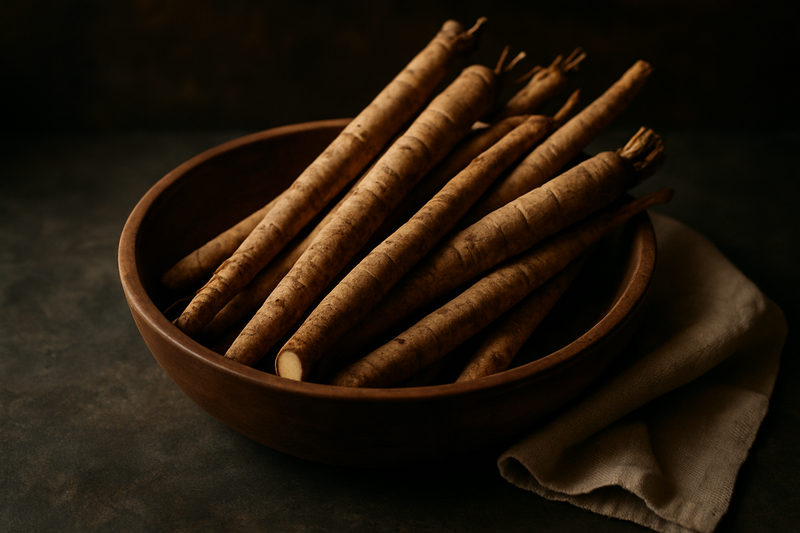
Burdock Root · Photograph
Explore the real burdock root health benefits and side effects — from digestion and blood sugar support to detox claims and safety concerns. Covers nutrition facts, how to cook gobo, tea dosing, and who should avoid it.
Key Nutrients
% Daily Value based on 2,000 cal diet
Key active compounds in burdock root
- Inulin — A soluble, non-digestible fructan fiber (think of it as a long-chain sugar the body can't break down). Inulin acts as a prebiotic, feeding beneficial gut bacteria, and may modestly slow glucose absorption after meals.
- Lignans (e.g., arctiin) — Plant polyphenols structurally related to phytoestrogens (weak plant-based compounds that can loosely mimic estrogen). They show antioxidant and anti-inflammatory activity in cell studies, though human data are limited.
- Phenolic acids (e.g., chlorogenic acid) — Antioxidant compounds that help neutralize free radicals (unstable molecules that can damage cells) in lab models. Their clinical impact from dietary burdock is still uncertain.
Prep and pairing ideas
Burdock root has an earthy, slightly sweet flavor with a pleasantly crisp texture when lightly cooked. Its astringency (a drying, puckering sensation from tannins) is easily reduced by peeling, cutting, and soaking slices in cold water for 10–15 minutes before cooking.
Common pairings
- Burdock + carrot (kinpira gobo): The classic Japanese combination. Both roots are shaved into thin matchsticks, sautéed in sesame oil, and finished with soy sauce, mirin, and a pinch of chili. The sweet carrot balances burdock's earthiness, and the sesame oil helps absorb fat-soluble compounds.
- Burdock + miso in simmered soups (tonjiru-style): Slow simmering in a dashi or kombu-based broth with miso softens the fibrous texture significantly, making it gentler on digestion and ideal for people new to the root. Adding tofu or edamame increases plant protein.
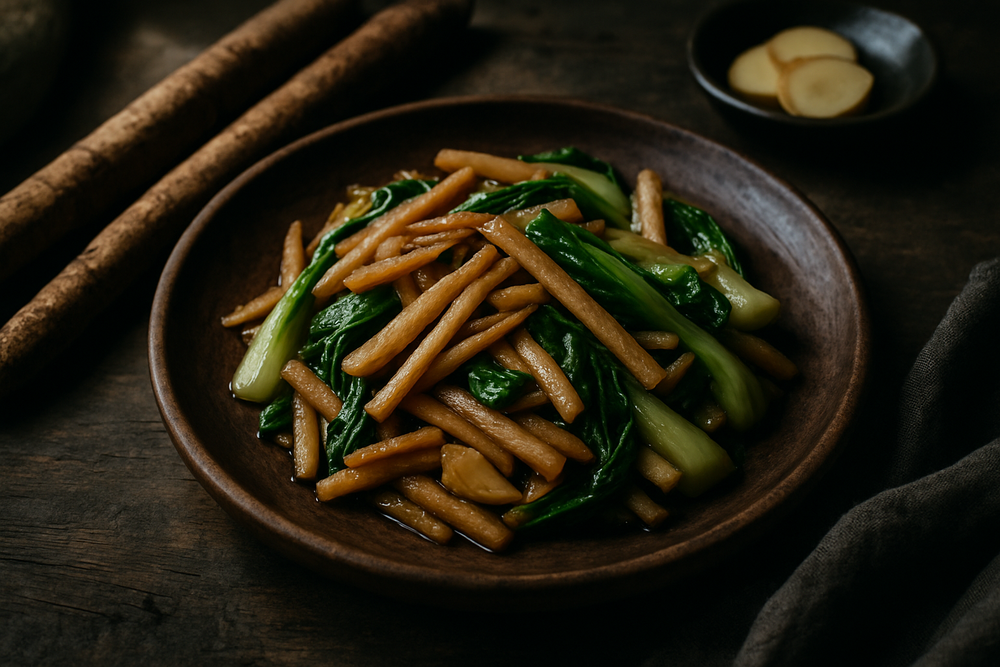
- Burdock + ginger in stir-fries: Fresh ginger's anti-nausea and digestive-support properties complement burdock's prebiotic fiber. Stir-fry together with bok choy and a splash of tamari for a quick weeknight dish.
Basic prep steps:
- Scrub the root under cold water with a brush (much of the flavor is in the skin; peeling is optional but reduces bitterness).
- Slice into matchsticks or thin rounds immediately.
- Drop into cold water with a splash of rice vinegar to prevent browning and reduce astringency.
- Drain and cook; do not eat large amounts raw until you know your tolerance.
Looking for more recipe ideas using root vegetables and other whole-plant ingredients? Explore Plantopedia's goals section to match ingredients to what you're working toward.
Troubleshooting: common issues with burdock root
1. Digestive discomfort (gas, bloating, loose stools) This is the most frequently reported issue and is typical of high-inulin foods. Solution: start with 50 g cooked (not raw), always peel and soak first, and increase portion size gradually over 2–3 weeks. Cooking well reduces fiber density. If symptoms persist, reduce intake and speak with a dietitian.
2. Bitter or overly astringent taste Caused by tannins and phenolic compounds concentrated near the skin. Solution: peel the root, soak cut pieces in cold water with a splash of vinegar for at least 15 minutes, and cook in fresh water. Using it in soy-based braises (simmered with soy sauce and mirin) naturally masks bitterness.
3. Browning after cutting Burdock oxidizes quickly, turning grey-brown within minutes of cutting — similar to apple or artichoke. This is harmless but unappetizing. Solution: cut directly into cold water containing a little rice vinegar or lemon juice. Cook promptly after soaking.
Bottom line
Burdock root is a nutritious whole-food vegetable with a long culinary history, particularly in Japanese cooking. Its most evidence-supported benefit is digestive: the inulin and fiber content can feed beneficial gut bacteria and support bowel regularity. Blood sugar, anti-inflammatory, skin, and detox claims are plausible given its phytochemical profile but are not yet confirmed in robust human clinical trials.
As a food — shaved into kinpira, simmered into soups, or stir-fried with ginger — burdock fits naturally into a whole-food plant-based diet and is safe for most healthy adults at typical culinary amounts. At supplement doses, the safety margin is less clear. Anyone taking blood thinners, diabetes medications, or diuretics; anyone who is pregnant; and anyone with an Asteraceae allergy should seek medical advice before using burdock root medicinally.
The earthy, versatile gobo root is an excellent addition to a varied vegetable-rich plate. It is not a magic bullet — but it does not need to be.
How Burdock Root Compares
| Compared with | What's different |
|---|---|
| Burdock Root vs. Parsnip | Parsnips are sweeter and starchier, while burdock is earthier and richer in prebiotic inulin fiber. |
| Burdock Root vs. Salsify | Salsify has a milder, oyster-like flavor; burdock is more fibrous and requires soaking to remove bitterness. |
Health Benefits
Things to Know
Diuretic effects: Burdock is a mild diuretic (it can increase urine output). This may worsen dehydration and electrolyte imbalance, especially if you also take prescription diuretics ("water pills").
Blood-thinning medications: Animal and mechanistic data suggest burdock may have anti-platelet effects. People on warfarin, direct oral anticoagulants (DOACs), aspirin, or clopidogrel should consult their doctor before using burdock supplements.
Diabetes medications: Possible additive blood sugar–lowering effects could increase the risk of hypoglycemia in people on insulin or oral hypoglycemic agents. Monitor blood glucose closely.
Antihypertensive medications: Burdock's diuretic action may interact with blood pressure drugs. Monitor blood pressure.
Asteraceae allergy: Burdock belongs to the same plant family as ragweed, daisies, and chrysanthemums. People with known allergies to these plants are at higher risk of allergic reactions, including contact dermatitis, hives, or in rare cases, anaphylaxis.
Pregnancy and breastfeeding: Safety data are insufficient. Most evidence-based sources recommend avoiding medicinal doses (teas, tinctures, capsules) during pregnancy and breastfeeding. Culinary use in small amounts as part of a varied diet is generally considered lower risk, but seek advice from your midwife or doctor.
Liver disease: Rare case reports describe acute liver injury (hepatotoxicity) associated with burdock products. Use caution with concentrated extracts if you have any liver condition.
Wild foraging risk: Burdock leaves and unripe burs can resemble parts of belladonna (deadly nightshade), a highly toxic plant. Never forage wild burdock unless you are trained in plant identification. Always buy gobo from a reputable food source.
Kidney disease: Diuretic effects and fluid shifts may be problematic. Seek medical advice first.
Best Forms
The most nutritious option for whole-food eating. Look for firm, smooth roots 60–90 cm long with no soft spots. Sold in Asian supermarkets year-round. Store unwashed in the fridge wrapped in a damp cloth or paper towel for up to two weeks.
Convenient and widely available in health food stores and online. Quality varies. Look for products with a single ingredient (burdock root) and a reputable manufacturer. Organic certification can reduce pesticide exposure.
Useful if you dislike the taste, but concentrated extracts have the least safety data. Look for standardized extracts with a disclosed dose (mg of root per capsule) and third-party testing for purity.
Practical for quick cooking; rinse well to reduce sodium. Fiber and minerals are reasonably preserved.
Prep Ideas
- — **Burdock + carrot (kinpira gobo):** The classic Japanese combination. Both roots are shaved into thin matchsticks, sautéed in sesame oil, and finished with soy sauce, mirin, and a pinch of chili. The sweet carrot balances burdock's earthiness, and the sesame oil helps absorb fat-soluble compounds.
- — **Burdock + miso in simmered soups (tonjiru-style):** Slow simmering in a dashi or kombu-based broth with miso softens the fibrous texture significantly, making it gentler on digestion and ideal for people new to the root. Adding tofu or edamame increases plant protein.
- — **Burdock + ginger in stir-fries:** Fresh ginger's anti-nausea and digestive-support properties complement burdock's prebiotic fiber. Stir-fry together with bok choy and a splash of tamari for a quick weeknight dish.
- — Scrub the root under cold water with a brush (much of the flavor is in the skin; peeling is optional but reduces bitterness).
- — Slice into matchsticks or thin rounds immediately.
- — Drop into cold water with a splash of rice vinegar to prevent browning and reduce astringency.
- — Drain and cook; do not eat large amounts raw until you know your tolerance.
Shop This Ingredient
Stock your pantry with quality burdock root.
Buy on AmazonAs an Amazon Associate, Plantopedia earns from qualifying purchases. This costs you nothing extra and helps us keep the encyclopedia free.
Frequently Asked Questions
Burdock root, called gobo in Japanese, is the long edible taproot of Arctium lappa, a plant native to Eurasia and naturalized worldwide. It is a staple vegetable in Japanese cuisine, most famously used in kinpira gobo (sautéed burdock and carrot strips) and in simmered soups. It has an earthy, mildly sweet flavor and firm texture, and is usually peeled, soaked, and cooked before eating.
Eating burdock root as a cooked vegetable a few times per week is considered safe for most healthy adults — it has FDA GRAS status at normal food amounts. Daily consumption as a tea (1–2 cups) is a traditional practice, but there are no long-term human safety trials to confirm this is optimal or risk-free. People with health conditions, those on medications, or those who are pregnant should check with a doctor before making it a daily habit, especially in concentrated tea or supplement form.
Burdock root may have modest blood sugar–influencing properties due to its inulin and fiber content, and some traditional and preclinical data suggest possible glucose-modulating effects. However, there are no well-designed human trials confirming that burdock root specifically lowers blood glucose at dietary or supplemental doses. People on insulin or oral diabetes medications should monitor their blood sugar closely if they begin using burdock in medicinal quantities, as an additive hypoglycemic effect cannot be excluded.
The most common side effects are digestive: gas, bloating, nausea, and loose stools, particularly when fiber intake is increased too quickly or in people with IBS. Burdock also has mild diuretic effects that can increase urination. Less common but more serious risks include allergic reactions (especially in people allergic to ragweed or daisies) and, in rare cases, acute liver injury from concentrated products. Wild-foraged burdock carries a misidentification risk with the toxic plant belladonna.
Burdock root is widely marketed for "detox" and liver support, but there is no credible human clinical evidence confirming it accelerates the body's natural detoxification processes or improves liver function. The liver has a highly efficient built-in detox system that does not require external boosting from any single food or supplement. Some case reports have actually linked concentrated burdock products to liver injury, which is worth bearing in mind. Eating it as a whole-food vegetable as part of a balanced diet is a more evidence-aligned approach than using it for detox purposes.
Key caution groups include: people taking blood thinners (warfarin, DOACs, aspirin), diabetes medications, or diuretics; people with kidney or liver disease; pregnant or breastfeeding individuals; anyone allergic to ragweed, daisies, or chrysanthemums; and people with low blood pressure. Children should not use medicinal burdock supplements. If you're in any of these groups, speak with a healthcare professional before adding burdock root beyond occasional culinary use.
Quick Answers
Common questions, answered in a line.
Burdock root contains high levels of inulin, a prebiotic fiber that feeds beneficial gut bacteria and supports regular bowel movements. This soluble fiber acts as a long-chain sugar that the body cannot break down, helping to improve overall digestive health.
Burdock root contains antioxidant compounds like phenolic acids (chlorogenic acid) and lignans (arctiin) that help neutralize free radicals and reduce inflammation. These plant polyphenols protect cells from damage in lab models, though human clinical data remains limited.
To reduce the bitterness and astringency of burdock root, you should peel it, slice it, and soak the pieces in cold water with a splash of rice vinegar for 15 minutes. This process removes excess tannins and phenolic compounds concentrated near the skin.
Burdock root oxidizes and turns grey-brown quickly after being sliced, so you should place cut pieces immediately into a bowl of cold water mixed with lemon juice or vinegar. This harmless reaction is similar to what happens to apples or artichokes when exposed to air.
Kinpira gobo is a traditional Japanese dish featuring burdock root and carrots shaved into matchsticks and sautéed in sesame oil with soy sauce and mirin. The sweetness of the carrots helps balance the earthiness of the burdock for a well-rounded flavor.
You should avoid foraging wild burdock because its leaves and burs can be easily mistaken for belladonna, a highly toxic and deadly nightshade plant. To ensure safety, it is recommended to purchase gobo only from reputable food sources rather than gathering it yourself.
People taking blood thinners like warfarin or aspirin should consult a doctor because burdock may have anti-platelet effects that increase the risk of bleeding. Animal data suggests the root can interact with these medications by potentially thinning the blood further.
For Readers in the USA
Local context — sourcing, seasonality, and regional notes.
You can typically find fresh burdock root at H Mart, Mitsuwa Marketplace, and 99 Ranch Market, as well as health-focused retailers like Whole Foods Market. Many local farmers markets in the Pacific Northwest and Northeast also carry it during the fall harvest season.
In the U.S., burdock root is primarily grown in temperate regions like the Pacific Northwest and the Northeast, with its peak harvest season running from late summer through early winter. While it grows wild as a weed across most of North America, commercial culinary varieties are specifically cultivated for their tender texture.
The USDA Organic seal ensures that burdock root was grown without synthetic fertilizers or prohibited pesticides and is non-GMO. When buying burdock tea or supplements, looking for the USDA Organic label can also help ensure the product hasn't been treated with chemical preservatives during processing.
While most U.S. grocery stores use the Japanese name "gobo," you may also see it labeled as "beggar's buttons," "wild rhubarb," or "cocklebur" in rural American foraging circles. In the Southern U.S., it is occasionally included in traditional herbal "root beer" or tonic preparations alongside sarsaparilla.
AI Clinical Review
- Accurately frames burdock root (gobo) as a nutritious food first, with meaningful fiber (including inulin) and potassium that support general health.
- Correctly highlights digestive support as the most evidence-aligned benefit, given inulin’s prebiotic role in promoting beneficial gut bacteria and bowel regularity.
- Appropriately distinguishes traditional and mechanistic claims (blood sugar, anti-inflammatory, skin/“detox”) from the scarce human clinical data, urging cautious interpretation.
- Offers practical culinary guidance (peeling/soaking, cooking methods) that can reduce astringency and GI discomfort—useful for real-world tolerance.
- Human trials are limited: there are few, if any, well-designed randomized studies testing whole burdock root on glucose control, lipids, blood pressure, or inflammatory markers.
- The clinical relevance of specific polyphenols (e.g., arctiin, chlorogenic acid) seen in lab/animal work remains uncertain at typical dietary intakes.
- “Detox” and skin benefits are largely anecdotal; no convincing human evidence shows burdock accelerates liver detoxification or reliably improves acne/eczema.
- Potential antiplatelet effects suggested by mechanistic studies need confirmation in humans before drawing conclusions about cardiovascular impact or bleeding risk.
- Culinary amounts are the safest starting point: about 50–100 g cooked per serving, a few times per week. Increase gradually to minimize gas/bloating from inulin.
- Tea and supplements vary widely in dose and quality. If using tea, many traditions use ~1–2 g dried root per cup; start with 1 cup and monitor tolerance. Avoid exceeding labeled doses for extracts.
- Check with a clinician first if you use blood thinners (e.g., warfarin, DOACs, aspirin), diabetes medications, or diuretics, or if you have kidney/liver disease, are pregnant/breastfeeding, or have Asteraceae (ragweed/daisy) allergies.
- Avoid wild foraging unless trained—misidentification with toxic lookalikes is a real risk; buy gobo from reputable food suppliers.
Diuretic; avoid confusing wild burdock with toxic belladonna. Peel and soak to reduce astringency.
References
- USDA FoodData Central — Burdock root, raw (nutrient data) (fdc.nal.usda.gov)
- MyPlate Vegetables Group guidance — USDA (myplate.gov)
- Medical News Today — Burdock root: Benefits, side effects, and uses (medicalnewstoday.com)
- University of Rochester Medical Center — Burdock herb monograph (urmc.rochester.edu)
- Drugs.com / Natural Product Database — Burdock monograph (safety and interactions) (drugs.com)
- GoodRx Well-Being — What Are the Health Benefits of Burdock Root? (goodrx.com)
- Acıbadem International Health Library — Burdock Root: An Evidence-Based Guide for Patients (acibademinternational.com)
- Cymbiotika Health Hub — Understanding the Side Effects of Burdock Root (cymbiotika.com)
- ClinicalTrials.gov — Clinical Efficacy Trial of Burdock Root Extract (NCT07002762) (clinicaltrials.gov)
- Rexall Canada — Burdock herb safety overview (rexall.ca)
Know Your Numbers
Eating healthy is a start. Now get to know your biomarkers.
Food changes bloodwork — inflammation, lipids, blood sugar and nutrient status all respond to what you eat. 59 markers from $59.
- Results in 7–10 days at 2,000+ Quest sites
- Licensed provider reviews every result
- One flat price, no membership, HSA/FSA eligible
Educational information only, not medical advice. Panels are ordered and reviewed through our licensed partner; Plantopedia may earn a commission.