Celery Seed — health benefits and uses
Traditional remedy for joint comfort and as a mild diuretic.
The Short Answer
Celery seed is a concentrated spice used for its savory, earthy flavor and potential to support healthy blood pressure through active compounds like NBP. It is a staple in pickling brines, coleslaw dressings, and potato salads, providing the essence of celery

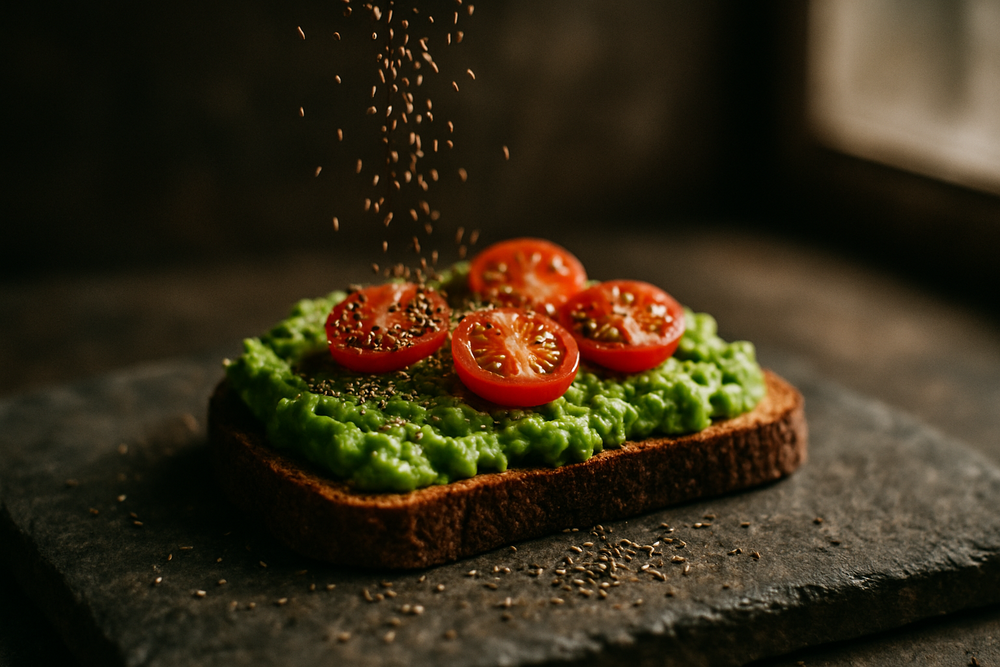
Celery Seed · Photograph
Discover the science-backed celery seed benefits and side effects, from blood pressure and gout support to digestive health. Learn how to use celery seed in pickles, dressings, and coleslaw — plus who should avoid medicinal doses.
Key Nutrients
% Daily Value based on 2,000 cal diet
Key active compounds in celery seed
These are the main phytochemicals (beneficial plant chemicals) researchers believe drive celery seed's effects:
- 3-n-Butylphthalide (NBP): The most studied phthalide (a type of aromatic compound) in celery. In preclinical work and early human trials, NBP supports vasodilation (widening of blood vessels) and appears to protect vascular cells from oxidative damage. It is the primary reason researchers focus on celery seed for blood pressure.
- Apiol: A phenylpropanoid (a volatile aromatic compound) concentrated in the seed's essential oil. Historically used as a diuretic and, at high doses, a uterine stimulant — which is why medicinal amounts are cautioned against in pregnancy.
- Apigenin: A flavonoid (a class of plant antioxidants) found in both seeds and leaves. Shows antioxidant, anti-inflammatory, and possible neuroprotective effects in lab models.
- Luteolin: A polyphenolic flavonoid that scavenges free radicals (unstable molecules that damage cells) and demonstrates vasorelaxant (blood-vessel-relaxing) properties in experimental systems.
- Volatile essential oils (limonene, selinene, phthalides): Responsible for the characteristic aroma and contribute to the seed's carminative (gas-relieving) traditional uses.
Prep and pairing ideas
Celery seed is one of those spices that disappears into a dish — you often taste it without knowing it is there — but its absence is noticeable in classic recipes.
Classic pickles and brines A teaspoon of whole celery seeds added to a jar of cucumber pickles or pickled green tomatoes is the quintessential use. The seeds contribute both flavor and their aromatic compounds to the brine. For quick refrigerator pickles, combine with dill, garlic, mustard seed, and apple cider vinegar.
Coleslaw and slaws Half a teaspoon ground into the dressing ties together the sweetness of cabbage and carrot in coleslaw. It works equally well in broccoli slaw or shaved Brussels sprout salads. Pair with a tahini-lemon dressing to complement the seed's slightly bitter, herby edge.
Salad dressings and potato salads Celery seed is a non-negotiable ingredient in many classic American potato salad recipes. A small amount added to a mustard-vinegar vinaigrette for grain bowls or green salads adds depth without any actual celery texture.
Common pairings and why they work
- Celery seed + mustard seed + dill: The classic pickling trio. Each seed contributes a different aromatic note — celery for warmth, mustard for heat, dill for brightness — and together they create the familiar brine flavor profile.
- Celery seed + apple cider vinegar + tahini: The slight bitterness of celery seed is softened by vinegar's acidity and tahini's fat, making a dressing that works well on shredded cabbage or roasted root vegetables.
- Celery seed + smoked paprika + black pepper: A dry rub combination for roasted chickpeas, tofu, or tempeh. The celery seed adds a savory herbal back-note that mimics the effect of using smoked meat seasonings in plant-based cooking.
Bottom line
Celery seed is a well-tolerated, flavorful whole spice with a meaningful body of emerging clinical evidence — particularly for blood pressure and triglycerides — to complement its longstanding culinary role in pickles, dressings, and coleslaws. Its active compounds, especially the phthalide NBP and flavonoids apigenin and luteolin, show genuine bioactivity in preclinical and early human research.
That said, the strongest health effects documented in trials come from concentrated extracts or powder doses far higher than typical cooking amounts. Culinary use is safe and enjoyable for most people; supplement use warrants more caution, especially in pregnancy, kidney disease, and for anyone on blood pressure or anticoagulant medications.
The honest summary: add celery seed freely to your kitchen, be curious about the emerging science, and keep supplement decisions in conversation with your healthcare team.
How Celery Seed Compares
| Compared with | What's different |
|---|---|
| Celery Seed vs. Fennel Seed | Larger and sweeter with a citrus-licorice note; celery seed is smaller and more savory-bitter. |
| Celery Seed vs. Cumin Seed | Stronger earthy, smoky flavor; celery seed is more herbal and acts as a concentrated celery extract. |
| Celery Seed vs. Dill Seed | Bright, grassy, and floral; celery seed provides a darker, spicy-bitter base for brines and slaws. |
Health Benefits
Things to Know
Pregnancy: Avoid medicinal or supplement doses. Apiol in concentrated amounts has traditional uterine-stimulant properties. Culinary quantities used in cooking are generally considered safe.
Kidney disease: Celery seed extracts can alter kidney markers like blood urea nitrogen and creatinine. If you have chronic kidney disease or significant renal impairment, use supplements only under medical supervision.
Blood pressure medications: High-dose celery seed extracts may have additive blood-pressure-lowering effects with ACE inhibitors, ARBs, beta-blockers, calcium channel blockers, or thiazide diuretics — potentially causing blood pressure to drop too low.
Anticoagulants and blood thinners: Celery seed contains vitamin K and may affect coagulation (clotting). If you take warfarin, direct oral anticoagulants, aspirin, or clopidogrel, consult your doctor before using high-dose supplements.
Diuretics: Potential additive fluid and electrolyte effects with loop and thiazide diuretics when using concentrated preparations.
Apiaceae allergy: If you are allergic to other members of the carrot family — parsley, fennel, carrot, dill, coriander — you may cross-react with celery seed. Start with a tiny amount and monitor for symptoms.
Photosensitivity: Rare cross-reactions involving skin sensitivity to sunlight are reported with celery-family plants. A known concern primarily at high exposures.
Gout medications: Celery seed may further lower uric acid, which could interact with allopurinol or febuxostat. Monitor levels with your healthcare provider.
Breastfeeding: High-dose extract safety has not been established. Culinary use is likely fine; supplements are best avoided without professional guidance.
Prep Ideas
- — Celery seed + mustard seed + dill: The classic pickling trio. Each seed contributes a different aromatic note — celery for warmth, mustard for heat, dill for brightness — and together they create the familiar brine flavor profile.
- — Celery seed + apple cider vinegar + tahini: The slight bitterness of celery seed is softened by vinegar's acidity and tahini's fat, making a dressing that works well on shredded cabbage or roasted root vegetables.
- — Celery seed + smoked paprika + black pepper: A dry rub combination for roasted chickpeas, tofu, or tempeh. The celery seed adds a savory herbal back-note that mimics the effect of using smoked meat seasonings in plant-based cooking.
Glossary
Shop This Ingredient
Stock your pantry with quality celery seed.
Buy on AmazonAs an Amazon Associate, Plantopedia earns from qualifying purchases. This costs you nothing extra and helps us keep the encyclopedia free.
Frequently Asked Questions
Heart and circulation This is where the human evidence is strongest. A 2025 systematic review and meta-analysis in Frontiers in Nutrition pooled data from multiple interventional trials and found that celery preparations — including seed extracts — consistently reduced both systolic (top number) and diastolic (bottom number) blood pressure in adults with hypertension (high blood pressure). In one triple-blind randomized crossover trial, 1.34 g/day of celery seed extract for four weeks reduced systolic blood pressure by roughly 11 mmHg and diastolic by about 8 mmHg, without serious side effects. A separate randomized trial in people with metabolic syndrome (a cluster of conditions including high blood pressure, excess belly fat, high blood sugar, and abnormal cholesterol) found that 150 mg/day of celery seed extract for 12 weeks significantly lowered triglycerides (blood fats linked to heart disease risk) and VLDL (very-low-density lipoprotein — a harmful blood fat carrier), as well as uric acid. Effects on total cholesterol, LDL ("bad" cholesterol), and HDL ("good" cholesterol) appear minimal or inconsistent across studies. The proposed mechanisms include NBP-driven vasodilation, mild diuretic (fluid-expelling) effects, and antioxidant protection of the endothelium (the inner lining of blood vessels) — but these are mainly supported by animal and lab studies. Important context: All cardiovascular data come from standardized seed extracts or higher-dose powders used for 4–12 weeks in patients already diagnosed with a condition. Typical culinary pinches of celery seed in a pickle jar are far below these doses. Do not stop or adjust blood pressure medication based on this evidence alone. Digestive health and microbiome Modern clinical trials have not specifically tested celery seed for outcomes like bloating or gut motility. However, cardiometabolic trials report good gastrointestinal tolerability — participants generally experienced no meaningful digestive side effects at therapeutic doses. Traditionally, celery seed has long been classified as a carminative (a substance that relieves gas and bloating), and its aromatic essential oils are believed to stimulate digestive secretions. One practical and underappreciated benefit: using celery seed to make vegetable-rich dishes like coleslaw or pickled salads more flavorful may encourage people to eat more plant foods overall — which is a real, if indirect, boost to gut microbiome (the community of bacteria in your intestines) health through higher fiber intake. Blood sugar and metabolism A meta-analytic synthesis of randomized trials suggests that celery preparations modestly reduce fasting plasma glucose (blood sugar measured after not eating overnight) in adults with metabolic disturbances, though effect sizes are small and study quality varies. The 12-week metabolic syndrome trial showed favorable but secondary changes in fasting glucose alongside the more prominent blood pressure and triglyceride improvements. Evidence is emerging rather than established here. Blood sugar data come from mixed celery preparations — seeds, leaves, and combined extracts — making it hard to credit the seed alone. More and larger trials are needed. Inflammation and recovery Celery seed antioxidant and anti-inflammatory properties are well-documented in preclinical settings: apigenin and luteolin inhibit pro-inflammatory cytokines (signaling proteins that drive inflammation) and protect cells from oxidative stress (damage from free radicals). In humans, the evidence is more indirect — some trials report improvements in uric acid and liver enzymes, which are surrogate markers (stand-in measurements) associated with lower-grade inflammation. Traditional medicine across multiple cultures uses celery seeds for arthritis, joint pain, and inflammatory conditions. Rigorous human trials targeting inflammatory diseases directly are still lacking. Hormones and cycle health One double-blind, randomized placebo-controlled trial found that celery seed powder taken three times daily for six weeks significantly improved sexual desire, arousal, lubrication, and pain scores in women with female sexual dysfunction. This is a genuinely interesting finding, but the trial is small and short-term, and independent replication is needed before drawing firm conclusions. Apiol's traditional reputation as a uterine stimulant at high doses is the primary reason medicinal celery seed is cautioned against during pregnancy.
Buying guide: whole seed, ground, or extract? Whole dried seed (culinary spice) The default and most practical form for most people. Whole seeds keep their volatile oils locked in longer than pre-ground versions, meaning more flavor and more intact phytonutrients. Look for seeds that are uniformly grey-green, fragrant when crushed, and sealed in an airtight container. Avoid any product with a dull, musty smell or visible clumping (a sign of moisture exposure). Ground celery seed (powder) Convenient for rubs, salad dressings, and seasoning blends where you want the flavor to distribute evenly. Loses potency faster than whole seed — buy in small quantities and store in a dark, cool cupboard. Some powders are sold as encapsulated supplements at higher doses; these are not equivalent to the culinary spice. Standardized extract capsules This is the form used in most blood pressure and metabolic syndrome trials, at doses of 150 mg to 1.34 g per day. Standardized means the product is tested to contain a specific concentration of active compounds (usually phthalides). If you are considering a supplement for a specific health goal, look for a product that states the phthalide content on the label and has third-party testing verification (e.g., NSF, USP, or ConsumerLab seals). Essential oil The most concentrated and the most risky form. Culinary or aromatherapy use of a tiny amount is unlikely to cause harm, but oral medicinal doses of celery seed essential oil carry real toxicity risk from apiol. Avoid this form as a health supplement unless under professional guidance. Label tip for any form: Check that the ingredient is listed as Apium graveolens (seed), not a leaf or stalk extract, if you want the phthalide-rich properties studied in trials.
Culinary use (most people): There is no established "dose" when using celery seed as a spice. Typical recipes call for ¼ to 1 teaspoon (0.5–2 g) per dish. This is well within the range considered safe for general consumption and is the format most strongly recommended for everyday use. Supplement or extract use: Human clinical trials have used approximately 150 mg to 1.34 g per day of standardized celery seed extract, or up to about 6 g per day of powdered seed, typically split into two or three doses and taken for 4–12 weeks. These are therapeutic ranges studied under supervised trial conditions — not amounts to self-prescribe without speaking to a healthcare provider first. General guidance: Start with culinary amounts and appreciate the flavor benefits first. If you are considering a supplement, discuss it with your doctor, especially if you take blood pressure or blood-thinning medication. More is not better. The essential oil-rich compounds in celery seed that may benefit health at low doses carry toxicity risk at very high doses. There is currently no evidence that culinary amounts of celery seed produce the same blood-pressure effects documented in supplement trials. If you want to explore how celery seed fits into a broader food-as-medicine approach, see what the research says about related anti-inflammatory eating patterns at /goals.
Quick Answers
Common questions, answered in a line.
Celery seed is a non-negotiable ingredient in classic American potato salad, often added to a mustard-vinegar vinaigrette to provide depth. It is also essential for coleslaw dressings and brines for cucumber or green tomato pickles.
You should avoid medicinal or supplemental doses of celery seed during pregnancy because it contains apiol, which can act as a uterine stimulant. While concentrated extracts are discouraged, standard culinary amounts used in cooking are generally considered safe.
Celery seed may interact with blood pressure medications, anticoagulants (blood thinners), diuretics, and gout medications like allopurinol. High doses of the seed extract could cause blood pressure to drop too low or interfere with blood clotting and electrolyte levels.
Celery seed may support blood pressure management due to a compound called 3-n-Butylphthalide (NBP), which aids in vasodilation. Preclinical and early human trials suggest NBP helps widen blood vessels and protects vascular cells from oxidative damage.
People with chronic kidney disease or significant renal impairment should avoid celery seed supplements unless under medical supervision. The extracts have been shown to alter important kidney markers such as blood urea nitrogen and creatinine.
Celery seed contains volatile essential oils like limonene and selinene that provide carminative properties, which help relieve gas. These aromatic compounds contribute to its traditional use as a digestive aid.
Celery seed pairs exceptionally well with mustard seed and dill for pickling, or with smoked paprika and black pepper for a savory dry rub. Its slight bitterness is also traditionally balanced by the acidity of apple cider vinegar and the richness of tahini.
For Readers in the USA
Local context — sourcing, seasonality, and regional notes.
You can buy celery seed in the spice aisle of major U.S. grocery chains like Kroger, Safeway, and Whole Foods, or in bulk at local food cooperatives and farmers markets. Most American supermarkets stock both whole and ground versions from national brands like McCormick or organic options like Simply Organic.
While California and Michigan lead U.S. commercial celery production, most culinary celery seed sold in the U.S. is imported from India or France. Domestically grown celery is typically harvested for its stalks, whereas the seed-producing varieties are specialized crops often sourced globally to ensure year-round availability in the American market.
In the U.S., celery seed is a staple of "Mid-Atlantic" and "Southern" coastal cuisine, serving as a primary ingredient in Old Bay Seasoning and classic Chicago-style hot dog salt. It is also a fundamental component of Pennsylvania Dutch-style pickles and coleslaws found throughout the Midwest.
Look for the USDA Organic seal on celery seed packaging to ensure the product was grown without synthetic pesticides and is non-irradiated. The FDA classifies celery seed as "Generally Recognized as Safe" (GRAS) for use as a natural flavoring and spice in food products.
AI Clinical Review
- Clearly separates culinary use from supplement dosing and notes that the strongest human data (small randomized trials) involve standardized extracts rather than kitchen amounts.
- Accurately highlights blood pressure as the most supported outcome to date and frames effects as modest, not a replacement for prescribed therapy.
- Identifies plausible active compounds (phthalides like 3‑n‑butylphthalide, plus apigenin and luteolin) and mechanisms such as vasodilation and mild diuretic action without overclaiming.
- Offers practical guidance on forms (whole seed, ground, extract) and provides a realistic nutrition snapshot, including the noteworthy iron contribution per teaspoon.
- Magnitude and durability of blood‑pressure reduction: most trials are small, short (about 4–12 weeks), and use varying preparations, so long‑term benefit is uncertain.
- Lipids, uric acid, and glucose findings are inconsistent and often secondary outcomes; larger targeted studies are needed to confirm clinical relevance.
- Digestive benefits remain largely traditional (carminative) with limited modern clinical testing specific to bloating or motility.
- Early signals for gout and female sexual function are intriguing but based on limited studies that require independent replication.
- Dose matters: clinical studies typically use standardized extracts (~150 mg to ~1.34 g/day) or higher‑dose powders; these are not comparable to ¼–1 tsp used in recipes. A “standardized extract” means the amount of key actives is measured and listed on the label.
- Safety considerations: avoid supplement‑level doses in pregnancy (apiol‑related uterine stimulation) and use caution with kidney disease. Potential interactions include antihypertensives, diuretics, and blood thinners (e.g., warfarin, DOACs, aspirin, clopidogrel).
- Form matters: essential oil is the most concentrated and riskiest for oral use; if choosing a supplement, look for Apium graveolens seed with third‑party testing (e.g., USP/NSF/ConsumerLab).
- Allergy/photosensitivity: possible cross‑reactivity within the carrot family (celery, parsley, dill, fennel, coriander); start with small culinary amounts if you have related allergies.
Avoid medicinal doses in pregnancy or kidney disease; culinary amounts are fine.
References
- USDA FoodData Central — Spices, celery seed (nutrition reference) (fdc.nal.usda.gov)
- Systematic review and meta-analysis: celery on blood pressure (Frontiers in Nutrition, 2025) (frontiersin.org)
- Randomized trial: celery seed extract on metabolic syndrome components (PMC, 2025) (pmc.ncbi.nlm.nih.gov)
- Randomized trial: celery seed extract on cardiometabolic markers (PubMed, 2022) (pubmed.ncbi.nlm.nih.gov)
- Narrative review: antihypertensive property of celery (PMC, 2024) (pmc.ncbi.nlm.nih.gov)
- Review: efficacy and safety of celery in human clinical trials (assets.cdn.filesafe.space)
- Review: in vivo and in vitro applications of celery seed (SAGE Journals, 2025) (journals.sagepub.com)
- Clinical dose table for celery seed preparations (PMC supplementary data) (pmc.ncbi.nlm.nih.gov)
- Nutrition facts for celery seed, 1 tsp (USDA-derived, MyFoodData) (tools.myfooddata.com)
- NutritiionFacts.org: benefits and side effects of celery (nutritionfacts.org)
Know Your Numbers
Eating healthy is a start. Now get to know your biomarkers.
Food changes bloodwork — inflammation, lipids, blood sugar and nutrient status all respond to what you eat. 59 markers from $59.
- Results in 7–10 days at 2,000+ Quest sites
- Licensed provider reviews every result
- One flat price, no membership, HSA/FSA eligible
Educational information only, not medical advice. Panels are ordered and reviewed through our licensed partner; Plantopedia may earn a commission.