Fennel Pollen — health benefits and uses
A concentrated form of fennel, long a Mediterranean digestive aromatic.
The Short Answer
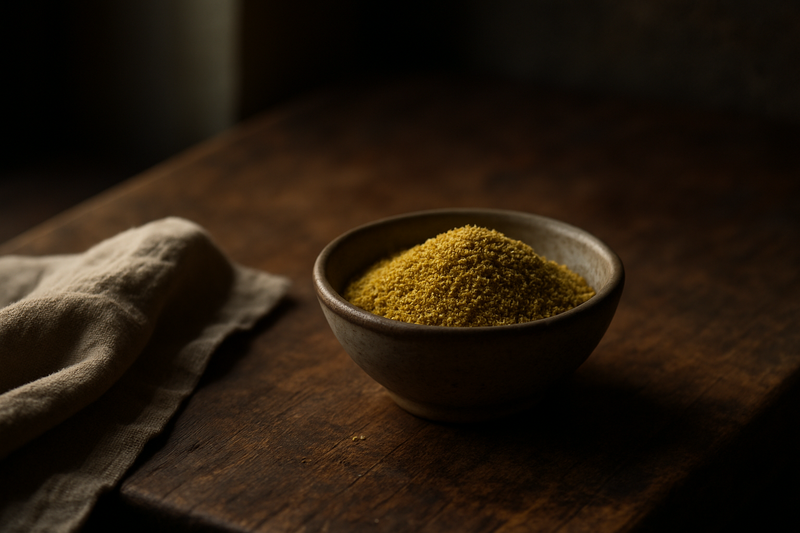
Fennel pollen is an aromatic spice harvested from fennel flowers, prized for its intense anise flavor and digestive benefits. Use it as a finishing touch on roasted vegetables, breads, or seafood to preserve its volatile oils and sweet scent.
Fennel Pollen · Photograph
Discover fennel pollen benefits, uses, and side effects in this evidence-aligned guide. Learn how this intensely aromatic finishing spice may support digestion and antioxidant intake, plus who should use it cautiously and how to add it to roasted vegetables, breads, and more.
Key Nutrients
% Daily Value based on 2,000 cal diet
Key active compounds in fennel pollen
Understanding what's in fennel pollen helps explain why researchers are interested in the fennel plant family at all.
- Anethole — The dominant phenylpropanoid (a type of aromatic plant chemical) responsible for fennel's characteristic sweet-anise scent. Anethole has shown antispasmodic, anti-inflammatory, antimicrobial, and mild estrogenic effects in experimental models. It is found in both the pollen and the seeds.
- Estragole — Another phenylpropanoid contributing to flavor. At high doses in rodent studies, estragole has shown carcinogenic potential, though risk at typical culinary decoction levels is considered low. This is one reason concentrated fennel extracts and essential oils require caution.
- Quercetin — A well-studied polyphenolic flavonoid (plant pigment with antioxidant activity) that can neutralize free radicals and modulate inflammatory pathways. Found in fennel pollen according to multiple analyses.
- Kaempferol — A flavonoid antioxidant also detected in fennel pollen. Demonstrates anti-inflammatory properties in cell and animal studies.
- Rutin — A flavonoid glycoside (a flavonoid attached to a sugar molecule) that supports capillary (small blood vessel) integrity and has antioxidant effects in preclinical models.
- Volatile oil complex — Beyond anethole and estragole, fennel pollen contains a blend of terpenes and esters that contribute to its complex aromatic profile and plausible antimicrobial properties.
Prep and pairing ideas
Buying guide: what to look for
Fennel pollen is sold by specialty spice merchants and some natural food stores. Look for:
- Color: Bright golden-yellow to pale green. Dull gray or brown suggests age or poor storage.
- Aroma: Intensely sweet and anise-like when you open the jar. Faint or dusty smell = past its prime.
- Packaging: Airtight, dark glass or opaque container. Light and oxygen degrade volatile oils quickly.
- Fresh vs. dried: Fresh pollen can be harvested from garden fennel but is highly perishable; dried pollen keeps for 6–12 months properly sealed. Frozen pollen retains aroma better than room-temperature storage past the 6-month mark.
- Supplements: Skip isolated fennel pollen supplements unless directed by a clinician — the dose and purity are harder to control, and the culinary form is both safer and more pleasurable.
Three practical pairings and why they work
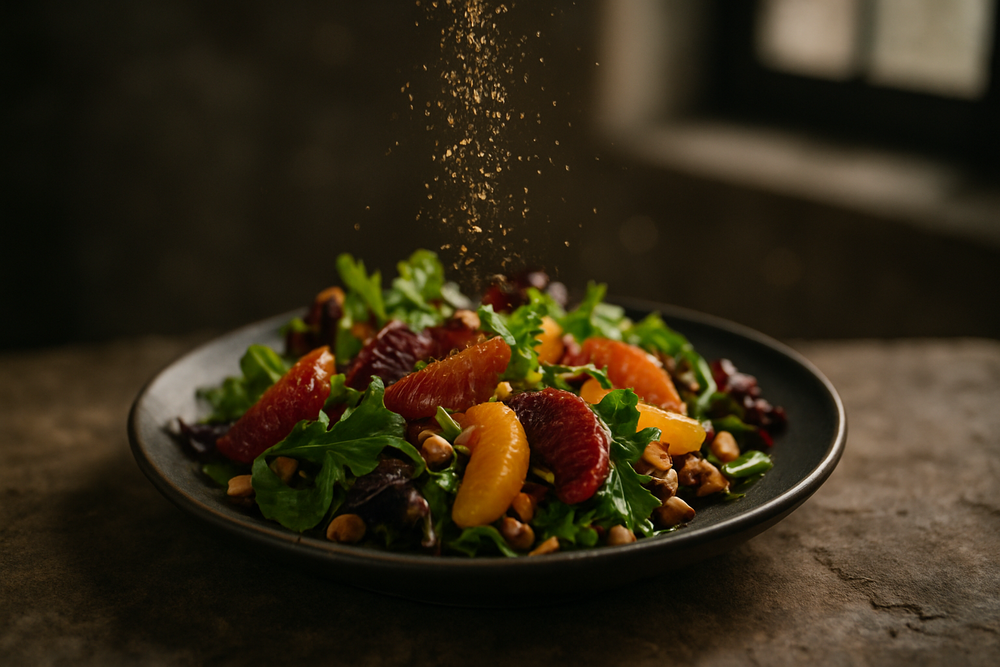
- Fennel pollen + roasted carrots or parsnips — The earthy sweetness of root vegetables creates a natural bridge for fennel pollen's anise notes. Dust over just before serving so the volatile oils stay bright.
- Fennel pollen + sourdough or flatbread dough — Stir ¼ tsp into the dough or sprinkle on top before baking. The heat blooms the aroma and distributes it evenly through the crumb.
- Fennel pollen + lemon + white beans — A simple finishing combination where the citrus sharpens the pollen's sweetness. Toss warm cannellini or butter beans with lemon zest, olive oil, and a pinch of pollen for an easy, plant-forward side.
Bottom line
Fennel pollen is a genuinely special ingredient: intensely aromatic, phytochemically interesting, and a pleasure to cook with. Its key compounds — anethole, quercetin, kaempferol — have biological activity that makes its traditional reputation for supporting digestion and reducing inflammation plausible, even if direct human clinical trials on the pollen itself are absent.
At culinary pinch-level doses, it is safe for most healthy adults and fits comfortably into a whole-food, plant-based kitchen as a finishing spice. The safety caveats become real and meaningful when you move toward concentrated extracts, high-dose teas, or supplemental forms — especially during pregnancy, breastfeeding, or in people with hormone-sensitive conditions or seizure disorders.
Use it generously over roasted vegetables and breads. Treat it as a flavorful, phytochemical-rich accent to a varied diet rather than a therapeutic supplement. And if you're considering fennel for a specific health goal, talk to a qualified clinician about the better-evidenced seed or extract forms.
How Fennel Pollen Compares
| Compared with | What's different |
|---|---|
| Fennel Pollen vs. Fennel Seeds | More intense, citrusy-sweet aroma used as a finishing spice rather than a cooking base. |
| Fennel Pollen vs. Dill Weed | Milder, grassy flavor with less anise intensity; used as a fresh herb rather than a dried spice. |
Health Benefits
Things to Know
Pregnancy: Regular or medicinal use of fennel has been associated with preterm birth and stimulation of uterine contractions (emmenagogue effects). Limit to small culinary amounts only, and consult a midwife or OB before using fennel supplements or teas. Avoid concentrated forms entirely.
Breastfeeding: Case reports describe neurological damage in infants exposed to fennel-containing herbal tea through breast milk. Avoid medicinal fennel preparations while nursing.
Infants and young children: Some fennel teas have been used for colic, but safety concerns around hormonal activity and neurological effects warrant pediatric supervision.
Hormone-sensitive conditions: Fennel contains phytoestrogenic compounds. People with estrogen-dependent cancers (breast, uterine, ovarian), endometriosis, or uterine fibroids should avoid concentrated fennel products and discuss culinary use with their clinician.
Seizure disorders: Case reports link fennel volatile oil ingestion to seizures and epileptiform (seizure-like brain activity) reactions. People on anticonvulsant medication should avoid concentrated fennel preparations.
Apiaceae family allergy: If you are allergic to carrots, celery, dill, coriander, or mugwort, you may cross-react to fennel. Contact dermatitis and photodermatitis have been reported.
Kidney stone history / low-oxalate diets: Fennel seed contains moderate oxalate (~14.6 mg per teaspoon). Frequent high-dose seed-based preparations may add to oxalate load; pollen in pinch amounts is unlikely to matter.
Medications: Fennel may interact with antihypertensive drugs (blood pressure medications), hypoglycemic agents (blood sugar medications), and hormone therapies. If you take any of these, avoid large medicinal doses of fennel and discuss with your prescribing clinician.
Prep Ideas
- — Color: Bright golden-yellow to pale green. Dull gray or brown suggests age or poor storage.
- — Aroma: Intensely sweet and anise-like when you open the jar. Faint or dusty smell = past its prime.
- — Packaging: Airtight, dark glass or opaque container. Light and oxygen degrade volatile oils quickly.
- — Fresh vs. dried: Fresh pollen can be harvested from garden fennel but is highly perishable; dried pollen keeps for 6–12 months properly sealed. Frozen pollen retains aroma better than room-temperature storage past the 6-month mark.
- — Supplements: Skip isolated fennel pollen supplements unless directed by a clinician — the dose and purity are harder to control, and the culinary form is both safer and more pleasurable.
- — Fennel pollen + roasted carrots or parsnips — The earthy sweetness of root vegetables creates a natural bridge for fennel pollen's anise notes. Dust over just before serving so the volatile oils stay bright.
- — Fennel pollen + sourdough or flatbread dough — Stir ¼ tsp into the dough or sprinkle on top before baking. The heat blooms the aroma and distributes it evenly through the crumb.
- — Fennel pollen + lemon + white beans — A simple finishing combination where the citrus sharpens the pollen's sweetness. Toss warm cannellini or butter beans with lemon zest, olive oil, and a pinch of pollen for an easy, plant-forward side.
Glossary
Shop This Ingredient
Stock your pantry with quality fennel pollen.
Buy on AmazonAs an Amazon Associate, Plantopedia earns from qualifying purchases. This costs you nothing extra and helps us keep the encyclopedia free.
Frequently Asked Questions
Most of the evidence below comes from studies on fennel seeds, teas, or concentrated extracts — not from clinical trials on pollen itself. Where that distinction matters, it is noted. Digestive health and microbiome This is where the fennel family has the strongest human evidence. A double-blind, randomized controlled trial (a study design where neither participants nor researchers know who receives the treatment) found that a herbal formula containing Foeniculum vulgare and rose (Rosa damascena) significantly improved constipation severity, stool consistency, and quality of life in elderly patients compared to the laxative PEG 4000. A recent overview of fennel also found human-level evidence for fennel-based preparations in infantile colic. The mechanism is well-supported: anethole and related compounds appear to relax smooth muscle in the gut wall, reduce gas formation, and ease cramping. Fennel pollen almost certainly shares these compounds, though in smaller amounts per culinary serving than a therapeutic seed tea. For everyday digestive support, adding a pinch of fennel pollen to cooked vegetables or legume-based dishes is a low-risk, aromatic strategy that may help with bloating and post-meal comfort. Inflammation and antioxidant defense Multiple reviews of Foeniculum vulgare document antioxidant and anti-inflammatory effects in cell and animal studies, including reductions in oxidative stress markers (measurable signs of cellular damage from reactive molecules) and modulation of inflammatory signaling pathways. Quercetin, kaempferol, and rutin in fennel pollen contribute to this antioxidant profile. The honest framing here: at culinary pinch-level doses, any systemic anti-inflammatory effect is likely modest. Fennel pollen is best understood as one aromatic contributor to an overall antioxidant-rich dietary pattern — not a standalone anti-inflammatory therapy. Blood sugar and metabolism Animal studies using aqueous (water-based) and methanolic (alcohol-extracted) fractions of Foeniculum vulgare showed reductions in blood glucose, triglycerides, and cholesterol in diabetic and insulin-resistant rat models. A small clinical report suggests fennel seeds can meaningfully affect blood glucose in humans, though study design details are limited. Fennel pollen at cooking doses is unlikely to produce a measurable blood sugar effect on its own. However, people with diabetes who use concentrated fennel preparations alongside glucose-lowering medications should monitor their levels and consult a clinician, as additive effects are theoretically possible. Heart and circulation The same animal studies that showed blood sugar improvements also found reductions in serum triglycerides (blood fats) and total cholesterol with fennel extract. Fennel seeds are also relatively rich in potassium and fiber — both associated with cardiovascular benefits — but pollen at typical doses contributes minimal quantities of these nutrients. The practical take: fennel pollen is a flavorful, sodium-free seasoning that fits naturally into heart-healthy cooking. Frame it as a culinary asset, not a cardiometabolic treatment. Hormones and cycle health This is where the evidence gets clinically relevant in a two-sided way. A recent fennel overview found human study evidence for fennel's effectiveness in dysmenorrhea (painful periods), polycystic ovarian syndrome (PCOS), and supporting milk production — consistent with the mild estrogenic (estrogen-like) activity of its phytochemicals, particularly anethole. On the caution side: case reports describe premature thelarche (early breast development in young girls) linked to fennel use, and regular medicinal fennel use during pregnancy has been associated with preterm birth. These are not risks from a pinch of pollen on your salad, but they are real reasons to avoid concentrated fennel preparations if you are pregnant, breastfeeding, or have a hormone-sensitive condition. See the safety section below for full details.
The answer depends on what you're looking for. Culinary fennel pollen (dried flower pollen) — The subject of this guide. Collected from blooming fennel flowers, dried, and packaged as a fine golden powder. Used as a finishing spice in pinch-level amounts. This is the safest, most accessible form and the one with the most culinary versatility. Fennel seeds (whole or ground) — The form used in the majority of human clinical research. Provide more fiber, potassium, and anethole per gram than pollen at typical serving sizes. Widely available and affordable. Ground fennel seed can be stirred into sauces, soups, and spice rubs. Fennel herbal teas and multi-herb infusions — A traditional and commonly studied delivery format. Some trials on constipation and colic used fennel-containing herbal tea blends. Generally considered safe for occasional use in healthy adults, with caveats around pregnancy and infant exposure. Fennel essential oil and concentrated extracts — Highest potency; highest risk. Linked to adverse events including nausea, seizures, hallucinations, and allergic skin reactions. Not recommended for home use without professional guidance. Not appropriate during pregnancy or breastfeeding.
There is no established therapeutic dosage for fennel pollen. All guidance here refers to culinary use only. Typical culinary range: A pinch to ½ teaspoon per day (0.25–0.5 g), used as a finishing spice. This is more than enough to deliver flavor and some phytochemical exposure. Start small: If you are new to fennel pollen, begin with a pinch. The flavor is potent and can easily overwhelm a dish. Building up slowly also lets you notice any sensitivity. No clinical upper limit exists for pollen specifically, but the general principle from safety reviews of Foeniculum vulgare is that culinary food amounts are fine for most healthy adults, while medicinal or concentrated doses require more caution. For therapeutic goals (e.g., menstrual pain, constipation), the better-studied formats are fennel seed teas or standardized extracts under professional guidance — not pollen. If you want to explore more ways to use spices and herbs for everyday wellness goals, see our goals guide.
Quick Answers
Common questions, answered in a line.
Fennel pollen contains active compounds including anethole, quercetin, kaempferol, and rutin, which provide antioxidant and anti-inflammatory properties. These plant chemicals help neutralize free radicals, support capillary integrity, and contribute to the spice's traditional use for digestive support.
Fennel pollen is best used as a finishing spice for roasted root vegetables, sourdough bread, and white bean dishes. Because its volatile oils are delicate, you should dust it over roasted carrots or parsnips just before serving or stir it into doughs to let the heat bloom its aroma.
Pregnant individuals should limit fennel pollen to small culinary amounts and avoid concentrated supplements or teas entirely. The plant is considered an emmenagogue, meaning it can stimulate uterine contractions and has been associated with risks like preterm birth.
When buying fennel pollen, look for a bright golden-yellow to pale green color and an intensely sweet, anise-like aroma. Avoid any product that looks dull gray or brown or smells dusty, as these are signs the spice is past its prime and has lost its volatile oils.
People with a history of seizures or those taking anticonvulsant medications should avoid concentrated fennel preparations. Case reports have linked the ingestion of fennel volatile oils to seizures and seizure-like brain activity.
Store dried fennel pollen in an airtight, dark glass or opaque container for 6 to 12 months. To better retain its aromatic volatile oils beyond six months, you can store the pollen in the freezer rather than at room temperature.
Yes, if you are allergic to carrots, celery, dill, coriander, or mugwort, you may experience a cross-reaction to fennel. Potential allergic reactions include contact dermatitis or photodermatitis due to its membership in the Apiaceae plant family.
For Readers in the USA
Local context — sourcing, seasonality, and regional notes.
Most culinary fennel pollen sold in the U.S. is sourced from California or imported from Italy, where the climate allows fennel to thrive as a wild or cultivated crop. While it grows as a perennial in USDA zones 4–9, the commercial "gold" standard often comes from the Mediterranean-like climate of the West Coast.
You can typically find fennel pollen at high-end specialty grocers like Whole Foods Market, spice boutiques like Penzeys, or through Pacific Northwest-based online distributors. Because it is considered a luxury "finishing spice," it is rarely stocked in conventional discount supermarket chains.
In the United States, fennel pollen is most abundant during the mid-to-late summer months, typically July through September, when the plant's yellow umbels are in full bloom. For the most aromatic local harvest, visit farmers markets in coastal or temperate regions during this window.
When buying in the US, look for the "USDA Organic" seal to ensure the pollen was harvested without synthetic pesticides, which is particularly important for delicate flower products. The FDA regulates fennel pollen as "Generally Recognized as Safe" (GRAS) for use as a natural seasoning or flavoring.
AI Clinical Review
- Clearly distinguishes fennel pollen (a potent finishing spice used in pinches) from fennel seed, noting negligible calories and macronutrients at culinary doses.
- Accurately frames benefits as plausible but unproven for pollen, while summarizing known bioactives (anethole, quercetin, kaempferol) and their antioxidant/anti-inflammatory roles.
- Appropriately highlights the best human evidence in the fennel family around digestive comfort from seed- or tea-based preparations, with a sensible mechanism (antispasmodic effects that may ease gas and cramping).
- Provides balanced safety context: everyday culinary use is generally low risk for healthy adults, whereas essential oils and concentrated extracts carry meaningful hazards.
- Direct human trials on fennel pollen are lacking, so dose–response and clinical relevance at culinary amounts remain uncertain.
- Digestive benefits cited include multi-herb studies; these designs cannot isolate fennel’s independent effect, let alone pollen’s.
- Safety discussions (e.g., estragole carcinogenicity, hormonal effects) draw largely from seeds, teas, or oils; translating those risks to tiny pollen doses is reasonable but not definitively quantified.
- Nutrient and oxalate figures are seed-based proxies; pollen composition can vary by plant variety, harvest, and processing.
- Typical culinary use is a pinch up to about 1/2 teaspoon per day; more concentrated forms (extracts, essential oils) are not interchangeable with kitchen pinches.
- Extra caution for pregnancy and breastfeeding, hormone-sensitive conditions (e.g., certain cancers, endometriosis), seizure disorders, and for those with Apiaceae-family allergies (carrot, celery, dill, coriander). Consider clinician input beyond culinary use.
- Potential interactions exist with glucose-lowering drugs, antihypertensives, and hormone therapies—mainly a concern with medicinal doses; standard culinary amounts are unlikely to matter for most.
- Buy from reputable sources and store airtight and away from light; aroma—and thus much of the value—declines after 6–12 months.
Potent; a little goes a long way. Avoid concentrated doses in pregnancy.
References
- USDA FoodData Central — Fennel Seed, Whole (ID 171323): Nutrition reference for fennel seed micro- and macronutrients (fdc.nal.usda.gov)
- WebMD Fennel Monograph — safety, interactions, and precautions: Consumer-facing safety overview including pregnancy and breastfeeding guidance (webmd.com)
- Drugs.com Fennel Professional Monograph: Pharmacist-level review of uses, dosing, and drug interactions (drugs.com)
- PubMed 35339396 — Foeniculum vulgare + Rosa damascena RCT for functional constipation: Double-blind randomized controlled trial in elderly patients; significant improvement in constipation vs. PEG 4000 (pubmed.ncbi.nlm.nih.gov)
- PubMed 36803269 — Exploring fennel: composition, functional properties, and applications (2023 review): Comprehensive narrative review covering phytochemistry, antioxidant, anti-inflammatory, hormonal, and digestive properties (pubmed.ncbi.nlm.nih.gov)
- PubMed 31195951 — Antihyperglycemic effect of aqueous Foeniculum vulgare leaf extract in rats: Animal study showing blood glucose reduction with fennel extract (pubmed.ncbi.nlm.nih.gov)
- PubMed 22899959 — Estragole in fennel seed decoctions: is it really a risk?: Analysis of estragole carcinogenicity risk from typical culinary and decoction use (pubmed.ncbi.nlm.nih.gov)
- PMC 6531936 — Fennel applications overview: Broad review of ethnobotanical and pharmacological data on Foeniculum vulgare (pmc.ncbi.nlm.nih.gov)
- OxalateGuard — Fennel seed oxalate profile: Notes ~14.6 mg oxalate per teaspoon of fennel seed, relevant for kidney stone risk context (oxalateguard.com)
- Pollen Ranch — The science behind fennel pollen (2024): Specialty producer overview of fennel pollen's phytochemical composition and traditional uses (pollenranch.com)
Know Your Numbers
Eating healthy is a start. Now get to know your biomarkers.
Food changes bloodwork — inflammation, lipids, blood sugar and nutrient status all respond to what you eat. 59 markers from $59.
- Results in 7–10 days at 2,000+ Quest sites
- Licensed provider reviews every result
- One flat price, no membership, HSA/FSA eligible
Educational information only, not medical advice. Panels are ordered and reviewed through our licensed partner; Plantopedia may earn a commission.