Anise Seeds — health benefits and uses
A traditional digestive and breath-freshening seed across the Mediterranean.
The Short Answer
Anise seeds are small, aromatic seeds from the Pimpinella anisum plant, used primarily to treat bloating and add a distinct licorice flavor to baking. They are rich in iron and contain trans-anethole, a compound with muscle-relaxing and antimicrobial
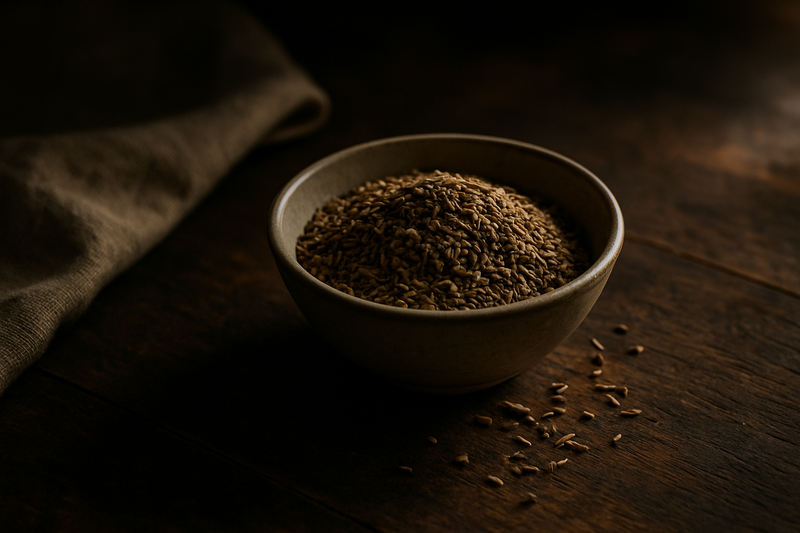
Anise Seeds · Photograph
Discover anise seed benefits, uses, and side effects — from digestive relief and bloating to women's health and baking. Learn how much to use, who should be cautious, and what the research actually says.
Key Nutrients
% Daily Value based on 2,000 cal diet
Key active compounds
The health-relevant effects of anise seeds trace back to a handful of phytochemicals — naturally occurring plant compounds with biological activity.
- Trans-anethole — The main volatile (aromatic) compound in anise essential oil, responsible for the characteristic licorice scent and flavor. Research suggests it has spasmolytic (muscle-relaxing), antimicrobial, antioxidant, and possible mild estrogen-like properties.
- Estragole — A smaller phenylpropanoid (a class of plant aromatic compound) found alongside trans-anethole. At culinary doses it is considered safe, but high-dose concentrated forms have raised theoretical safety questions based on animal studies, which is one reason regulatory bodies advise against consuming large amounts of the essential oil.
- Flavonoids (e.g., quercetin, apigenin) — Polyphenolic antioxidants present in the seeds. They may help modulate inflammatory pathways and protect cells from oxidative stress.
- Linalool and other terpenes — Minor aromatic compounds in the essential oil. Preclinical (lab and animal) studies suggest they have sedative, analgesic (pain-relieving), and antimicrobial properties.
Prep and pairing ideas
Anise seeds are versatile beyond the baking aisle. Here are three practical pairings worth trying:
1. Anise seeds + orange zest in biscotti or shortbread The bright citrus note of orange cuts through anise's sweetness, creating a balanced, crowd-pleasing flavor. The combination appears in Italian, Greek, and North African baking traditions. Use ½ to 1 teaspoon of seeds per batch.
2. After-dinner anise and fennel seed tea Combine ½ teaspoon crushed anise seeds with ½ teaspoon fennel seeds in a mug of hot water. Both seeds have carminative properties, and the blend is a traditional remedy for post-meal bloating across multiple cultures. The flavor is mild and warming — no sweetener needed.
3. Anise seeds + warming spices in bread dough Mixing anise seeds with cardamom and a pinch of clove in whole-grain bread adds a complex, fragrant quality. This combination appears in Scandinavian rye breads and Indian flatbreads. The seeds also add a small amount of iron and fiber to an already nutritious loaf.
Buying guide
Whole seeds vs. ground: Whole anise seeds stay fresh far longer — their essential oils are locked inside the intact seed coat. Buy whole when possible and grind only what you need. Ground anise loses its aroma relatively quickly after opening.
What to look for on the label: Look for "anise seed" or "Pimpinella anisum" — not to be confused with star anise (Illicium verum), which is a completely different plant from a different family. They share a similar flavor profile (both contain trans-anethole) but are botanically unrelated and have different chemical compositions. The two are not interchangeable in medicinal contexts, though they can often substitute for each other in cooking.
Freshness check: Good quality anise seeds should have a strong, clean licorice scent when you rub a few seeds between your fingers. Dull, flat-smelling seeds have lost their volatile oils and most of their flavor benefit.
Storage: Keep whole seeds in an airtight glass jar away from heat, light, and moisture. Properly stored, they hold their quality for up to 2–3 years. Ground anise is best used within 6–12 months.
Organic vs. conventional: Anise seeds used as a spice are consumed in small amounts, so pesticide exposure from conventional seeds is generally low. Organic is a reasonable preference if it's available and affordable for you, but it is not essential.
Bottom line
Anise seeds are one of those ingredients that quietly earn their place in a health-conscious kitchen. As a spice, they are safe, flavorful, and bring a modest but real nutritional contribution — particularly for iron. As a herbal tea, they have genuine traditional credibility for digestive comfort and are beginning to accumulate human trial evidence to support those uses.
The more ambitious health claims — effects on blood sugar, hormones, inflammation — are plausible based on preclinical research and small trials, but not yet confirmed by strong, large-scale studies. The honest summary is: anise seeds are a great spice to cook with regularly, an easy after-dinner tea habit worth forming, and an ingredient whose broader medicinal potential researchers are still working to understand.
If you have a specific health condition, are pregnant, or take prescription medications, talk to your doctor or a registered dietitian before using anise in medicinal quantities.
Looking for plant foods that pair well with anise in a digestive-health-focused eating pattern? Explore our digestive health hub.
How Anise Seeds Compares
| Compared with | What's different |
|---|---|
| Anise Seeds vs. Star Anise | A whole star-shaped fruit from a tree, not a small seed, with a more pungent, woody flavor. |
| Anise Seeds vs. Fennel Seeds | Larger, greener seeds with a milder, sweeter flavor and less intense licorice aroma. |
| Anise Seeds vs. Caraway Seeds | Less sweet with a distinct earthy, peppery flavor and no licorice notes. |
Health Benefits
Things to Know
Pregnancy: Avoid medicinal doses, herbal supplements, and especially the essential oil. The mild estrogenic and uterine-stimulating properties of anise constituents are a theoretical concern at high doses. Normal culinary use (a pinch in bread or cookies) is generally considered acceptable, but discuss any regular herbal use with your care provider.
Breastfeeding: Short-term, moderate tea use appears well tolerated and may even support milk production, but high-dose preparations and essential oils should be avoided without professional guidance.
Hormone-sensitive conditions: People with a history of hormone-sensitive breast, uterine, or ovarian cancer, or conditions like endometriosis, should avoid therapeutic doses due to the potential phytoestrogenic activity of anise.
Apiaceae (carrot family) allergy: Anise is in the same plant family as celery, fennel, coriander, and caraway. If you have a known allergy to these plants, you may cross-react with anise seeds or oil.
Blood sugar medications: Preliminary evidence and preclinical data suggest anise may have mild blood sugar-lowering effects. If you take medication for diabetes, monitor your levels and speak to your doctor before using anise in medicinal amounts.
Hormonal therapies: The theoretical phytoestrogenic activity of anise may interact with oral contraceptives or hormone replacement therapy. Discuss with your prescriber.
Sedatives and CNS-active drugs: Preclinical data suggest anise oil constituents have sedative and neuroactive properties at high doses; avoid concentrated preparations alongside sedating medications.
Infants and young children: Keep concentrated preparations and essential oil away from young children. Clinical data on safety in this group is limited.

Shop This Ingredient
Stock your pantry with quality anise seeds.
Buy on AmazonAs an Amazon Associate, Plantopedia earns from qualifying purchases. This costs you nothing extra and helps us keep the encyclopedia free.
Frequently Asked Questions
The research base for anise seeds is growing but still developing. Most human trials are small (under 50 participants), short (4–6 weeks), and sometimes use multi-herb blends rather than anise alone — so findings should be seen as promising rather than definitive. Digestive health and microbiome This is where anise seeds have the most supporting evidence. Several randomized controlled trials (the gold standard of clinical research) have tested anise preparations for digestive complaints: A double-blind trial found that an anise preparation improved quality-of-life scores in people with functional dyspepsia (chronic indigestion without a clear structural cause) compared with placebo. A crossover trial of a herbal blend containing Pimpinella anisum, fennel, elderberry, and senna showed significant laxative benefits for chronic constipation compared with placebo, with good tolerability. In patients recovering from COVID-19, a daily aniseed powder preparation improved abdominal pain, poor appetite, and diarrhea compared with placebo, with no serious side effects. Mechanically, the spasmolytic action of trans-anethole — its ability to relax smooth muscle in the intestinal wall — likely explains why anise seeds have long been used as a carminative (gas-relieving) spice and after-dinner tea. Think of it as a gentle "un-cramp" effect on the gut. Heart and circulation Direct clinical evidence for anise seeds and heart health is thin. No large trials have looked at whether anise changes blood pressure, cholesterol, or cardiovascular events in humans. Some small diabetes studies hint at favorable shifts in oxidative stress markers, and preclinical work suggests trans-anethole and flavonoids may support vascular health by reducing inflammation — but these remain theoretical benefits at culinary doses. Using anise seeds as part of an overall heart-healthy, plant-rich diet is sensible; treating it as a stand-alone cardiovascular remedy is not currently backed by evidence. Blood sugar and metabolism A few small randomized trials have explored anise's effect on glycemic control (blood sugar regulation) and found modest, exploratory improvements in some parameters. Animal studies offer a plausible mechanism: anise constituents appear to influence carbohydrate metabolism and antioxidant status. However, sample sizes are small, durations short, and no study has tracked hard outcomes like diabetes complications. Consider this an area to watch, not act on. Hormones and cycle health Anise seeds show genuine promise for women's health, though the evidence is still early: A randomized controlled trial found that Pimpinella anisum herbal tea increased breast milk volume in mothers of preterm infants, and infants in the anise group gained more weight — with no specific side effects reported. Narrative reviews describe small preliminary trials showing that anise preparations modestly reduced menstrual pain (dysmenorrhea) and menopausal hot flashes compared with placebo. These effects are thought to relate to the mild phytoestrogenic (estrogen-like) activity of anise constituents. This same property is why high-dose medicinal use warrants caution in people with hormone-sensitive conditions. Inflammation and recovery A randomized single-blinded trial compared an anise-based herbal nasal drop to a fluticasone (corticosteroid) nasal spray in patients with chronic rhinosinusitis (long-term sinus inflammation without nasal polyps). After four weeks, the anise-based preparation produced significantly better improvements in patient-reported symptoms and CT (imaging) scores, particularly for post-nasal drip and nasal obstruction. This is a noteworthy result, though it needs replication in larger, independent trials. In the lab and animal studies, anise shows antioxidant and anti-inflammatory activity — reducing lipid peroxidation (a marker of cellular damage) and moderating inflammatory signaling molecules.
The form you choose affects both flavor intensity and the amount of active compounds you get. Whole seeds are the most convenient: sprinkle them into bread dough, cookie batter, or a spice blend for a mild, even flavor release. They keep their aroma well when stored properly. Ground or powdered seeds release more flavor and bioactives more quickly. Useful for spice rubs, curries, and baked goods where you want the flavor distributed evenly. Clinical trials of aniseed powder for GI symptoms used ground preparations for this reason. Herbal tea (infusion) is the most traditional medicinal form. Steep ½ to 1 teaspoon of lightly crushed seeds in 1 cup of hot (not boiling) water for 5–10 minutes. The water extracts water-soluble compounds and some volatile oils, producing a gentle, aromatic cup that's particularly comforting after a heavy meal. This is the form used in the breast milk trial, with no side effects reported at moderate amounts. Essential oil delivers a highly concentrated dose of trans-anethole and is a different category entirely — not a cooking ingredient. The European Medicines Agency has reviewed medicinal claims for anise essential oil and found that while traditional use supports some applications, robust clinical trial evidence is limited. Concentrated essential oil is not appropriate during pregnancy, for infants, or without professional guidance. Multi-herb formulations (anise combined with fennel, elderberry, senna, etc.) are common in European phytotherapy and have shown clinical benefits for constipation and sinusitis — but it is difficult to attribute the results specifically to anise when it is one of several active herbs.
There is no single established "recommended dose" for anise seeds in the way vitamins have official reference values. Here is what the available evidence and tradition suggest: For culinary use: ½ to 2 teaspoons (roughly 1–6 g) per serving in baked goods, spice blends, or meals is a typical range — completely safe for most people on a daily basis. For after-dinner tea: 1 teaspoon (about 2–3 g) of lightly crushed whole seeds steeped in 1 cup of hot water is a practical and traditional starting point. Clinical trials have generally used tea or powder preparations given 1–3 times daily over 4–6 weeks without reports of serious adverse effects. Start low, then adjust: If you are new to anise, begin with a small pinch in recipes or half a teaspoon in tea. Some people find concentrated anise tea triggers mild GI sensitivity until their digestive system adjusts. Medicinal supplements and essential oil: These are a different matter entirely. The European Medicines Agency concludes that while traditional use supports some short-term applications, the clinical trial data to support specific medicinal doses is not yet robust. Always consult a healthcare provider before taking anise in capsule, oil, or high-dose supplement form.
Quick Answers
Common questions, answered in a line.
Anise seeds contain trans-anethole, estragole, flavonoids like quercetin and apigenin, and terpenes such as linalool. Trans-anethole is the primary compound responsible for the licorice scent and flavor, offering potential muscle-relaxing and antimicrobial properties.
Anise seeds are a traditional carminative remedy that helps relieve post-meal bloating and provides digestive comfort. A common way to use them is by making a tea with crushed anise and fennel seeds, which helps soothe the digestive tract after eating.
While they share a similar licorice flavor due to the compound trans-anethole, anise seed (Pimpinella anisum) and star anise (Illicium verum) are botanically unrelated plants. They can often be substituted in cooking, but they are not interchangeable in medicinal contexts.
You should avoid medicinal doses of anise seeds if you have hormone-sensitive conditions like endometriosis or a history of breast, uterine, or ovarian cancer. Because anise may have mild estrogen-like effects, therapeutic amounts could potentially interfere with these conditions or hormonal therapies.
If you have a known allergy to plants in the Apiaceae (carrot) family—such as celery, fennel, coriander, or caraway—you may experience a cross-reaction to anise seeds. It is best to exercise caution or avoid anise if you have these specific food allergies.
Whole anise seeds stay fresh for 2 to 3 years when stored in an airtight glass jar away from heat, light, and moisture. Ground anise loses its aromatic volatile oils much faster and is best used within 6 to 12 months for maximum flavor.
Pregnant individuals should avoid medicinal doses, herbal supplements, and anise essential oil due to theoretical concerns regarding uterine-stimulating properties. While normal culinary use in baking is generally acceptable, it is important to consult a healthcare provider before regular herbal use.
For Readers in the USA
Local context — sourcing, seasonality, and regional notes.
In the United States, you can find anise seeds in the spice aisle of major grocery chains like Kroger, Whole Foods, and Safeway, or at specialty retailers like Penzeys Spices. They are also widely available at Mexican mercados (labeled as 'anís') and Middle Eastern markets across the country.
While most anise is imported from the Mediterranean, it can be grown in U.S. Department of Agriculture (USDA) plant hardiness zones 4 through 9. Because they require a long, warm growing season of about 120 days, they are typically planted in late spring after the last frost.
In American culture, anise is most famous for its role in 'pizzelle' (Italian-American waffle cookies), 'biscochitos' (the state cookie of New Mexico), and as a flavoring for rye breads and black licorice candies. It is also a key botanical in many craft spirits and herbal liqueurs sold in the U.S.
The FDA classifies anise seed as 'Generally Recognized as Safe' (GRAS) for its intended use as a spice or natural seasoning. When buying, look for the USDA Organic seal if you want to ensure the seeds were grown without synthetic pesticides or irradiation.
AI Clinical Review
- Clearly distinguishes anise seed (Pimpinella anisum) from star anise and links the licorice-like flavor to trans-anethole, the main active compound.
- Accurately summarizes small randomized trials suggesting benefits for digestive comfort (gas, bloating, functional dyspepsia) and for constipation, with appropriate caution about study size and duration.
- Notes promising but early findings in women’s health (milk production, menstrual cramps, menopausal hot flashes) and explains the likely role of mild phytoestrogenic activity (weak estrogen-like effects).
- Provides practical guidance on forms (whole, ground, tea vs. essential oil) and highlights meaningful iron content per tablespoon, which is useful for plant-forward eaters.
- Cardiometabolic outcomes (blood pressure, cholesterol, diabetes complications) remain insufficiently studied in humans; current data are small and short-term, so benefits here are not established.
- Women’s health findings come from small trials; effects on hot flashes, cramps, and lactation need replication and standardization of preparations before firm conclusions.
- The rhinosinusitis nasal-drop study is encouraging but limited (single, small trial). Product-specific results may not generalize to other anise preparations.
- Many studies use multi-herb blends, making it hard to attribute effects specifically to anise; microbiome effects are plausible but not yet well characterized in humans.
- Typical culinary use (about ½–2 teaspoons, ~1–6 g/day) and tea (≈1 teaspoon lightly crushed seeds per cup, up to 1–3 times/day in studies) are generally well tolerated; start low if you have a sensitive stomach.
- Avoid concentrated essential oil and high-dose supplements during pregnancy and in infants; people with hormone-sensitive conditions should consult a clinician due to potential phytoestrogenic activity.
- Possible medication considerations: anise may modestly lower blood sugar (monitor if on diabetes meds) and could interact with hormonal therapies or sedatives; discuss with your prescriber if using medicinal amounts.
- Allergy note: anise is in the Apiaceae family (celery, fennel, coriander). Those with known allergies in this family may cross-react and should exercise caution.
Safe as a spice; medicinal doses not recommended in pregnancy.
References
- USDA FoodData Central — Anise seed nutrient profile (FDC ID 171316) (fdc.nal.usda.gov)
- European Medicines Agency — Final assessment report on Pimpinella anisum (safety and traditional use review) (ema.europa.eu)
- Randomized trial: Anise preparation for functional dyspepsia (PMC4333517) (pmc.ncbi.nlm.nih.gov)
- Randomized trial: Aniseed powder for GI symptoms in COVID-19 patients (PMC10824915) (pmc.ncbi.nlm.nih.gov)
- Randomized trial: Anise-containing herbal compound for chronic constipation (BMC Complementary Medicine and Therapies) (bmccomplementmedtherapies.biomedcentral.com)
- Pilot RCT: Anise oil for migraine headache (PubMed 30853645) (pubmed.ncbi.nlm.nih.gov)
- Randomized trial: Anise tea for breast milk volume in preterm infant mothers (PubMed 36681821) (pubmed.ncbi.nlm.nih.gov)
- Randomized trial: Anise-based nasal drops vs. fluticasone for chronic rhinosinusitis (PubMed 27218285) (pubmed.ncbi.nlm.nih.gov)
- Multidimensional pharmacological review of Pimpinella anisum (PMC10035495) (pmc.ncbi.nlm.nih.gov)
- Review of chemical constituents and pharmacological properties of Pimpinella anisum (PMC3405664) (pmc.ncbi.nlm.nih.gov)
Know Your Numbers
Eating healthy is a start. Now get to know your biomarkers.
Food changes bloodwork — inflammation, lipids, blood sugar and nutrient status all respond to what you eat. 59 markers from $59.
- Results in 7–10 days at 2,000+ Quest sites
- Licensed provider reviews every result
- One flat price, no membership, HSA/FSA eligible
Educational information only, not medical advice. Panels are ordered and reviewed through our licensed partner; Plantopedia may earn a commission.