Cacao Powder — health benefits and uses
Apothecary-style botanical angle; culinary use and evidence-aware claims
The Short Answer
Cacao powder is a nutrient-dense botanical providing 31% of the daily value for magnesium and 17% for iron per tablespoon. It is rich in flavanols and theobromine, offering antioxidant properties and a mild, long-lasting stimulant effect.
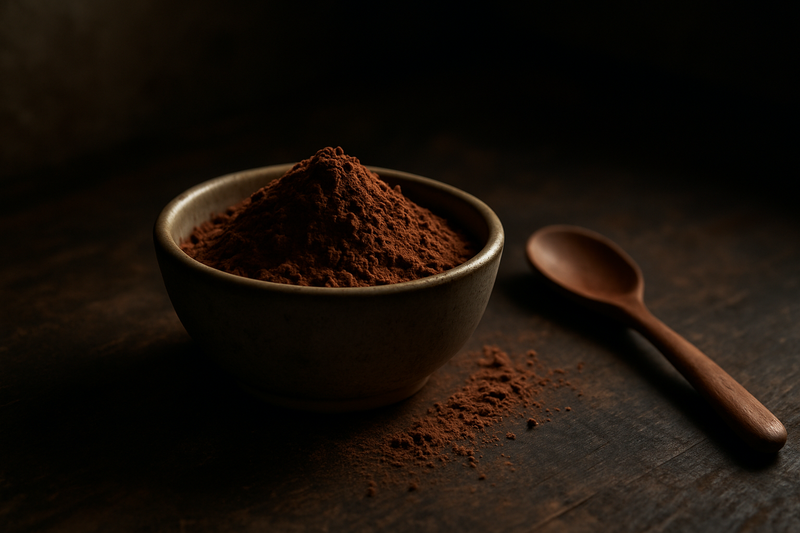
Cacao Powder · Photograph
Cacao powder is one of the oldest culinary botanicals in the world. Made from the fermented and dried seeds of Theobroma cacao — whose Latin name literally translates to "food of the gods" — it has been used for centuries in drinks, ceremonial preparations, and apothecary-style kitchen traditions across Mesoamerica and beyond. Today it earns its place on the modern whole-food pantry shelf for the same reasons it always did: deep, complex flavor and a remarkable concentration of plant compounds.
Key Nutrients
% Daily Value based on 2,000 cal diet
Key active compounds
Understanding what is actually in cacao powder makes the evidence easier to interpret.
- Cocoa flavanols (epicatechin, catechin) — A subgroup of flavonoid polyphenols naturally abundant in minimally processed cacao beans. They have antioxidant and vasodilatory (blood-vessel-relaxing) properties and are the compounds most studied in cardiovascular research on cocoa.
- Procyanidins — Oligomeric flavonoids (chains of linked flavanol units) that contribute to cacao's overall antioxidant capacity and may support vascular health.
- Theobromine — The dominant methylxanthine (a class of mild stimulant compounds) in cacao. Structurally related to caffeine but with a gentler, longer-lasting stimulant effect. Also acts as a mild vasodilator and has been researched for effects on airway tone.
- Caffeine — Present in smaller amounts than in coffee or tea, but still detectable and contributing to cacao's mild stimulant profile.
- Phenylethylamine (PEA) — A trace amine associated with mood and reward pathways in the brain. Found in cacao, though it is rapidly metabolized and human evidence for its mood effects is limited.
- Other polyphenols — Including catechins shared with green and black tea, which support cacao's overall antioxidant profile.
Prep and pairing ideas
Cacao powder is one of the most versatile botanicals in an apothecary-style kitchen. Here are practical ways to fold it in:
In drinks:
- Whisk 1–2 tsp into warm oat milk with a pinch of cinnamon and a date for a naturally sweet hot chocolate.
- Blend 1 tbsp into a smoothie with banana, frozen berries, and plant-based milk for a polyphenol-packed breakfast.
- Make a traditional-style cacao drink by whisking cacao powder with hot water, a pinch of cayenne, and a little sweetener — close to its historical apothecary roots.
In food:
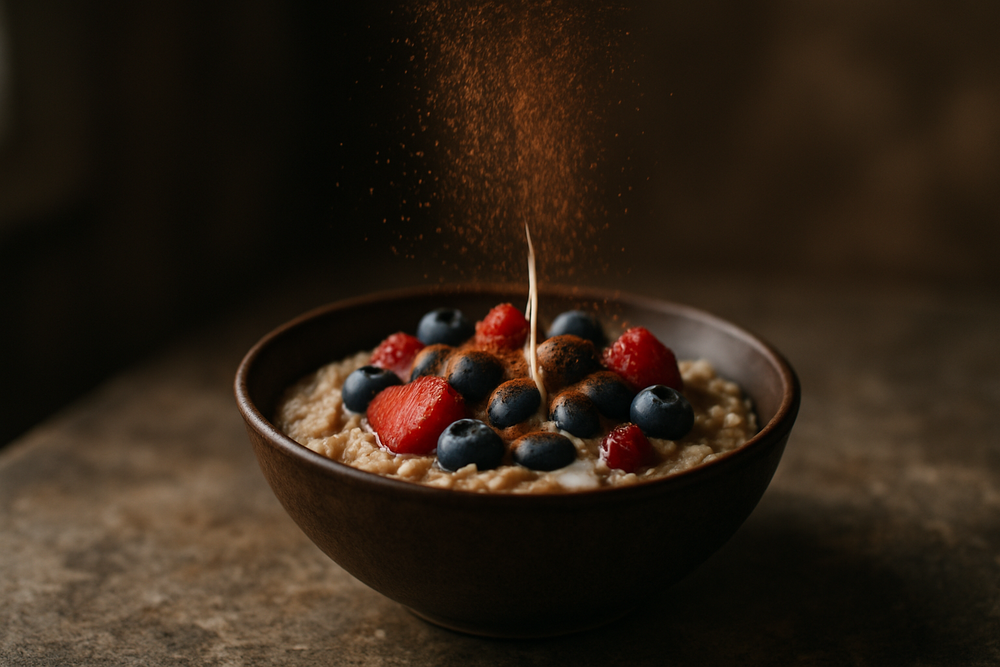
- Stir into overnight oats or chia pudding along with berries (the vitamin C boosts iron absorption from the cacao).
- Add to mole-inspired sauces, chili, or black bean stew — savory cacao use has deep traditional roots.
- Mix into energy balls with oats, nut butter, and a drizzle of maple syrup.
Buying guide: choosing and storing cacao powder
Fresh vs. processed: Since cacao powder is always a processed product (you can't eat raw cacao beans directly), the key distinctions are roasting level and alkalization — see the form table above.
What to look for on the label:
- "Natural" or "non-alkalized" for higher flavanol content
- Minimal ingredient list: ideally just cacao or cocoa powder, nothing else
- Fair-trade or single-origin certification if sourcing practices matter to you — these often correlate with more careful processing that preserves flavanols
- Third-party testing seals (especially for heavy metal testing) if you or your family use cacao frequently
Storage: Store in an airtight container away from heat, light, and moisture. A cool, dark pantry shelf is ideal. Properly stored, cacao powder keeps well for 12–24 months. It does not need refrigeration, but avoid temperature fluctuations that cause condensation.
How Cacao Powder Compares
| Compared with | What's different |
|---|---|
| Cacao Powder vs. Cocoa Powder | Raw cacao is non-alkalized and fermented, while cocoa is often roasted and treated with alkali. |
| Cacao Powder vs. Cacao Nibs | Cacao nibs are crushed whole beans providing more fat and crunch; powder has the fat removed. |
Health Benefits
Things to Know
Stimulant sensitivity: Cacao contains theobromine and caffeine. If you're sensitive to stimulants, start with a small amount (half a teaspoon) and notice how you feel — especially regarding sleep, heart rate, and anxiety.
GERD and reflux: Chocolate and cocoa can relax the lower esophageal sphincter (the muscle flap between your esophagus and stomach), potentially worsening heartburn or acid reflux in susceptible individuals.
Migraine triggers: Some people identify chocolate or cocoa as a personal migraine trigger. If this applies to you, moderate use or track your intake carefully.
Pregnancy and breastfeeding: Both theobromine and caffeine cross into breast milk. General guidance recommends keeping total caffeine intake moderate during pregnancy. Cacao powder contributes to cumulative daily caffeine load — account for it alongside coffee, tea, or other sources.
Kidney health: Cacao-based products contain oxalates, which can be relevant for people with certain types of kidney stones or kidney disease. If you've been advised to limit oxalate or specific minerals, consult your healthcare provider.
Children: Children may be more sensitive to methylxanthines (theobromine and caffeine). High-cacao beverages and treats are best kept to moderate portions for younger kids.
Medications: If you take stimulant medications (e.g., for ADHD), blood pressure medications, or anything that requires limiting caffeine intake, be aware that regular cacao adds to your cumulative stimulant load. Discuss with your prescriber.
Heavy metals: Some cocoa products — particularly those from certain growing regions — can contain naturally occurring cadmium and lead. Variety of sources and moderate intake are sensible precautions, especially for children and frequent users.
Prep Ideas
- — Whisk 1–2 tsp into warm oat milk with a pinch of cinnamon and a date for a naturally sweet hot chocolate.
- — Blend 1 tbsp into a smoothie with banana, frozen berries, and plant-based milk for a polyphenol-packed breakfast.
- — Make a traditional-style cacao drink by whisking cacao powder with hot water, a pinch of cayenne, and a little sweetener — close to its historical apothecary roots.
- — Stir into overnight oats or chia pudding along with berries (the vitamin C boosts iron absorption from the cacao).
- — Add to mole-inspired sauces, chili, or black bean stew — savory cacao use has deep traditional roots.
- — Mix into energy balls with oats, nut butter, and a drizzle of maple syrup.
Shop This Ingredient
Stock your pantry with quality cacao powder.
Buy on AmazonAs an Amazon Associate, Plantopedia earns from qualifying purchases. This costs you nothing extra and helps us keep the encyclopedia free.
Frequently Asked Questions
This is the area with the strongest human research behind it, though framing matters. Heart and circulation Cocoa flavanols — especially epicatechin — can stimulate nitric oxide (NO) production in blood vessel walls. Nitric oxide is a signaling molecule that helps vessels relax and widen (vasodilation), which in turn supports healthy blood pressure and blood flow. Human trials and meta-analyses using flavanol-rich cocoa beverages and dark chocolate have reported modest reductions in blood pressure and improvements in endothelial function (how well blood vessel walls work). Effects are generally small to moderate and most pronounced in people with elevated cardiovascular risk at baseline. Important nuance: Most studies use standardized high-flavanol cocoa drinks or dark chocolate rather than culinary cacao powder at everyday serving sizes. The relevant compounds are shared, but research doses are typically higher than a teaspoon in your morning porridge. Think of these findings as supportive of a pattern of polyphenol-rich eating, not as evidence for a specific dose. Digestive health and microbiome Cacao powder contributes notable dietary fiber — about 2 g per tablespoon — which supports bowel regularity and feeds beneficial gut bacteria (acting as a prebiotic, meaning a food source for your existing gut microbes). Experimental research suggests cocoa polyphenols may also have direct effects on gut microbial populations, but detailed human microbiome trial data specific to cacao powder are still limited. Best positioned as one fiber- and polyphenol-rich ingredient among many in a plant-forward diet. Blood sugar and metabolism Cocoa flavanols have been linked in early human trials to improved insulin sensitivity (how well your cells respond to the hormone insulin to take up blood sugar) and modest improvements in fasting glucose, particularly in people with elevated metabolic risk. Evidence is promising but not conclusive — effects are small, often short-term, and come from specialized high-flavanol products rather than typical cooking amounts. A practical framing: unsweetened cacao powder is naturally very low in sugar, making it a smart swap for sweetened chocolate products in recipes, which can indirectly help with blood sugar management by reducing overall added sugar intake. Inflammation and recovery Cacao's flavanols and procyanidins have antioxidant and anti-inflammatory properties — meaning they may help reduce oxidative stress (cellular damage from unstable molecules called free radicals) and dampen certain inflammatory signals in the body. Some human trials have reported reduced levels of vascular inflammation markers. Much of the detailed mechanistic evidence, however, comes from cell and animal studies. In an everyday kitchen context, cacao powder fits naturally into a dietary pattern that emphasizes a broad variety of polyphenol-rich plant foods. Mood, energy, and well-being Cacao contains theobromine, caffeine, tryptophan (a precursor to serotonin, a mood-related neurotransmitter), and PEA — compounds that interact with brain chemistry involved in mood and alertness. Human studies with cocoa and dark chocolate have reported short-term improvements in mood and feelings of pleasure, though the sensory enjoyment of chocolate itself likely plays a role. Some early research also suggests flavanol-rich cocoa may support cognitive blood flow in older adults, but data here are still early and heterogeneous. Current evidence does not support using cacao powder as a primary tool for managing mood or hormonal health.
The form you choose affects both flavor and flavanol content. | Form | Flavanol content | Flavor | Best for | |---|---|---|---| | Raw cacao powder | Highest (minimally processed) | Bright, slightly acidic, intense | Cold drinks, smoothies, raw recipes | | Natural (non-alkalized) cocoa | High | Similar to raw, slightly mellower | Baking, hot drinks, porridge | | Dutched (alkalized) cocoa | Substantially lower | Dark, smooth, mild | Baking where deep color matters | | Cacao nibs | High (whole food form) | Crunchy, bitter, complex | Toppings, trail mix, baked goods | Label tip: Look for "non-alkalized" or "natural process" on the packaging if you want to retain more flavanols. "Raw" labeling is not strictly regulated, so don't rely on it alone. If the label lists "cocoa processed with alkali," that is the dutched version. For everyday culinary use, both raw cacao and natural cocoa powder are excellent choices. Dutched cocoa is still a flavor-forward, useful ingredient — you're just getting fewer polyphenols for your trouble.
There is no established recommended daily intake for cacao powder as a food ingredient. Here is what the evidence and culinary tradition suggest: Everyday culinary use: 1–2 tablespoons (approximately 5–10 g) per day across beverages, porrid
Quick Answers
Common questions, answered in a line.
Cacao contains two primary stimulants: theobromine, which offers a gentle and long-lasting effect, and smaller amounts of caffeine. While milder than coffee, these methylxanthines contribute to an overall stimulant profile that can affect heart rate and energy levels.
Cacao powder is rich in cocoa flavanols like epicatechin and procyanidins, which are potent antioxidant and anti-inflammatory plant compounds. These flavonoids support vascular health through their vasodilatory properties, helping to relax blood vessels and improve circulation.
Store cacao powder in an airtight container on a cool, dark pantry shelf away from heat, light, and moisture. When kept under these conditions, it remains fresh for 12 to 24 months, though you should avoid refrigeration to prevent condensation and temperature fluctuations.
High-cacao products contain oxalates, which may be a concern for individuals prone to certain types of kidney stones or those with kidney disease. If you have been advised to follow a low-oxalate diet, it is recommended to consult a healthcare provider before using it regularly.
Cacao powder can be whisked into warm plant-based milk for hot chocolate, blended into smoothies with fruit, or stirred into overnight oats and chia pudding. Its savory side also shines when added to chili, black bean stews, or traditional mole-inspired sauces.
Cacao contains phenylethylamine (PEA), a trace amine associated with the brain's mood and reward pathways. While it is often linked to emotional well-being, PEA is rapidly metabolized by the body, so human evidence regarding its direct mood-boosting effects is limited.
Cacao and cocoa products can relax the lower esophageal sphincter, which is the muscle flap between the stomach and esophagus. This relaxation can potentially worsen symptoms of heartburn or acid reflux in susceptible individuals.
For Readers in the USA
Local context — sourcing, seasonality, and regional notes.
In the United States, you can find cacao powder at major retailers like Whole Foods Market, Trader Joe's, Sprouts Farmers Market, and most conventional grocery chains in the baking or health food aisles. Online platforms and local natural food cooperatives also carry a wide variety of organic and fair-trade certified options.
While most cacao is imported from tropical climates, the United States does have limited domestic production in Hawaii and Puerto Rico where the tropical environment supports Theobroma cacao trees. Florida is also home to some experimental and small-scale cacao cultivation in its southernmost regions.
The FDA monitors cacao and cocoa products for heavy metals like lead and cadmium, so US consumers should look for brands that provide third-party testing or state-mandated Prop 65 warnings. These warnings are common in California and help residents identify products that meet specific safety thresholds for naturally occurring minerals found in the soil.
The USDA Organic seal on cacao powder ensures the product was grown without synthetic fertilizers or pesticides and meets rigorous federal standards for organic processing. For many American shoppers, this label provides a layer of transparency regarding the environmental impact and chemical inputs of the imported beans.
AI Clinical Review
- Accurately explains cacao’s key bioactives (cocoa flavanols like epicatechin, plus theobromine) and why non‑alkalized powders generally retain more of them.
- Summarizes cardiovascular research appropriately: high‑flavanol cocoa products can modestly improve endothelial function and lower blood pressure, especially in people with higher baseline risk.
- Positions cacao as a nutrient‑dense, unsweetened pantry ingredient that contributes fiber and minerals (notably magnesium) at everyday doses.
- Offers balanced safety notes on stimulant sensitivity, reflux, migraine susceptibility, pregnancy/lactation, pediatric use, and potential heavy‑metal contamination.
- Most clinical trials use standardized, high‑flavanol beverages or dark chocolate; translating those results to typical kitchen spoonfuls of cacao powder is uncertain because flavanol content varies widely by brand and processing.
- Findings for insulin sensitivity, glucose, and inflammation are promising but generally small, short‑term, and heterogeneous; cacao should not be viewed as a stand‑alone treatment.
- Mood and cognitive effects are inconsistent; any benefit may reflect both bioactive compounds and the pleasure of chocolate flavor.
- Microbiome effects beyond fiber’s known benefits remain preliminary in humans.
- Practical intake: 1–2 teaspoons up to 1–2 tablespoons per day is a reasonable culinary range for most adults; increase gradually if you’re sensitive to caffeine/theobromine and monitor sleep, heart rate, and reflux.
- For higher polyphenol content, look for “natural” or “non‑alkalized” cocoa; “raw” is not a regulated term. If you use cacao frequently—or serve it to children—consider brands that share heavy‑metal testing and rotate sources.
- Those with kidney stone history (oxalate concerns), GERD, migraine triggers, pregnancy/lactation (total daily caffeine limits), children, or people on stimulant or blood‑pressure medications should check with a clinician before regular use.
- Research‑grade products in studies often deliver several hundred milligrams of cocoa flavanols per day—more than most single culinary servings—so think of cacao as one helpful part of a broader, plant‑forward pattern rather than a therapeutic dose on its own.
Use culinary framing; avoid treatment claims or supplement-dose guidance.
References
- PMC, National Library of Medicine — Cocoa and chocolate in human health and disease (pmc.ncbi.nlm.nih.gov)
- PMC, National Library of Medicine — Exploring the Nutritional Composition and Bioactive Compounds in Different Cocoa Powders (pmc.ncbi.nlm.nih.gov)
- PMC, National Library of Medicine — The Health Effects of Chocolate and Cocoa: A Systematic Review (pmc.ncbi.nlm.nih.gov)
- USDA FoodData Central — USDA FoodData Central (fdc.nal.usda.gov)
Know Your Numbers
Eating healthy is a start. Now get to know your biomarkers.
Food changes bloodwork — inflammation, lipids, blood sugar and nutrient status all respond to what you eat. 59 markers from $59.
- Results in 7–10 days at 2,000+ Quest sites
- Licensed provider reviews every result
- One flat price, no membership, HSA/FSA eligible
Educational information only, not medical advice. Panels are ordered and reviewed through our licensed partner; Plantopedia may earn a commission.