Coconut Yogurt — health benefits and uses
Fermentation and gut-culture angle; explain live-culture, sodium, and heat-treatment differences
The Short Answer
Coconut yogurt is a dairy-free fermented food made from coconut milk, providing 160mg of calcium and 15g of saturated fat per serving. It serves as a creamy, probiotic alternative for those with lactose intolerance or those following a vegan diet.
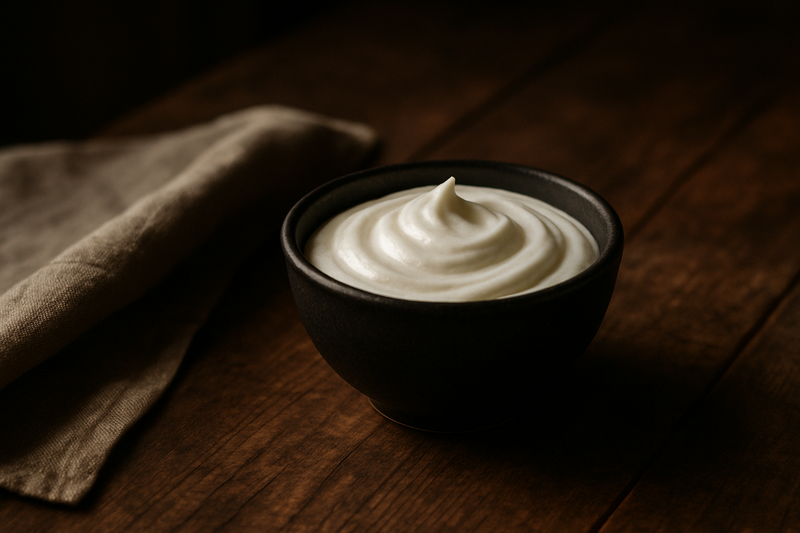
Coconut Yogurt · Photograph
Coconut yogurt is a creamy, dairy-free yogurt alternative made by fermenting coconut milk or coconut cream (Cocos nucifera) with live bacteria — the same general class of microorganisms used to culture dairy yogurt. The result is tangy, rich, and increasingly popular among vegans, people with lactose intolerance, and anyone exploring plant-based eating.
Key Nutrients
% Daily Value based on 2,000 cal diet
Key active compounds in coconut yogurt
- Lactic acid bacteria (LAB) — The microorganisms that ferment the coconut base and produce the tangy flavor. Common strains include Lactobacillus acidophilus, L. bulgaricus, and Streptococcus thermophilus, though strains vary by brand and batch.
- Lactic acid — An organic acid produced during fermentation that lowers the yogurt's pH, preserves it, and may influence the gut environment when consumed.
- Medium-chain triglycerides (MCTs) — A type of fat found in coconut, including lauric acid (C12), caprylic acid (C8), and capric acid (C10). MCTs are absorbed and transported to the liver more quickly than most fats and may modestly support energy and satiety; however, coconut fat is not pure MCT oil and also includes cholesterol-raising saturated fatty acids.
- Phenolic compounds — Plant-derived antioxidant molecules present in coconut milk in modest amounts; their levels in commercial coconut yogurt are not well characterized.
- Added prebiotic fibers (in some brands) — Ingredients such as inulin or chicory root fiber are sometimes added to improve texture and fiber content. These are non-digestible carbohydrates that feed beneficial gut bacteria (prebiotics), but they can cause gas or bloating in sensitive people.
- Fortification nutrients (brand-dependent) — Calcium, vitamin D, and vitamin B12 are frequently added to bring the product closer to the nutritional profile of dairy yogurt.
Prep and pairing ideas
Coconut yogurt's creamy, mildly tangy flavor makes it one of the most versatile plant-based bases in the kitchen.
Three practical pairings:
- Coconut yogurt + berries + ground flaxseed — Berries add antioxidants and natural sweetness; flaxseed adds omega-3 fatty acids and fiber that slow glucose absorption. Together they round out the yogurt's low protein and glycemic profile. Use as a breakfast bowl or snack.
- Coconut yogurt + turmeric + cucumber + fresh herbs — Blend into a savory raita-style sauce for grain bowls, roasted vegetables, or lentil dishes. The anti-inflammatory compound curcumin in turmeric is fat-soluble, so the fat in coconut yogurt may help absorption.
- Coconut yogurt + oats + a handful of walnuts — Overnight oat preparation using coconut yogurt instead of regular milk creates a fiber-rich, satisfying breakfast. Walnuts add protein, unsaturated fat, and a plant source of omega-3s to offset the saturated fat in the yogurt.
Quick kitchen tips:
- Use as a 1:1 replacement for sour cream or crème fraîche in dressings and dips.
- Blend into smoothies for creaminess without dairy.
- Do not heat probiotic coconut yogurt above ~60 °C (140 °F) — high heat kills live cultures. Add it at the end of cooking or serve alongside warm dishes rather than cooking it in.
- Store opened yogurt in the back of the refrigerator (coldest part), not the door. Use within 5–7 days.
How Coconut Yogurt Compares
| Compared with | What's different |
|---|---|
| Coconut Yogurt vs. Dairy Yogurt | Higher in protein and calcium but contains lactose and animal-derived fats. |
| Coconut Yogurt vs. Soy Yogurt | Contains significantly more protein and less saturated fat than coconut-based versions. |
| Coconut Yogurt vs. Almond Yogurt | Thicker, higher in fat (15g), and lower in carbohydrates than most almond yogurts. |
Health Benefits
Things to Know
Saturated fat: A single serving of full-fat coconut yogurt can deliver 7–10 g of saturated fat — roughly half the daily limit recommended by most heart-health guidelines. Factor this into your total daily intake.
Added sugar: Flavored varieties are often closer to a sweetened dessert than a health food. Always check the nutrition facts.
Not all fermented = probiotic: Some coconut yogurts are heat-treated (pasteurized) after fermentation or use chemical acidifiers rather than live bacteria. These products will not deliver gut-microbiome benefits.
Prebiotic fiber additives: Inulin and chicory root fiber are common in plant-based yogurts and can help gut bacteria, but they can cause significant gas or bloating in people with IBS, FODMAP sensitivity, or functional gut disorders.
Coconut allergy: Coconut is classified as a tree nut for labeling purposes in some countries. Although coconut allergy is uncommon, it is real — read labels carefully if you have tree nut sensitivities.
Immunocompromised individuals: People undergoing chemotherapy, organ transplant recipients, or those with advanced immune suppression should discuss high-probiotic foods with their healthcare team before adding them regularly. Rare case reports exist of probiotic-related infections in severely immunocompromised patients.
Medication considerations: High saturated fat intake can work against lipid-lowering medication goals. Flavored coconut yogurts with significant added sugar may affect blood glucose in people using insulin or diabetes medications. There are no direct drug interactions with the yogurt itself.
Pregnancy: Plain coconut yogurt made with pasteurized coconut milk and live cultures is generally considered safe in pregnancy. Avoid unpasteurized homemade batches if you are pregnant, very young, elderly, or immunocompromised.

Prep Ideas
- — Coconut yogurt + berries + ground flaxseed — Berries add antioxidants and natural sweetness; flaxseed adds omega-3 fatty acids and fiber that slow glucose absorption. Together they round out the yogurt's low protein and glycemic profile. Use as a breakfast bowl or snack.
- — Coconut yogurt + turmeric + cucumber + fresh herbs — Blend into a savory raita-style sauce for grain bowls, roasted vegetables, or lentil dishes. The anti-inflammatory compound curcumin in turmeric is fat-soluble, so the fat in coconut yogurt may help absorption.
- — Coconut yogurt + oats + a handful of walnuts — Overnight oat preparation using coconut yogurt instead of regular milk creates a fiber-rich, satisfying breakfast. Walnuts add protein, unsaturated fat, and a plant source of omega-3s to offset the saturated fat in the yogurt.
- — Use as a 1:1 replacement for sour cream or crème fraîche in dressings and dips.
- — Blend into smoothies for creaminess without dairy.
- — Do not heat probiotic coconut yogurt above ~60 °C (140 °F) — high heat kills live cultures. Add it at the end of cooking or serve alongside warm dishes rather than cooking it in.
- — Store opened yogurt in the back of the refrigerator (coldest part), not the door. Use within 5–7 days.
Shop This Ingredient
Stock your pantry with quality coconut yogurt.
Buy on AmazonAs an Amazon Associate, Plantopedia earns from qualifying purchases. This costs you nothing extra and helps us keep the encyclopedia free.
Frequently Asked Questions
This is the most common question people ask — and the honest answer is "it depends on what's in the jar." Digestive health and the microbiome Human clinical trials have not yet specifically tested coconut yogurt on digestive outcomes. What the science has shown is that eating a variety of fermented foods daily — yogurt, kefir, kimchi, sauerkraut — can measurably increase gut microbiome diversity and reduce a broad panel of inflammatory markers over several weeks. Probiotic yogurt trials (mostly dairy-based) also report modest improvements in antibiotic-associated diarrhea and bowel regularity in certain groups. Those benefits are linked to the live bacteria and their fermentation byproducts, not the dairy base — which means coconut yogurt cultured with the same strains may offer similar digestive support. But "may" is doing real work in that sentence: no large, well-designed human trials have confirmed this directly for coconut yogurt. The effect also depends heavily on how many live bacteria survive from factory to fork (more on this in the buying guide below). Heart and circulation No human trials specifically measure coconut yogurt and cardiovascular outcomes. What we do know is that coconut fat — the dominant fat in coconut yogurt — is rich in saturated fatty acids, particularly lauric and myristic acids. Clinical trials consistently show these raise LDL cholesterol (often called "bad" cholesterol) compared with unsaturated plant oils. HDL ("good" cholesterol) sometimes rises too, but major cardiology organizations still advise limiting high-saturated-fat foods for people managing cardiovascular risk. If a coconut yogurt contains live cultures, it may share some of the modest cholesterol-supportive effects seen in probiotic dairy trials, but the evidence is thin and the saturated fat is real. Blood sugar and metabolism Unsweetened coconut yogurt is naturally low in carbohydrates and has a low immediate glycemic impact — meaning it does not spike blood sugar quickly. However, it is also low in protein, which normally helps slow glucose absorption after a meal. Flavored varieties can contain 8–15 g or more of added sugar per serving, which undermines any glycemic benefit. Pairing plain coconut yogurt with fiber-rich foods (berries, oats, flaxseed) and a protein source creates a more balanced glycemic response than eating it alone. Inflammation and recovery A well-designed human dietary trial found that increasing fermented-food intake reduced a broad set of inflammatory biomarkers, even without changing other aspects of the diet. These effects were tied to the overall fermented-food pattern and required multiple servings per day over several weeks — not a single spoonful. Coconut yogurt that genuinely contains live cultures can count toward that pattern, but ultra-processed varieties with high added sugar may detract from overall diet quality rather than supporting it. Hormones and cycle health There is no direct human evidence that coconut yogurt influences sex hormones or the menstrual cycle. Emerging research links the gut microbiome to estrogen metabolism and hormonal pathways, but this is speculative territory for any single food. Any potential effect would be indirect, working through general improvements in gut health rather than anything specific to coconut.
Buying guide: plain vs. flavored vs. fortified vs. homemade Plain unsweetened coconut yogurt is the most versatile starting point. No added sugar means you control sweetness, and it works in both sweet and savory dishes. Check the label carefully — "plain" does not guarantee live cultures or meaningful nutrition. Flavored and sweetened coconut yogurt can be convenient and tasty, but many varieties contain 8–15 g of added sugar per serving. That level of sugar can affect blood glucose and reduces the overall nutritional value. Treat these more like a dessert than a daily gut-health food. Fortified coconut yogurt with calcium, vitamin D, and vitamin B12 is a smarter everyday choice, especially for vegans. Look for at least 10–15% of the daily value for calcium per serving. Fortification does not affect the probiotic content, so the label still needs to show live cultures. High-fat (coconut cream–based) yogurt is very thick and calorie-dense. Useful in cooking or for people with higher energy needs, but the saturated fat per serving rises significantly compared with coconut milk–based versions. Homemade coconut yogurt (canned full-fat coconut milk fermented with a starter culture or probiotic capsule at a warm room temperature for 8–24 hours) gives you full ingredient control and guaranteed live cultures — assuming fermentation worked. Food safety matters: use clean equipment, maintain consistent warmth (around 40–45 °C / 104–113 °F), and refrigerate promptly when the yogurt reaches your desired tartness. Label tips to look for: "Contains live and active cultures" — the minimum standard Named bacterial strains (e.g., Lactobacillus acidophilus, Bifidobacterium lactis) CFU count at time of manufacture (ideally ≥ 10⁸–10⁹ per serving) Added sugar under 5–6 g per serving for an everyday choice Fortification for calcium, D, and B12 if this is a dietary staple Minimal thickeners and stabilizers (a gum or starch is fine; a long list is a red flag)
Most human fermented-food research uses roughly 100–300 g (½ to 1½ cups) of
Quick Answers
Common questions, answered in a line.
Coconut yogurt is a creamy, dairy-free alternative created by fermenting coconut milk or coconut cream with live bacteria. It is a popular choice for vegans and individuals with lactose intolerance who are seeking a plant-based substitute for traditional dairy yogurt.
Plain coconut yogurt made with live cultures and pasteurized coconut milk is generally considered safe to eat during pregnancy. However, pregnant individuals should avoid unpasteurized homemade batches to minimize food safety risks.
Coconut yogurt typically contains medium-chain triglycerides (MCTs), including lauric acid, caprylic acid, and capric acid. These specific fats are transported to the liver quickly and may modestly support energy levels and feelings of fullness.
You should not heat probiotic coconut yogurt above 60°C (140°F) because high temperatures kill the live bacteria cultures. To preserve its benefits, add the yogurt to dishes at the end of the cooking process or serve it alongside warm foods.
Coconut yogurt contains lactic acid bacteria (LAB) such as Lactobacillus acidophilus and Streptococcus thermophilus, though strains vary by brand. It also provides medium-chain triglycerides and is often fortified with calcium, vitamin D, and vitamin B12.
Some brands add prebiotic fibers like inulin or chicory root to improve texture, which can cause gas or bloating in people with IBS or FODMAP sensitivity. Additionally, coconut yogurt is high in saturated fat, which may impact those monitoring their heart health.
Opened coconut yogurt should be stored in the coldest part of the refrigerator, typically the back rather than the door, and consumed within 5 to 7 days. Because it is a fermented product, proper refrigeration is essential for maintenance.
For Readers in the USA
Local context — sourcing, seasonality, and regional notes.
You can find coconut yogurt at most major US grocery chains like Whole Foods, Trader Joe's, Kroger, and Publix. Most retailers stock it in the refrigerated dairy-alternative section next to almond and soy yogurts, with brands like So Delicious, Forager Project, and Siggi's being widely available.
Look for the "USDA Organic" seal on the packaging to ensure the coconut yogurt was produced without synthetic pesticides or GMOs. While many premium plant-based brands in the US prioritize organic certification, the FDA does not require it for a product to be sold as a dairy alternative.
Yes, coconut yogurt is a popular dairy-free substitute for sour cream in American recipes like tacos, baked potatoes, and dip bases. Because it is naturally thicker and tangier than almond yogurt, it mimics the mouthfeel of traditional US dairy condiments quite effectively.
Most coconut yogurt sold in the US is made from imported coconuts from tropical regions like Southeast Asia, as the US mainland does not have a large-scale commercial coconut industry. However, the finished yogurt is typically processed and cultured in domestic production facilities located throughout the United States.
AI Clinical Review
- It clearly distinguishes “fermented” from “probiotic,” emphasizing labels that verify live and active cultures, named strains, and meaningful CFU counts (colony-forming units).
- It accurately contrasts coconut yogurt with dairy yogurt—especially the much lower protein and higher saturated fat—and offers practical pairing ideas to balance meals.
- It aligns with human research showing that a varied fermented‑food pattern can increase gut microbiome diversity and reduce certain inflammatory markers, without claiming coconut yogurt has unique effects.
- It gives useful guidance on sugar, fortification (calcium, vitamin D, B12), and handling (don’t overheat live-culture products; store cold).
- Direct clinical trials on coconut yogurt and gut symptoms, cardiometabolic outcomes, or hormone-related measures are limited; most benefits are inferred from dairy yogurt or mixed fermented‑food studies.
- The net impact on cholesterol is uncertain: probiotics may have modest favorable effects, but coconut yogurt’s saturated fat can raise LDL; real‑world outcomes likely vary by portion size and overall diet.
- Strain specificity matters. Benefits seen with certain Lactobacillus/Bifidobacterium strains may not generalize to all products labeled “probiotic.” Survival of microbes from factory to fridge to gut also varies.
- Portion and frequency: 1/2–1 cup (about 100–170 g) of plain, unsweetened, live‑culture coconut yogurt can reasonably fit into a daily fermented‑food pattern; adjust to appetite and tolerance.
- Form matters: choose products that list live cultures and named strains; if you’re vegan, favor fortified options (calcium, vitamin D, B12). Post‑pasteurized or acidified products won’t deliver probiotic effects.
- Cardiovascular and metabolic considerations: each serving can provide ~7–10 g saturated fat; those with elevated LDL or on lipid‑lowering therapy may prefer smaller portions and balance the day with unsaturated fats. Watch added sugars if you have diabetes or prediabetes.
- Who should check with a clinician first: people with significant immunosuppression (consider commercial, pasteurized options and individualized advice), those with IBS/FODMAP sensitivity to inulin/chicory, anyone with coconut/tree‑nut allergy concerns, and pregnant individuals considering homemade (unpasteurized) batches.
Fermented does not always mean probiotic; note sodium and live/active culture differences.
References
- PMC, National Library of Medicine — A comparison of the nutritional profile and nutrient density of commercially available plant-based and dairy yogurts in the United States (pmc.ncbi.nlm.nih.gov)
- PubMed — Physicochemical properties and flavor profile of coconut yoghurt: the dual role of fat reduction and protein fortification (pubmed.ncbi.nlm.nih.gov)
- PMC, National Library of Medicine — Nutritional Content and Health Profile of Non-Dairy Plant-Based Yogurt Alternatives (pmc.ncbi.nlm.nih.gov)
- PubMed — Rice Coconut Yogurt: Insights Into Physicochemical Properties, Microbial Stability, and Consumer Acceptance as a Plant-Based Alternative (pubmed.ncbi.nlm.nih.gov)
- PMC, National Library of Medicine — Influences of Carrier Agents on Microbial Viability and Physicochemical Properties of Spray-Dried Coconut Yogurt (pmc.ncbi.nlm.nih.gov)
- USDA FoodData Central — USDA FoodData Central (fdc.nal.usda.gov)
Know Your Numbers
Eating healthy is a start. Now get to know your biomarkers.
Food changes bloodwork — inflammation, lipids, blood sugar and nutrient status all respond to what you eat. 59 markers from $59.
- Results in 7–10 days at 2,000+ Quest sites
- Licensed provider reviews every result
- One flat price, no membership, HSA/FSA eligible
Educational information only, not medical advice. Panels are ordered and reviewed through our licensed partner; Plantopedia may earn a commission.