Fermented Hot Sauce — health benefits and uses
Fermentation and gut-culture angle; explain live-culture, sodium, and heat-treatment differences
The Short Answer
Fermented hot sauce is a probiotic-rich condiment made by lacto-fermenting chili peppers, which creates a complex tang and provides roughly 7% of your daily Vitamin A per teaspoon.

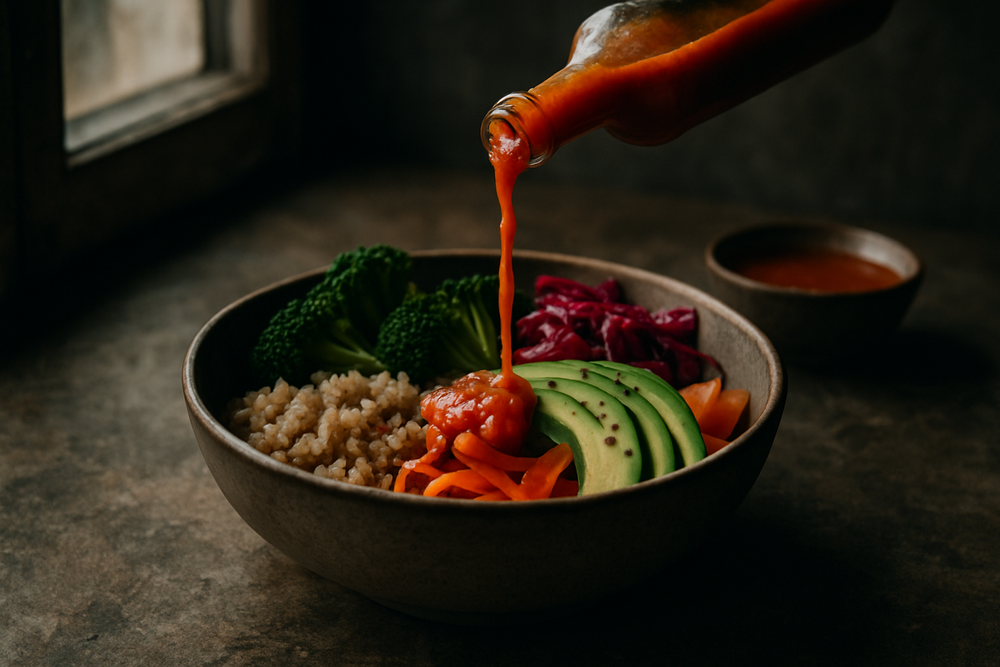
Fermented Hot Sauce · Photograph
Fermented hot sauce is having a moment — and for good reason. Unlike the bright-red, shelf-stable bottles that have lived on diner tables for decades, a new wave of lacto-fermented (Lactobacillus-driven) chili condiments promises something extra: complex flavor, gut-friendly bacteria, and a process rooted in thousands of years of food preservation. The chili pepper at its core is Capsicum annuum or one of its close relatives, and the fermentation is driven by naturally occurring lactic acid bacteria living on the pepper's skin.
Key Nutrients
% Daily Value based on 2,000 cal diet
Key active compounds in fermented hot sauce
- Capsaicin and capsaicinoids — The bioactive alkaloids (naturally occurring plant compounds) responsible for heat. They interact with a receptor called TRPV1 in the nervous system and GI tract, potentially influencing appetite, energy expenditure, and pain perception. At condiment doses they are generally safe; at very high doses they can irritate the gut lining.
- Carotenoids (beta-carotene, capsanthin, lutein, zeaxanthin) — Pigment antioxidants from red and orange chili peppers. They act as provitamin A (a precursor the body converts to vitamin A) and support eye and immune health. Per-teaspoon amounts are small but measurable.
- Phenolic compounds (flavonoids and phenolic acids) — Polyphenolic antioxidants found naturally in chili peppers and added aromatics like garlic. They contribute to the sauce's antioxidant profile, though amounts per condiment serving are modest.
- Lactic acid and fermentation metabolites — The organic acids produced by lactic acid bacteria during fermentation. They lower pH (making the sauce tangy and shelf-stable) and generate small bioactive molecules that can interact with gut microbial communities. Specific clinical effects from fermented hot sauce have not yet been studied directly.
- Live lactic acid bacteria (LAB) — Present in unpasteurized versions. Species such as Lactobacillus plantarum and Leuconostoc mesenteroides are commonly identified in fermented vegetable products. Their probiotic potential in hot sauce specifically is uncharacterized and unstandardized.
Prep and pairing ideas
Fermented hot sauce is one of the most versatile condiments in a plant-forward kitchen. A few evidence-adjacent uses:
Eggs and avocado toast The fat in avocado helps carry fat-soluble carotenoids from the chili peppers, potentially improving their absorption. The tang of fermented hot sauce cuts through richness without adding calories.
Grain bowls and legume dishes Drizzling fermented hot sauce over lentils, black beans, or farro-based bowls adds complexity that can make nutrient-dense but plain-tasting foods genuinely appealing — supporting dietary adherence over the long term.
Fermented food pairing: kimchi + fermented hot sauce Using both in the same meal layers multiple fermented food sources, fitting the pattern shown in the Stanford trial. Try them together in a grain bowl, on a veggie wrap, or stirred into a miso-based dressing.
Storage tip: Once opened, unpasteurized fermented hot sauce should be kept refrigerated and used within two to three months for best flavor and live-culture viability. A layer of brine or oil on top helps keep surface mold at bay.
How Fermented Hot Sauce Compares
| Compared with | What's different |
|---|---|
| Fermented Hot Sauce vs. Standard Hot Sauce | Contains vinegar for instant acidity and is usually pasteurized, killing live bacteria. |
| Fermented Hot Sauce vs. Gochujang | A fermented paste with added soybeans, providing a thicker texture and higher sugar content. |
Health Benefits
Things to Know
Sodium adds up fast.: At 60–200 mg per teaspoon, two tablespoons of some hot sauces can approach 20–30% of a daily sodium budget. Scan labels and compare brands before committing to a daily habit.
"Fermented" ≠ "probiotic.": Unless the label specifically states "unpasteurized," "raw," or "contains live active cultures" and the product is kept refrigerated, assume live cultures are minimal or absent.
Capsaicin can irritate the GI tract.: If you have GERD, gastritis, peptic ulcers, IBS, or IBD, start with a very small amount and monitor your symptoms before making it a regular habit.
Histamine and biogenic amines.: Fermentation produces histamine and related compounds. People with histamine intolerance, certain types of migraines, or mast cell disorders may react to fermented products, including fermented hot sauce.
Hypertension and heart conditions.: If you are on a sodium-restricted diet or taking antihypertensive medications (e.g., ACE inhibitors, ARBs, diuretics), excess sodium from condiments can make blood pressure harder to control. Choose low-sodium options and use sparingly.
Pregnancy.: Spicy foods are not categorically unsafe in pregnancy, but can worsen heartburn and GI discomfort, which many pregnant people already experience. Follow your own tolerance.
Home fermentation hygiene.: Properly fermented hot sauce is acidic and salty, making it inhospitable to most pathogens. Still, follow good food-safety practices: clean equipment, adequate salt (at least 2–3% by weight), and proper pH and temperature monitoring.
No significant direct drug-nutrient interactions: are documented at condiment-level intakes, but cumulative sodium is the main medication-relevant concern for people on cardiac or renal management protocols.
Shop This Ingredient
Stock your pantry with quality fermented hot sauce.
Buy on AmazonAs an Amazon Associate, Plantopedia earns from qualifying purchases. This costs you nothing extra and helps us keep the encyclopedia free.
Frequently Asked Questions
Gut health and the microbiome The most-cited benefit of fermented hot sauce is its potential effect on the gut microbiome — the trillions of bacteria, fungi, and other microbes living in your digestive tract. Here is what the evidence actually shows: A well-designed randomized trial (Wastyk et al., 2021, Cell) found that adults who ate a diet high in a variety of fermented foods for 10 weeks showed increased microbial diversity and decreased inflammatory markers (including interleukin-6, or IL-6) compared with a high-fiber group. The fermented foods included yogurt, kefir, kimchi, fermented vegetables, and kombucha. A 2021 review of fermented foods and health (PMC7925329) confirmed that lactic acid fermentation can increase bioactive metabolites, digestibility, and microbial content in plant foods — but also noted clearly that many fermented foods are heat-treated after production and therefore may not contain live microbes at consumption. Direct clinical trials on fermented hot sauce and gut health do not yet exist. Extrapolating from fermented vegetable research is reasonable but imprecise. The bottom line on gut health: Unpasteurized fermented hot sauce may contribute to a microbiome-supportive eating pattern, especially when used alongside other fermented foods. A pasteurized version offers flavor and some plant compounds but should not be expected to deliver meaningful live-culture benefits. Heart and circulation Large observational studies have linked regular chili pepper consumption to lower rates of all-cause and cardiovascular mortality — though observational data cannot prove cause and effect. A randomized controlled trial (RCT) found that consuming fermented red pepper paste (gochujang) for 12 weeks modestly reduced body weight, body fat, and LDL cholesterol (the "bad" cholesterol) in overweight adults compared with a placebo paste. Counterbalancing these signals: the sodium in commercial fermented hot sauce is a genuine cardiovascular concern at liberal intakes. High sodium is one of the most well-established contributors to elevated blood pressure and cardiovascular risk. Digestive health (beyond microbiome) Capsaicin stimulates gastric secretions and gut motility, which some people find helpful and others find irritating. At low condiment doses in healthy adults, tolerance is generally good. In people with reflux, peptic ulcers, IBS, or IBD, even small amounts can trigger symptom flares. Blood sugar and metabolism No human trials have studied fermented hot sauce and blood glucose directly. Capsaicin research suggests it may modestly increase energy expenditure and reduce short-term appetite in some individuals, but effects are small, short-lived, and not meaningful at typical condiment doses. Think of this as a very minor possible perk, not a metabolic strategy. Inflammation and recovery The Stanford fermented-food trial showed that a high-fermented-food diet reduced a broad range of inflammatory markers, suggesting a pattern-level anti-inflammatory effect. Capsaicin is well known for anti-inflammatory and pain-modulating effects — primarily in topical (skin-applied) pharmaceutical doses that are far higher than what you get from a teaspoon of hot sauce. Oral condiment doses have not been shown to produce clinically meaningful systemic anti-inflammatory effects on their own.
This is the question that confuses most people, so here is the plain-language breakdown: Homemade lacto-fermented hot sauce Peppers are submerged in a 3–5% salt brine and left to ferment at room temperature for one to four weeks. The natural LAB on the pepper skin proliferate, producing lactic acid and flavor compounds. If kept refrigerated and not heat-treated, the finished sauce can contain viable bacteria — though specific strains and counts are not measured. This is the form most likely to provide live-culture potential. Refrigerated, unpasteurized commercial or artisanal hot sauce Sold in the fridge section, sometimes labeled "raw," "unpasteurized," or "contains live cultures." These are the next best option for anyone prioritizing live cultures. Check the label carefully — "fermented" alone does not confirm unpasteurized. Shelf-stable bottled fermented hot sauce Fermented in origin (the peppers were lacto-fermented before production) but typically pasteurized, hot-filled, or have vinegar added for shelf stability. Rich in flavor and fermentation metabolites but largely devoid of live cultures at the time you eat it. Not meaningfully different from vinegar-based hot sauce for probiotic purposes. Non-fermented vinegar-based hot sauce No fermentation step at all. Provides capsaicin and plant compounds, but no fermentation-derived metabolites or live cultures. Still a fine condiment — just a different product.
Quick Answers
Common questions, answered in a line.
Fermented hot sauce contains antioxidants like carotenoids (beta-carotene, capsanthin, lutein, zeaxanthin) and phenolic compounds. While serving sizes are modest, these pigments act as provitamin A to support eye and immune health. Fat-rich pairings, like avocado, may even help improve the absorption of these fat-soluble compounds.
Fermented hot sauce gets its heat from capsaicin and capsaicinoids, which are bioactive alkaloids that interact with the nervous system and GI tract. These compounds may influence appetite, energy expenditure, and pain perception through a receptor called TRPV1. However, very high doses can potentially irritate the gut lining.
The fermentation process in hot sauce is driven by naturally occurring lactic acid bacteria living on the skin of chili peppers. Species like Lactobacillus plantarum and Leuconostoc mesenteroides produce lactic acid, which lowers the pH of the sauce. This makes the condiment tangy and shelf-stable while creating small bioactive molecules.
Unpasteurized fermented hot sauce should be stored in the refrigerator and consumed within two to three months for the best flavor and live-culture viability. To help prevent surface mold, you can maintain a layer of brine or oil on top of the sauce. If the product is shelf-stable and pasteurized, it likely lacks live active cultures.
People with GERD, gastritis, peptic ulcers, IBS, or IBD should use caution as capsaicin can irritate the gastrointestinal tract. Additionally, those with histamine intolerance or mast cell disorders may react to the biogenic amines produced during fermentation. High sodium content also makes these sauces a concern for people on salt-restricted diets for hypertension.
Sodium content in fermented hot sauce can range from 60 to 200 mg per teaspoon, which can quickly consume a large portion of your daily salt budget. Two tablespoons of certain brands can account for 20% to 30% of your recommended daily intake. It is important to scan labels if you are monitoring blood pressure or heart health.
For Readers in the USA
Local context — sourcing, seasonality, and regional notes.
You can buy craft fermented hot sauces at major US retailers like Whole Foods, Sprouts, and Trader Joe's, or at local farmers markets where small-batch producers sell raw varieties. Look for bottles in the refrigerated section to ensure the product contains live cultures and hasn't been heat-pasteurized.
While the FDA does not have a specific "fermented" category for hot sauce, these products must comply with acidified food regulations (21 CFR 114) to ensure safety against pathogens like botulism. Commercial producers in the US typically use pH testing to verify the sauce is acidic enough to be shelf-stable.
Regional US chili varieties like the Habanero from the Southwest, the Fresno from California, and the Tabasco pepper from Louisiana are the most popular choices for American-made fermented sauces. Many US brands also utilize the Carolina Reaper or Ghost Pepper for "super-hot" fermented blends.
Domestic chili peppers used for fermented sauces are typically harvested in the late summer and early fall, particularly in top-producing states like California, New Mexico, and Texas. This peak season is when fresh "mash"—the base of many fermented sauces—is traditionally started by local producers.
AI Clinical Review
- Clearly distinguishes between “fermented” in origin and products that still contain live cultures at the time of eating; pasteurization often removes that benefit.
- Frames fermented hot sauce as one small piece of a broader fermented-food pattern linked to increased microbiome diversity and lower inflammatory markers.
- Highlights sodium as the main nutritional concern and provides realistic ranges per teaspoon and per tablespoon.
- Notes that individual tolerance to capsaicin varies and that GI conditions can be aggravated by spicy foods.
- There are no clinical trials on fermented hot sauce specifically; benefits are inferred from studies on other fermented foods and may not translate directly.
- Any “probiotic” effect is unstandardized: strains and live counts are rarely measured, and survival through digestion/meaningful colonization is uncertain.
- Cardiometabolic findings from chili pepper intake and gochujang trials may not apply to typical hot sauce servings, especially when products differ in processing and sodium.
- Anti-inflammatory or metabolic effects at condiment-sized doses remain plausible but unproven.
- Serving and sodium: about 60–200 mg sodium per teaspoon; 1–2 tablespoons can add 240–800+ mg. Those managing blood pressure or kidney disease should choose lower‑sodium options and limit portions.
- Form matters: for live cultures, look for refrigerated, unpasteurized products labeled as containing “live/active cultures.” Shelf‑stable or hot‑filled sauces are unlikely to provide them.
- Use caution if you have GERD, peptic ulcers, IBS/IBD, histamine intolerance/migraine tendencies, or are pregnant and prone to heartburn; start with very small amounts and assess tolerance.
- Home fermentation safety: use adequate salt (about 2–3% by weight), clean equipment, keep solids submerged, refrigerate after fermenting, and aim to use within 2–3 months for best quality.
Fermented does not always mean probiotic; note sodium and live/active culture differences.
References
- PubMed — Co-fermentation with Lactobacillus plantarum YN-03 and Lactobacillus delbrueckii YN-01: Improvements in the quality and metabolite composition of hot pot dipping sauce (pubmed.ncbi.nlm.nih.gov)
- PMC, National Library of Medicine — Physicochemical and Sensory Evaluation Data to Drive the Development of a Green Chili Pepper Hot Sauce from Unexploited Raw Materials (pmc.ncbi.nlm.nih.gov)
- PubMed — Anti-obesity effects of gochujang products prepared using rice koji and soybean meju in rats (pubmed.ncbi.nlm.nih.gov)
- USDA FoodData Central — USDA FoodData Central (fdc.nal.usda.gov)
- ScienceDirect — S221242922200517X (sciencedirect.com)
- PubMed — Beneficial Effects of Fermentation of Red Chili Pepper Using Lactococcus lactis subs. Cremoris RPG-HL-0136 in High-Fat Diet-Induced Obese Mice (pubmed.ncbi.nlm.nih.gov)
- PMC, National Library of Medicine — Effect of Fermentation on the Nutritional Quality of the Selected Vegetables and Legumes and Their Health Effects (pmc.ncbi.nlm.nih.gov)
- ScienceDirect — S026156142030546X (sciencedirect.com)
- ScienceDirect — S0149763424000307 (sciencedirect.com)
Know Your Numbers
Eating healthy is a start. Now get to know your biomarkers.
Food changes bloodwork — inflammation, lipids, blood sugar and nutrient status all respond to what you eat. 59 markers from $59.
- Results in 7–10 days at 2,000+ Quest sites
- Licensed provider reviews every result
- One flat price, no membership, HSA/FSA eligible
Educational information only, not medical advice. Panels are ordered and reviewed through our licensed partner; Plantopedia may earn a commission.