Fermented Cucumbers — health benefits and uses
Fermentation and gut-culture angle; explain live-culture, sodium, and heat-treatment differences
The Short Answer
Fermented cucumbers are cucumbers preserved in a salt brine through lacto-fermentation, a process that creates beneficial probiotic bacteria. Unlike standard vinegar-based pickles, they are not heat-processed, allowing live cultures to remain active for gut

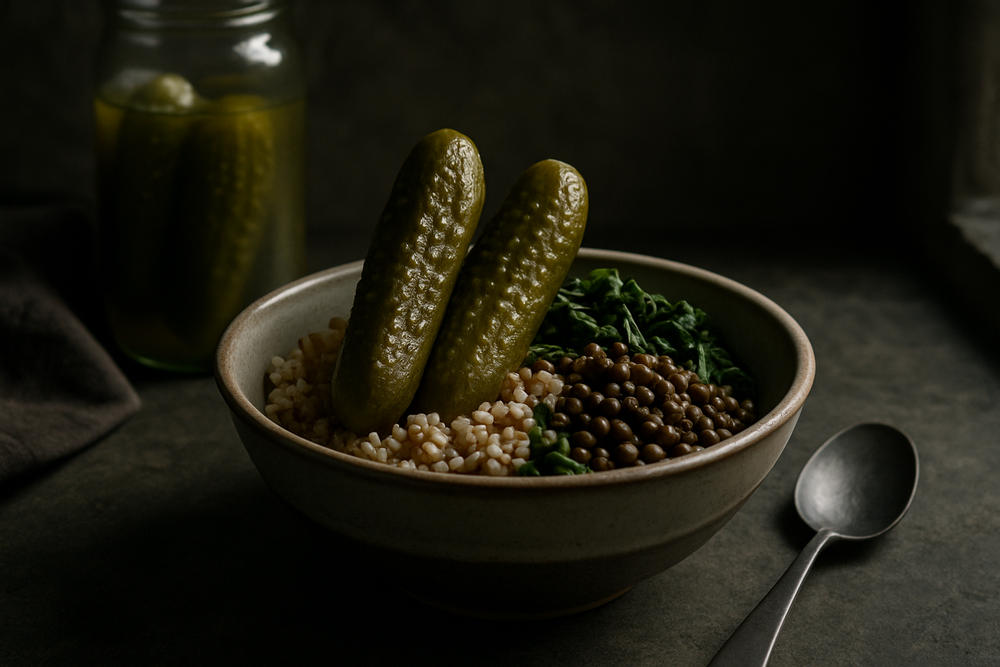
Fermented Cucumbers · Photograph
Fermented cucumbers — sold or made as lacto-fermented dill pickles, salt-brined spears, or naturally soured cucumbers — have attracted growing attention as a gut-friendly food. But the category is genuinely confusing: most of the jars on supermarket shelves labeled "pickles" are not fermented in any meaningful probiotic sense, and the potential benefits of the ones that are fermented come with a real sodium caveat worth knowing about.
Key Nutrients
% Daily Value based on 2,000 cal diet
Key active compounds
- Lactic acid bacteria (LAB) — Bacteria such as Lactobacillus species that grow naturally when cucumbers are submerged in adequately salted, low-oxygen brine. They produce lactic acid, preserve the vegetable, and may act as probiotics if consumed alive in meaningful numbers.
- Organic acids (primarily lactic acid) — Produced by LAB as they break down the small amount of carbohydrate in cucumbers. They lower the pH of the brine, create the characteristic sour flavor, and may modestly affect the digestive environment.
- Phenolic compounds and flavonoids (including quercetin derivatives) — Plant secondary metabolites naturally present in cucumber flesh and skin, and in add-ins like dill, garlic, and mustard seed. They have antioxidant properties; fermentation can alter their bioavailability (how easily the body absorbs and uses them).
- Cucurbitacins (trace amounts) — Bitter triterpenoid compounds found in the cucumber family (Cucurbitaceae). Levels are very low in modern cultivated cucumbers. They have been studied in laboratory settings for potential anti-inflammatory effects, but there is no meaningful clinical data.
- Exopolysaccharides and fermentation peptides — Complex sugars and small protein fragments produced by LAB during fermentation. Studied in other fermented foods for potential prebiotic and gut-barrier-supporting roles; evidence in fermented cucumbers specifically is limited.
Are fermented cucumbers actually good for you? What the evidence shows
Digestive health and the microbiome
This is where the most credible evidence sits, even if it is not cucumber-specific. Fermented vegetables in general — kimchi, sauerkraut, and naturally brined vegetables — have been shown in human studies and systematic reviews to increase dietary intake of live microorganisms, modestly expand gut microbial diversity, and improve self-reported digestive comfort in some individuals.
A 2021 Stanford randomised controlled trial found that a high-fermented-food diet increased microbiome diversity and reduced markers of immune activation compared to a high-fibre diet — though pickles were just one of many fermented foods included. Harvard's Nutrition Source notes that fermented foods are among the most direct ways to add live microbes to the diet.
Fermented cucumbers contribute LAB when unpasteurized and stored correctly. Whether that translates into a measurable microbiome shift from cucumbers alone — rather than from a broader high-fermented-food pattern — has not been tested in clinical trials. Consider them a meaningful addition to a diverse diet, not a standalone gut treatment.
Practical note on bloating: The salty, acidic brine and common add-ins like garlic or onion can aggravate symptoms in people with irritable bowel syndrome (IBS) or acid reflux. Start with a small amount and see how your body responds.
Heart health and blood pressure
The evidence here is a genuine tension rather than a clean story. On one hand, fermented vegetables broadly have been associated with heart-protective dietary patterns in epidemiological studies (studies that observe health outcomes in large populations over time). On the other hand, each spear of fermented cucumber delivers a significant sodium load, and high sodium intake is one of the most robustly documented dietary risk factors for elevated blood pressure and cardiovascular disease.
For fermented cucumbers specifically — no clinical trials demonstrate heart benefit. They are best treated as a condiment within an overall low-sodium eating plan, not as a vegetable serving that counts toward your five-a-day.
Blood sugar and metabolism
Fermented cucumbers are extremely low in digestible carbohydrates, so they do not meaningfully raise blood glucose (blood sugar). For people with type 2 diabetes or insulin resistance who want low-glycaemic (having little effect on blood sugar) flavour options, a spear alongside a meal is unlikely to cause a glucose spike.
Some research into acetic acid (the active component in vinegar) has shown it can blunt postprandial glucose (the blood sugar rise after eating). However, naturally fermented cucumbers are made with lactic acid from bacteria, not acetic acid from vinegar — so this finding does not directly apply. Their glucose-neutral nature is still useful, but the mechanism is different.
People with diabetes who also have kidney disease or hypertension need to weigh the sodium load carefully.
Inflammation and immune function
This area is emerging and indirect. LAB and their metabolites — including lactic acid, exopolysaccharides, and certain peptides — have been shown in human and animal studies to modulate inflammatory signalling, particularly in the context of the gut immune system. Much of this evidence comes from yoghurt and fermented vegetables broadly, not fermented cucumbers specifically.
In theory, unpasteurized fermented cucumbers containing live LAB could contribute to these effects as part of a varied fermented-food diet. In practice, the pro-inflammatory potential of high sodium intake in the same food may counterbalance any benefit, particularly in salt-sensitive individuals.
Prep and pairing ideas
Common pairings that work well:
- Fermented cucumber + grain bowls or rice dishes The acidity and crunch of a sliced fermented spear cuts through the richness of cooked grains, tahini dressings, or roasted vegetables — adding a flavour contrast that reduces the need for additional salt. Because the cucumber is already intensely flavoured, one small spear goes a long way.
- Fermented cucumber + plant-based protein (lentils, chickpeas, tofu) The organic acids in lacto-fermented cucumbers can help brighten the earthy, sometimes flat flavour of legumes or plain tofu. Serving them alongside — or chopped into — a lentil salad or hummus bowl adds complexity without the need for processed condiments.
- Fermented cucumber + avocado or fatty plant foods Fat and acid are a classic flavour pairing for good reason: the sourness of a fermented pickle balances the richness of avocado, nut-based sauces, or olive oil dressings. A few slices tucked into a wrap with hummus and roasted vegetables makes the fermented cucumber feel like a featured ingredient rather than an afterthought.
Prep notes: Slice cold from the fridge just before serving to preserve any remaining live cultures. Avoid heating fermented cucumbers in cooking — prolonged heat kills LAB and removes the
How Fermented Cucumbers Compares
| Compared with | What's different |
|---|---|
| Fermented Cucumbers vs. Vinegar Pickles | Preserved in vinegar and heat-processed, which kills beneficial probiotic bacteria. |
| Fermented Cucumbers vs. Sauerkraut | Higher in fiber (3-4g) and often spicy, offering different strains of bacteria. |
Health Benefits
Things to Know
Sodium is the primary risk: A single spear can contain 250–500 mg of sodium. If you are watching sodium for blood pressure, heart, or kidney health, treat fermented cucumbers as a condiment (a small flavouring addition), not a vegetable portion.
Fermented ≠ probiotic: Only unpasteurized, refrigerated, salt-brined products contain live cultures. Heat-processed or vinegar-brined products do not.
Histamine sensitivity: Fermented foods can be higher in histamine and other biogenic amines (naturally occurring compounds that can trigger reactions in sensitive people). If you have histamine intolerance or a mast cell disorder, introduce fermented cucumbers very slowly or avoid them.
GERD and acid reflux: The acidity and salt content can worsen heartburn or reflux symptoms in susceptible individuals.
Vitamin K content: Fermented cucumbers contain modest vitamin K from cucumber flesh and dill. People taking warfarin or other vitamin K-antagonist anticoagulants (blood thinners) should keep intake consistent rather than sporadic.
MAOI medications: People taking monoamine oxidase inhibitor antidepressants are generally advised to limit high-tyramine fermented foods. Fermented cucumbers are not among the highest tyramine sources, but consistent caution is reasonable.
Antihypertensive medications: Regular high intake of sodium-rich fermented cucumbers can reduce the effectiveness of blood-pressure-lowering medications including ACE inhibitors, ARBs, beta-blockers, and diuretics.
Pregnancy: Sodium intake may contribute to fluid retention and blood pressure concerns. Acidic, spicy ferments may also worsen heartburn, which is common in pregnancy.
Immunocompromised individuals: Those undergoing chemotherapy, living with advanced HIV, or post-transplant should be cautious with non-standardised homemade ferments and discuss with their care team before adding live-culture foods.
Homemade safety: Batches must maintain adequate salinity and low oxygen to prevent dangerous spoilage organisms. If in doubt, discard.
Prep Ideas
- — Fermented cucumber + grain bowls or rice dishes The acidity and crunch of a sliced fermented spear cuts through the richness of cooked grains, tahini dressings, or roasted vegetables — adding a flavour contrast that reduces the need for additional salt. Because the cucumber is already intensely flavoured, one small spear goes a long way.
- — Fermented cucumber + plant-based protein (lentils, chickpeas, tofu) The organic acids in lacto-fermented cucumbers can help brighten the earthy, sometimes flat flavour of legumes or plain tofu. Serving them alongside — or chopped into — a lentil salad or hummus bowl adds complexity without the need for processed condiments.
- — Fermented cucumber + avocado or fatty plant foods Fat and acid are a classic flavour pairing for good reason: the sourness of a fermented pickle balances the richness of avocado, nut-based sauces, or olive oil dressings. A few slices tucked into a wrap with hummus and roasted vegetables makes the fermented cucumber feel like a featured ingredient rather than an afterthought.
Shop This Ingredient
Stock your pantry with quality fermented cucumbers.
Buy on AmazonAs an Amazon Associate, Plantopedia earns from qualifying purchases. This costs you nothing extra and helps us keep the encyclopedia free.
Frequently Asked Questions
Buying guide: fresh, refrigerated, shelf-stable, or homemade? Refrigerated, unpasteurized, salt-brined (best for live cultures) Look for jars sold from a refrigerated section with an ingredient list that reads: cucumbers, water, salt, and optionally dill, garlic, or spices — and no vinegar. Labels saying "naturally fermented," "raw," or "live cultures" are positive signals. These products may contain live LAB with potential gut-supportive effects. Sodium is still high, so check the label. Label tip: Flip the jar and look for slight cloudiness or small bubbles in the brine. Clear, sparkling brine is a good sign of active fermentation; a completely clear, vinegar-sharp smell on opening is a sign you have a vinegar pickle. Shelf-stable jars in the unrefrigerated aisle (no live cultures) Most commercial pickles — even ones marketed as "old-fashioned" or "crunchy" — are vinegar-brined and heat-processed for shelf stability. They contain no live bacteria. They are perfectly fine low-calorie condiments but should not be chosen for probiotic-like benefits. Homemade lacto-fermented cucumbers (highest live-culture potential, most variable) Made at home using non-chlorinated water, pickling cucumbers, and around 1–2 tablespoons of non-iodised salt per quart of water, plus optional herbs. The cucumbers are submerged under the brine in a clean jar — using a weight or a zip-lock bag filled with brine — and left at cool room temperature for 3–7 days until sour, then refrigerated. Technique and hygiene matter: discard any batch that develops mould beyond the surface, produces a foul smell, or becomes soft and slimy. Mixed fermented vegetable products containing cucumber Some products include cucumber in fermented medleys or cucumber kimchi. These can contribute LAB and variety, but health effects observed in studies of the full product cannot be attributed to the cucumber portion alone.
Quick Answers
Common questions, answered in a line.
Fermented cucumbers contain live Lactic Acid Bacteria (LAB), such as Lactobacillus, which may act as probiotics for the gut. These bacteria grow naturally when cucumbers are submerged in a salt brine, producing organic acids like lactic acid that preserve the vegetable and create a sour flavor.
Yes, unpasteurized fermented cucumbers are a source of live microorganisms that can increase gut microbial diversity and improve digestive comfort. A Stanford study indicated that a diet high in various fermented foods can reduce markers of immune activation, though cucumbers should be part of a diverse diet rather than a standalone treatment.
Fermented cucumbers are extremely low in digestible carbohydrates and generally do not cause a spike in blood glucose levels. They are considered a low-glycemic flavor option suitable for individuals with type 2 diabetes or insulin resistance, though the high sodium content must still be monitored.
High intake of fermented cucumbers can interfere with the effectiveness of blood-pressure-lowering drugs like ACE inhibitors, ARBs, beta-blockers, and diuretics due to their high sodium content. People taking these medications should treat fermented spears as a condiment rather than a primary vegetable serving.
You should slice fermented cucumbers cold from the fridge and add them to dishes just before serving to preserve the live Lactic Acid Bacteria. Avoid heating or cooking them, as high temperatures kill the beneficial cultures and change the texture of the vegetable.
Individuals with histamine intolerance, acid reflux (GERD), or those taking warfarin should exercise caution when eating fermented cucumbers. The fermentation process can increase histamine levels, the acidity may trigger heartburn, and the vitamin K content can affect how certain blood thinners work.
A single fermented cucumber spear can contain between 250 and 500 mg of sodium, which is a significant portion of the recommended daily intake. Because high sodium is a documented risk factor for heart disease, these cucumbers are best consumed in moderation as a flavor enhancer.
For Readers in the USA
Local context — sourcing, seasonality, and regional notes.
In American grocery stores, look for fermented cucumbers in the refrigerated section labeled "keep refrigerated" and "live cultures" rather than on the room-temperature shelves. Standard shelf-stable pickles like Vlasic or Mt. Olive are typically vinegar-processed and pasteurized, which kills the beneficial probiotics found in refrigerated brands like Bubbie's or Cleveland Kitchen.
The USDA Organic seal on fermented cucumbers ensures the produce was grown without synthetic pesticides and the fermentation process follows strict federal standards for organic handling. While non-organic fermented pickles still offer probiotic benefits, the organic label is a reliable way for US consumers to avoid residual chemicals sometimes found on conventional thin-skinned cucumbers.
Peak season for pickling cucumbers in the US is late summer (July through September), though high-quality fermented varieties are available year-round due to regional growing cycles in states like Florida and California. Kirby cucumbers, the preferred variety for fermentation in the US, are most abundant at farmers markets during the warmer months.
In the United States, "half-sour" and "full-sour" pickles are iconic regional varieties rooted in Jewish deli traditions of the Northeast. Half-sours are fermented for a shorter period, resulting in a bright green color and crisp texture, while full-sours are fermented longer for a deeper tang and softer bite; both are naturally fermented in salt brine without vinegar.
AI Clinical Review
- Clearly distinguishes true lacto‑fermented cucumbers (salt‑brined, unpasteurized, refrigerated) from vinegar pickles, and explains why only the former may contain live cultures.
- Emphasizes sodium as the main nutritional concern, with realistic per‑spear ranges (about 250–500 mg) and the idea of using them as a condiment rather than a vegetable serving.
- Frames gut benefits appropriately: fermented foods can add lactic acid bacteria (LAB) and may support microbiome diversity, but effects aren’t cucumber‑specific.
- Offers practical buying and safety cues (ingredient list, absence of vinegar, cloudiness/bubbles, basic home‑fermentation hygiene) that align with food‑safety best practices.
- Clinical trials showing specific health outcomes from fermented cucumbers alone (blood pressure, heart health, glycemia, inflammation) are lacking; current insights are extrapolated from broader fermented‑food research.
- LAB strains and viable counts vary widely by brand and home methods, and decline over time in storage—there’s no standardized “dose,” so probiotic‑like effects are inconsistent.
- Mechanistic benefits from plant compounds and fermentation by‑products (phenolics, exopolysaccharides, cucurbitacins) remain mostly preclinical; human relevance for typical servings is uncertain.
- Portion and sodium: one spear (~35 g) often delivers 250–500 mg sodium; fit this within your daily limit (many adults aim for about 1,500–2,300 mg/day) and treat as a flavor accent.
- Form matters: choose refrigerated, unpasteurized, salt‑brined cucumbers if you’re seeking live cultures; shelf‑stable, vinegar‑brined or heat‑processed pickles won’t provide them. Avoid heating to preserve any LAB.
- Who should be cautious: people with hypertension, heart failure, chronic kidney disease, or those on blood‑pressure medicines; individuals with histamine intolerance or on MAOIs; those on warfarin (keep vitamin K intake consistent); people with GERD/reflux; pregnant and immunocompromised individuals should discuss live‑culture foods with their clinician.
- Home fermentation safety: maintain adequate salinity and full submersion (low‑oxygen), use clean equipment, and discard batches that become slimy, moldy beyond the surface, or develop off‑odors—when in doubt, throw it out.
Fermented does not always mean probiotic; note sodium and live/active culture differences.
References
- PubMed — Enhancement of γ-aminobutyric acid in fermented cucumbers (pubmed.ncbi.nlm.nih.gov)
- PMC, National Library of Medicine — Anti-inflammatory effects of a naturally lacto-fermented cucumber product on RAW 264.7 macrophages in association with increased functional ingredients (pmc.ncbi.nlm.nih.gov)
- PubMed — Changes in the free amino acid profile of pickling cucumber during lactic acid fermentation (pubmed.ncbi.nlm.nih.gov)
- USDA FoodData Central — USDA FoodData Central (fdc.nal.usda.gov)
- PMC, National Library of Medicine — Effect of Fermentation on the Nutritional Quality of the Selected Vegetables and Legumes and Their Health Effects (pmc.ncbi.nlm.nih.gov)
- PMC, National Library of Medicine — Fermented Vegetables: Health Benefits, Defects, and Current Technological Solutions (pmc.ncbi.nlm.nih.gov)
Know Your Numbers
Eating healthy is a start. Now get to know your biomarkers.
Food changes bloodwork — inflammation, lipids, blood sugar and nutrient status all respond to what you eat. 59 markers from $59.
- Results in 7–10 days at 2,000+ Quest sites
- Licensed provider reviews every result
- One flat price, no membership, HSA/FSA eligible
Educational information only, not medical advice. Panels are ordered and reviewed through our licensed partner; Plantopedia may earn a commission.