Cracked Wheat — health benefits and uses
A long-standing Middle Eastern and South Asian pantry grain for everyday cooking.
The Short Answer
Cracked wheat is a whole grain made by crushing raw wheat kernels into smaller pieces. It provides 10 grams of protein and 10 grams of fiber per cooked cup, supporting digestion and heart health through its high bran and germ content.

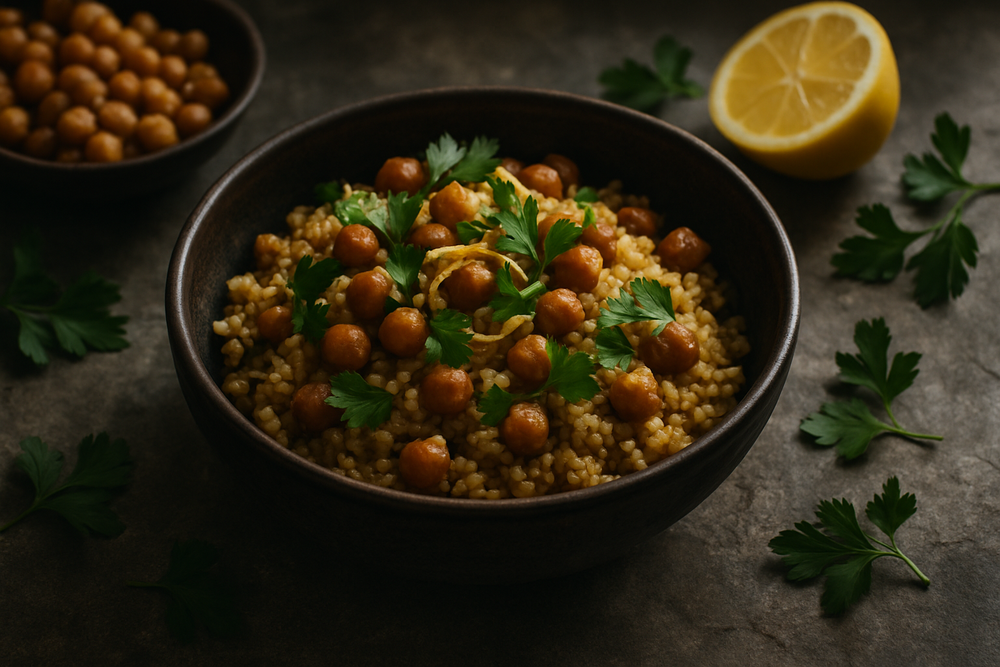
Cracked Wheat · Photograph
Discover cracked wheat health benefits and how to use it in pilafs, porridge, and more. Get cracked wheat nutrition facts, digestion and heart health evidence, safe daily amounts, and practical cooking tips — all in plain English.
Key Nutrients
% Daily Value based on 2,000 cal diet
Key active compounds
The health potential of cracked wheat comes from several compounds working together, not from one magic molecule.
- Dietary fiber — both insoluble fiber (speeds transit time, adds stool bulk) and some soluble fiber (feeds beneficial gut bacteria and helps moderate blood sugar response)
- Ferulic acid — a phenolic acid (plant-derived antioxidant compound) concentrated in the wheat bran; may reduce oxidative stress and support anti-inflammatory pathways
- Alkylresorcinols — lipophilic (fat-soluble) phenolic compounds found mainly in the outer layers of wheat; used in research as biomarkers of whole-grain wheat intake and may have antioxidant effects
- Lignans — phytoestrogen-like compounds that gut bacteria convert into active metabolites; linked in population studies to cardiovascular and hormonal health benefits
- Phytic acid (phytate) — a phosphorus-storage compound that also acts as an antioxidant; can slightly reduce the absorption of minerals like iron and zinc, though soaking and cooking reduce this effect
- B vitamins — thiamin, niacin, and folate support energy metabolism, DNA repair, and nervous system function
- Minerals — iron, magnesium, selenium, and potassium, all retained because the grain is not refined
Myths vs. facts
Myth 1: Cracked wheat is the same as bulgur. Fact: They come from the same grain but are processed differently. Bulgur is pre-cooked before cracking, so it rehydrates fast. Cracked wheat is raw and needs to be simmered. Both are whole grains; neither is clearly superior nutritionally.
Myth 2: Cracked wheat spikes blood sugar like white bread. Fact: The intact fiber and coarser particle size of cracked wheat slow digestion. Human studies consistently show whole-grain wheat raises blood sugar more gradually than refined wheat, though individual responses vary.
Myth 3: Soaking cracked wheat destroys its nutrients. Fact: Soaking for 30–60 minutes before cooking can actually improve mineral absorption by reducing phytic acid content, and it shortens cooking time. B vitamins are water-soluble, so avoid soaking for very long or discard soaking water only if necessary.
Prep and pairing ideas
Basic stovetop method: Rinse ½ cup dry cracked wheat, add to 1¼ cups water or low-sodium broth, bring to a boil, reduce to a simmer, cover, and cook 15–25 minutes until water is absorbed and grains are tender but still slightly chewy. Fluff with a fork and season.
Breakfast porridge: Simmer ¼ cup dry cracked wheat in 1 cup oat milk or water for 20 minutes. Top with sliced banana, a tablespoon of almond butter, a sprinkle of cinnamon, and a few walnuts. The fat from almond butter helps your body absorb fat-soluble vitamins in the grain.
Savory pilaf: Sauté diced onion and garlic in a dry pan, add dry cracked wheat and toast for 2 minutes, pour in vegetable broth, cover and simmer. Stir in roasted chickpeas, fresh parsley, and lemon juice at the end. The chickpeas add complementary lysine (an amino acid that wheat is low in), making this a more complete plant protein meal.
Grain salad: Cook cracked wheat, let it cool, and toss with chopped cucumber, cherry tomatoes, fresh mint, olive oil, and a squeeze of lemon. Pairs well with a handful of spinach for additional iron and folate.
In bread: Replace up to 20% of the flour in a whole-wheat loaf recipe with dry cracked wheat soaked for 30 minutes and drained. It adds a pleasant crunch and boosts fiber per slice.
Bottom line
Cracked wheat is a minimally processed whole grain that earns its place in a food-as-medicine eating pattern. It delivers a solid combination of fiber, plant protein, B vitamins, and minerals in a form that cooks quickly and fits naturally into both savory and sweet dishes. The evidence supporting whole-grain wheat for heart health, blood sugar management, and digestive health is among the stronger bodies of evidence in nutrition science — and cracked wheat, retaining the full grain, is positioned to share those benefits.
Its main limitations are that it contains gluten (making it off-limits for celiac disease and wheat allergy) and that it requires some adjustment time for people moving from a low-fiber diet. Within those boundaries, it is a versatile, affordable, and nutritionally meaningful ingredient.
If you are looking to build a diet that uses whole grains as a foundation, cracked wheat is one of the most practical ways to get there.
Looking to see how cracked wheat fits into a broader eating pattern built around whole-food, plant-based ingredients? Explore the Plantopedia goals guide for ingredient-led meal planning ideas.
How Cracked Wheat Compares
| Compared with | What's different |
|---|---|
| Cracked Wheat vs. Bulgur | Bulgur is parboiled and dried before cracking, making it faster to cook than raw cracked wheat. |
| Cracked Wheat vs. Couscous | Couscous is a refined pasta made from semolina, lacking the fiber and bran found in cracked wheat. |
| Cracked Wheat vs. Steel-cut Oats | Steel-cut oats have a creamier texture when cooked and contain more soluble fiber than wheat. |
Health Benefits
Things to Know
Gluten and wheat allergy: Cracked wheat contains gluten and wheat proteins. It is not safe for anyone with celiac disease, wheat allergy, or non-celiac gluten sensitivity. There is no cracked wheat that is gluten-free.
IBS and gut flares: The high fiber content may worsen symptoms in people with irritable bowel syndrome (IBS), particularly during active flares. Low-FODMAP (a dietary approach that limits certain fermentable carbohydrates) protocols often limit wheat-based whole grains.
Introduce gradually: If you are not used to eating much fiber, adding a large amount of cracked wheat quickly can cause transient bloating and gas. Start with ¼ cup dry and increase over 1–2 weeks while drinking adequate water.
Medication timing: Very high-fiber meals taken at the same time as certain oral medications — including thyroid hormone (levothyroxine), some antibiotics, and tricyclic antidepressants — may theoretically slow drug absorption. If you take these medications, space them away from high-fiber meals by at least 1–2 hours. Ask your pharmacist or doctor.
Renal (kidney) diets: Cracked wheat adds potassium, phosphorus (from phytate), and magnesium to the diet. People on potassium- or phosphorus-restricted diets for chronic kidney disease should check portion sizes with their healthcare provider.
Pregnancy: Cracked wheat is a useful source of folate and iron during pregnancy, but it does not replace prenatal supplementation for these nutrients. It is safe to eat during pregnancy for women without wheat allergy or celiac disease.
Glossary
Shop This Ingredient
Stock your pantry with quality cracked wheat.
Buy on AmazonAs an Amazon Associate, Plantopedia earns from qualifying purchases. This costs you nothing extra and helps us keep the encyclopedia free.
Frequently Asked Questions
Most direct clinical evidence focuses on whole-grain wheat broadly rather than cracked wheat specifically. Because cracked wheat is minimally processed and retains the bran and germ, nutrition researchers consider it comparable to other whole-grain wheat foods. The evidence below applies to that category, with notes on what is and is not proven. Heart and circulation Higher whole-grain wheat intake is consistently linked to lower rates of coronary heart disease, stroke, and cardiovascular mortality in large observational studies tracking tens of thousands of people over many years. The likely mechanisms include fiber's ability to reduce LDL cholesterol (often called "bad" cholesterol), magnesium's role in blood pressure regulation, and antioxidant phenolics reducing oxidative stress in arterial walls. Clinical trials using whole-grain wheat foods also show modest improvements in blood lipid profiles compared with refined wheat equivalents. No randomized trial has isolated cracked wheat specifically, so the cardiovascular benefit for cracked wheat is inferred from this broader evidence base — but the inference is well supported. Digestive health and gut microbiome Cracked wheat's fiber content — roughly 10 g per ½ cup dry — makes it one of the more fiber-dense ways to add a whole grain to a meal. Insoluble fiber adds bulk to stool and helps keep bowel movements regular. Soluble fiber and some of the resistant starch (carbohydrate that resists digestion in the small intestine) reach the large intestine, where beneficial gut bacteria ferment them into short-chain fatty acids that nourish the colon lining. A 2024 randomized human study found that whole-grain soft wheat crackers changed gut microbiota composition and reduced markers of gastrointestinal inflammation compared with refined wheat crackers — direct human evidence that whole-grain wheat, as a food category, supports gut health. Cracked wheat, as a raw whole-grain wheat product, is expected to provide similar support. Blood sugar and metabolism Whole grains generally produce a lower blood sugar spike after eating than refined grain products, and large prospective cohort studies consistently link higher whole-grain intake to reduced risk of type 2 diabetes. Clinical trials using whole-grain bread and cereals show modest improvements in insulin sensitivity. For cracked wheat specifically, the coarser particle size and intact fiber matrix slow digestion, meaning glucose enters the bloodstream more gradually than it would from white bread or white rice. Coarser, less-cooked preparations tend to have a lower glycemic index (a measure of how quickly a food raises blood sugar) than finely milled or overcooked versions. Evidence is extrapolated from whole-grain wheat studies rather than cracked wheat trials. Inflammation and recovery Observational studies find that people eating more whole grains tend to have lower levels of C-reactive protein (CRP) — a blood marker of systemic, or whole-body, inflammation. Some randomized trials using whole-grain wheat foods report modest reductions in inflammatory markers compared with refined grain diets. Ferulic acid and other phenolics in the wheat bran are thought to be key contributors, along with fiber's effect on gut-derived inflammatory signals. This area of evidence is described as "emerging" — effects are real but often modest, and cracked wheat has not been tested as a standalone intervention. Hormones and metabolism Direct evidence on cracked wheat and hormonal health is limited. Whole-grain diets, including those high in whole-grain wheat, have been associated in some trials with improved insulin dynamics and modest shifts in appetite-regulating hormones like peptide YY and ghrelin, likely because slower digestion prolongs satiety. Wheat lignans, converted by gut bacteria into hormone-active metabolites, are theoretically relevant but the clinical picture is not yet clear. Any hormonal effects from cracked wheat are likely indirect, mediated through blood sugar stability and gut signaling rather than a direct hormonal action.
All three are whole-grain wheat products that preserve the bran and germ — so nutritionally they are very close. The differences are mostly practical. Whole wheat berries are the raw, intact kernels. They take 45–60 minutes to cook but have the chewiest texture and the most intact cellular structure, which may translate to a slightly lower glycemic response per gram. Cracked wheat is raw whole berries broken into coarse pieces. Cooks in 15–25 minutes. Retains all the bran and germ. Has a heartier chew than bulgur. Bulgur is whole wheat that has been par-cooked (steamed), dried, and then cracked. Rehydrates in 10–15 minutes, sometimes with just boiling water. Slightly more processed but still considered a whole grain. Nutritionally very similar to cracked wheat. If speed matters, bulgur wins. If you want a minimally processed, WFPB-aligned option that still cooks in under 30 minutes, cracked wheat is the sweet spot. Neither is nutritionally superior — choose based on your cooking context.
There is no single number that applies to everyone, but some practical reference points help. Dietary guideline target: Major health organizations, including the USDA's MyPlate guidance, recommend making at least half of all grain intake whole grain. For most adults eating around 6 ounce-equivalents of grains per day, that means at least 3 ounce-equivalents of whole grains. One ounce-equivalent of cracked wheat is roughly 3 tablespoons dry (about 30 g), so a ½-cup dry serving counts as about 2.5 ounce-equivalents — a meaningful contribution toward the daily whole-grain target. Practical starting range: ¼ cup dry (about 40 g) per meal is a reasonable starting amount for someone new to cracked wheat. This yields roughly 130 kcal, 5 g fiber, and 5 g protein when cooked. More fiber-adapted individuals can use ½ cup dry (about 80 g) per serving. Upper practical limit: There is no established "too much" for healthy adults eating cracked wheat as part of a balanced diet. The main limiting factor is total calorie and carbohydrate intake relative to individual needs, and — for new users — digestive tolerance. Start low, go slow: If you are moving from a low-fiber diet, begin with ¼ cup dry two or three times per week, ensure you drink 6–8 glasses of water daily, and increase portion size and frequency gradually over 2–3 weeks.
Quick Answers
Common questions, answered in a line.
Cracked wheat and bulgur both come from the same grain, but cracked wheat is raw while bulgur is pre-cooked before being cracked. Because bulgur is parboiled, it rehydrates much faster; raw cracked wheat requires simmering for 15 to 25 minutes to become tender.
Cracked wheat has a lower impact on blood sugar than refined white bread because its intact fiber and coarse particle size slow down digestion. Human studies show whole-grain wheat raises blood glucose more gradually than refined versions, though individual responses vary.
Soaking cracked wheat for 30 to 60 minutes before cooking can improve mineral absorption by reducing phytic acid, an antioxidant that otherwise limits the uptake of iron and zinc. Soaking also helps shorten the active cooking time on the stove.
Cracked wheat is not gluten-free and is unsafe for individuals with celiac disease, wheat allergy, or non-celiac gluten sensitivity. It is a minimally processed whole grain that contains both gluten and wheat proteins.
Cracked wheat contains high amounts of dietary fiber, B vitamins like thiamin and niacin, and essential minerals including iron, magnesium, selenium, and potassium. It also provides plant-derived antioxidants such as ferulic acid and alkylresorcinols found in the bran.
To cook cracked wheat, rinse 1/2 cup of grains, add to 1 1/4 cups of water or broth, bring to a boil, and then simmer covered for 15 to 25 minutes. The grains are ready when the water is absorbed and they are tender but still slightly chewy.
If you are new to high-fiber foods, start with 1/4 cup of dry cracked wheat and increase your intake over 1 to 2 weeks while drinking plenty of water. This gradual introduction helps prevent transient bloating and gas as your digestive system adjusts.
For Readers in the USA
Local context — sourcing, seasonality, and regional notes.
In the United States, you can find cracked wheat in the bulk bins or baking aisles of major retailers like Whole Foods Market, Kroger, and Publix, as well as at local natural food co-ops. It is also a staple in Middle Eastern and Mediterranean specialty markets, where it may be labeled as 'dalia' or 'fine-cracked wheat.'
Cracked wheat is widely available year-round in the U.S. because it is a shelf-stable pantry staple derived from winter or spring wheat harvested in the Great Plains and Pacific Northwest. While the grain is harvested in summer and fall, it maintains its nutritional quality throughout the year when stored in cool, dry conditions.
When shopping for cracked wheat in the U.S., look for the USDA Organic seal to ensure it was grown without synthetic pesticides and the '100% Whole Grain' stamp from the Whole Grains Council. These labels help American consumers verify that the product contains the entire wheat kernel and meets federal organic standards.
American home cooks frequently use cracked wheat as a high-fiber alternative to grits in the South, or as a base for California-style grain bowls and 'Minnesota-style' wild rice and wheat pilafs. It is also commonly used across the U.S. as a texture enhancer in homemade artisanal breads and hearty multi-grain muffins.
AI Clinical Review
- Cracked wheat is accurately described as a true whole grain (bran and germ intact) with meaningful fiber, B vitamins, and minerals, and it cooks faster than whole wheat berries.
- The distinction from bulgur (par‑cooked) is correct and useful for cooking time and texture; nutritionally they’re very similar.
- The health benefits are appropriately tied to the broader whole‑grain wheat evidence base (heart health, type 2 diabetes risk, digestive health), with plausible mechanisms (fiber, magnesium, phenolic compounds).
- Clear safety call‑outs on gluten: not appropriate for celiac disease, wheat allergy, or non‑celiac gluten sensitivity.
- Few randomized trials isolate cracked wheat itself; most benefits are extrapolated from whole‑grain wheat generally, and effect sizes in lipids or inflammation markers are often modest.
- Glycemic impact depends on particle size, cooking time, and meal context; published GI values vary and individual glucose responses can differ.
- Microbiome findings from whole‑grain wheat foods are promising but early; optimal amounts and clinical relevance for symptoms or disease endpoints are not fully defined.
- Portion guidance that fits most adults: start around 1/4–1/2 cup dry (≈40–80 g) per serving; increase gradually with adequate fluids to minimize gas or bloating.
- Avoid if you have celiac disease, wheat allergy, or NCGS; those with IBS may tolerate smaller portions or may need to limit during flares. People with chronic kidney disease on potassium/phosphorus restrictions should confirm portions with their clinician.
- High‑fiber meals can reduce absorption of some medications (e.g., levothyroxine, certain antibiotics, tricyclic antidepressants); separate dosing by 1–2 hours when advised by your prescriber or pharmacist.
- Phytate can modestly lower iron/zinc absorption; soaking/cooking help. If you’re pregnant or iron‑deficient, pair with vitamin C–rich foods and time iron supplements away from high‑fiber meals. Selenium content varies by growing region, so don’t rely on cracked wheat alone for selenium.
Contains gluten; not for celiac or wheat allergy.
References
- USDA FoodData Central — cracked whole wheat nutritional data (fdc.nal.usda.gov)
- MyPlate grains guidance — whole-grain recommendations for adults (myplate.gov)
- USDA ARS Nutritive Value of Foods reference document (ars.usda.gov)
- PubMed: Impacts of whole-grain soft red and soft white wheat flour crackers on gastrointestinal inflammation and gut microbiota in humans (PMID 39336104) (pubmed.ncbi.nlm.nih.gov)
- FatSecret: Calories and nutrition in 100 g cracked whole wheat (foods.fatsecret.com)
- Bakerpedia: Cracked wheat baking ingredient profile (bakerpedia.com)
- DietCompass: Cracked wheat nutrition facts per 100 g (dietcompass.org)
- HandyCookbook: Cracked wheat — a whole grain crushed to bits (handycookbook.com)
- NIH Office of Dietary Supplements — Dietary Fiber and digestive health overview (ods.od.nih.gov)
- SnapCalorie: Cracked wheat serving and cooked nutritional values (snapcalorie.com)
Know Your Numbers
Eating healthy is a start. Now get to know your biomarkers.
Food changes bloodwork — inflammation, lipids, blood sugar and nutrient status all respond to what you eat. 59 markers from $59.
- Results in 7–10 days at 2,000+ Quest sites
- Licensed provider reviews every result
- One flat price, no membership, HSA/FSA eligible
Educational information only, not medical advice. Panels are ordered and reviewed through our licensed partner; Plantopedia may earn a commission.