Garbanzo Flour — health benefits and uses
Protein + fiber leverage; batch-cook, meal-prep, and satiety angle
The Short Answer
Garbanzo flour is a gluten-free legume flour containing 21 grams of protein and 10 grams of fiber per cup, making it an excellent high-protein substitute for wheat in savory baking and thickening.

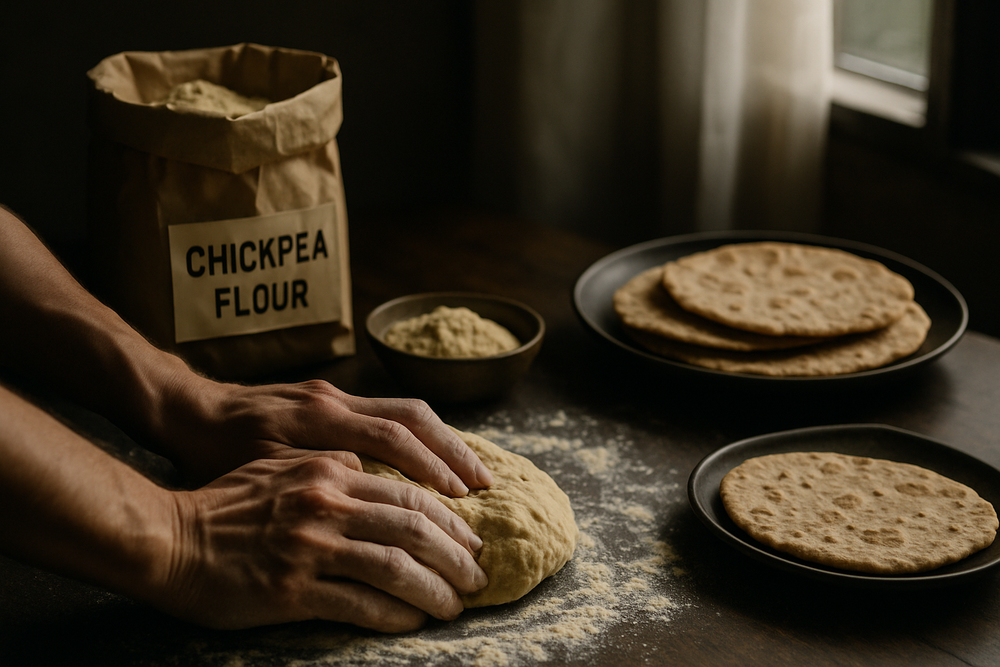
Garbanzo Flour · Photograph
Garbanzo flour — also widely known as chickpea flour, gram flour, or besan — is exactly what it sounds like: dried garbanzo beans (Cicer arietinum) milled into a fine, pale-gold powder. It has been a kitchen staple across South Asia, the Mediterranean, and the Middle East for centuries, and food researchers are increasingly interested in what it brings to the table nutritionally.
Key Nutrients
% Daily Value based on 2,000 cal diet
Key active compounds in garbanzo flour
- Saponins — Naturally occurring plant compounds (bioactive glycosides) found in legumes. Laboratory studies suggest potential cholesterol-lowering and antioxidant activity; human data specific to garbanzo flour are limited.
- Polyphenols — A broad family of plant antioxidants. Chickpea flour shows measurable antioxidant activity in lab tests and may reduce formation of acrylamide (a potentially harmful compound produced during high-heat cooking like baking and frying) when used in baked goods.
- Resistant starch — Starch that resists digestion in the small intestine and reaches the large intestine, where gut bacteria ferment it. This acts similarly to soluble fiber, feeding beneficial microbes and producing short-chain fatty acids that support gut and metabolic health.
- Phytic acid (phytate) — A natural compound in legume seeds that stores phosphorus but can partially bind minerals like iron and zinc, reducing how much you absorb. It also has antioxidant properties. Soaking, sprouting, or thoroughly cooking chickpea flour preparations can reduce phytate levels.
Prep and pairing ideas
Quick savory flatbread (socca-style): Whisk 1 cup garbanzo flour + 1 cup water + 1 tbsp olive oil + a pinch of salt. Rest 30 minutes. Pour into a hot oiled skillet or baking dish and cook at 220°C/425°F for 12–15 minutes until set and lightly golden. Top with roasted vegetables or a simple salad.
High-protein veggie pancake: Mix ½ cup garbanzo flour + ½ cup grated zucchini + 1 egg (or flax egg) + spices. Pan-fry over medium heat until cooked through on both sides. Serve with yogurt or avocado.
Soup thickener: Stir 1–2 tabl
How Garbanzo Flour Compares
| Compared with | What's different |
|---|---|
| Garbanzo Flour vs. Wheat Flour | Higher in protein and fiber with a nutty, savory taste; wheat flour has more gluten and a neutral flavor. |
| Garbanzo Flour vs. Corn Flour | Has a denser, earthy profile and binds better in vegan omelets than the lighter, neutral corn flour. |
| Garbanzo Flour vs. Almond Flour | Contains significantly more fiber and protein; almond flour is higher in fat and has a grittier texture. |
Health Benefits
Things to Know
Celiac disease: Only use products with a certified gluten-free label. Standard milling facilities frequently handle wheat, creating cross-contamination risk even if the base ingredient is naturally gluten-free.
Legume or peanut allergy: Garbanzo beans are a legume, and those with known allergies to other legumes (including peanuts or soy) may have cross-reactive sensitivity. Check with an allergist before trying garbanzo flour if this applies to you.
IBS or FODMAP sensitivity: The fermentable carbohydrates in legume flour (GOS — galacto-oligosaccharides) can trigger symptoms in sensitive individuals. Start with ¼ to ½ the usual amount and assess your response.
Chronic kidney disease (CKD): Garbanzo flour provides moderate potassium and phosphorus. Those on potassium or phosphorus restrictions should check with a dietitian about appropriate serving sizes.
High-fiber transition: If your current diet is low in fiber, increasing garbanzo flour quickly can cause gas, loose stools, or bloating. Aim for a gradual increase over two to four weeks, and make sure you're drinking adequate water.
Medication timing: As a high-fiber food, very large servings taken at the same time as oral medications (e.g., thyroid hormone, some antibiotics) could theoretically slow drug absorption. Spacing high-fiber meals and medications by at least one to two hours is a reasonable precaution — discuss with your prescriber or pharmacist if unsure.
Pregnancy: Garbanzo flour's high folate content is genuinely beneficial during pregnancy, but do not use it as a replacement for a prescribed prenatal supplement. Ensure it is always thoroughly cooked.
Shop This Ingredient
Stock your pantry with quality garbanzo flour.
Buy on AmazonAs an Amazon Associate, Plantopedia earns from qualifying purchases. This costs you nothing extra and helps us keep the encyclopedia free.
Frequently Asked Questions
Heart health and circulation Most of the heart-health evidence for garbanzo flour comes from research on legumes broadly — and that body of evidence is fairly consistent. Higher legume intake is repeatedly linked to lower LDL ("bad") cholesterol and reduced cardiovascular risk in both observational studies and dietary intervention trials. The two mechanisms most relevant to garbanzo flour are soluble fiber (which binds cholesterol in the gut and reduces reabsorption) and plant protein (which may displace animal-protein sources higher in saturated fat). Garbanzo flour may offer an additional, indirect advantage: its polyphenol content appears to reduce acrylamide formation when used in baked and fried foods. Acrylamide is a compound associated with increased oxidative stress, so using chickpea flour in place of refined flour in your baking could reduce exposure, though the clinical significance in everyday cooking amounts is not yet fully established. Bottom line for heart health: Evidence is moderate and mostly inferred from legume research. The benefit is most likely when garbanzo flour replaces refined flour or high-saturated-fat foods rather than being added on top of an existing diet. Digestive health and the gut microbiome Garbanzo flour is a concentrated source of both dietary fiber and resistant starch (see glossary), making it a legitimate prebiotic food — meaning it feeds the beneficial bacteria in your large intestine. These bacteria ferment the fiber and produce short-chain fatty acids (like butyrate), which help maintain the gut lining and support overall digestive health. The practical trade-off: legume fibers are fermentable, which means gas and bloating are a real possibility, especially if you're not used to eating many legumes or pulses. This isn't a sign something is wrong — it's your gut microbiome adapting. Starting with small amounts (two to three tablespoons) and building up over a few weeks almost always improves tolerance. People with irritable bowel syndrome (IBS) or who follow a low-FODMAP diet (a plan that limits certain fermentable carbohydrates to reduce IBS symptoms) may need to keep portions small or test their individual tolerance carefully. Blood sugar and metabolism Among the most well-supported chickpea flour health benefits is its lower glycemic impact (the degree to which a food raises blood sugar after eating) compared with refined wheat flour. The reasons are straightforward: garbanzo flour is higher in protein and fiber, both of which slow the digestion of carbohydrates and blunt the post-meal blood sugar spike. Human meal studies using pulse-enriched breads and baked goods consistently show lower post-meal blood glucose and insulin responses compared with conventional wheat-flour products. This makes garbanzo flour a practical tool for anyone trying to manage blood sugar swings — for example, replacing white flour in pancakes, flatbreads, or batters. It's worth noting that long-term effects on HbA1c (a marker of average blood sugar over three months) and diabetes outcomes are less well studied for garbanzo flour specifically. Garbanzo flour is not a diabetes treatment; it's a food choice that may support better blood sugar patterns as part of an overall healthy diet. Inflammation and recovery Garbanzo flour's anti-inflammatory credentials are more preliminary than its blood sugar or heart-health data. The case for it rests on several indirect lines of evidence: it's rich in B vitamins (especially folate and B6) and minerals like magnesium and zinc that are involved in antioxidant defenses and inflammation regulation; it contains polyphenols with measurable antioxidant activity in lab tests; and higher legume intake in general is associated with lower markers of chronic inflammation in population studies. Direct human trials measuring whether eating garbanzo flour reduces inflammatory blood markers like CRP (C-reactive protein) or IL-6 are very limited. Think of the anti-inflammatory angle as a reasonable hypothesis supported by mechanistic evidence, rather than a well-proven outcome. Weight management and satiety Garbanzo flour may help with fullness and appetite management, largely because its high protein and fiber content are both independently associated with greater satiety (the feeling of being full and satisfied after eating). Replacing a refined-flour pancake with a garbanzo-flour pancake at the same portion size delivers more protein and fiber, which together slow gastric emptying and keep you feeling satisfied longer. This is well-supported by general legume and high-fiber diet research and by short-term satiety studies on pulse-enriched foods. Whether it translates to long-term weight loss depends on overall diet, lifestyle, and individual factors — garbanzo flour isn't a weight-loss product, but it's a smarter flour swap.
| Form | What it is | Best for | |---|---|---| | Standard garbanzo flour | Finely milled from plain dried chickpeas | Flatbreads, pancakes, pakoras, socca, batters, thickeners | | Roasted garbanzo flour | Milled from pre-roasted chickpeas | Deeper nutty flavor; may be gentler on digestion for some; traditional in South Asian kitchens | | Soaked-then-dried homemade flour | Chickpeas soaked 8–10 hrs, fully dried, then milled | Reduced antinutrients; still needs full cooking in a recipe | | Garbanzo/wheat blends | Mixed with wheat flour for partial enrichment | Gradual transition away from refined flour; NOT celiac-safe if wheat is present | | Gluten-free certified blends | Mixed with rice, tapioca, or other GF flours | Gluten-free baking (breads, muffins) — look for certified GF label | The most important rule with any form: always cook garbanzo flour fully. Raw or undercooked batters made from legume flours contain lectins and trypsin inhibitors (compounds that can interfere with digestion and cause stomach upset) that heat deactivates. Bake, fry, or simmer until no raw, wet batter remains.
Quick Answers
Common questions, answered in a line.
Yes, garbanzo flour is naturally gluten-free as it is made from dried garbanzo beans, but you should only use products with a certified gluten-free label. This is because standard milling facilities frequently handle wheat, which creates a high risk of cross-contamination. Always verify the packaging if you have celiac disease.
Garbanzo flour contains resistant starch, which serves as a prebiotic that feeds beneficial gut bacteria in the large intestine. As these microbes ferment the starch, they produce short-chain fatty acids that support overall gut and metabolic health. This process acts similarly to the benefits found in soluble fiber.
Garbanzo flour contains saponins and polyphenols, which are plant compounds that show potential cholesterol-lowering and antioxidant activity in laboratory studies. Additionally, the flour's resistant starch works like soluble fiber to support metabolic health. Research also suggests it may reduce the formation of potentially harmful acrylamide during high-heat cooking.
You can use garbanzo flour as a soup thickener by stirring in 1 to 2 tablespoons, or use it to make savory flatbreads like socca and high-protein veggie pancakes. It is a versatile ingredient widely used in South Asian, Mediterranean, and Middle Eastern cuisines. It can be mixed with water, oil, and spices to create various nutritious bases.
If you have irritable bowel syndrome (IBS), garbanzo flour may trigger symptoms because it contains fermentable carbohydrates known as galacto-oligosaccharides (GOS). It is recommended to start with a small amount, such as 1/4 to 1/2 of a typical serving, to assess your individual response. Monitoring your sensitivity is key due to these FODMAPs.
Garbanzo flour contains phytic acid, which can bind to minerals like iron and zinc and reduce their absorption. You can lower these phytate levels by soaking, sprouting, or thoroughly cooking your preparations. While it acts as an antinutrient, phytic acid also possesses its own antioxidant properties.
Garbanzo flour is highly beneficial during pregnancy due to its high folate content, though it should not replace a prescribed prenatal supplement. It is important to ensure that any food made with chickpea flour is always thoroughly cooked. Always consult with a healthcare provider regarding specific dietary needs during pregnancy.
For Readers in the USA
Local context — sourcing, seasonality, and regional notes.
In the United States, you can find garbanzo flour at major retailers like Whole Foods, Trader Joe’s, and Kroger, as well as at local Indian or Middle Eastern grocery stores where it is often labeled as "besan." Larger chains usually stock it in the gluten-free or international baking aisle.
Most garbanzo flour in the U.S. is produced from chickpeas grown in the Pacific Northwest (Idaho and Washington) and the Northern Plains (Montana and North Dakota), which are the top-producing regions. These regions provide the bulk of the domestic supply found in American pantry staples.
When purchasing garbanzo flour in the U.S., look for the USDA Organic seal to ensure it was grown without synthetic pesticides and the "Certified Gluten-Free" label if you have Celiac disease. These labels provide third-party verification of the product's quality and safety standards.
While chickpeas are harvested in the U.S. during late summer and early fall, garbanzo flour is a shelf-stable product available year-round at most American supermarkets and farmers markets. This makes it a reliable plant-based pantry staple regardless of the season.
AI Clinical Review
- Accurately highlights chickpea (garbanzo) flour as higher in protein and fiber than refined wheat flour, with useful folate, iron, magnesium, and zinc.
- Notes lower post‑meal blood sugar impact when garbanzo flour replaces refined flour—consistent with human studies on legume/pulse‑enriched foods.
- Explains prebiotic benefits (fiber and resistant starch) and the common, temporary GI symptoms when intake rises too quickly.
- Emphasizes thorough cooking to inactivate naturally occurring compounds (lectins/trypsin inhibitors) and reduce GI upset.
- Long‑term, chickpea‑flour–specific trials on cholesterol, HbA1c, weight change, and inflammatory markers are limited; much of the benefit is inferred from broader legume research or short meal studies.
- Antioxidant capacity and acrylamide‑reduction findings come mainly from lab/food‑model work; the real‑world health impact at typical intakes is not yet clear.
- Effects of different processing methods (roasted, soaked/sprouted, blended) on mineral bioavailability, glycemic response, and tolerance need more standardized human data.
- Start with small amounts (about 2–3 Tbsp/meal) and increase over 2–4 weeks; always cook fully to eliminate raw batter and improve tolerance.
- If you have celiac disease, choose products labeled certified gluten‑free to avoid cross‑contact; those with peanut/soy/legume allergies should consult an allergist before trying.
- For IBS or low‑FODMAP eating, chickpea flour’s GOS (fermentable carbs) can trigger symptoms—test tolerance with small portions.
- If you have chronic kidney disease or take medications affected by fiber (e.g., levothyroxine, some antibiotics), review serving sizes and consider spacing doses 1–2 hours from high‑fiber meals. In pregnancy, it’s a good folate source but not a replacement for a prenatal vitamin.
Mention soaking/cooking tolerance tips where relevant; avoid raw legume prep errors.
References
- PubMed — Physicochemical and nutritional properties of extrudates from food grade distiller's dried grains, garbanzo flour, and corn grits (pubmed.ncbi.nlm.nih.gov)
- PubMed — Efficacy of garbanzo and soybean flour in suppression of aberrant crypt foci in the colons of CF-1 mice (pubmed.ncbi.nlm.nih.gov)
- USDA FoodData Central — USDA FoodData Central (fdc.nal.usda.gov)
- ScienceDirect — S0308814611012647 (sciencedirect.com)
- PMC, National Library of Medicine — Nutritional composition, health benefits and bio-active compounds of chickpea (Cicer arietinum L.) (pmc.ncbi.nlm.nih.gov)
Know Your Numbers
Eating healthy is a start. Now get to know your biomarkers.
Food changes bloodwork — inflammation, lipids, blood sugar and nutrient status all respond to what you eat. 59 markers from $59.
- Results in 7–10 days at 2,000+ Quest sites
- Licensed provider reviews every result
- One flat price, no membership, HSA/FSA eligible
Educational information only, not medical advice. Panels are ordered and reviewed through our licensed partner; Plantopedia may earn a commission.