Green Lentils — health benefits and uses
Protein + fiber leverage; batch-cook, meal-prep, and satiety angle
The Short Answer
Green lentils are a nutrient-dense legume providing 18g of protein and 15.6g of fiber per cooked cup. They are prized for maintaining their shape when cooked, making them ideal for salads, stews, and plant-based meal prep.

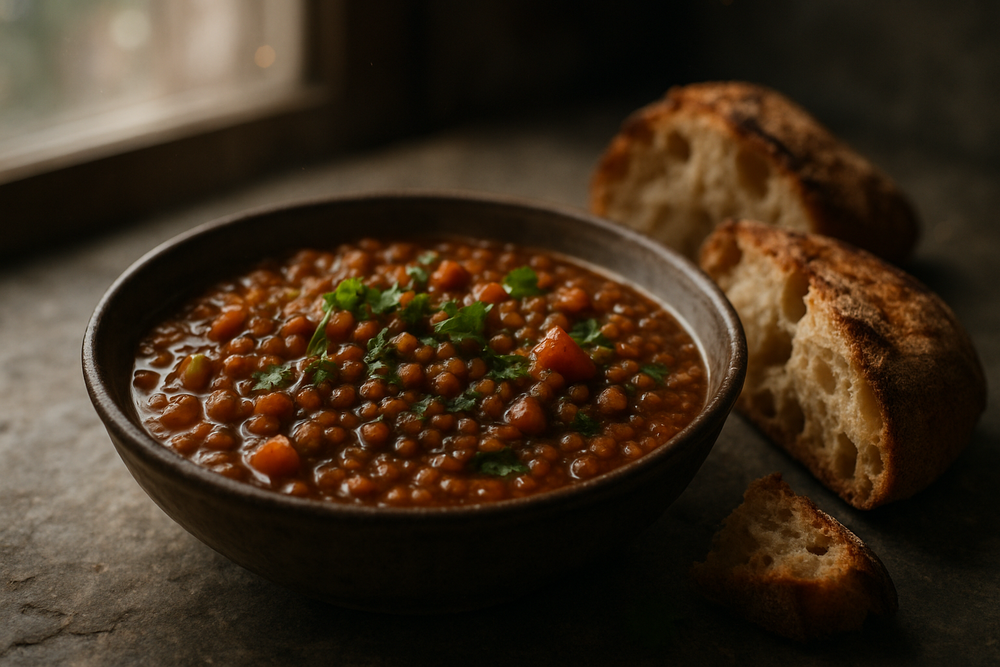
Green Lentils · Photograph
Green lentils (Lens culinaris) are nutritional champions in the legume family, offering an impressive combination of plant protein, fiber, and essential nutrients that support heart health, blood sugar control, and digestive wellness. With 18 grams of protein and 16 grams of fiber per cooked cup, these versatile legumes serve as an excellent foundation for satisfying, nutrient-dense meals.
Key Nutrients
% Daily Value based on 2,000 cal diet
Key active compounds
Green lentils contain several bioactive compounds that contribute to their health benefits:
- Polyphenols - Antioxidant compounds including procyanidins and flavanols that help reduce oxidative stress and inflammation
- Resistant starch - Starch that acts like fiber, feeding beneficial gut bacteria and improving glycemic response
- Saponins - Natural compounds that may help lower cholesterol and support immune function
- Phytic acid - While it can bind minerals, it also acts as an antioxidant (cooking reduces its mineral-binding effects)
- Tannins - Astringent compounds with antioxidant properties found in the seed coat
Buying guide
When selecting green lentils, look for:
- Dried lentils: Choose uniform color, minimal broken pieces, and no signs of moisture or insects
- Canned lentils: Opt for low-sodium varieties or those with no added salt
- Bulk bins: Ensure high turnover and proper storage to maintain freshness
- Organic options: May have lower pesticide residues, though conventional lentils are generally safe
Store dried lentils in airtight containers in a cool, dry place for up to 2 years. Cooked lentils keep refrigerated for 3-5 days or can be frozen for up to 6 months.
Common pairings
Green lentils + brown rice: This classic combination provides complete protein with all essential amino acids, making it an excellent plant-based protein source comparable to animal proteins.
Green lentils + roasted vegetables: Pairing lentils with colorful vegetables like carrots, bell peppers, and leafy greens creates nutrient-dense meals while the vegetables' vitamin C enhances iron absorption from the lentils.
Green lentils + herbs and spices: Combining lentils with anti-inflammatory herbs like turmeric, ginger, and garlic not only enhances flavor but may amplify their health benefits through synergistic antioxidant effects.
Prep and pairing ideas
Green lentils shine in versatile preparations that maximize their nutritional benefits:
Simple cooking method: Rinse 1 cup dried lentils, add to 3 cups water or low-sodium broth, bring to boil, then simmer 20-30 minutes until tender. Season after cooking to prevent toughening.
Meal prep bowls: Combine cooked green lentils with quinoa, roasted vegetables, and tahini dressing for protein-rich lunches that stay fresh for days.
Hearty soups and stews: Add green lentils to vegetable soups for extra protein and fiber. They absorb flavors well while maintaining their texture.
Cold salads: Use cooled cooked lentils in Mediterranean-style salads with vegetables, herbs, and olive oil-based dressings.
Curry and international dishes: Green lentils work excellently in Indian dal, Middle Eastern stews, and French lentilles du Puy-style preparations.
Bottom line
Green lentils offer exceptional nutritional value as a plant protein source that supports heart health, blood sugar control, and digestive wellness. Their combination of high-quality protein, fiber, and essential nutrients makes them an excellent addition to most healthy eating patterns.
The evidence is strongest for green lentils' digestive benefits and moderate for their cardiovascular and blood sugar effects. While some benefits like anti-inflammatory effects are still emerging in research, the overall safety profile and nutritional density of green lentils make them a smart choice for most people.
Start gradually, cook thoroughly, and incorporate green lentils into varied, colorful meals to maximize their health benefits while minimizing any digestive discomfort.
Ready to add more plant protein to your meals? Try our meal planner to discover personalized recipes featuring green lentils and other nutritious whole foods.
How Green Lentils Compares
| Compared with | What's different |
|---|---|
| Green Lentils vs. Red Lentils | mushy when cooked, making them better for thickening soups than green lentils |
| Green Lentils vs. French Green (Puy) Lentils | smaller and hold their shape better, with a more peppery, earthy flavor profile |
| Green Lentils vs. Chickpeas | significantly larger with a thicker skin and creamier interior once softened |
Health Benefits
Things to Know
Start gradually: Begin with 1/4 to 1/2 cup cooked lentils and increase slowly to allow your digestive system to adapt to the higher fiber content.
Cook thoroughly: Always cook lentils until tender (no chalky centers) to maximize digestibility and nutrient absorption. Raw or undercooked lentils are harder to digest and may cause more GI symptoms.
Monitor blood sugar: People with diabetes should track blood glucose when significantly increasing lentil intake, as improved glycemic control may require medication adjustments.
Kidney considerations: Those with chronic kidney disease or on potassium-restricted diets should consult their healthcare provider about appropriate portions due to lentils' potassium content.
Digestive sensitivities: People with IBS, SIBO, or FODMAP sensitivities may need smaller, well-cooked portions and should introduce lentils carefully.
Pregnancy and nursing: Green lentils are excellent sources of folate and other nutrients important during pregnancy, but always discuss major dietary changes with your prenatal care provider.
Shop This Ingredient
Stock your pantry with quality green lentils.
Buy on AmazonAs an Amazon Associate, Plantopedia earns from qualifying purchases. This costs you nothing extra and helps us keep the encyclopedia free.
Frequently Asked Questions
Heart and circulation Green lentils provide substantial support for cardiovascular health through multiple mechanisms. Their high soluble fiber content helps lower LDL (bad) cholesterol by binding bile acids and promoting their excretion. The potassium in green lentils counters sodium's effects and helps maintain healthy blood pressure. Observational studies link higher legume intake, including green lentils, with reduced heart disease risk. When lentils replace red or processed meat in meals, the dietary pattern is associated with better heart health outcomes and lower cardiovascular risk markers. Digestive health and microbiome The digestive benefits of green lentils are strongly supported by research on dietary fiber. With 16 grams of fiber per cup - both soluble and insoluble types - green lentils promote regular bowel movements and help prevent constipation. The resistant starch in green lentils functions as a prebiotic, feeding beneficial gut bacteria and supporting a healthy microbiome. This fermentation process produces short-chain fatty acids that nourish colon cells and may reduce colorectal cancer risk. Blood sugar and metabolism Green lentils excel at blood sugar management due to their low glycemic index and high fiber content. Studies show that replacing high-glycemic foods like white rice with green lentils significantly reduces post-meal blood sugar spikes and insulin demands. The combination of protein, fiber, and resistant starch in green lentils slows gastric emptying and glucose absorption, leading to more stable blood sugar levels throughout the day. This can be particularly beneficial for people with diabetes or pre-diabetes. Inflammation and recovery Green lentils contain polyphenolic compounds that demonstrate anti-inflammatory and antioxidant properties in research studies. While most detailed anti-inflammatory evidence comes from laboratory studies, observational data suggest that diets rich in legumes like green lentils are associated with lower inflammatory markers. The nutrients in green lentils - including folate, magnesium, and antioxidant compounds - work together to support the body's natural recovery processes and may help reduce chronic inflammation when consumed as part of an overall healthy dietary pattern.
Dried green lentils are the gold standard used in most research studies. They offer the best value, longest shelf life, and retain all their nutritional benefits. Unlike some legumes, green lentils don't require soaking, though optional soaking for 1-4 hours can reduce cooking time. Canned green lentils provide convenience and similar nutritional benefits, though they may contain added sodium. Draining and rinsing canned lentils can reduce sodium content by up to 40%. Green lentil flour and pasta are processed forms that offer higher protein than refined wheat products but may have different glycemic effects compared to whole cooked lentils. For maximum nutritional benefit, choose whole dried or canned green lentils and prepare them as part of complete meals with vegetables and whole grains.
Most research showing health benefits uses portions of 1/2 to 1.5 cups of cooked green lentils several days per week, often as replacements for refined grains or processed meats. Starting amount: Begin with 1/4 to 1/2 cup cooked lentils per meal to assess tolerance. Maintenance intake: Aim for 1/2 to 1 cup cooked lentils 3-5 times per week as part of a varied diet. Daily considerations: You can eat green lentils daily if well-tolerated, but variety in plant proteins (including other legumes, nuts, and seeds) supports optimal nutrition. Timing: Green lentils can be enjoyed at any meal. Their protein and fiber content makes them particularly satisfying when included in lunch or dinner. With medications: Those on diabetes medications should start with smaller portions and monitor blood glucose to assess how lentils affect their individual response.
Quick Answers
Common questions, answered in a line.
Green lentils provide approximately 18 grams of protein and 16 grams of fiber per cooked cup. This high nutrient density makes them an excellent foundation for plant-based meals that support heart health and blood sugar control.
Eating green lentils with brown rice creates a complete protein source containing all essential amino acids. This combination makes the meal comparable to animal proteins in terms of protein quality.
Green lentils contain resistant starch, which acts like fiber to feed beneficial gut bacteria and improve your body's glycemic response. They also provide high fiber content to support overall digestive wellness.
Combine 1 cup of rinsed dried lentils with 3 cups of water or broth, bring to a boil, and simmer for 20 to 30 minutes until tender. For the best texture, remember to season the lentils only after they have finished cooking to prevent toughening.
Green lentils contain polyphenols like procyanidins and flavanols, along with tannins and phytic acid, which all provide antioxidant properties. These compounds help reduce oxidative stress and inflammation in the body.
Raw or undercooked lentils are difficult to digest and can cause gastrointestinal symptoms, so you must cook them until they are tender with no chalky centers. It is also recommended to start with small portions of 1/4 to 1/2 cup to allow your system to adapt to the high fiber.
Individuals with chronic kidney disease or those on potassium-restricted diets should consult a healthcare provider before eating green lentils due to their potassium content. People with IBS or FODMAP sensitivities should also introduce them carefully in small, well-cooked portions.
For Readers in the USA
Local context — sourcing, seasonality, and regional notes.
The majority of green lentils in the United States are grown in the Northern Plains and Pacific Northwest, particularly in Montana, North Dakota, Idaho, and Washington. These cool-season crops are typically planted in the spring and harvested in late summer, hitting supermarket shelves shortly after.
You can find green lentils at nearly all major US retailers, including Kroger, Walmart, Whole Foods Market, and Trader Joe's, in both the dry goods and canned aisles. Larger quantities are often available in the bulk bins of health food stores, while farmers markets in the Pacific Northwest may carry specialty heirloom varieties.
The USDA Organic label on green lentils ensures they were produced without synthetic pesticides or fertilizers and are non-GMO, which is a common concern for legume consumers. This certification is strictly regulated by the National Organic Program to meet specific environmental and handling standards.
In American grocery stores, you may see standard Green Lentils alongside French Green or Lentilles du Puy, which are smaller, darker, and hold their shape better during cooking. While California and the Dakotas produce standard varieties, some US specialty brands now grow 'French-style' green lentils domestically.
AI Clinical Review
- Green lentils are legitimately rich in protein and fiber with very little fat; a cooked cup (~198 g) provides about 18 g protein and 15–16 g fiber, which supports fullness, cholesterol management, and regularity.
- Their low glycemic index and resistant starch help blunt post‑meal glucose rises, especially when lentils replace higher‑GI foods like white rice.
- Cardiometabolic benefits are most consistent when pulses (lentils, beans, peas) displace processed meats or refined grains—an overall pattern change the article emphasizes.
- Practical points are sound: no soaking needed, canned options are comparable nutritionally, and rinsing canned lentils meaningfully lowers sodium.
- Anti‑inflammatory effects are promising but largely based on lab studies and observational data; human trials show mixed or modest changes in inflammatory markers.
- Long‑term outcomes (e.g., fewer heart attacks or diabetes complications) depend on the whole diet and lifestyle; lentils help, but aren’t a stand‑alone solution.
- Iron content is high for a plant food, but as non‑heme iron its absorption varies widely and is influenced by meal composition; impacts on iron status differ by individual.
- The metabolic effects of lentil flour/pasta versus whole cooked lentils can differ; more head‑to‑head research is needed on glycemic responses.
- Portion guidance: many studies use roughly 1/2 to 1 1/2 cups cooked per day or several times per week; starting with 1/4–1/2 cup and increasing gradually helps limit gas/bloating from fermentable carbs (GOS).
- Digestive sensitivities: people with IBS or on a low‑FODMAP plan may tolerate smaller, well‑cooked portions; canned lentils are often easier because some FODMAPs leach into the liquid.
- Medical considerations: those with diabetes should monitor glucose when increasing lentils (medication needs can change). People with chronic kidney disease or on potassium‑restricted diets should confirm appropriate portions with their clinician.
- Nutrient interactions and safety: pair with vitamin C–rich foods to enhance iron absorption; tea/coffee with meals can reduce it. Individuals with known legume or peanut allergies should use caution due to possible cross‑reactivity.
Mention soaking/cooking tolerance tips where relevant; avoid raw legume prep errors.
References
- USDA FoodData Central - Lentils, green, cooked nutrition data (fdc.nal.usda.gov)
Know Your Numbers
Eating healthy is a start. Now get to know your biomarkers.
Food changes bloodwork — inflammation, lipids, blood sugar and nutrient status all respond to what you eat. 59 markers from $59.
- Results in 7–10 days at 2,000+ Quest sites
- Licensed provider reviews every result
- One flat price, no membership, HSA/FSA eligible
Educational information only, not medical advice. Panels are ordered and reviewed through our licensed partner; Plantopedia may earn a commission.