Guar Beans (Cluster Beans) — health benefits and uses
A drought-hardy Rajasthani vegetable valued for blood-sugar-friendly fiber.
The Short Answer
Guar beans (cluster beans) are low-calorie legumes rich in soluble fiber, providing 3.96 mg of iron and 156 mg of calcium per 100g serving. They are best known for containing galactomannan, a fiber that helps manage blood sugar and cholesterol levels.
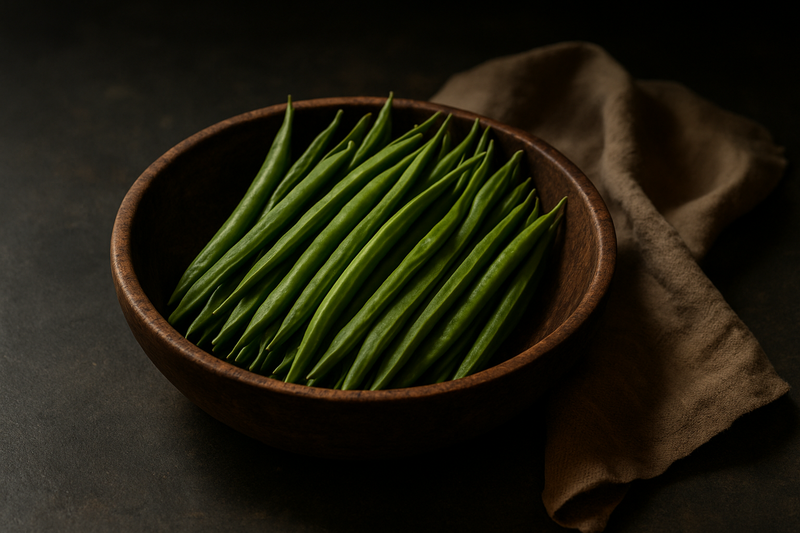
Guar Beans (Cluster Beans) · Photograph
Discover the cluster beans (guar) health benefits and side effects, from heart and blood sugar support to digestion and weight management. Learn about gavar sabzi nutrition facts, guar gum's role in cholesterol research, safe daily amounts, and how to cook fresh pods to reduce bitterness — all explained in plain English.
Key Nutrients
% Daily Value based on 2,000 cal diet
Key active compounds
- Galactomannan (guar gum soluble fiber): The defining phytochemical of this plant. A viscous soluble fiber — meaning it dissolves in water and forms a thick gel — found in concentrated form in the seeds and in smaller amounts in the pods. In the gut, it slows digestion, reduces cholesterol absorption, and blunts post-meal blood sugar spikes.
- Insoluble dietary fiber: Non-viscous plant cell wall material that does not dissolve in water. Adds bulk to stool and speeds transit time. The pods contain roughly 5.2 g of insoluble fiber per 100 g, complementing the soluble fraction.
- Polyphenols and flavonoids: A broad group of plant secondary metabolites (protective compounds plants make naturally) with antioxidant properties. The specific polyphenolic profile of cluster bean pods is not yet well characterized in human studies, but general legume research links these compounds to vascular and metabolic health.
Prep and pairing ideas
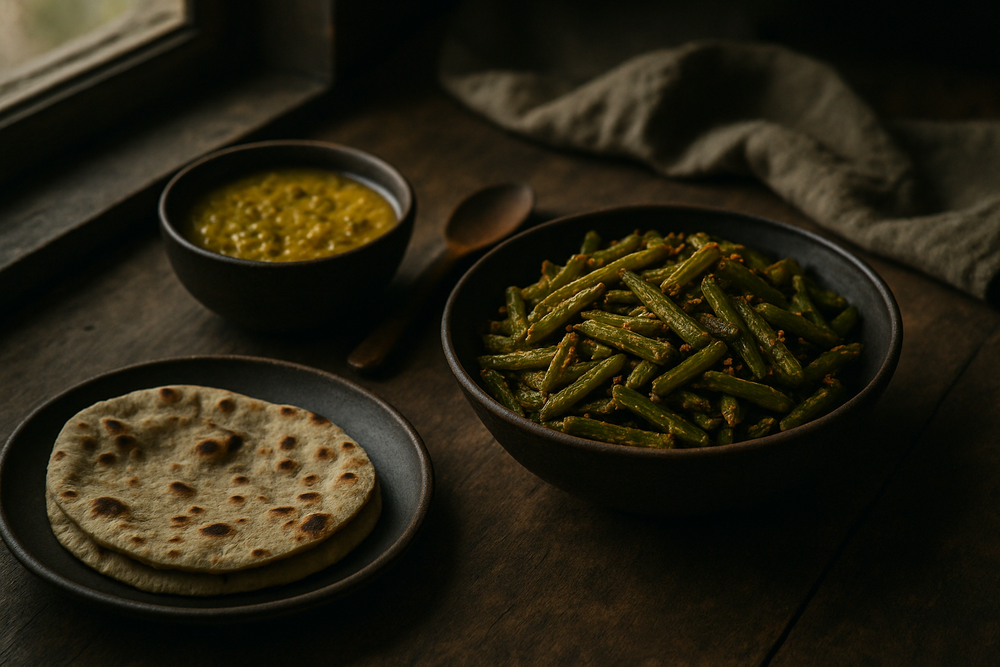
Classic gavar sabzi (stir-fry): Trim the ends, cut pods into 2–3 cm pieces. Heat a small amount of oil, add mustard seeds, cumin, and asafoetida (hing — a pungent spice that also aids digestion), then add the beans. Season with turmeric, chili, and a pinch of salt. Cook covered on low-medium heat until tender, about 12–15 minutes. The gentle, slow cook reduces bitterness without destroying fiber.
Cluster beans with potato (aloo gavar): A common combination in Gujarati and Rajasthani cooking. The potato adds substance, while the cluster beans bring the fiber. Use one part potato to two parts cluster beans to keep the glycemic load moderate.
Pressure-cooker dal with cluster beans: Drop a handful of trimmed pods into a toor dal or moong dal while it cooks. They soften completely and absorb the spices. This pairing adds fiber and minerals to a protein-rich base — a complete, low-glycemic bowl.
With lemon juice at the table: A squeeze of fresh lemon over cooked cluster beans adds vitamin C, which helps your body absorb the non-heme iron in the pods more effectively. Simple and evidence-backed.
Bottom line
Cluster beans (gavar) are a low-calorie, high-fiber pod legume that earns its place in a health-supporting plant-based diet. The strongest evidence for this plant — specifically for LDL cholesterol lowering — comes from clinical trials using isolated guar gum at 10–20 g/day. That's a much higher dose than a typical serving of gavar sabzi delivers, so it's important not to overextend those clinical numbers to everyday cooking.
What fresh cluster beans reliably offer is a fiber-rich, nutrient-dense, low-glycemic vegetable that fits naturally into Indian meals and supports digestive regularity, modest mineral intake (notably calcium and iron), and overall diet quality. Cooked correctly — with spices, low heat, and patience — they lose their bitterness and become genuinely enjoyable. As part of a broader pattern of legume-rich eating, they are one of the more nutritionally interesting green vegetables in South Asian cuisine.
For heart health, blood sugar management, or specific therapeutic goals around cholesterol, cluster beans are a smart addition to the plate but are best viewed as part of a complete dietary pattern, not a standalone remedy.
How Guar Beans (Cluster Beans) Compares
| Compared with | What's different |
|---|---|
| Guar Beans (Cluster Beans) vs. Green Beans (Haricots Verts) | Narrower, flatter pods with a distinct bitter edge and significantly higher calcium content. |
| Guar Beans (Cluster Beans) vs. Edamame | A thicker, fuzzy pod; guar is primarily eaten for its unique soluble fiber (guar gum) and iron. |
Health Benefits
Things to Know
Start gradually.: If you're not used to high-fiber vegetables, adding a large serving of cluster beans too quickly can cause gas and bloating. Begin with a 50 g cooked portion and build up over a few weeks.
Always cook fresh pods.: Raw cluster beans are harder to digest and more bitter. Thorough cooking (stir-frying, boiling, or pressure cooking) improves both safety and palatability.
GI conditions: People with irritable bowel syndrome (IBS), inflammatory bowel disease (IBD), or a history of bowel obstruction should be cautious with high-fiber vegetables and should avoid concentrated guar gum supplements without medical supervision.
Diabetes medications: A meaningful increase in fiber from legumes can improve glycemic control and may require adjustment of blood sugar medications. Monitor glucose and consult your care team.
Medication absorption: Soluble fiber slows gastric emptying and can reduce or delay absorption of some oral medications. If you take critical medications, separate them from high-fiber meals or guar gum supplements by at least 1–2 hours.
Mineral absorption: Very high fiber intakes can modestly reduce absorption of iron and zinc. This is unlikely to be a problem at culinary doses, but people relying on cluster beans as a primary iron source should also consume vitamin C-rich foods in the same meal to enhance non-heme iron absorption.
Swallowing difficulty: People with dysphagia (difficulty swallowing) should avoid tablet or bolus forms of guar gum because of historical reports of esophageal blockage — not relevant to cooked food, but worth noting for anyone considering supplements.
Pregnancy: No specific safety concern with eating cooked cluster beans as a food. Guar gum supplements in pregnancy have not been adequately studied; stick to whole-food sources.
Legume allergy: Rare for cluster beans specifically, but possible in those with broader legume sensitivities.
Glossary
Shop This Ingredient
Stock your pantry with quality guar beans (cluster beans).
Buy on AmazonAs an Amazon Associate, Plantopedia earns from qualifying purchases. This costs you nothing extra and helps us keep the encyclopedia free.
Frequently Asked Questions
Heart and circulation This is where the evidence is strongest — though it comes with an important caveat. Guar gum, the soluble fiber extracted from guar seeds, has been tested in multiple randomized controlled trials (RCTs) and meta-analyses. A 2021 meta-analysis in PubMed (PMID 34607737) found that guar gum supplementation at roughly 10–20 g per day significantly reduced total cholesterol by about 19–20 mg/dL and LDL cholesterol (often called "bad cholesterol") by about 16–17 mg/dL in adults with elevated lipid levels. Individual trials show reductions in the 25–37 mg/dL range over 4–12 weeks. The mechanism: soluble fiber forms a gel in the intestine that binds bile acids (digestive fluids made from cholesterol), causing the body to excrete more of them. To make new bile acids, the liver pulls more cholesterol from the blood — hence lower LDL readings. Fresh cluster bean pods contain the same galactomannan fiber, but in far smaller concentrations than a supplement. A typical 100 g cooked serving provides roughly 2–4 g of total fiber. The cholesterol math doesn't map directly from clinical guar gum doses to a side dish of sabzi, but as part of a broadly fiber-rich, legume-forward diet, regular cluster bean consumption is consistent with cardiovascular benefit. Digestive health and microbiome Cluster beans are one of the higher-fiber green vegetables in Indian cooking, with about 3.7 g of total fiber per 100 g raw — split between soluble and insoluble fractions. The insoluble fiber adds stool bulk and supports regular bowel movements. The soluble galactomannan feeds beneficial gut bacteria (gut microbiome = the trillions of microorganisms living in your intestine), producing short-chain fatty acids that support gut lining health. Guar gum at therapeutic doses slows gastric emptying (the rate at which food leaves the stomach), which promotes feelings of fullness and more gradual nutrient absorption. At high doses, this same effect can cause gas, bloating, and loose stools — a common finding in guar gum trials that used 15–20 g/day. At culinary doses from fresh pods (50–100 g cooked per meal), most people tolerate cluster beans well, especially when introduced gradually. Blood sugar and metabolism Cluster beans score well as a low-glycemic food: around 35 kcal per 100 g, only about 5 g of digestible carbohydrates per 100 g, and a fiber content that slows glucose absorption. This combination makes them a practical vegetable choice for people managing blood sugar or trying to prevent type 2 diabetes. Guar gum specifically has been shown in human studies to blunt postprandial glucose (blood sugar measured after a meal) by slowing the rate at which carbohydrates are digested and absorbed. The evidence is moderate — most large lipid trials didn't make glucose their primary endpoint — but the biological mechanism is well understood. For everyday cooking, pairing cluster beans with complex carbohydrates (like whole grain roti) in a meal is a sensible, evidence-consistent strategy. Inflammation and recovery Evidence here is emerging rather than strong. No large human trial has specifically tested cluster beans or guar gum against inflammatory markers like CRP (C-reactive protein, a blood marker of systemic inflammation) as its primary outcome. However, improved LDL cholesterol and better glycemic control — both supported by fiber-rich diets — are associated with lower cardiovascular inflammation over time. Think of any anti-inflammatory effect as downstream of the fiber benefits, not from a specific "anti-inflammatory molecule" unique to guar beans.
The fiber-gap fixer Eats a reasonably healthy diet but regularly falls short of 25 g fiber per day Wants a low-calorie way to add more fiber without supplements Enjoys Indian cooking or is open to trying gavar sabzi with spices The blood-sugar-aware eater Managing prediabetes or type 2 diabetes and looking for more vegetable variety Wants non-starchy vegetables that won't spike blood sugar Interested in plant-based protein and fiber in one ingredient Note: if you are on diabetes medication or insulin, adding significant high-fiber foods should be discussed with your doctor, as improved glycemic control can interact with dosing.
Fresh green pods (gavar sabzi): The most nutritionally complete and traditional option. Cooking improves digestibility, reduces bitterness, and makes the fiber more bioavailable. No processing means all the synergistic compounds (fiber, minerals, polyphenols) arrive together. Best for everyday dietary use. Boiled or pre-blanched pods: Pre-boiling before stir-frying softens the pods and reduces the slightly bitter edge, with minimal loss of fiber or minerals. Good if the raw pods feel tough or very bitter. Guar gum granules or powder (supplement): Used in clinical trials at 10–20 g/day for lipid lowering. More potent than food-based intake, but also more likely to cause GI side effects and requires careful titration (starting low and going up slowly). Not a replacement for whole-food consumption. Depolymerized or partially hydrolyzed guar gum (in fortified bread or beverages): A modified form studied in trials; may be better tolerated than native guar gum at equivalent doses. Only available in certain functional foods. As a food additive (thickener in processed foods): Guar gum appears on many ingredient labels in frozen desserts, sauces, and gluten-free baked goods. The amounts are small and below clinical doses, but they do contribute to daily fiber intake.
For everyday vegetable eating: A standard serving of cooked gavar sabzi is about 50–100 g, providing roughly 2–4 g of dietary fiber. As part of a varied plant-based diet with other legumes, whole grains, and vegetables, this contributes meaningfully toward the daily fiber target of 25–38 g. There is no established upper limit for fresh pod consumption; common sense and digestive tolerance are the practical guides. For cholesterol-lowering effects (guar gum supplement): Human clinical trials that showed significant LDL reduction used approximately 10–20 g of guar gum per day, typically split across two or three doses with meals, over 4–12 weeks. This is far above what typical food-based gavar intake provides. If you're considering a guar gum supplement specifically for cholesterol management, discuss it with your doctor — both for appropriate dosing and to monitor for interactions with medications. Starting low: Whether using fresh pods or considering a supplement, starting with smaller amounts and increasing slowly over 2–4 weeks gives your gut time to adjust and minimizes gas and bloating.
Quick Answers
Common questions, answered in a line.
Fresh cluster beans contain galactomannan, a viscous soluble fiber that forms a thick gel in the gut to slow digestion and reduce cholesterol absorption. The pods also provide insoluble fiber, which adds bulk to stool and speeds up transit time to support digestive regularity.
To reduce the natural bitterness of cluster beans, cook them slowly over low-medium heat in a covered pan for 12–15 minutes. Using traditional spices like asafoetida (hing), mustard seeds, and cumin also helps improve the flavor profile and aids in digestion.
You should wait at least 1–2 hours between taking critical oral medications and eating a high-fiber meal of cluster beans. The soluble fiber in the beans can slow gastric emptying, which may delay or reduce the absorption of certain medicines.
Yes, cluster beans are considered a low-glycemic vegetable that can help blunt post-meal blood sugar spikes due to their soluble fiber content. However, because they can improve glycemic control, people on diabetes medication should monitor their glucose levels closely.
Eating cluster beans with a squeeze of fresh lemon juice adds vitamin C, which significantly enhances the body's ability to absorb the non-heme iron found in the pods. This is an evidence-backed way to boost the nutritional value of a gavar sabzi meal.
If you are new to high-fiber vegetables, start with a 50g cooked portion of cluster beans and gradually increase the amount over several weeks. This slow introduction helps prevent potential digestive discomforts like gas and bloating.
For Readers in the USA
Local context — sourcing, seasonality, and regional notes.
In the United States, fresh cluster beans are primarily available at Indian grocery stores (such as Patel Brothers) and specialty Asian markets. While you won't typically find them at mainstream chains like Kroger or Safeway, they are frequently sold under the name 'Gavar' or 'Chawal ki Phali' in the produce section of international grocers.
The majority of guar beans in the U.S. are grown in the Southern Plains, specifically in Texas and Oklahoma, due to the region's semi-arid climate. While they are a major industrial crop for Texas farmers, the fresh vegetable pods are usually harvested in the late summer and early fall.
For culinary use, look for the 'fresh vegetable' or 'frozen' labels in international markets to ensure you are getting the pods rather than industrial-grade guar gum. If purchasing guar gum powder as a fiber supplement, check for the USDA Organic seal or a 'USP Verified' mark to ensure the product meets American purity and labeling standards.
While Americans typically eat green beans steamed or in casseroles, cluster beans are best prepared using high-heat sautéing or pressure cooking to break down their tougher fiber profile. They are increasingly popular in U.S. farm-to-table cooking as a heat-tolerant alternative to traditional snap beans during hot Southern summers.
AI Clinical Review
- Helpfully distinguishes between fresh cluster bean pods and guar gum supplements, noting that the strongest LDL‑lowering evidence comes from guar gum at clinical doses (about 10–20 g/day) via bile‑acid binding and viscosity.
- Positions cluster beans as a low‑calorie, high‑fiber, blood‑sugar‑friendly vegetable and emphasizes gradual introduction and thorough cooking to improve tolerance—practical advice that aligns with fiber science.
- Clarifies that everyday servings of cooked pods deliver modest fiber compared with supplements, so benefits accrue as part of an overall fiber‑rich dietary pattern rather than as a standalone “fix.”
- Offers useful kitchen strategies (e.g., slow cooking with spices; lemon for vitamin C to aid non‑heme iron absorption) that are consistent with nutrition best practices.
- Most human trial data involve isolated guar gum, not the fresh pods; therefore, several proposed benefits of pod consumption are reasoned extrapolations from fiber research rather than direct RCT evidence.
- The “low‑glycemic” characterization is biologically plausible for a non‑starchy vegetable, but specific glycemic index/load values for cooked cluster bean dishes are not well established in human studies.
- Anti‑inflammatory effects are indirect (via lipids and glycemia); trials using cluster beans or guar gum with inflammatory markers (e.g., CRP) as primary outcomes are limited.
- Reported micronutrient values (e.g., calcium and iron per 100 g) can vary by cultivar, maturity, soil, and database; expect some spread across sources and with cooking.
- Dosing differences matter: typical cooked servings (about 50–100 g) provide roughly 2–4 g total fiber, while lipid‑lowering trials used 10–20 g/day of guar gum in divided doses under clinical oversight.
- GI tolerance: rapid increases in viscous fiber can cause gas, bloating, or loose stools. People with IBS/IBD, a history of bowel obstruction, or swallowing difficulties should avoid high‑dose/tablet forms of guar gum and favor food forms.
- Medication timing: viscous fibers can slow or reduce absorption of some oral drugs. Separate critical medications from high‑fiber meals or guar gum by 1–2 hours; those on glucose‑lowering therapies should monitor and discuss potential dose adjustments with their clinician.
- Special populations: cooked pods are generally appropriate in pregnancy as food, but high‑dose guar gum supplements lack safety data; individuals with legume allergies should exercise caution.
Cook fresh pods; slightly bitter, best paired with spices.
References
- USDA FoodData Central — cluster beans / guar beans nutritional data (fdc.nal.usda.gov)
- Harvard T.H. Chan School of Public Health Nutrition Source — Legumes and Pulses overview (nutritionsource.hsph.harvard.edu)
- PubMed meta-analysis: Effects of guar gum supplementation on lipid profile (2021) (pubmed.ncbi.nlm.nih.gov)
- PubMed meta-analysis: Guar gum supplementation and lipid outcomes in adults (2022) (pubmed.ncbi.nlm.nih.gov)
- DOAJ systematic review: Effects of guar gum on blood lipid levels (doaj.org)
- American Heart Association Journal: Guar gum and plasma cholesterol, crossover trial (ahajournals.org)
- PubMed: Double-blind evaluation of guar gum in dyslipidaemia (pubmed.ncbi.nlm.nih.gov)
- ScienceDirect: Depolymerized guar gum in wheat bread and plasma cholesterol (sciencedirect.com)
- PMC: Antihypercholesterolaemic influence of dietary tender cluster beans (pmc.ncbi.nlm.nih.gov)
- American Journal of Clinical Nutrition: Granulated guar gum in hypercholesterolemic men (academic.oup.com)
Know Your Numbers
Eating healthy is a start. Now get to know your biomarkers.
Food changes bloodwork — inflammation, lipids, blood sugar and nutrient status all respond to what you eat. 59 markers from $59.
- Results in 7–10 days at 2,000+ Quest sites
- Licensed provider reviews every result
- One flat price, no membership, HSA/FSA eligible
Educational information only, not medical advice. Panels are ordered and reviewed through our licensed partner; Plantopedia may earn a commission.