Horseradish — health benefits and uses
Traditional European remedy for congestion and sluggish digestion.
The Short Answer
Horseradish is a pungent root vegetable known for its intense heat, which comes from the release of allyl isothiocyanate when the root is grated or chewed. A single tablespoon provides just 7 calories and contains glucosinolates, sulfur-based compounds studied
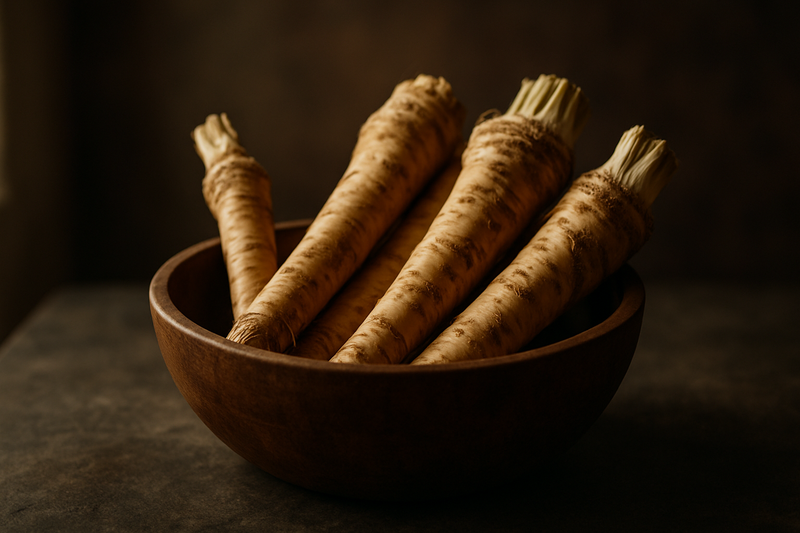
Horseradish · Photograph
Discover the horseradish health benefits and side effects you should know before reaching for the condiment jar. This evidence-aligned guide covers nutrition facts, key compounds, digestion and immune support research, safe daily amounts, and practical ways to use fresh and prepared horseradish root in a whole-food diet.
Key Nutrients
% Daily Value based on 2,000 cal diet
Key active compounds in horseradish
- Glucosinolates (especially sinigrin): Sulfur-containing molecules found in all cruciferous vegetables. When the root is grated, cut, or chewed, an enzyme called myrosinase converts them into isothiocyanates — the compounds responsible for the sharp, eye-watering sensation. In lab studies, glucosinolates have shown antimicrobial and potential anti-cancer cell activity.
- Allyl isothiocyanate (AITC): The primary isothiocyanate released from horseradish. This volatile (easily evaporated) compound is responsible for the intense heat and the sinus-clearing effect. In cell studies it can activate phase II detoxification enzymes — proteins your body uses to neutralize harmful compounds — but this has not been reliably demonstrated in human trials.
- Phenolic compounds: A broad family of antioxidant molecules found across many plant foods. Horseradish contains several, which contribute to its overall antioxidant capacity in lab tests.
- Vitamin C: An antioxidant vitamin present in meaningful amounts per 100 g of the raw root, though a typical tablespoon serving delivers a smaller proportion of your daily needs.
- Folate: A B-vitamin involved in DNA production and cell division, present in useful amounts per 100 g.
Prep and pairing ideas
Common pairings
Horseradish + beets: A classic combination in Eastern European cuisine. Beets are rich in nitrates (natural compounds that can support blood vessel flexibility) and folate, which complements horseradish's own folate content. Grate fresh horseradish into roasted or boiled beet slices with a splash of apple cider vinegar and a pinch of salt for a vibrant condiment.
Horseradish + avocado: Blend prepared horseradish into guacamole or spread it on toast with smashed avocado for a pungent kick. Avocado adds healthy monounsaturated fats and potassium, turning a simple snack into a nutritionally richer bite.
Horseradish + lemon + tahini: Mix a teaspoon of prepared horseradish into a tahini-lemon dressing for grain bowls or steamed vegetables. The sesame in tahini provides calcium and zinc, and the acid in the lemon helps mellow horseradish's sharp edges.
General prep tips
- Add freshly grated horseradish to cold sauces rather than cooking it; heat destroys many of the volatile isothiocyanates responsible for both the heat and the bioactive properties.
- Store prepared horseradish in the refrigerator and use within 3–4 weeks of opening; it loses pungency over time as volatile compounds evaporate.
- A teaspoon stirred into vinaigrettes, hummus, or plant-based sour cream is an easy way to add flavor intensity without large quantities.
Buying guide
Fresh root: Look for firm, unblemished roots at well-stocked produce sections or farmers markets — spring and autumn are peak seasons. The root should be creamy white inside when cut. Wrap tightly and refrigerate; use within a week or two once cut.
Prepared horseradish (jar): The most convenient option. Check the ingredients list: the best versions contain just horseradish, vinegar, and salt. Avoid products with long lists of preservatives, added sugar, or high sodium if you are watching any of those. "Extra hot" varieties typically contain a higher ratio of root to vinegar.
Horseradish sauce vs. prepared horseradish: Horseradish sauce includes a cream or mayo base and therefore contains more calories and fat per serving. Neither is "bad," but they serve different culinary and nutritional roles.
What to skip: Horseradish-flavored seasoning powders or flavoring extracts often contain minimal actual root. For both flavor and nutritional value, stick to the real root or a minimally processed jar.
Bottom line
Horseradish is a fiery, low-calorie cruciferous root with a fascinating chemistry and a long culinary history. Its glucosinolates and isothiocyanates are genuinely bioactive compounds — they show antioxidant, antimicrobial, and detoxification-pathway activity in lab studies. That said, the honest picture is that robust human clinical trials are essentially absent. There is no strong evidence that horseradish treats or prevents any specific disease. What it clearly offers is intense flavor, modest amounts of vitamin C, folate, and potassium, and the pleasure of a condiment that pairs beautifully with roasted vegetables, grain bowls, and dressings. Used in typical culinary amounts by healthy adults, it is safe and a smart way to add punchy flavor without extra calories. People with digestive sensitivity, respiratory conditions, or thyroid concerns should be more cautious with larger quantities.
Curious about how horseradish fits into a food-as-medicine eating pattern? Browse our ingredient and goal guides to see how it stacks up alongside other pungent roots and cruciferous vegetables.
How Horseradish Compares
| Compared with | What's different |
|---|---|
| Horseradish vs. Mustard | Milder heat that is felt on the tongue rather than the sinuses, usually sold as a dried powder. |
| Horseradish vs. Wasabi | A different plant species with a brighter green color and a distinct floral, herbal finish. |
Health Benefits
Things to Know
GI sensitivity: People with GERD, gastritis, peptic ulcers, irritable bowel syndrome (IBS), or any inflammatory bowel condition should start with very small amounts and monitor symptoms. Horseradish is a known mucosal irritant in large quantities.
Respiratory conditions: Strong horseradish vapors can trigger coughing, eye watering, or bronchospasm in people with asthma or chronic obstructive pulmonary disease (COPD — a group of lung conditions that obstruct airflow). Grate in a well-ventilated space.
Kidney disease: Traditional herbal references caution against high horseradish intake in people with kidney impairment due to potential irritant effects on the urinary tract.
Thyroid conditions: Large quantities of cruciferous vegetables may theoretically interfere with thyroid hormone production, particularly with very low iodine intake. Culinary amounts are unlikely to be a problem for most people, but discuss with your doctor if you are on thyroid hormone replacement therapy.
Pregnancy and breastfeeding: Herbal monographs generally discourage concentrated horseradish preparations during pregnancy due to limited safety data. Small culinary amounts in cooked dishes are typically considered low risk, but check with your midwife or OB.
Medications: No well-documented specific drug interactions exist, but if you take NSAIDs, aspirin, or other stomach-irritating medications, adding large amounts of horseradish could compound GI irritation. People on antihypertensive medications should note the small observed increase in diastolic blood pressure in the one available human study.
Children: Young children may be especially sensitive to mucosal irritation from pungent condiments. Introduce very small amounts cautiously.
Skin contact: Do not apply fresh grated horseradish directly to skin or mucous membranes — it can cause significant irritation or a burning sensation.
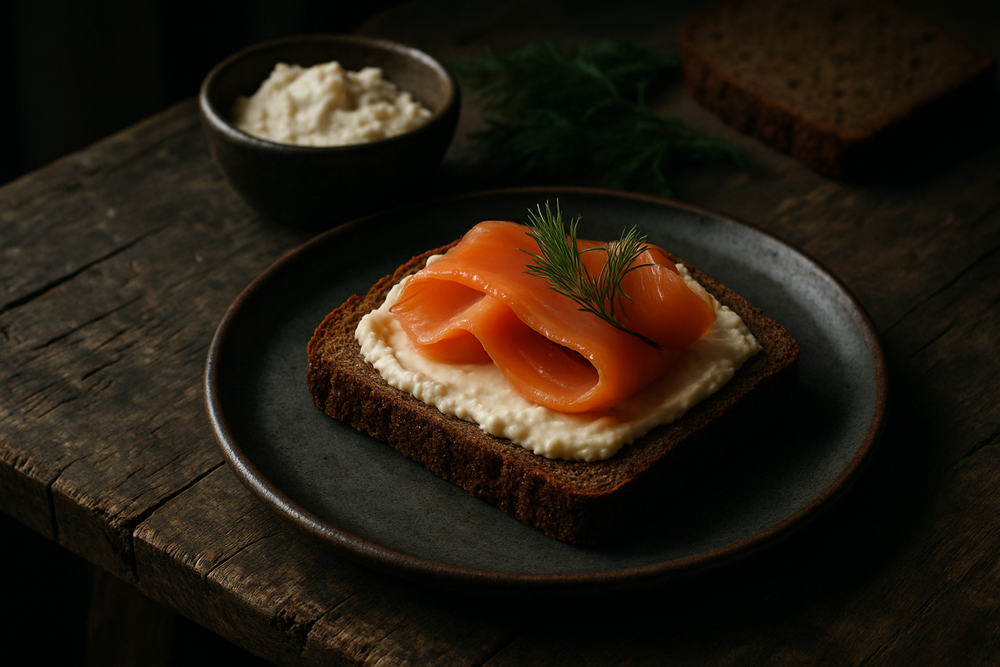
Prep Ideas
- — Add freshly grated horseradish to cold sauces rather than cooking it; heat destroys many of the volatile isothiocyanates responsible for both the heat and the bioactive properties.
- — Store prepared horseradish in the refrigerator and use within 3–4 weeks of opening; it loses pungency over time as volatile compounds evaporate.
- — A teaspoon stirred into vinaigrettes, hummus, or plant-based sour cream is an easy way to add flavor intensity without large quantities.
Shop This Ingredient
Stock your pantry with quality horseradish.
Buy on AmazonAs an Amazon Associate, Plantopedia earns from qualifying purchases. This costs you nothing extra and helps us keep the encyclopedia free.
Frequently Asked Questions
It is worth being upfront: most of the compelling research on horseradish is in test tubes and animals. Robust human clinical trials are scarce. The sections below walk through what evidence exists for each area. Heart and circulation One small randomized, placebo-controlled crossover study in 25 healthy men tested what happened after eating a standardized meal containing 8.3 g of shredded horseradish. The finding? Diastolic blood pressure (the lower number in a blood pressure reading, measured when the heart is at rest) went up by a tiny but statistically significant 0.4 mmHg compared to the control meal. No human studies have shown that horseradish lowers blood pressure, improves cholesterol, or reduces cardiovascular events. As a condiment in a vegetable-rich, low-sodium diet, horseradish is a fine addition, but it is not a heart medicine. Digestive health and microbiome Horseradish has a long folk reputation as a digestive stimulant — the idea being that its pungency triggers saliva and gastric juices, priming the digestive system for a meal. This is biologically plausible but has not been tested in controlled human studies. The fiber content of the raw root is noteworthy (about 6 g per 100 g), which can support bowel regularity and feed beneficial gut bacteria. However, prepared horseradish typically delivers only 0.5 g of fiber per tablespoon. For people with GERD, gastritis, or peptic ulcers, the irritating compounds may worsen symptoms rather than help. Blood sugar and metabolism There are no human clinical trials evaluating horseradish for blood sugar control. Like other cruciferous vegetables, it is low in calories and unlikely to spike blood glucose when used as a condiment. Any claims that horseradish specifically improves insulin sensitivity or metabolic function are extrapolated from research on glucosinolates in general, not from direct evidence on this root. Inflammation and recovery Lab and animal studies show that allyl isothiocyanate and other horseradish compounds can activate cellular antioxidant pathways and reduce inflammatory markers in controlled conditions. This is genuinely interesting basic science. But there are currently no human clinical trials confirming that eating horseradish reduces inflammation measurably in people. Claims labeling it as "anti-inflammatory" should be read as mechanistically plausible, not clinically proven. Hormones and cycle health Like other glucosinolate-rich cruciferous vegetables, horseradish theoretically could influence thyroid hormone metabolism at very high intakes. In practical culinary amounts, this effect appears negligible. No human trials have studied horseradish specifically for any hormonal outcome. People managing thyroid conditions with medication should not substitute or modify their treatment based on horseradish intake.
Fresh grated root produces the highest concentration of allyl isothiocyanate and the most intense flavor. The catch: it oxidizes and loses potency quickly. Mix it immediately with vinegar or lemon juice to "lock in" the heat — the acid halts the enzymatic reaction that converts glucosinolates to isothiocyanates, preserving flavor. Fresh root is the closest to what most research has studied. Prepared horseradish (grated root with vinegar, salt, and sometimes sugar) is the most widely available commercial form, found in every major supermarket. It is convenient and consistent. The nutrition data in this guide is based on prepared horseradish. Check labels: some products add significant sodium, sugar, or oil. Horseradish sauce and cream blends mix prepared horseradish with sour cream, mayonnaise, or plant-based alternatives. These are lower in active horseradish per spoonful and higher in fat or sodium depending on the base. Fine occasionally; just not the most nutrient-dense option. Extracts and supplements (capsules, tinctures) are available but have no robust human clinical evidence supporting a specific dose or health outcome. Stick to food form unless a qualified herbalist or integrative clinician guides you otherwise.
There is no established therapeutic dose and no official daily limit set by a regulatory body for horseradish as a food. The practical range used in most culinary contexts is 1 teaspoon to 1 tablespoon (5–15 g) of prepared horseradish per serving, and most people use it a few times per week at most. The only identified controlled human study used a single 8.3 g serving of shredded horseradish as part of a standardized meal. No dose-escalation or safety trials exist, so recommendations for "safe daily intake" are extrapolated from general food safety and traditional culinary practice rather than clinical data. Practical guidance: Start with ½ teaspoon if you are new to pungent foods or have a sensitive digestive system. There is no evidence that eating more horseradish delivers proportionally greater benefit; the intense flavor means most people naturally self-limit. Supplement or extract forms concentrate the active compounds and carry a higher risk of irritation; these should be approached cautiously and ideally with professional guidance. If you experience stomach pain, heartburn, or respiratory discomfort, reduce your amount or discontinue use.
Quick Answers
Common questions, answered in a line.
Horseradish contains glucosinolates like sinigrin, which convert into isothiocyanates when the root is grated or chewed. These sulfur-containing molecules have shown antimicrobial and potential anti-cancer cell activity in laboratory studies.
To preserve its nutrients and heat, add freshly grated horseradish to cold sauces rather than cooking it. High heat destroys the volatile isothiocyanates responsible for both the plant's sharp flavor and its bioactive properties.
Horseradish provides meaningful amounts of Vitamin C and Folate (a B-vitamin) per 100 grams of raw root. While typical serving sizes are smaller, these nutrients support immune function, DNA production, and cell division.
People with GERD, gastritis, peptic ulcers, or IBS should use horseradish cautiously as it is a known mucosal irritant. Large quantities may exacerbate digestive sensitivity or inflammatory bowel conditions.
Yes, horseradish vapors can trigger coughing, eye watering, or bronchospasms in individuals with asthma or COPD. It is recommended to grate the fresh root in a well-ventilated space to avoid respiratory irritation.
Horseradish pairs well with beets for folate support, avocado for healthy fats, or a lemon-tahini dressing for added calcium and zinc. These combinations help balance the root's pungency while adding diverse nutrients to your meal.
Look for firm, unblemished roots that are creamy white inside when cut, or choose jars containing only horseradish, vinegar, and salt. Avoid products with long lists of preservatives, added sugar, or high sodium.
For Readers in the USA
Local context — sourcing, seasonality, and regional notes.
Most American horseradish is grown in the Mississippi River basin, particularly in Collinsville, Illinois, which is known as the "Horseradish Capital of the World." The harvest typically occurs during months that contain the letter "r," peaking in the spring and fall to ensure the root has reached maximum pungency.
Fresh horseradish root is widely available at major U.S. grocery chains like Whole Foods, Kroger, and Publix, usually located near other root vegetables like ginger or parsnips. You can also find high-quality prepared jars in the refrigerated condiment section, though regional farmers markets in the Midwest and Northeast often offer the freshest seasonal roots.
When buying prepared horseradish in the U.S., look for the USDA Organic seal to ensure the root was grown without synthetic pesticides or fertilizers. The FDA regulates prepared horseradish as a condiment, requiring manufacturers to list ingredients like distilled vinegar and salt, which are essential for stabilizing the root's heat.
In the U.S., horseradish is a staple of Jewish-American holiday meals, specifically as "maror" (bitter herbs) during Passover seders to symbolize the bitterness of slavery. It is also a fundamental ingredient in American cocktail sauce and the classic "Bloody Mary" brunch drink, reflecting its deep integration into U.S. culinary culture.
AI Clinical Review
- Accurately frames horseradish as a low‑calorie cruciferous root with modest vitamins/minerals and pungent isothiocyanates (like AITC) that are bioactive mainly in lab settings.
- Appropriately emphasizes that human clinical evidence for specific outcomes (heart health, blood sugar, inflammation) is limited, so it’s best viewed as a flavorful condiment rather than a treatment.
- Provides practical guidance on forms (fresh vs. prepared vs. cream sauces) and notes that heat and time reduce pungent compounds.
- Offers sensible safety cautions for people with reflux/ulcer disease, respiratory conditions, kidney disease, thyroid concerns, and during pregnancy when using concentrated forms.
- Cardiovascular effects: only small, short‑term human data exist and do not show benefit; one study noted a slight rise in diastolic blood pressure—larger, longer trials are needed.
- Digestive/microbiome claims are largely traditional or mechanistic; prepared products contribute little fiber per typical serving.
- Anti‑inflammatory, antimicrobial, and “detoxification‑enzyme” effects are primarily from cell/animal research; relevance to real‑world food doses in humans remains uncertain.
- Thyroid/goitrogen concerns are theoretical at high intakes and not well studied specifically for horseradish.
- Typical culinary amounts of prepared horseradish are 1 teaspoon to 1 tablespoon (about 5–15 g) per serving; larger quantities or concentrates can irritate the GI tract and airways.
- Extra caution for those with GERD, gastritis/ulcer, IBS, asthma/COPD, kidney disease, or on thyroid replacement; pregnant or breastfeeding individuals should avoid concentrated products and stick to small culinary amounts unless advised otherwise.
- Form matters: fresh grated tends to deliver more pungent isothiocyanates; heating reduces them. Letting grated root rest briefly before adding acid can help formation, while acid helps preserve pungency but may slow further formation.
- Check labels: “prepared horseradish” can be high in sodium and varies in root content; creamy sauces dilute active compounds. Supplements lack standardized dosing and robust human evidence—food form is preferable for most people.
Very pungent; large amounts can irritate the stomach and airways.
References
- USDA FoodData Central — Horseradish, prepared (NDB 02055): Full nutrient profile for prepared horseradish including macros, vitamins, and minerals. (batchbase.com.au)
- USDA FoodData Central — Horseradish, prepared, detailed nutrition tool: Interactive nutrient breakdown per serving. (tools.myfooddata.com)
- Drugs.com Natural Product Database — Horseradish monograph: Clinical summary of uses, evidence, dosage, and safety concerns; notes the one available crossover study showing a slight diastolic blood pressure increase. (drugs.com)
- HealthPlace herbal monograph — Armoracia rusticana: Overview of traditional use, phytochemicals, and safety considerations. (healthplace.com)
- Healthline — Horseradish: Nutrition, Benefits, Uses, and Side Effects: Consumer-facing evidence summary covering glucosinolates, antioxidants, and safety. (healthline.com)
- WebMD — Health Benefits of Horseradish: Overview of nutrition content, potential benefits, and precautions. (webmd.com)
- Nutrition-and-you.com — Horseradish nutrition facts and health benefits: Micro and phytochemical breakdown based on USDA values. (nutrition-and-you.com)
- EatKnowingly — Horseradish (raw) nutrition facts (FDA/USDA): Raw root nutrient data including fiber and manganese. (eatknowingly.com)
- RecipeTips USDA Nutrition Data — Horseradish, prepared: Per-serving reference values for prepared condiment form. (recipetips.com)
- NutriBase — Horseradish, prepared, macros and vitamins per 100 g: Aggregated USDA-based nutrient summary. (nutribases.net)
Know Your Numbers
Eating healthy is a start. Now get to know your biomarkers.
Food changes bloodwork — inflammation, lipids, blood sugar and nutrient status all respond to what you eat. 59 markers from $59.
- Results in 7–10 days at 2,000+ Quest sites
- Licensed provider reviews every result
- One flat price, no membership, HSA/FSA eligible
Educational information only, not medical advice. Panels are ordered and reviewed through our licensed partner; Plantopedia may earn a commission.