Sorrel — health benefits and uses
Used in European folk medicine as a cooling, thirst-quenching herb.
The Short Answer
Sorrel is a leafy green vegetable prized for its intense, lemony flavor and high vitamin C content. It is most commonly used to add natural acidity to soups, sauces, and salads, where it dissolves into a silky texture when cooked.
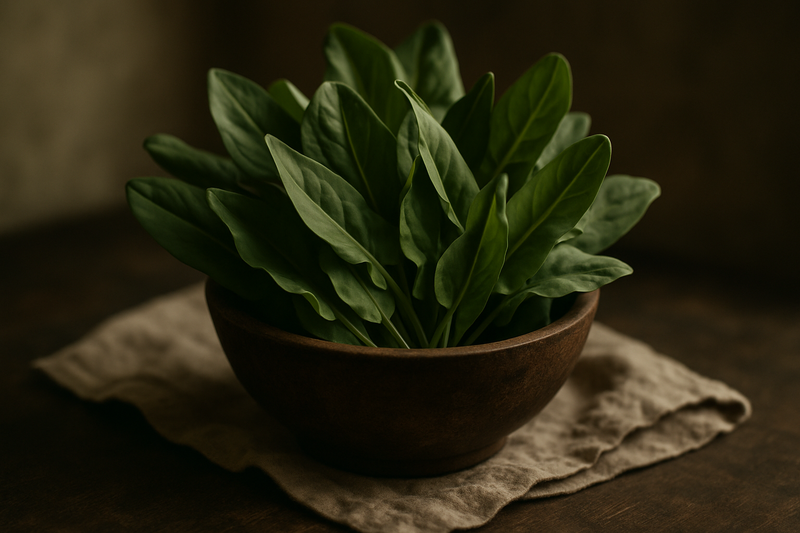
Sorrel · Photograph
Discover the sorrel health benefits and side effects, from its standout vitamin C and antioxidant content to its high oxalic acid levels. This evidence-aligned guide covers sorrel nutrition facts, kidney stone risk, daily serving guidance, and easy ways to use this tangy leafy green in soups, sauces, and salads.
Key Nutrients
% Daily Value based on 2,000 cal diet
Key active compounds in sorrel
- Oxalic acid (oxalate) — The organic acid responsible for sorrel's sour, lemony taste. It binds minerals such as calcium in the gut, potentially reducing their absorption. At typical culinary amounts it is harmless for most people; at high intakes it raises kidney stone risk in susceptible individuals.
- Vitamin C (ascorbic acid) — A water-soluble antioxidant vitamin found in high concentrations in fresh sorrel leaves. Supports immune defences, collagen production, and iron absorption.
- Carotenoids (including beta-carotene) — Fat-soluble pigments the body converts into vitamin A. Act as antioxidants and support vision and immune function.
- Flavonoids and polyphenols — A broad family of plant compounds with antioxidant and potential anti-inflammatory properties, present across many leafy greens including sorrel.
- Chlorophyll — The green pigment that gives sorrel its colour; may have minor antioxidant roles within a varied plant-based diet.
- Anthraquinones — Pharmacologically active compounds found mainly in the roots of Rumex species (not the culinary leaf). Relevant only to medicinal root preparations, not normal food use.
Prep and pairing ideas
Sorrel's signature move is that it dissolves into silky ribbons when heat hits it — perfect for sauces and soups.
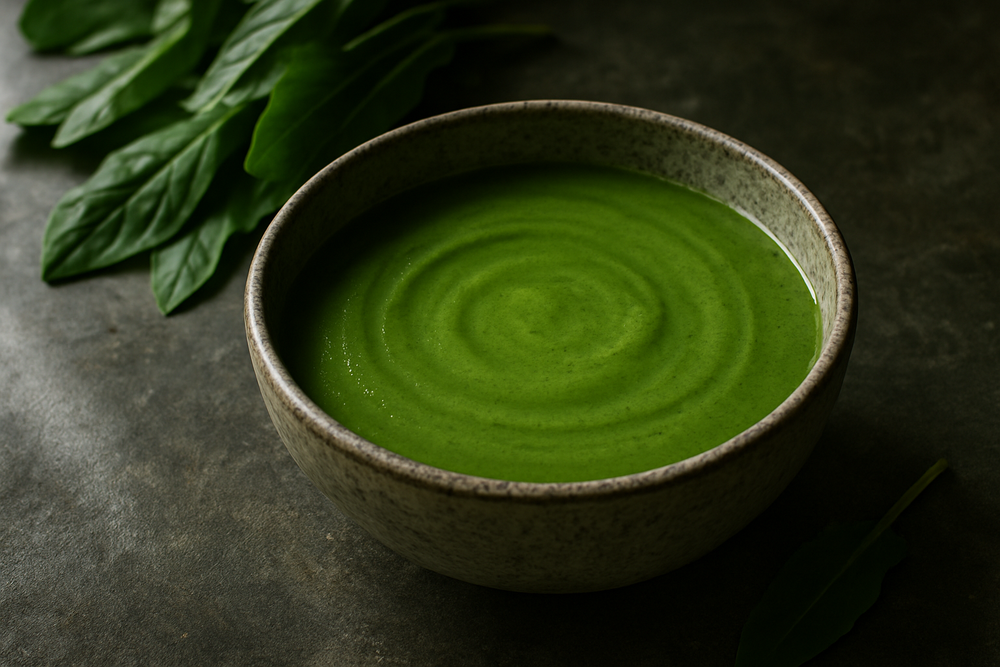
Classic sorrel soup: Sauté onion, add potato cubes, pour over vegetable stock, simmer until soft, then stir in a large handful of sorrel at the end and blend. The sorrel turns from bright green to olive-grey as it cooks — that is normal, not a sign it has gone bad.
Lemony pasta sauce: Wilt sorrel in a pan with a little olive oil and garlic for 2–3 minutes, add a splash of oat cream or silken tofu, season, and toss through cooked pasta. The natural acidity means you need less added lemon or vinegar.
Spring salad accent: Tear 4–6 raw leaves into a mixed green salad with watercress, cucumber, and a light mustard dressing. The sorrel provides a citrusy backdrop without dominating.
Myths vs facts about sorrel
Myth: "Sorrel is too acidic to eat regularly." Fact: The acidity you taste comes primarily from oxalic acid and other organic acids, not from a pH that harms your teeth or stomach in normal culinary amounts. The key consideration is oxalate, which is a safety issue for specific groups — not a blanket "too acidic for everyone" verdict.
Myth: "Cooking destroys all the nutrition in sorrel." Fact: Cooking does reduce vitamin C (a heat-sensitive nutrient), but it preserves minerals, carotenoids, fibre, and polyphenols reasonably well. Importantly, cooking also reduces soluble oxalate, making sorrel safer in larger portions. The trade-off generally favours cooking for regular use.
Myth: "Sorrel is a detox food that cleanses the liver." Fact: No clinical research supports specific "detox" or liver-cleansing effects from sorrel. Like other nutrient-dense vegetables, it can support general health through antioxidants, fibre, and micronutrients within a varied diet — but the word "detox" overstates what the evidence shows.
Bottom line
Sorrel is a distinctive, nutritionally worthwhile leafy green that earns its place in a varied whole-food, plant-based diet. Its standout nutrients — vitamin C, magnesium, iron, and carotenoids — contribute to immune support, antioxidant defence, and micronutrient variety, all for very few calories.
The main caveat is its high oxalic acid content, which makes it one of the highest-oxalate vegetables available. For healthy adults without kidney issues, moderate culinary use (especially cooked) appears safe and enjoyable. For anyone with a history of calcium oxalate kidney stones, chronic kidney disease, or certain other conditions, sorrel warrants extra caution or medical guidance before use.
Think of sorrel less as a medicinal herb and more as a flavour-forward leafy green that rewards adventurous, plant-rich cooking — particularly in soups, sauces, and spring dishes where its lemony melt is genuinely hard to replicate.
Explore more on Plantopedia: Looking for other leafy greens and foods that support your health goals? Browse the /goals section for personalised ingredient trails.
How Sorrel Compares
| Compared with | What's different |
|---|---|
| Sorrel vs. Spinach | Spinach has a mild, earthy taste, whereas sorrel is sharply acidic and lemony. |
| Sorrel vs. Swiss chard | Swiss chard has crunchy, thick stalks; sorrel leaves are thin and melt into a sauce when heated. |
| Sorrel vs. Arugula | Arugula provides peppery heat, while sorrel provides a tart, citrus-like sourness. |
Health Benefits
Things to Know
Kidney stones (calcium oxalate type): Sorrel is one of the highest-oxalate vegetables available (~300–500 mg oxalate per 100 g fresh, sometimes higher). If you have a history of calcium oxalate kidney stones or hyperoxaluria (excess oxalate in urine), avoid or strictly limit sorrel and speak with your doctor or registered dietitian first.
Chronic kidney disease (CKD): Reduced kidney function means reduced ability to excrete oxalate. People with CKD stages 3–5 are generally advised to limit high-oxalate foods. This includes sorrel.
Warfarin and blood thinners: Sorrel contains vitamin K1. Large or highly variable servings of sorrel (and other leafy greens) can affect how warfarin works. Keep intake consistent and inform your prescriber.
Gout and high uric acid: Some guidance suggests caution due to moderate purine content (purines are compounds that break down into uric acid). If you manage gout through diet, discuss sorrel with your dietitian.
Children: Safety references flag high-dose use in children as possibly unsafe. Small amounts in family meals are a different matter, but large portions of raw sorrel for children are not advisable.
Pregnancy: Culinary leaf use in small amounts is generally considered low-risk, but medicinal root preparations of Rumex species — which contain anthraquinones — are not recommended during pregnancy.
Calcium absorption: Oxalic acid binds calcium in the gut. Sorrel should not be counted as a significant calcium source, and eating it alongside calcium-rich foods may modestly reduce calcium absorption from that meal.
Mineral deficiency risk: In the context of a varied diet, the mineral-binding effect of sorrel's oxalates is unlikely to cause systemic deficiencies. It only becomes a concern with very high, frequent intakes.
Glossary
Shop This Ingredient
Stock your pantry with quality sorrel.
Buy on AmazonAs an Amazon Associate, Plantopedia earns from qualifying purchases. This costs you nothing extra and helps us keep the encyclopedia free.
Frequently Asked Questions
Most of what we know about sorrel's effects on the body comes from its nutrient profile and from broader research on leafy green vegetables, not from clinical trials testing sorrel in isolation. With that in mind, here is where the evidence points. Heart and circulation Sorrel contains potassium (520 mg per cup) and magnesium (57 mg per cup), two minerals linked in population studies to healthy blood pressure and vascular (blood vessel) function. High-vegetable diets consistently show associations with lower cardiovascular disease risk in epidemiological (population-level observational) research. No sorrel-specific clinical trials on blood pressure or cholesterol have been published. Any heart-health benefit is inferred from its mineral content and its role within an overall plant-rich diet rather than from direct sorrel intervention studies. Digestive health and microbiome A cup of sorrel provides roughly 4 g of dietary fibre, which supports bowel regularity and feeds beneficial gut bacteria — the community of microorganisms in the large intestine sometimes called the gut microbiome. Sorrel has a long traditional use as an appetite-brightening leaf in rich stews and soups. No clinical trials have tested sorrel specifically for digestive outcomes such as IBS (irritable bowel syndrome) or constipation. Caution: large quantities of raw sorrel may irritate the gastrointestinal tract due to its acidity and high oxalate content. Blood sugar and metabolism Sorrel is very low in carbohydrates and has minimal natural sugars, making it a low-glycaemic (slow blood-sugar impact) vegetable. Including non-starchy vegetables like sorrel in meals can help displace higher-glycaemic foods, supporting more stable blood glucose levels. Again, no sorrel-specific trials exist on fasting glucose or HbA1c (a blood marker for longer-term blood sugar control). These are dietary-pattern effects, not sorrel-specific ones. Inflammation and recovery Sorrel's high vitamin C content and its carotenoids and polyphenols are associated with antioxidant activity — that is, the ability to neutralise free radicals (unstable molecules that can damage cells). Reducing oxidative stress (an imbalance between free radicals and antioxidants in the body) is widely thought to support lower-grade inflammation over time. No controlled human studies have tested sorrel's effect on inflammatory markers such as CRP (C-reactive protein). The anti-inflammatory framing is reasonable as part of a varied vegetable diet, but sorrel should not be used as a primary treatment for inflammatory conditions. Sorrel benefits for immune health Vitamin C is probably sorrel's strongest claim for immune support. At 71% of the daily value per cup, it contributes meaningfully to immune defence, particularly in supporting white blood cell function and skin barrier integrity. Vitamin A (from carotenoids) also supports the mucous membranes — the moist linings of the respiratory and digestive tracts that act as a first line of defence.
Both forms have merit, but cooking wins on safety for higher quantities. Raw sorrel retains its full vitamin C content (vitamin C is heat-sensitive and degrades with prolonged cooking) and gives the sharpest flavour punch. A small handful in a salad or as a garnish is generally fine for healthy adults. Cooked sorrel (in soups, sauces, or wilted into dishes) significantly reduces the soluble oxalate content, which lowers the kidney stone risk associated with the raw leaf. Most of the minerals, carotenoids, and fibre survive gentle cooking, though some vitamin C is lost. Practical rule of thumb: For everyday use or larger portions, cooking is the wiser choice for most people. Reserve raw sorrel for small amounts as a flavour accent or salad addition.
The iron-focused plant-based eater Sorrel provides non-heme iron (plant iron), which is less readily absorbed than iron from animal foods. Its high vitamin C content in the same leaf naturally enhances iron absorption — a rare built-in pairing. A handful of sorrel in a lentil soup or bean stew can help optimise iron uptake from the whole dish. Best enjoyed cooked to keep oxalate load manageable. The cook seeking low-calorie flavour variety At 29 calories per cup, sorrel adds bright acidity to sauces and soups without cream, wine, or high-calorie condiments. Useful for people on a calorie-conscious or heart-healthy diet who still want complex, restaurant-worthy flavours. Works as a vitamin C boost in spring when other fresh produce choices are limited. Small raw amounts are fine; keep portions moderate if eating daily.
There is no established official recommended daily amount for sorrel as a food. Based on available safety information, the following general guidance applies: Healthy adults with no kidney issues: A handful (30–60 g) as a garnish or accent daily, or up to approximately 1 cup (133 g) in a cooked dish several times a week, is considered nutritionally reasonable. People with any kidney stone history or kidney disease: Even moderate amounts may be too much. Work with a healthcare provider to set a personal limit — or avoid sorrel altogether. General principle — start small: If sorrel is new to your diet, begin with a tablespoon or two mixed into a cooked dish. Assess tolerance before increasing. Avoid very large raw portions: Several hundred grams of raw sorrel in one sitting could deliver several grams of oxalic acid — case reports of oxalate toxicity exist with extreme intakes. This is not a realistic risk from normal cooking, but is worth knowing. Consistency matters for warfarin users: Rather than a specific upper limit, the advice for anyone on warfarin is to keep sorrel (and all leafy greens) consistent week to week, rather than swinging between none and large amounts.
Quick Answers
Common questions, answered in a line.
Sorrel is one of the highest-oxalate vegetables available, containing roughly 300–500 mg per 100g of fresh leaves. Because oxalic acid binds to calcium, it significantly increases the risk of calcium oxalate kidney stones in susceptible individuals.
Sorrel is safe for most healthy adults in moderate culinary amounts, but it should be avoided by those with a history of kidney stones or chronic kidney disease (CKD). Its high oxalic acid levels can be difficult for compromised kidneys to excrete.
Sorrel contains vitamin K1, which can interfere with the effectiveness of blood thinners like warfarin. If you are on these medications, it is important to keep your intake of leafy greens consistent and consult your healthcare provider.
Cooking sorrel reduces its soluble oxalate content, which makes it safer to consume in larger portions compared to eating it raw. While heat does decrease vitamin C levels, it preserves minerals, fiber, and antioxidant carotenoids.
Sorrel is prized for its intense lemony and sour flavor, which comes from its high concentration of organic acids like oxalic acid. When cooked, the leaves lose their bright green color and dissolve into a silky, olive-grey texture perfect for sauces.
Fresh sorrel leaves are an excellent source of vitamin C (ascorbic acid), which supports immune defense, collagen production, and iron absorption. It also provides carotenoids like beta-carotene, which the body converts into vitamin A for vision and immunity.
While small culinary amounts in family meals are generally fine, large portions of raw sorrel are not advisable for children. Safety references suggest that high-dose consumption of this high-oxalate green may be unsafe for younger age groups.
For Readers in the USA
Local context — sourcing, seasonality, and regional notes.
In the United States, fresh sorrel is most commonly found at local farmers markets or specialty grocers like Whole Foods and Sprouts during the spring and early summer. Because it wilts quickly, it is rarely stocked in larger conventional supermarket chains, making home gardening or CSA boxes the most reliable ways to source it.
Culinary sorrel, or French sorrel (Rumex scutatus), grows best in USDA Hardiness Zones 4 through 9, flourishing during the cooler temperatures of April and May. While it is a perennial in many states, it typically bolts and becomes too bitter to eat once the peak summer heat of July hits the South and Midwest.
In the U.S., "sorrel" often refers to two different plants: the leafy green Rumex acetosa (Green Sorrel) and the tropical Hibiscus sabdariffa (Roselle), which is used to make Caribbean "sorrel" tea. When shopping for the leafy vegetable described in recipes, look for French or Garden sorrel to ensure you aren't buying hibiscus calyxes.
Fresh sorrel leaves sold in the U.S. are regulated by the FDA as a leafy green vegetable, and while there is no specific "sorrel-only" guidance, it is subject to standard organic certification via the USDA. Always look for the USDA Organic seal if you wish to ensure the greens were grown without synthetic pesticides or fertilizers.
AI Clinical Review
- Clearly explains sorrel’s nutrient profile (notably vitamin C, provitamin A carotenoids, magnesium, iron, and potassium) and that it is low in calories.
- Accurately highlights oxalate as the main safety consideration and notes that cooking lowers soluble oxalate compared with eating it raw.
- Appropriately frames potential benefits (heart, immune, digestive) as inferred from nutrients and leafy‑green research rather than sorrel‑specific trials.
- Offers practical culinary guidance, including the iron–vitamin C pairing benefit within meals and the raw vs cooked trade‑offs.
- Sorrel‑specific human studies are scarce; most claims rely on broader evidence from vegetable‑rich diets, so effects should be viewed as supportive, not proven.
- Reported oxalate levels vary by plant variety, growing conditions, and preparation method, so individual risk may differ more than single numbers suggest.
- Evidence for anti‑inflammatory or “detox” effects is indirect; antioxidant content is promising, but clinical outcomes (e.g., CRP changes) haven’t been tested in controlled trials.
- Portion guidance: for healthy adults without kidney issues, small raw amounts as a garnish or about 1 cup cooked on occasion is reasonable; larger or frequent raw portions raise oxalate exposure.
- Who should be cautious: anyone with a history of calcium oxalate kidney stones, hyperoxaluria, or chronic kidney disease should limit/avoid sorrel and speak with a clinician first.
- Medication interactions: sorrel contains vitamin K1; people on warfarin or other vitamin K antagonists should keep leafy‑green intake consistent and coordinate with their prescriber.
- Form matters: culinary leaves differ from Rumex root preparations (which contain anthraquinones); root products aren’t for pregnancy, and large raw leaf portions may irritate sensitive stomachs or children.
High in oxalic acid; avoid large amounts if prone to kidney stones.
References
- USDA FoodData Central — sorrel nutritional data (fdc.nal.usda.gov)
- USDA MyPlate — vegetables food group guidance (myplate.gov)
- Healthline — sorrel nutrients, benefits, and downsides overview (healthline.com)
- RxList — sorrel uses, safety, side effects, and precautions (supplement-level review) (rxlist.com)
- Eat Weeds — sorrel safety notes (oxalate and caution groups) (eatweeds.co.uk)
- DOAJ peer-reviewed review — does high-oxalate food cause oxalate stones? (doaj.org)
- Aprifel nutritional sheet — sorrel calories and nutrients (aprifel.com)
- Nutrition-and-you — sorrel nutrition facts and health benefits (nutrition-and-you.com)
- GraspRoot — sorrel benefits, uses, and safety summary (grasproot.com)
- Medea Botanicals — Rumex acetosa plant profile (phytochemicals and safety) (medeabotanicals.com)
Know Your Numbers
Eating healthy is a start. Now get to know your biomarkers.
Food changes bloodwork — inflammation, lipids, blood sugar and nutrient status all respond to what you eat. 59 markers from $59.
- Results in 7–10 days at 2,000+ Quest sites
- Licensed provider reviews every result
- One flat price, no membership, HSA/FSA eligible
Educational information only, not medical advice. Panels are ordered and reviewed through our licensed partner; Plantopedia may earn a commission.