Jackfruit — health benefits and uses
Fiber + phytonutrients; use as a whole-food sweet, snack, or smoothie base
The Short Answer
Jackfruit is a nutrient-dense tropical fruit that functions as both a sweet snack when ripe and a savoury, shredded-meat substitute when harvested unripe. It is notably high in vitamin B6 and potassium, providing 29% and 16% of your daily value per cup

Jackfruit · Photograph
Jackfruit (Artocarpus heterophyllus) is the largest tree-borne fruit in the world, native to South and Southeast Asia but now grown across tropical regions globally. It has a sweet, honey-like flavour when ripe and a mild, neutral taste when unripe — which is exactly why it has earned a cult following in plant-based cooking as a shredded-meat look-alike.
Key Nutrients
% Daily Value based on 2,000 cal diet
Key active compounds in jackfruit
- Polyphenols (including flavonoids): A broad family of plant compounds with antioxidant and anti-inflammatory activity. Found in the flesh, seeds, and rind. Most evidence is from cell and animal studies.
- Carotenoids: Pigmented compounds such as beta-carotene that give ripe jackfruit its golden-yellow colour and contribute to antioxidant defences and eye health support.
- Resistant starch (especially in unripe jackfruit): A type of starch that is not digested in the small intestine; it travels to the colon where gut bacteria ferment it, behaving similarly to prebiotic fibre.
- Artocarpin and related compounds: Bioactive molecules identified specifically in Artocarpus species with antibacterial, antifungal, and anti-inflammatory effects in laboratory studies. Not yet well-studied in humans eating the fruit.
- Vitamin C: Acts as a water-soluble antioxidant, supporting immune function and collagen production.
- B vitamins (B6, niacin, riboflavin, folate): Contribute to energy metabolism, nerve signalling, and red blood cell formation — an unusual cluster for a fruit.
Prep and pairing ideas
Jackfruit is one of the more forgiving ingredients to work with once you know its two modes: sweet and ripe or savoury and unripe.
Ripe jackfruit:
- Slice fresh and eat with a squeeze of lime and a pinch of chilli flakes.
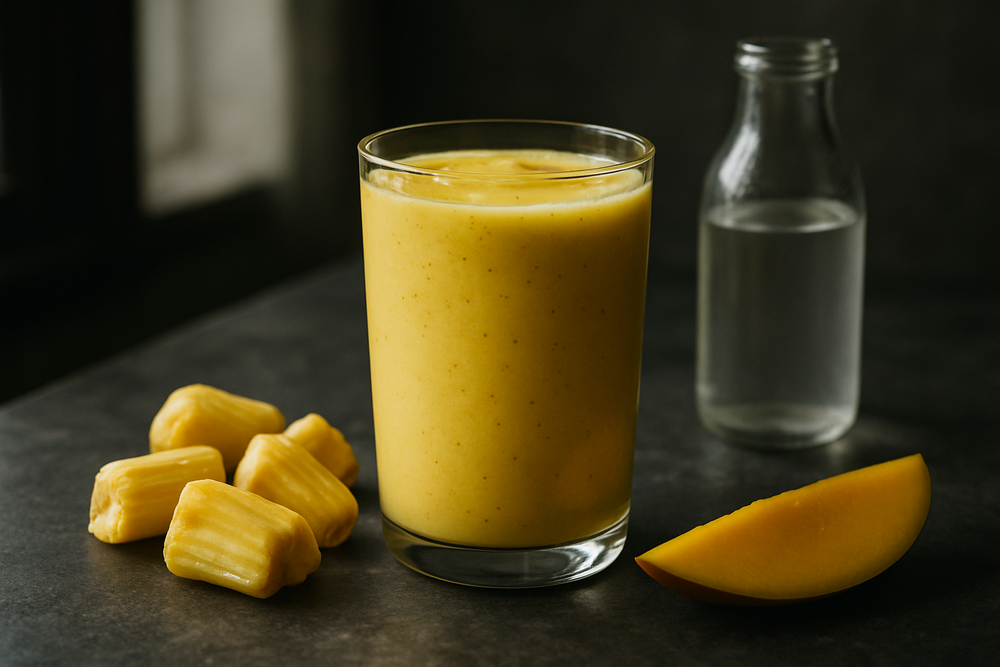
- Blend into a tropical smoothie with mango, banana, and coconut water for a potassium-rich post-workout drink.
- Dice and stir through a grain bowl with quinoa, cucumber, and a tahini dressing.
Young (unripe) jackfruit:
- Drain and rinse canned jackfruit, then sauté with smoked paprika, cumin, garlic, and a splash of vegetable broth until caramelised. Use as a pulled "pork" filling in tacos or wraps.
- Simmer in a coconut milk and lentil curry. The jackfruit absorbs flavour and adds body without overwhelming the dish.
- Mix into a grain stew with chickpeas, diced tomato, and turmeric for a satisfying weeknight dinner.
Jackfruit seeds (if you find them):
- Boil until tender (about 20–30 minutes), then season with olive oil, salt, and herbs and roast for 15 minutes at 400°F / 200°C for a crunchy snack similar to edamame or roasted chickpeas.
How Jackfruit Compares
| Compared with | What's different |
|---|---|
| Jackfruit vs. Breadfruit | Breadfruit has a starchier, potato-like texture and is almost always eaten cooked, unlike ripe jackfruit. |
| Jackfruit vs. Durian | Durian has a pungent, sulphurous aroma and a custard-like texture, whereas jackfruit is sweet and fibrous. |
Health Benefits
Things to Know
Birch pollen allergy: Jackfruit has been linked to allergic reactions in people allergic to birch pollen and related cross-reactive foods. If you have seasonal pollen allergies, introduce jackfruit slowly and stop if you notice itching, swelling, or tingling in the mouth or throat.
Latex allergy (latex-fruit syndrome): Some sources suggest possible cross-reactivity between jackfruit proteins and latex. People with known latex allergy should consult a clinician before trying jackfruit.
Chronic kidney disease (CKD) or potassium restriction: One cup of jackfruit delivers roughly 470 mg of potassium. People on potassium-restricted diets — common in CKD — should discuss portion size with their healthcare team.
Diabetes and blood sugar medications: Jackfruit is a carbohydrate source. If you take insulin, sulfonylureas, GLP-1 agonists, or other glucose-lowering drugs, count jackfruit as part of your carbohydrate plan. Monitor blood sugar as advised by your care team.
ACE inhibitors, ARBs, or potassium-sparing diuretics: These medications can raise blood potassium. Very high jackfruit intake alongside these drugs could theoretically contribute to elevated potassium levels (hyperkalemia) in people with impaired kidney function. No cases have been reported in the literature, but moderate portions and clinician guidance are wise.
Sensitive digestion / IBS: The fibre and fermentable carbohydrates in jackfruit can cause bloating, gas, or loose stools, especially if you increase intake quickly. Start with a small serving (about half a cup) and increase gradually.
Pregnancy: Jackfruit is generally considered safe food during pregnancy. Its folate content is a modest positive. No specific concerns have been identified for food-level intake; supplements or medicinal extracts are a different matter.
Prep Ideas
- — Slice fresh and eat with a squeeze of lime and a pinch of chilli flakes.
- — Blend into a tropical smoothie with mango, banana, and coconut water for a potassium-rich post-workout drink.
- — Dice and stir through a grain bowl with quinoa, cucumber, and a tahini dressing.
- — Drain and rinse canned jackfruit, then sauté with smoked paprika, cumin, garlic, and a splash of vegetable broth until caramelised. Use as a pulled "pork" filling in tacos or wraps.
- — Simmer in a coconut milk and lentil curry. The jackfruit absorbs flavour and adds body without overwhelming the dish.
- — Mix into a grain stew with chickpeas, diced tomato, and turmeric for a satisfying weeknight dinner.
- — Boil until tender (about 20–30 minutes), then season with olive oil, salt, and herbs and roast for 15 minutes at 400°F / 200°C for a crunchy snack similar to edamame or roasted chickpeas.
Shop This Ingredient
Stock your pantry with quality jackfruit.
Buy on AmazonAs an Amazon Associate, Plantopedia earns from qualifying purchases. This costs you nothing extra and helps us keep the encyclopedia free.
Frequently Asked Questions
Research on jackfruit is still developing. Most of the detailed studies are from lab and animal models or focus on jackfruit extracts rather than the fruit itself eaten at mealtimes. Where human evidence exists, it tends to be observational or indirect (e.g., via the known benefits of its nutrients). The areas below reflect that reality. Heart and circulation Jackfruit provides two nutrients with well-established roles in cardiovascular health: potassium, which helps regulate blood pressure by counteracting sodium's effects on blood vessel tension, and vitamin C, an antioxidant that may help protect LDL ("bad") cholesterol particles from oxidative damage — a step thought to be relevant to plaque build-up in arteries. Polyphenols in jackfruit have shown anti-inflammatory and vascular-protective effects in cell studies. However, no controlled human trials have tested jackfruit intake directly on blood pressure, cholesterol levels, or cardiovascular events. Frame it as a potassium- and antioxidant-rich fruit that supports heart-health eating patterns, not as a treatment for heart disease. Digestive health and microbiome The approximately 2.5 g of fibre per cup helps support bowel regularity and feeds beneficial gut bacteria — a process called prebiotic feeding (providing food that beneficial gut microbes ferment). Unripe jackfruit is particularly interesting because it contains more resistant starch, which behaves like fermentable fibre in the colon and may support the production of short-chain fatty acids (small molecules made by gut bacteria that help nourish the colon lining). No large clinical trials have tested jackfruit specifically for constipation, IBS, or measurable microbiome changes. The digestive case for jackfruit rests on its fibre content and what we know about fibre generally — solid but not jackfruit-specific. Blood sugar and metabolism Jackfruit has a relatively low-to-moderate glycaemic index (GI) — a measure of how quickly a food raises blood sugar compared with pure glucose. Its fibre content slows digestion, contributing to a more gradual rise in blood glucose after a meal. Experimental and traditional medicine research suggests jackfruit components may have insulin-modulating properties, but these findings come primarily from animal and cell studies, not from rigorous human trials. For everyday purposes: jackfruit can fit into a blood-sugar-conscious diet when portioned carefully (see the section on daily amounts). It is still a carbohydrate-dense fruit, so it counts toward your carb total for the day. Inflammation and recovery Vitamin C, carotenoids, and polyphenols in jackfruit all have demonstrated antioxidant and anti-inflammatory activity in laboratory settings. Institutions such as the Cleveland Clinic describe jackfruit as an antioxidant-rich, generally anti-inflammatory food as part of a varied plant diet. Direct human trial evidence for jackfruit reducing inflammatory markers (like CRP or IL-6) in people with inflammatory conditions does not yet exist. Think of any anti-inflammatory benefit as a contribution from an overall fruit- and vegetable-rich eating pattern, not a stand-alone therapeutic effect. Hormones and cycle health Human data linking jackfruit intake to hormonal health — including thyroid function, sex hormones, PCOS, or menopausal symptoms — are essentially absent. Some traditional medicine uses of jackfruit leaves and bark include conditions with hormonal components, and experimental work has explored metabolic effects that indirectly involve insulin signalling. These findings have not been translated into dietary fruit research. Jackfruit should not be framed as a hormone-balancing food based on current evidence.
Jackfruit comes in several forms, and the right one depends on what you are trying to do with it. Ripe fresh jackfruit flesh The gold standard for nutrient completeness. Full vitamin C, B vitamins, potassium, and polyphenols. Naturally sweet and eaten raw like mango or pineapple. Best for fruit bowls, smoothies, and desserts. Young (unripe) jackfruit — fresh or canned in water/brine Lower in sugar, higher in resistant starch, and texturally similar to shredded meat. This is the form used in plant-based pulled "pork," curries, and tacos. Look for cans packed in water or brine, not syrup. Rinse brine-packed jackfruit before cooking to reduce sodium. Canned ripe jackfruit in syrup Convenient but comes with added sugars and potentially reduced vitamin C from processing. Less suitable for blood sugar management. Reserve for occasional use or rinse and drain to reduce sweetness. Frozen jackfruit Broadly similar nutrient profile to fresh. Some vitamin C may degrade over extended storage. Useful for smoothies or cooked dishes when fresh is unavailable. Jackfruit seeds Traditionally boiled or roasted. Starchy, slightly nutty, and similar in texture to chestnuts. They contain fibre, some protein, and bioactive compounds studied mainly in labs. Edible and nutritious; human clinical data on specific seed benefits are limited. Supplements and extracts Jackfruit leaf, bark, and seed extracts appear in some supplement products marketed for blood sugar or antimicrobial effects. Evidence for these is preliminary and they fall outside the scope of whole-food dietary use. Not recommended as a substitute for eating the fruit.
This is one of the two optional modules chosen for this page. Fresh whole jackfruit is spectacular but intimidating — the fruit can weigh 10–25 kg and the flesh is surrounded by sticky latex sap. If you buy a whole fruit, wear gloves and oil your knife before cutting. A ripe jackfruit smells strongly sweet and fruity; an unripe one smells mild and grassy. Pre-cut fresh jackfruit is available at many Asian grocery stores and larger supermarkets, often sold in vacuum
Quick Answers
Common questions, answered in a line.
Unripe or "young" jackfruit is a popular plant-based meat alternative because it has a mild, neutral taste and a texture that mimics shredded meat when cooked. It is commonly sautéed with spices like smoked paprika and cumin to create a pulled "pork" filling for tacos or wraps.
Jackfruit is generally safe during pregnancy and provides folate, which supports fetal development. While it is a healthy food choice in standard portions, individuals should avoid medicinal extracts or supplements unless directed by a healthcare provider.
People with birch pollen or latex allergies should be cautious, as jackfruit can cause cross-reactive allergic reactions. Symptoms may include itching, swelling, or tingling in the mouth and throat; it is best to introduce the fruit slowly if you have these sensitivities.
You can prepare jackfruit seeds by boiling them for 20–30 minutes until tender, then roasting them with olive oil and salt for a crunchy snack. The resulting texture and flavor are often compared to roasted chickpeas or edamame.
Jackfruit contains a variety of B vitamins, including B6, niacin, riboflavin, and folate, which is an unusual cluster of nutrients for a fruit. These vitamins are essential for supporting energy metabolism, nerve signaling, and the formation of red blood cells.
Unripe jackfruit contains resistant starch, which acts as a prebiotic fiber by traveling to the colon to be fermented by gut bacteria. However, because of this fiber content, eating large amounts quickly may cause bloating or gas in people with sensitive digestion.
One cup of jackfruit contains approximately 470 mg of potassium, which may be a concern for those on potassium-restricted diets. People with chronic kidney disease or those taking medications like ACE inhibitors should consult a doctor regarding portion sizes.
For Readers in the USA
Local context — sourcing, seasonality, and regional notes.
In the United States, fresh jackfruit is grown commercially primarily in South Florida and Hawaii due to their tropical climates. While most grocery stores sell imported fruit, those in Southern California and Florida often find locally grown varieties at farmers markets from May through October.
You can typically find canned young jackfruit at major retailers like Trader Joe's, Whole Foods, and Kroger, while fresh whole jackfruit is most common in H-Mart, 99 Ranch Market, or local international grocers. Canned versions are usually located in the canned vegetable or "Global Foods" aisles.
When buying canned jackfruit in the U.S., look for the USDA Organic seal to ensure it meets federal standards for organic production and lacks synthetic pesticides. Most domestic brands sell "Young Green Jackfruit in Brine," which is the standard for savory American recipes like plant-based BBQ.
AI Clinical Review
- Clear distinction between ripe (sweet, higher sugar) and young/unripe (savory, higher resistant starch) jackfruit and how each is used in cooking, including practical advice to choose water/brine over syrup and to rinse brined products.
- Nutrition snapshot aligns with major databases: jackfruit provides meaningful potassium and vitamin C, modest fiber, and more vitamin B6 than many fruits.
- Appropriately frames potential benefits (heart, digestion, blood sugar, inflammation) as supportive of healthy eating patterns rather than disease treatments, noting that much of the mechanistic evidence comes from lab or animal studies.
- Mentions seeds as edible when cooked and acknowledges the ongoing research into polyphenols and carotenoids without overpromising.
- Cardiovascular outcomes: there are no robust human trials linking jackfruit intake to lower blood pressure, improved lipids, or fewer cardiac events; current claims are based on its nutrient profile and preclinical data.
- Glycemic control: reported glycemic index values vary and most positive findings involve extracts or flours rather than typical servings of the whole fruit; real‑world effects depend on portion size and meal context.
- Gut microbiome: resistant starch suggests prebiotic potential, but human studies directly testing jackfruit’s impact on microbiome composition or short‑chain fatty acids are limited.
- Anti‑inflammatory and “hormone” effects: laboratory signals exist, yet controlled human data are sparse, so these should be viewed as hypotheses rather than proven benefits.
- Portions and macros: 1 cup fresh jackfruit (~165 g) has ~38 g carbohydrate and ~2.5 g fiber; young jackfruit is low in protein, so pair savory preparations with legumes, tofu, or tempeh for a balanced meal.
- Potassium and meds: people with chronic kidney disease or those on ACE inhibitors, ARBs, or potassium‑sparing diuretics should be mindful of cumulative potassium and discuss suitable portions with a clinician.
- Allergy considerations: possible cross‑reactivity is reported in individuals with birch pollen or latex allergy; introduce small amounts first and stop if oral itching or swelling occurs.
- Tolerance and packaged forms: jackfruit’s fermentable carbs can cause gas or bloating—start with ½ cup and increase as comfortable; rinse brined products to reduce sodium and limit syrup‑packed versions if managing blood sugar.
Frame as food education, not disease treatment.
References
- PubMed — Jackfruit (Artocarpus heterophyllus Lam.) in health and disease: a critical review (pubmed.ncbi.nlm.nih.gov)
- PMC, National Library of Medicine — Nutritional and Health Benefits of Jackfruit (Artocarpus heterophyllus Lam.): A Review (pmc.ncbi.nlm.nih.gov)
- PubMed — Efficacy of jackfruit components in prevention and control of human disease: A scoping review (pubmed.ncbi.nlm.nih.gov)
- PubMed — Nutritional assessment of a jackfruit (Artocarpus heterophyllus) meal (pubmed.ncbi.nlm.nih.gov)
- PMC, National Library of Medicine — Nutritional prospects of jackfruit and its potential for improving dietary diversity in Uganda (pmc.ncbi.nlm.nih.gov)
- Oxford Academic — Vvaf091.pdf (academic.oup.com)
- Taylor & Francis — 10408398.2023.2174947 (tandfonline.com)
- Wiley Online Library — J.1541 4337.2012.00210.x (onlinelibrary.wiley.com)
- Oxford Academic — Vvaf091 (academic.oup.com)
Know Your Numbers
Eating healthy is a start. Now get to know your biomarkers.
Food changes bloodwork — inflammation, lipids, blood sugar and nutrient status all respond to what you eat. 59 markers from $59.
- Results in 7–10 days at 2,000+ Quest sites
- Licensed provider reviews every result
- One flat price, no membership, HSA/FSA eligible
Educational information only, not medical advice. Panels are ordered and reviewed through our licensed partner; Plantopedia may earn a commission.