Karonda — health benefits and uses
An Ayurvedic fruit used for digestion and as an iron-rich tonic.
The Short Answer
Karonda is a tart Indian berry primarily used in pickles and chutneys, prized for its 486 mcg of Vitamin A and high antioxidant content. Due to its natural astringency, it is typically cooked or fermented rather than eaten raw in large quantities.

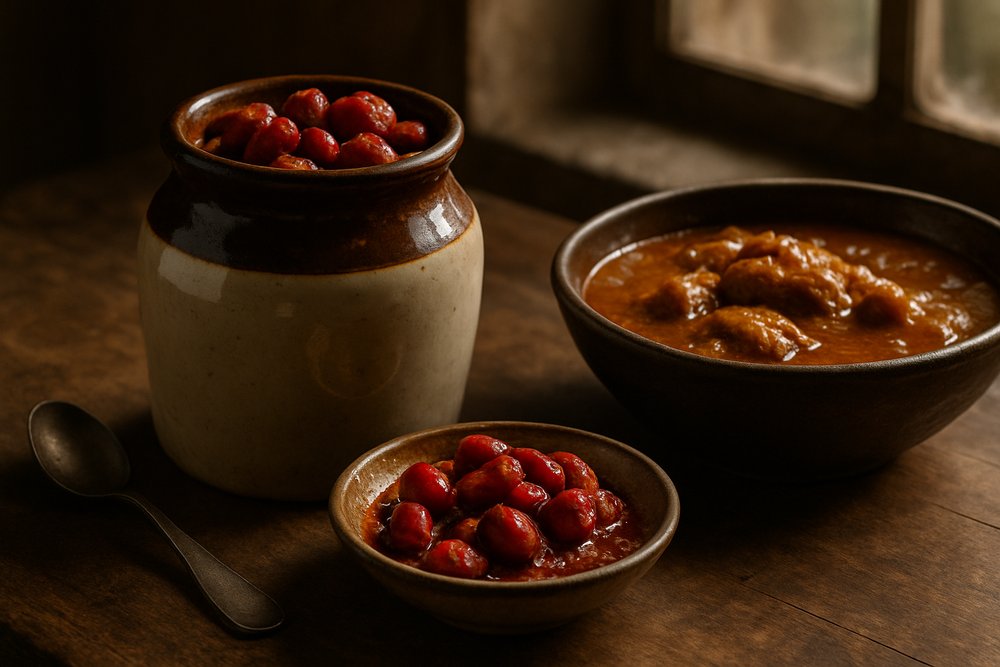
Karonda · Photograph
Discover karonda fruit benefits and side effects, including its vitamin C and iron content, antioxidant properties, digestive uses, and how to safely enjoy this tart Indian berry in pickles, chutneys, and more.
Key Nutrients
% Daily Value based on 2,000 cal diet
Key active compounds in karonda berry
Karonda's color, tartness, and potential health properties all trace back to its phytochemical profile — the naturally occurring plant chemicals that do biological work in the body.
- Phenolic compounds — A broad group of plant chemicals with antioxidant activity. Antioxidants are molecules that neutralize free radicals (unstable molecules that can damage cells over time). Karonda is a particularly rich source of phenolics for its calorie count.
- Flavonoids — A subclass of phenolics linked to anti-inflammatory and vascular (blood vessel) protective effects in lab settings. Flavonoids include anthocyanins and flavonols.
- Anthocyanins — The red-to-purple pigments that give ripe karonda its characteristic deep color. These are potent antioxidants also found in blueberries and red cabbage.
- Tannins — Polyphenolic compounds responsible for karonda's trademark astringency (the dry, mouth-puckering sensation). High tannin content in unripe fruit is why it should not be eaten raw in large quantities.
- Organic acids — Including citric and malic acid, which contribute to the tart flavor and may play a small role in digestive stimulation.
Prep and pairing ideas
Karonda is one of those ingredients that transforms with a little preparation. Here are three practical ways to use it:
1. Quick karonda chutney (savory-sweet) Simmer fresh or frozen karonda with a little water, jaggery (unrefined cane sugar) or dates, ginger, and a pinch of chili until soft. Blend or leave chunky. Serve alongside dal, lentil dishes, or grain bowls. The tartness cuts through rich, earthy flavors beautifully — similar to how cranberry sauce works with a holiday roast.
2. Karonda-topped grain salad Toss a small handful of fresh ripe karonda (halved) into a salad of cooked millets, chickpeas, cucumber, and fresh mint. The sourness acts as a natural dressing acid, reducing the need for added vinegar or lemon.
3. Karonda in tamarind-spice pickle For a classic Indian approach: combine karonda with turmeric, mustard seed, chili, and a light brine. Ferment or refrigerate for a few days. Use as a condiment in very small amounts — a teaspoon alongside a meal adds tremendous flavor and a hit of antioxidants without a large calorie or sodium cost.
Buying guide: fresh, dried, or pickled — what to look for
Fresh karonda: Look for berries that have turned from green-white to pink or deep red — this signals ripeness and lower tannin content. Available in South Asian grocery stores, particularly seasonal (summer in India). Firm texture is fine; very soft or shriveled berries are past their best.
Dried karonda: Check ingredient labels carefully. Ideal: karonda as the only ingredient, or with minimal added salt. Avoid products with glucose syrup, artificial colors, or excessive sodium (more than 200 mg per serving is a flag). Dried karonda should look dark red to brownish — not unnaturally bright.
Pickled and canned karonda: These are typically fine in small condiment-sized portions. Look for products with a short, readable ingredient list. If sodium is a concern, rinse pickled karonda briefly under cold water before using — this can reduce sodium content by 20–40%.
Supplements/extracts: Not recommended for unsupervised use. No established dose, no long-term human safety data. Food first.
Bottom line
Karonda is a genuinely nutritious, culturally rich, and underappreciated berry. Its real strengths are its antioxidant phytochemicals, vitamin C, vitamin A, and iron — especially in dried form. The science on more specific health claims (heart protection, blood sugar lowering, anti-inflammation in people) is interesting but early; most research has been done in labs, not in human clinical trials.
As a food, it is hard to fault when used in reasonable amounts and in sensible preparations. The key caveats are practical: unripe fruit is harsh on the gut, pickled versions can be high in sodium, and sweetened preparations add significant sugar. Used wisely — a spoonful of chutney, a small handful of fresh ripe berries, or a condiment of pickle — karonda is a delicious way to add South Asian flavor and a real micronutrient contribution to a plant-rich diet.
If you are looking for other tart, antioxidant-rich fruits to explore alongside karonda, browse our goals-based guides at Plantopedia for ideas on building a fruit-forward, food-as-medicine plate.
How Karonda Compares
| Compared with | What's different |
|---|---|
| Karonda vs. Cranberry | Sweeter, softer texture, and higher in Vitamin C than the sour, firm karonda. |
| Karonda vs. Natal Plum | Larger, fleshier, and less astringent than the small, berry-like karonda. |
Health Benefits
Things to Know
Unripe fruit caution.: Unripe karonda is very high in tannins and organic acids. Eating large amounts raw can cause mouth irritation, stomach discomfort, or nausea — especially in people with sensitive digestion. Wait for the fruit to ripen, or use it cooked or pickled.
GERD and acid sensitivity.: The high acidity of karonda may aggravate gastroesophageal reflux disease (GERD), gastritis, or stomach ulcers. If you experience heartburn or reflux regularly, introduce this fruit cautiously and in small amounts.
High blood pressure and kidney disease.: Pickled and preserved karonda products are often very high in sodium. People on low-sodium diets, antihypertensive medications, or diuretics (water pills) should account for this or choose fresh fruit instead.
Diabetes and blood sugar.: Sweetened karonda preserves, syrups, and jams contain added sugar that can spike blood glucose. People using insulin or oral diabetes medications should count these products in their carbohydrate budget.
Dental enamel.: Very sour or astringent foods can soften tooth enamel temporarily. Rinse your mouth with water after eating highly acidic karonda preparations, and wait 30 minutes before brushing.
Pregnancy and breastfeeding.: Consuming karonda as a food in normal culinary amounts is unlikely to pose a risk. Concentrated herbal extracts of Carissa carandas (which sometimes include leaves or roots) have not been evaluated for safety in pregnancy — avoid these forms.
No known drug interactions: have been reported for karonda fruit itself at food intake levels. That said, the general advice about high-sugar and high-sodium preparations applies to anyone on relevant medications.
Shop This Ingredient
Stock your pantry with quality karonda.
Buy on AmazonAs an Amazon Associate, Plantopedia earns from qualifying purchases. This costs you nothing extra and helps us keep the encyclopedia free.
Frequently Asked Questions
A quick note on evidence levels before diving in. Below, "emerging" means the evidence exists only in lab dishes or animal studies, and has not yet been confirmed in well-designed human trials. "Indirect" means the benefit is inferred from the fruit's nutrient profile rather than a study of karonda itself. Heart and circulation Karonda's flavonoids, anthocyanins, and phenolic acids have demonstrated free-radical scavenging activity in lab studies — meaning they can neutralize the kinds of oxidative stress (cell damage caused by free radicals) that contributes to cardiovascular disease. Its potassium content may also play a small supporting role in blood pressure regulation. However, no controlled human trials have looked at karonda and cardiovascular outcomes directly. Any heart-health benefits are currently inferred from its antioxidant profile, not proven in people. Evidence: emerging/indirect. Digestive health Karonda has a long tradition in South Asian kitchens as a digestive accompaniment — served alongside meals as a pickle or chutney, with the sour-astringent flavor traditionally believed to stimulate appetite and digestion. Its modest fiber content and organic acids may support gut function, but no clinical studies have measured gut motility (how quickly food moves through the digestive system), microbiome changes, or symptom relief in people eating karonda. Evidence: traditional use; no modern clinical trials. Blood sugar and metabolism Some preclinical research on Carissa plant extracts suggests possible blood-sugar-lowering effects in diabetic animal models, but these studies typically use concentrated leaf or root extracts — not the fruit itself eaten in food quantities. Importantly, many popular karonda preparations (syrups, jams, sweetened pickles) contain significant added sugar, which can raise blood glucose and effectively cancel out any potential benefit. People managing diabetes should treat sweetened karonda products the same as other sugary condiments. Evidence: very early/preclinical only. Inflammation and recovery Lab studies on Carissa carandas extracts report anti-inflammatory and analgesic (pain-reducing) effects, attributed to the fruit's phenolic and flavonoid content. These results are encouraging but are not yet backed by human trials. Vitamin C, which karonda provides in meaningful amounts, is a well-established nutrient for supporting the body's antioxidant defenses and tissue repair — this indirect nutritional benefit is on firmer ground. Evidence: emerging (extracts); indirect (vitamin C). Immunity and micronutrient support This is arguably the most evidence-supported angle for karonda as a food. Its combination of vitamin C (important for immune cell function), vitamin A (important for mucosal barriers — the protective linings of the nose, gut, and lungs that are the body's first defense against pathogens), and iron (needed for hemoglobin, the protein that carries oxygen in red blood cells) makes it a genuinely useful micronutrient source. The case is strongest for dried karonda's iron content, which may be relevant for people at risk of iron-deficiency anemia — though fresh fruit iron levels are more modest. Evidence: moderate (nutritional basis).
Fresh ripe fruit The least processed option. Ripe karonda has less tannin bite than unripe fruit, and retains all its vitamin C and antioxidants. Enjoy with a pinch of salt or spice as a snack or salad addition. Pickled karonda Hugely popular and practical — the pickling process tames the astringency. The trade-off is sodium: a tablespoon of pickle can contain a significant salt load, which matters if you are watching blood pressure or have kidney concerns. Look for lower-sodium versions or make your own. Chutney and preserves A versatile way to work karonda into meals. Homemade chutneys let you control the sugar; commercial jams and syrups can be high in added sugar. Portion control is sensible, especially for those managing blood sugar. Dried karonda The most nutrient-dense form by weight — particularly for iron and calcium. Small servings go a long way. Check labels for added sugar, salt, or preservatives in commercial products. Extracts (supplement form) Not a standard supplement; used mainly in research settings. Human dosing, bioavailability (how much the body actually absorbs), and safety of concentrated extracts have not been established. Stick to the food.
There is no official recommended daily intake for karonda specifically. As a guide based on traditional use and culinary context: Fresh ripe fruit: 25–100 g per day (roughly a small handful) is a reasonable range for most healthy adults, used as part of a meal or snack. Chutneys and relishes: 1–2 tablespoons per serving is typical. More is fine if the preparation is low in added sugar and salt. Pickled karonda: Treat as a condiment — 1 teaspoon to 1 tablespoon per meal, mindful of sodium content. Dried karonda: Much more concentrated. A small serving (10–15 g, or about a tablespoon) provides significant iron; larger amounts may also mean more sodium or sugar if the product is commercially prepared. Start low if you are new to karonda — especially if you have a sensitive stomach or acid reflux. There is no evidence that eating karonda daily is harmful for healthy adults in normal food amounts. However, relying on it as a medicinal dose for any specific health condition is not supported by current evidence. If you are managing a health condition or taking medications, check with your doctor or a registered dietitian before making karonda a significant daily feature of your diet.
Quick Answers
Common questions, answered in a line.
Anthocyanins are the red-to-purple pigments in ripe karonda that act as potent antioxidants to neutralize free radicals. These compounds are the same health-promoting pigments found in other dark-colored foods like blueberries and red cabbage.
You can tell karonda is ripe when the berries turn from green-white to a pink or deep red color. Ripe berries have a lower tannin content and a firm texture, whereas shriveled or very soft berries are likely past their best.
Unripe karonda should not be eaten raw in large quantities because its high tannin and organic acid content can cause mouth irritation, stomach discomfort, or nausea. It is best to wait for the fruit to ripen or use it in cooked or pickled preparations.
People with GERD, gastritis, or stomach ulcers should be cautious with karonda because its high acidity can aggravate heartburn and acid reflux. If you have a sensitive digestive system, it is recommended to introduce the fruit in small amounts to test your tolerance.
You can reduce the sodium in pickled karonda by 20–40% by briefly rinsing the fruit under cold water before eating it. This is a helpful tip for those who enjoy the flavor of pickles but need to manage their salt intake for blood pressure or kidney health.
Karonda tannins are polyphenolic compounds that create a dry, mouth-puckering sensation known as astringency. While they contribute to the fruit's flavor profile, they are most concentrated in unripe fruit and can be harsh on the digestive tract if consumed in excess.
To protect your teeth, rinse your mouth with water after eating acidic karonda and wait at least 30 minutes before brushing. The high acidity and astringency of the fruit can temporarily soften tooth enamel, making it more vulnerable to abrasion.
For Readers in the USA
Local context — sourcing, seasonality, and regional notes.
Fresh karonda is primarily found in the United States at specialized South Asian or Indian grocery stores, typically appearing in the produce section during the summer months. Because it is highly perishable, many US retailers stock it in the frozen aisle or as a jarred pickle (achar) to ensure year-round availability.
In the United States, karonda is most comparable to the cranberry or the tart cherry due to its intense acidity and high pectin content. Home cooks in the US often use it as a direct substitute for cranberries in sauces and chutneys, especially during the fall and winter holiday seasons.
While not widely farmed in the US, karonda (Carissa carandas) can be grown in USDA Hardiness Zones 9b through 11, such as in parts of Florida, Southern California, and Hawaii. It thrives in warm, subtropical climates and is often grown as an ornamental, thorny hedge by rare fruit enthusiasts in these regions.
When buying processed karonda in the US, check the FDA-mandated Nutrition Facts label for high sodium and added sugars, which are common in imported pickles and candies. The USDA organic seal is rarely found on this fruit in the US, so consumers should prioritize rinsing pickled varieties to manage salt intake.
AI Clinical Review
- Accurately describes karonda as a tart, phenolic- and anthocyanin-rich berry that contributes vitamin C, provitamin A carotenoids, potassium, and modest iron in fresh form, with minerals concentrated in dried fruit.
- Helpfully distinguishes traditional culinary use from limited modern clinical research, keeping claims conservative and food-focused rather than supplement-focused.
- Provides practical guidance on common preparations (fresh, pickled, chutney, dried) and flags realistic trade‑offs such as sodium in pickles and added sugars in preserves.
- Sensibly cautions about astringency/acidity of unripe fruit and potential reflux irritation, aligning with what we know about high‑tannin, acidic foods.
- Cardiovascular and anti‑inflammatory benefits are inferred from antioxidant profiles and preclinical work; there are no controlled human trials showing outcome improvements from eating karonda specifically.
- Blood‑sugar effects reported in animal or extract studies may not translate to the fruit in typical food amounts; clinical data in people with diabetes are lacking.
- Digestive/microbiome benefits are based on tradition and plausible mechanisms (organic acids, fiber) rather than measured changes in humans.
- Reported high iron values in dried karonda come from limited composition datasets; real‑world content and bioavailability (how much iron the body absorbs) likely vary by cultivar, ripeness, and processing.
- Reasonable food amounts: fresh 25–100 g/day, chutneys 1–2 Tbsp/serving, pickled 1 tsp–1 Tbsp (mind sodium), dried 10–15 g due to concentration.
- Form matters: pickled versions can be very high in sodium (relevant for hypertension or kidney disease); sweetened syrups/jams can raise blood glucose.
- Acid and tannins may aggravate GERD or sensitive stomachs and can temporarily soften tooth enamel; rinsing with water and avoiding immediate brushing helps.
- Iron considerations: dried fruit may contribute meaningful non‑heme iron, but absorption is variable and reduced by tannins; pairing with vitamin C–rich foods aids uptake. People with iron‑overload conditions or on iron therapy should check with a clinician before frequent use.
- Pregnancy/breastfeeding: culinary amounts of fruit appear reasonable; avoid concentrated leaf/root/fruit extracts due to limited safety data.
Very astringent when unripe; usually cooked or pickled.
References
- Karonda phytochemical and nutritional review (PMC, 2023) — Peer-reviewed analysis of antioxidant compounds, phenolics, flavonoids, and mineral content in Carissa carandas. (pmc.ncbi.nlm.nih.gov)
- Karonda nutritional and functional properties (Phytojournal, 2026) — Review article covering composition, health-relevant phytochemicals, and traditional uses. (phytojournal.com)
- KARONDA: An underutilized fruit of India (pharmacognosy review) — Covers traditional medicinal uses, nutritional data including dried fruit iron and calcium. (storage.googleapis.com)
- Karonda: An ingredient for food and medicine (TDU article) — Summary of NBPGR composition data and traditional culinary uses. (tdu.edu.in)
- Priority Food Tree Crop Food Composition Database – Carissa carandas (World Agroforestry) — International food composition database entry used as a primary nutrition reference. (apps.worldagroforestry.org)
- Just Agriculture: Karonda (Carissa carandas) overview — Agricultural and nutritional summary including serving composition and traditional use context. (justagriculture.in)
- MyPlate fruit guidance (USDA) — General reference for fruit recommendations and whole-food context used in framing dietary advice. (myplate.gov)
- USDA FoodData Central — Primary nutrition database; karonda is not yet fully catalogued, but used as the reference standard for nutrient values where available. (fdc.nal.usda.gov)
- Fruitsinfo: Karonda fruit — Aggregated nutritional data and traditional use information cross-referenced with composition sources. (fruitsinfo.com)
Know Your Numbers
Eating healthy is a start. Now get to know your biomarkers.
Food changes bloodwork — inflammation, lipids, blood sugar and nutrient status all respond to what you eat. 59 markers from $59.
- Results in 7–10 days at 2,000+ Quest sites
- Licensed provider reviews every result
- One flat price, no membership, HSA/FSA eligible
Educational information only, not medical advice. Panels are ordered and reviewed through our licensed partner; Plantopedia may earn a commission.