Barberry — health benefits and uses
Persian and Middle Eastern cooking and herbalism use them for their sour, tonic quality.
The Short Answer
Barberries are small, tart red fruits containing the compound berberine, which may support healthy blood sugar and cholesterol levels. They are most commonly used in Persian cuisine to add a sharp, acidic brightness to rice dishes and poultry.
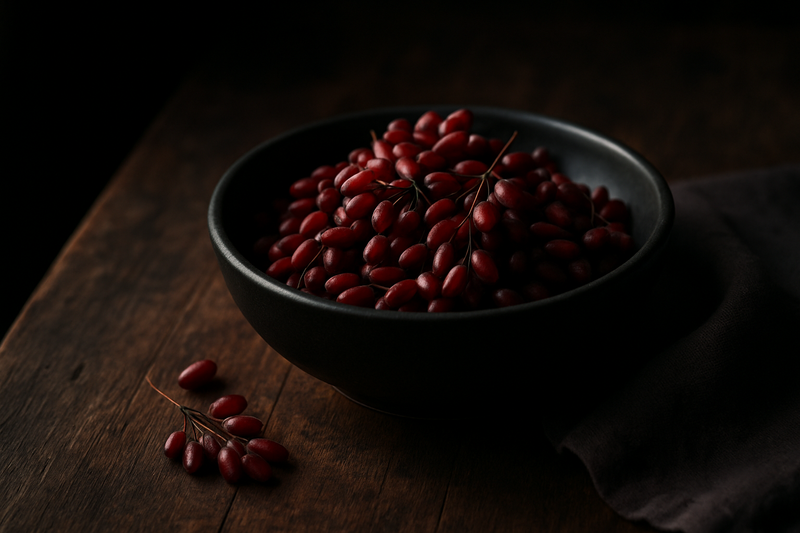
Barberry · Photograph
Discover the barberry health benefits and side effects you need to know — from blood sugar and cholesterol support to the tart little zereshk berry's role in Persian rice. Evidence-based, layperson-friendly guide.
Key Nutrients
% Daily Value based on 2,000 cal diet
Key active compounds
- Berberine — An isoquinoline alkaloid (a naturally occurring nitrogen-containing plant compound) found mainly in barberry root bark and stem bark, with smaller amounts in the fruit. It is the most studied compound in the barberry family and is responsible for the plant's intense yellow pigment.
- Anthocyanins — Water-soluble red-to-purple pigments found in the fruit. These are the same class of antioxidants that give blueberries and cherries their color, and they show strong radical scavenging (free-radical neutralizing) activity in lab studies.
- Berbamine and palmatine — Related isoquinoline alkaloids that contribute to barberry's antimicrobial and anti-inflammatory properties observed in preclinical (cell and animal) work.
- Phenolic acids and flavonoids — A broad family of polyphenols (plant compounds with antioxidant activity) that add to the fruit's overall antioxidant capacity.
- Organic acids (malic, citric) — The primary source of barberry's pronounced tartness; they also contribute modestly to antioxidant potential and palatability.
- Vitamin C — Present in the fruit, supporting immune function and collagen synthesis, though precise standardized amounts are not widely characterized in major food databases.
Prep and pairing ideas
Dried barberries (zereshk) are the form you will most commonly find outside Iran — tiny, ruby-red, and intensely sour. Here is how to use them well.
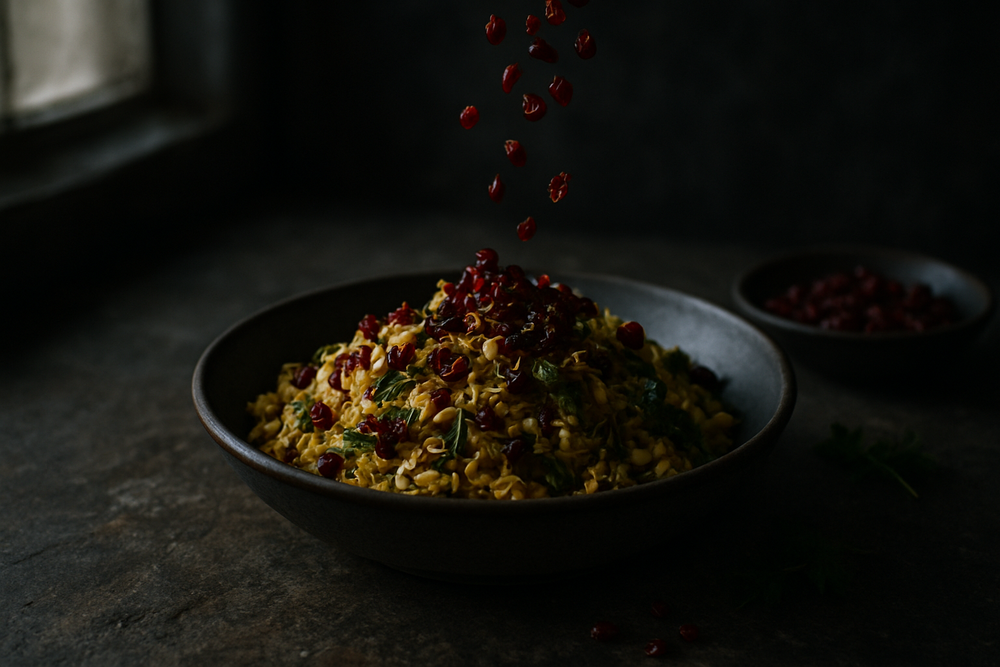
Classic: Zereshk Pulao (Persian saffron-barberry rice) Sauté 2–3 tablespoons of dried barberries briefly in a little butter or olive oil with a pinch of saffron and sugar to balance tartness. Fold into basmati rice just before serving. The butter helps the berries release their red color beautifully. This is barberry at its most traditional and most delicious.
Grain and legume pilafs Scatter dried barberries through farro, bulgur wheat, or lentil pilafs the same way you would use dried cranberries or pomegranate seeds — they add tartness and visual appeal without overpowering other flavors.
Baked goods and sauces Barberries work surprisingly well in scones, muffins, and quick breads as a tart alternative to dried cranberries. They also make a vivid sauce for roasted vegetables or poultry when simmered briefly with a little orange juice, honey, and thyme.
Buying and storage tips:
- Look for dried zereshk in Persian, Middle Eastern, or specialty grocery stores, or online.
- Choose berries that are deep red-to-burgundy, not faded or brown — color reflects anthocyanin content.
- Store in an airtight container away from light and heat; they keep for up to a year.
- Rinse and check for small stones or stems before cooking.
Bottom line
Barberry is two things at once: a delightful, deeply traditional culinary ingredient and a plant with a genuinely impressive evidence base — at medicinal doses. Dried zereshk scattered over Persian rice is a pleasure worth exploring for anyone who loves bold, complex flavors, and it delivers a modest antioxidant contribution with essentially no risk for healthy adults. Berberine supplements derived from barberry and related plants have strong human trial evidence for blood sugar and cholesterol improvement, but they are pharmacologically active compounds that interact with drugs, are contraindicated in pregnancy and breastfeeding, and should only be used under medical supervision.
The takeaway: enjoy barberry as food freely, approach berberine as a supplement carefully.
Interested in plants that support metabolic health? Browse Plantopedia's metabolic health ingredient guides to see how barberry fits alongside other evidence-backed whole foods.
How Barberry Compares
| Compared with | What's different |
|---|---|
| Barberry vs. Dried Cranberries | Barberries are significantly smaller and more intensely sour than sweet-tart cranberries. |
| Barberry vs. Goji Berries | Barberries contain berberine and have a sharp acidity, while goji berries are sweeter and earthier. |
| Barberry vs. Pomegranate Seeds | Barberries are whole dried fruits with a crunchy texture, unlike the juicy sacs of a pomegranate. |
Health Benefits
Things to Know
Pregnancy: Berberine is not recommended during pregnancy. It may stimulate uterine contractions and has been shown to displace bilirubin in newborns, raising risk of a serious condition called kernicterus (brain damage from high bilirubin in infants). Avoid supplements; culinary amounts from food are a separate, lower-risk context but still worth mentioning to your midwife or OB.
Breastfeeding: Berberine passes into breast milk and may pose risks to newborns. Avoid supplements while nursing.
Infants and newborns: Barberry or berberine preparations should never be given to babies.
Diabetes medications: Berberine supplements have additive blood-sugar-lowering effects. Combining them with insulin, metformin, or sulfonylureas without medical supervision risks hypoglycemia (dangerously low blood sugar).
Cholesterol medications (statins): Overlapping lipid effects plus possible interference with liver enzyme metabolism. Tell your doctor.
Blood pressure medications: Some evidence that barberry can modestly lower blood pressure — additive effects with antihypertensives are possible.
Blood thinners and antiplatelet drugs: Precautionary concern; some alkaloids may affect platelet function.
CYP3A4 drug interactions: Berberine inhibits cytochrome P450 enzymes (proteins in the liver that process many medications), especially CYP3A4. This can raise blood levels of certain drugs unpredictably.
Liver disease: Barberry constituents are processed by the liver; use caution and seek medical advice if you have hepatic conditions.
General supplement safety note: Berberine supplements are generally considered possibly safe for most adults at up to ~1,500 mg/day for short periods (3–6 months). Long-term safety data are limited.
Prep Ideas
- — Look for dried zereshk in Persian, Middle Eastern, or specialty grocery stores, or online.
- — Choose berries that are deep red-to-burgundy, not faded or brown — color reflects anthocyanin content.
- — Store in an airtight container away from light and heat; they keep for up to a year.
- — Rinse and check for small stones or stems before cooking.
Glossary
Shop This Ingredient
Stock your pantry with quality barberry.
Buy on AmazonAs an Amazon Associate, Plantopedia earns from qualifying purchases. This costs you nothing extra and helps us keep the encyclopedia free.
Frequently Asked Questions
Heart and cholesterol support Clinical trials using berberine supplements or concentrated barberry extracts have shown meaningful reductions in LDL cholesterol (often called "bad" cholesterol), total cholesterol, and triglycerides (blood fats), along with improvements in markers of metabolic syndrome — a cluster of conditions including high blood pressure, excess waist fat, and poor blood sugar control that raises heart disease risk. A well-cited clinical review published in Phytotherapy Research analyzed multiple randomized trials and found that lipid-lowering and insulin-resistance–improving effects are among berberine's most consistent findings. However, these trials typically use 900–1,500 mg of berberine per day — roughly 50 to 100 times the berberine you would encounter in a tablespoon of dried zereshk. Whole barberry fruit contains anthocyanins and polyphenols that show vasoprotective (blood-vessel-protecting) and anti-inflammatory activity in vitro (in cell studies), but direct human trials measuring heart outcomes from eating barberry as food are currently lacking. Bottom line: Berberine from supplemental sources has moderate-to-strong evidence for improving cholesterol and metabolic risk markers. Eating barberries in rice is unlikely to deliver the same effect, but the fruit's polyphenols may still contribute positively to a heart-healthy diet overall. Blood sugar and diabetes This is where berberine's evidence base is strongest. Multiple randomized controlled trials report that berberine (often at 900–1,500 mg/day, taken in two or three divided doses with meals) reduces fasting blood glucose, post-meal glucose spikes, and hemoglobin A1c — a three-month average of blood sugar levels. Several comparative trials have found its effectiveness comparable to standard oral medications for type 2 diabetes, though it is not a replacement without medical guidance. Mechanistic studies suggest berberine activates an enzyme called AMPK (AMP-activated protein kinase), often described as a cellular "energy sensor," which helps cells respond better to insulin. It may also favorably shift the gut microbiota (the community of microorganisms in your digestive tract) in ways that support glucose metabolism. As with cardiovascular benefits, this evidence comes from medicinal doses of isolated berberine, not from zereshk portions in cooking. Whether typical culinary intake provides any measurable blood sugar benefit has not been studied directly. Digestive health and gut support Traditional medicine systems have long used barberry for diarrhea, stomach upset, and liver complaints. Some clinical data support berberine preparations for infectious diarrhea and irritable bowel syndrome (IBS) symptoms, though trials vary widely in quality and setting. There is a notable paradox here: at medicinal doses, berberine frequently causes gastrointestinal side effects — constipation, diarrhea, cramping, and bloating — in a portion of trial participants. These effects are usually mild and dose-related but are worth knowing about. Culinary zereshk, at 1–2 tablespoons over rice, is well tolerated by most people and does not appear to cause these issues. Inflammation and recovery Some clinical studies using barberry preparations or berberine supplements report reductions in C-reactive protein (CRP), a blood marker that rises when systemic inflammation is present. These outcomes are often secondary findings in metabolic trials rather than primary targets, so the evidence is considered emerging rather than definitive. Preclinical research shows barberry constituents suppress pro-inflammatory cytokines (signaling proteins that drive inflammation) and reduce oxidative stress in animal and cell models. A 2019 PMC review specifically examined the anti-inflammatory and immunomodulatory effects of barberry alkaloids, finding consistent preclinical support but calling for more robust human trials.
| Goal | Best form | Notes | | --- | --- | --- | | Everyday flavor and antioxidants | Dried barberries (zereshk) | Cook with rice, pilafs, stuffings | | Blood sugar or cholesterol support | Standardized berberine supplement | Only under medical guidance | | Exploring gut / digestive use | Discuss with a provider | Evidence is mixed; GI side effects possible | | Traditional tonic use | Culinary fruit or herbal tea | Low-dose, general wellness context | Culinary dried fruit vs. supplement is the key distinction. Dried zereshk is a whole food ingredient. Berberine capsules are a pharmacological intervention. Do not assume one substitutes for the other.
The curious home cook who loves Persian food You are already getting some antioxidant value from zereshk in zereshk pulao — consider it a small but real bonus. Swapping plain rice for saffron-barberry rice adds color, flavor, and a modest antioxidant boost with zero risk. Start with 1–2 tablespoons of dried barberries per serving; taste is intense, so a little goes a long way. Someone exploring evidence-based support for blood sugar or cholesterol (with a doctor's knowledge) Berberine supplements have the strongest clinical track record in this space among plant-derived compounds. Dose timing matters — most trials use 500 mg taken 2–3 times daily before or with meals. Always disclose berberine use to your prescribing doctor; it can meaningfully interact with diabetes and cholesterol medications.
As a whole food (culinary): There is no established upper limit for eating barberries as food. Typical Persian cooking uses roughly 1–2 tablespoons (10–20 g) of dried berries per rice dish serving. This is well tolerated by most adults and is appropriate to enjoy regularly as part of a varied diet. As a berberine supplement: Most human clinical trials use 900–1,500 mg of berberine per day, divided into 2–3 doses taken before or with meals. Some trials have used up to 2,000 mg/day. Even the lower end of this range is far beyond the berberine exposure from culinary barberry servings. A starting dose of 500 mg once daily with meals, titrated slowly, is commonly recommended to minimize GI side effects — but this is a supplement protocol, not a food guideline. Important distinction: Do not try to achieve a therapeutic berberine dose by eating large quantities of barberries. The berberine in barberry is concentrated in the root and stem bark, not primarily the fruit. You cannot meaningfully replicate supplement doses through cooking. If you are considering berberine supplementation for a specific health goal, discuss dosing, timing, and duration with a healthcare professional who knows your medication list.
Quick Answers
Common questions, answered in a line.
Dried barberries are most commonly used in Zereshk Pulao, a Persian rice dish where the berries are sautéed with butter, saffron, and sugar. They also make excellent additions to grain pilafs, scones, and muffins, or can be simmered into sauces for roasted vegetables and poultry.
Barberry contains berberine, an isoquinoline alkaloid that research suggests can help improve blood sugar levels and cholesterol. The fruit also provides anthocyanins and vitamin C, which support antioxidant capacity and immune function.
You should avoid barberry supplements during pregnancy because berberine may stimulate uterine contractions and increase the risk of kernicterus in newborns. This serious condition involves potential brain damage caused by high bilirubin levels in infants.
Barberry supplements can interact with several medications, particularly diabetes drugs like metformin and insulin, blood pressure medications, and statins. Additionally, berberine inhibits the CYP3A4 liver enzyme, which can unpredictably raise blood levels of many different drugs.
When buying dried barberries, look for berries that are deep red-to-burgundy in color, as faded or brown berries may have lower anthocyanin content. Store them in an airtight container away from light and heat; they typically remain fresh for up to one year.
Barberries have an intensely tart and sour flavor profile due to the presence of organic acids like malic and citric acid. In culinary applications, they are often paired with sugar or honey to balance their pronounced acidity.
For Readers in the USA
Local context — sourcing, seasonality, and regional notes.
You can find dried barberries, often labeled as "Zereshk," at international grocery stores, Persian markets, and specialty retailers like Whole Foods or online through Amazon.
The Common Barberry (Berberis vulgaris) is found across the Northeast and Midwest, while the Japanese Barberry (Berberis thunbergii) is widespread but classified as an invasive species in many U.S. states.
The FDA regulates dried barberries as a conventional food item, while berberine extracts derived from the plant are sold as dietary supplements, which do not require FDA approval for safety or efficacy before hitting shelves.
While Americans traditionally use cranberries for tartness, barberries are gaining popularity in U.S. culinary circles as a "superfood" topping for oatmeal, salads, and modern Mediterranean-style grain bowls.
AI Clinical Review
- Clearly distinguishes culinary barberries (zereshk) from berberine supplements and explains that most clinical benefits come from standardized berberine, not typical food amounts.
- Accurately summarizes evidence that berberine can improve blood sugar and lipid markers at research doses, likely via AMPK activation (a cellular “energy sensor”).
- Sensibly frames barberry fruit as a flavorful, antioxidant-rich ingredient that adds small nutritional benefits without claiming drug-like effects.
- Offers balanced safety context, including pregnancy/breastfeeding avoidance for berberine and the potential for medication interactions.
- Human trials on the whole fruit (as eaten in meals) for cardiometabolic outcomes are limited; most data come from berberine extracts at medicinal doses.
- Digestive and liver-related uses have mixed, heterogeneous studies; results vary by preparation, dose, and study quality.
- Anti-inflammatory effects (e.g., CRP reductions) are often secondary outcomes; larger, longer trials are needed to confirm clinical relevance.
- Long-term safety and hard outcomes (e.g., cardiovascular events) for berberine are not well established, and supplement quality/standardization can vary by brand.
- For metabolic support, research-grade berberine dosing is typically 900–1,500 mg/day in divided doses with meals; GI side effects (constipation/diarrhea/cramping) are common at higher doses.
- Do not try to “dose” berberine by eating large amounts of barberries—the alkaloid is concentrated in root/bark, not primarily in the fruit.
- Check with a clinician first if you use diabetes medicines, statins, antihypertensives, or blood thinners, or if you have liver disease; berberine can inhibit CYP3A4 and has additive effects with several drugs.
- Avoid berberine in pregnancy, while breastfeeding, and in infants; small culinary amounts of barberries are generally well tolerated for most adults.
Contains berberine; medicinal doses may interact with drugs and are not advised in pregnancy.
References
- USDA MyPlate — Fruits overview (nutrition guidance context): (myplate.gov)
- Barberry (Berberis vulgaris): Exploring its nutritional composition, bioactive components, and health benefits — comprehensive review of fruit composition and health evidence: (fis.uni-hannover.de.html)
- Berberine and barberry (Berberis vulgaris): A clinical review — PubMed-indexed review of human trial evidence across cardiovascular, metabolic, and other outcomes: (pubmed.ncbi.nlm.nih.gov)
- Anti-inflammatory and immunomodulatory effects of barberry and its main alkaloids — PMC review of preclinical and some clinical inflammation evidence: (pmc.ncbi.nlm.nih.gov)
- Barberry as a functional food and therapeutic agent — Iranian journal review covering traditional and evidence-based uses: (jmp.ir)
- Berberine: What it is, benefits & side effects — Cleveland Clinic safety and clinical overview: (health.clevelandclinic.org)
- Berberine: Uses, side effects, and more — WebMD/drug monograph with safety and interaction data: (webmd.com)
- Berberine and diabetes: Safety, dosage, and review — Healthline evidence summary for glycemic effects: (healthline.com)
- Berberine benefits, dosage, and side effects — Examine.com evidence synthesis: (examine.com)
- The Persepolis Ingredient Clinic: Barberries — culinary and cultural context for zereshk use: (foratasteofpersia.co.uk)
Know Your Numbers
Eating healthy is a start. Now get to know your biomarkers.
Food changes bloodwork — inflammation, lipids, blood sugar and nutrient status all respond to what you eat. 59 markers from $59.
- Results in 7–10 days at 2,000+ Quest sites
- Licensed provider reviews every result
- One flat price, no membership, HSA/FSA eligible
Educational information only, not medical advice. Panels are ordered and reviewed through our licensed partner; Plantopedia may earn a commission.