Sea Grape — health benefits and uses
A Caribbean beach fruit long eaten fresh and made into preserves.
The Short Answer
Sea grapes are tart, coastal fruits rich in Vitamin C and polyphenols that offer 3.3g of fiber per cup. They are best eaten fresh by pressing the pulp from the seed or prepared as a traditional Caribbean jelly.
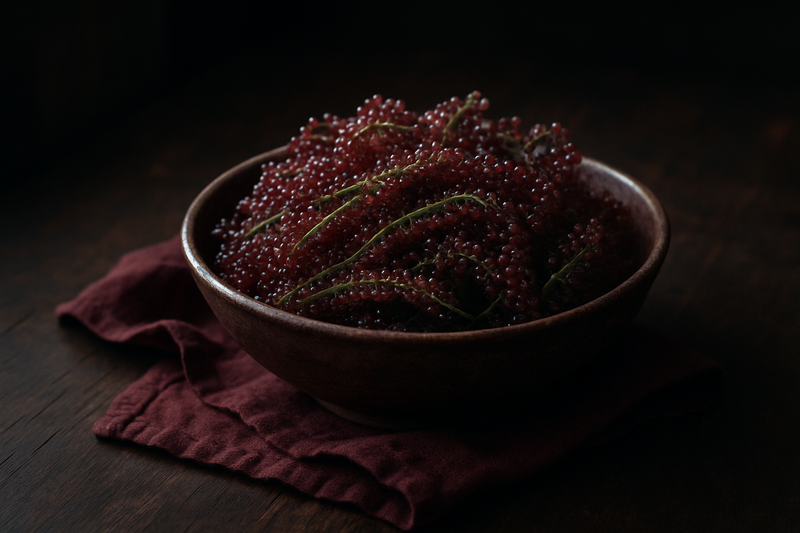
Sea Grape · Photograph
Discover sea grape fruit health benefits and nutrition facts, including antioxidants, vitamin C, and fiber. Learn how to eat it safely, who should take care, and whether fresh fruit beats jelly or wine.
Key Nutrients
% Daily Value based on 2,000 cal diet
Key active compounds
- Polyphenols — A broad family of plant compounds with multiple phenol rings. Sea grape fruit extracts show high total phenolic content in lab assays, which correlates with antioxidant strength.
- Flavonoids — A subgroup of polyphenols that includes quercetin-type compounds. Found in both the fruit and leaves; linked to cell-protective and anti-inflammatory effects in lab models.
- Tannins — Polyphenolic compounds responsible for the fruit's characteristic astringency (dry, puckery sensation). May have antioxidant and antimicrobial properties; also partly responsible for the tartness.
- Vitamin C — A water-soluble antioxidant that supports immune function and helps the body build collagen (the structural protein in skin, bones, and connective tissue).
- Iron — A trace mineral needed for oxygen transport in the blood; present in small but useful amounts.
Prep and pairing ideas
Sea grape is easiest to eat fresh, straight from the cluster. Rinse the grapes, pop one in your mouth, press the flesh against your palate to release the juices, and spit out the seed. The flavor is tart and mildly sweet — somewhere between a green grape and a slightly astringent plum.
Three practical pairings:
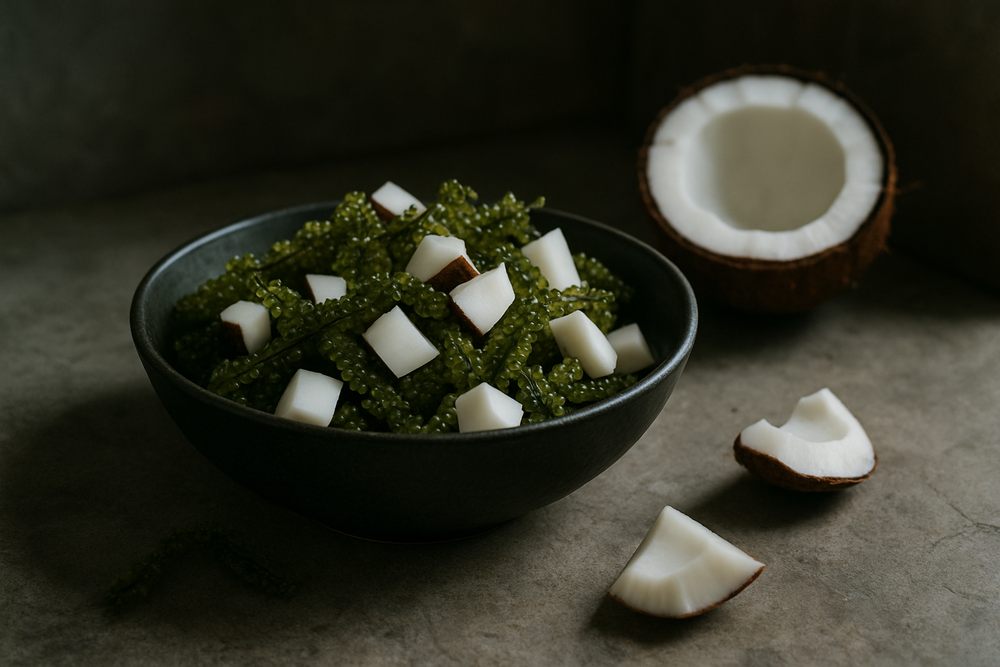
- Sea grape + coconut — The rich, fatty sweetness of fresh coconut flesh balances the tartness of sea grape perfectly. Combine them in a simple beach-side fruit salad or blend fresh sea grape pulp (strained to remove seeds) with coconut water for a refreshing drink. The healthy fats in coconut also help absorb fat-soluble plant compounds from the fruit.
- Sea grape + lime and chili — A Caribbean-inspired snack: toss fresh sea grape pulp with a squeeze of lime juice and a pinch of chili flakes. The lime boosts vitamin C bioavailability and brightens the flavor; chili adds contrast and a metabolism-supporting compound called capsaicin. Serve as a palate cleanser or light dessert.
- Sea grape jelly + whole grain toast — When you only have access to processed jelly, pair it with high-fiber whole grain bread to partially compensate for the fiber lost during cooking. Spreading jelly on oats or mixing a teaspoon into plain yogurt are equally simple ways to enjoy the flavor without leaning on a high-sugar serving.
Bottom line
Sea grape is a genuine, nutritious whole fruit with a rich polyphenol profile, useful fiber, and a small but real contribution of vitamin C and iron. The science is early: no human clinical trials have confirmed specific health outcomes, but the laboratory evidence is consistent with what we would expect from a tart, pigment-rich coastal fruit. Eat the fresh fruit when you can find it, enjoy the jelly in moderation, and skip concentrated extracts until more safety and efficacy data exist. Like most whole fruits, sea grape is best understood as one enjoyable part of a varied, plant-forward diet rather than a standalone remedy.
Interested in finding other fruits and whole foods that support specific health goals? Browse the Plantopedia goals guide to match ingredients to what matters most to you.
How Sea Grape Compares
| Compared with | What's different |
|---|---|
| Sea Grape vs. Green Grapes | Sea grapes grow on tropical trees and have a single large seed, unlike vine-grown grapes. |
| Sea Grape vs. Umibudo (Sea Grapes Seaweed) | Sea grapes are tart and astringent berries, unrelated to the salty green seaweed often called by the same name. |
Health Benefits
Things to Know
Choking risk for young children.: The central seed is large relative to the pulp. Children under five should not eat whole sea grapes unsupervised; the seed must be removed or the fruit eaten only under close adult supervision.
Pregnancy and breastfeeding.: Eating fresh sea grape fruit in normal food amounts is likely fine, but there is no safety data on concentrated extracts or supplement preparations during pregnancy or while nursing. Stick to fresh fruit and avoid extracts.
Diabetes and blood sugar medications.: Leaf and concentrated fruit extracts have shown hypoglycemic effects in preclinical models. If you use insulin or oral antidiabetic drugs, discuss adding sea grape extracts with your doctor before trying them, as additive effects on blood sugar are possible.
Allergies.: Sea grape belongs to the Polygonaceae family, which includes buckwheat and sorrel. If you have known reactions to related plants, introduce sea grape cautiously.
Skin sensitivity.: Topical products containing Coccoloba uvifera extract are emerging in cosmetics. Patch-test any new product on a small area first; clinical safety data for topical use in humans is not yet published.
Antioxidant supplements.: If you already take high-dose antioxidant supplements and add concentrated sea grape extract, cumulative intake could theoretically shift your body's antioxidant balance. This has not been studied specifically, but it is worth noting to your pharmacist.
Prep Ideas
- — **Sea grape + coconut** — The rich, fatty sweetness of fresh coconut flesh balances the tartness of sea grape perfectly. Combine them in a simple beach-side fruit salad or blend fresh sea grape pulp (strained to remove seeds) with coconut water for a refreshing drink. The healthy fats in coconut also help absorb fat-soluble plant compounds from the fruit.
- — **Sea grape + lime and chili** — A Caribbean-inspired snack: toss fresh sea grape pulp with a squeeze of lime juice and a pinch of chili flakes. The lime boosts vitamin C bioavailability and brightens the flavor; chili adds contrast and a metabolism-supporting compound called capsaicin. Serve as a palate cleanser or light dessert.
- — **Sea grape jelly + whole grain toast** — When you only have access to processed jelly, pair it with high-fiber whole grain bread to partially compensate for the fiber lost during cooking. Spreading jelly on oats or mixing a teaspoon into plain yogurt are equally simple ways to enjoy the flavor without leaning on a high-sugar serving.
Glossary
Shop This Ingredient
Stock your pantry with quality sea grape.
Buy on AmazonAs an Amazon Associate, Plantopedia earns from qualifying purchases. This costs you nothing extra and helps us keep the encyclopedia free.
Frequently Asked Questions
Heart and circulation No human clinical trials have tested sea grape fruit for cardiovascular outcomes like blood pressure or cholesterol. What does exist is laboratory evidence that ethanolic (alcohol-based) and aqueous (water-based) extracts of the fruit show substantial free-radical scavenging and ferric-reducing antioxidant power. Oxidative stress — damage caused by unstable molecules called free radicals — is linked to the buildup of plaque in arteries and to broader vascular damage. Polyphenol-rich diets in general are associated with better heart health, and sea grape's polyphenol content suggests it could contribute to that pattern. Research on the fruit specifically in humans is not yet available, so this remains a plausible but unproven benefit. Digestive health and microbiome This is the area where the evidence is most grounded. Sea grape fruit fiber content (3.3 g per 100 g) is solid for a small tropical fruit. Dietary fiber from fruit is well established to add bulk to stools, support bowel regularity, and serve as a food source for beneficial gut bacteria (the microbiome — the community of microorganisms living in your digestive tract). No trials have studied sea grape fiber and gut bacteria directly, but its fiber class and quantity suggest it would behave similarly to fiber from other polyphenol-rich fruits. Important note: processed forms like jelly and wine have far less fiber, so fresh fruit is your best choice for digestive support. Blood sugar and metabolism A hydroalcoholic extract (a mixture of water and alcohol used to pull out active compounds) of sea grape leaves showed hypoglycemic activity — meaning it lowered blood sugar — in preclinical (non-human) experimental models. Phytochemical screening of that leaf extract confirmed the presence of flavonoids and tannins, both of which can affect glucose metabolism in lab settings. There are zero human trials of sea grape fruit or leaf preparations for fasting glucose, insulin sensitivity, or HbA1c (a long-term blood sugar marker). Eating the whole fruit as part of a balanced diet is unlikely to cause blood sugar problems for healthy adults, but people with diabetes should not use concentrated extracts as a substitute for prescribed medication. Inflammation and recovery In a cell culture model (a laboratory dish of human melanocyte cells — the pigment-producing cells in skin), Coccoloba uvifera extract reduced the production of pro-inflammatory cytokines (chemical messengers that promote inflammation) including IL-1α and TNF-α after UV light exposure. This is promising for understanding how polyphenols in sea grape may calm inflammatory pathways, but cell-culture results do not automatically translate to whole-body effects. Eating a polyphenol-rich diet consistently is associated with lower systemic inflammation in large population studies, and sea grape fruit plausibly contributes to that effect when included regularly — but direct human evidence for sea grape specifically does not exist yet.
Fresh whole fruit is the clear winner. You get the fiber, the vitamin C, the full polyphenol spectrum, and essentially no added sugar or alcohol. Here is how the other forms compare: Fresh fruit — Best option. Eat by splitting the thin skin, extracting the pulp, and discarding the large seed. Portable and zero processing required. Juice or boiled drink — Concentrates some polyphenols but loses most of the fiber. Higher natural sugar per volume than whole fruit. Jelly or syrup — A coastal tradition worth enjoying occasionally. Retains some color compounds and polyphenols through cooking, but added sugar is high and fiber is almost entirely lost. Think of it as a flavorful condiment, not a health supplement. Wine or fermented beverage — Fermentation alters the polyphenol profile in unpredictable ways, and the alcohol content introduces its own health considerations. Not a useful vehicle for sea grape fruit benefits. Leaf or fruit extracts (lab or supplement form) — Used in research studies only. Not standardized, not safety-tested in humans, and not commercially available in reliable forms. Avoid using concentrated extracts unless a qualified healthcare provider guides you.
There is no established therapeutic dose for sea grape fruit — no clinical trial has defined a specific daily target. Traditional and practical guidance suggests treating it like any other small fruit: 50–100 g fresh fruit (roughly half a cup to one cup of whole grapes) per sitting is a typical portion that provides meaningful fiber and vitamin C without excess sugar. Eating sea grape as part of a varied fruit intake — two to three different fruits per day — aligns with standard dietary guidelines and is where the most reliable benefit lies. Start with a small handful the first time you try it, especially if you have a sensitive digestive system, as the tannins can be slightly astringent and may cause mild stomach upset in some people. For jelly or syrup, treat it as you would any fruit preserve: a teaspoon to a tablespoon as a condiment, not a health dose. There is no evidence that eating more sea grape fruit delivers proportionally greater health benefits, and very large amounts of any tannin-rich food can interfere with iron absorption from other foods in the same meal.
The curious coastal forager Spends time near Caribbean or Atlantic beaches where sea grape grows wild Wants to incorporate local, seasonal whole fruit into their diet Values the sensory experience of eating something tart, fresh, and foraged Benefits from the fiber, vitamin C, and polyphenols without any special preparation The fiber-focused eater Already eating a varied plant-based diet and looking for underrepresented whole fruits to add diversity Interested in supporting gut health and bowel regularity through food Finds standard fruits like apples and berries easy to source but wants variety Can use fresh sea grape (when available) or a small amount of jelly stirred into yogurt to add novel plant compounds to their routine
Quick Answers
Common questions, answered in a line.
Sea grapes contain beneficial plant compounds like polyphenols, flavonoids, and tannins, as well as vitamin C and iron. These active ingredients provide antioxidant and anti-inflammatory support while helping the body build collagen and transport oxygen in the blood.
To eat a fresh sea grape, rinse the cluster, pop a grape in your mouth, press the flesh against your palate to release the juices, and spit out the large central seed. The fruit has a tart and mildly sweet flavor, similar to a mix between a green grape and an astringent plum.
Sea grapes are not recommended for children under five because the central seed is large relative to the pulp and poses a choking risk. If young children consume the fruit, the seed must be removed or they must be under close adult supervision.
People using insulin or oral diabetes medications should consult a doctor before using sea grape extracts, as they may have additive blood sugar-lowering effects. Preclinical models indicate that leaf and concentrated fruit extracts have hypoglycemic properties.
Sea grapes pair well with coconut, lime and chili, or whole grain toast to balance their natural tartness. Coconut fats help absorb the fruit's plant compounds, while pairing sea grape jelly with high-fiber grains helps compensate for fiber lost during the cooking process.
If you have a known allergy to buckwheat or sorrel, you should introduce sea grape cautiously because they belong to the same plant family, Polygonaceae. It is also recommended to patch-test any topical cosmetic products containing sea grape extract before full use.
Pregnant and breastfeeding women should stick to eating fresh sea grape fruit in normal food amounts and avoid concentrated extracts or supplements. There is currently no safety data available regarding the use of concentrated sea grape preparations during pregnancy or nursing.
For Readers in the USA
Local context — sourcing, seasonality, and regional notes.
In the United States, sea grapes grow natively in the coastal hammocks and dunes of central and southern Florida. While they are occasionally found in Hawaii and Puerto Rico, Florida is the primary region where the plant is ubiquitous along shorelines and used in residential landscaping.
Sea grapes typically ripen in Florida between late summer and early fall, usually from August through October. The fruit changes from a hard green to a deep purple or lavender color when ready for harvest, though individual clusters often ripen at different rates.
Fresh sea grapes are rarely found in major US supermarkets like Publix or Whole Foods because they have a very short shelf life. Instead, look for them at local Florida farmers markets, specialty tropical fruit vendors, or as artisanal jellies and jams in coastal gift shops.
While the fruit itself is edible, Florida state law and local ordinances often prohibit harvesting sea grapes on public beaches to protect against dune erosion. Always check local regulations before foraging, as the plants play a critical role in stabilizing the coastline and protecting sea turtle nesting habitats.
AI Clinical Review
- Clearly distinguishes early lab findings from human evidence and avoids overstating benefits.
- Provides realistic nutrition estimates (fiber ~3.3 g and vitamin C ~17 mg per 100 g) and frames sea grape as a low-calorie, whole-food fruit.
- Sensibly prioritizes fresh fruit over jelly, syrup, or wine for retaining fiber and micronutrients.
- Offers practical portion guidance (about 50–100 g per sitting) consistent with general fruit recommendations.
- Antioxidant capacity and anti-inflammatory signals come from cell and test-tube studies; these do not confirm heart, skin, or systemic benefits in people.
- Hypoglycemic effects are reported for leaf extracts in preclinical models; this cannot be assumed for the fruit itself or for human use.
- Microbiome and digestive claims are inferred from fiber content and polyphenols rather than trials specific to sea grape.
- No standardized composition database entry exists; nutrient values likely vary by ripeness, location, and preparation.
- Safety: the large seed is a choking risk for young children; supervise and remove the pit. Pregnant or breastfeeding individuals should avoid concentrated extracts due to limited safety data.
- Form matters: fresh fruit provides fiber and vitamin C; jelly/syrup are higher in added sugar with minimal fiber; wine adds alcohol and is not a health vehicle.
- Medical considerations: people with diabetes or on glucose-lowering medications should not use leaf or fruit extracts without clinician guidance. Those with Polygonaceae (buckwheat/sorrel) allergies should try small amounts first.
- Tannins can be astringent and may temporarily reduce non-heme iron absorption; if you rely on iron supplements, consider separating them from tannin-rich foods by a couple of hours.
Large seed with thin flesh; ripe fruit is safe and tart-sweet.
References
- USDA FoodData Central — fruit composition methodology and reference data (fdc.nal.usda.gov)
- MyPlate — USDA fruit food group guidelines (myplate.gov)
- Phytochemical characterization and in vitro antioxidant activity of polar extracts from Coccoloba uvifera fruit (Redalyc, Spanish-language peer-reviewed journal) (redalyc.org)
- Polyphenol content and antioxidant activity of sea grape — Química Viva journal study (quimicaviva.qb.fcen.uba.ar)
- Antimutagenic, antiproliferative, and antioxidant properties of Coccoloba uvifera fractions — PubMed (pubmed.ncbi.nlm.nih.gov)
- Effects of Coccoloba uvifera extract on UV-stimulated human melanocytes — PubMed (pubmed.ncbi.nlm.nih.gov)
- Phytochemical screening, antioxidant and hypoglycemic activity of Coccoloba uvifera leaves — Academia.edu (academia.edu)
- Nutritional characterization of sea grape fruits as alternative raw material — Cuban journal study (revistas.udg.co.cu)
- Sea grape (Coccoloba uvifera) — Edible Plant Database compositional entry (edibleplantdb.org)
- Sea grape overview — Stuart Xchange Philippine Medicinal Herbs and traditional uses (stuartxchange.org)
Know Your Numbers
Eating healthy is a start. Now get to know your biomarkers.
Food changes bloodwork — inflammation, lipids, blood sugar and nutrient status all respond to what you eat. 59 markers from $59.
- Results in 7–10 days at 2,000+ Quest sites
- Licensed provider reviews every result
- One flat price, no membership, HSA/FSA eligible
Educational information only, not medical advice. Panels are ordered and reviewed through our licensed partner; Plantopedia may earn a commission.