Bignay — health benefits and uses
A Southeast Asian fruit whose leaves and berries feature in folk remedies.
The Short Answer
Bignay is a tart tropical berry rich in anthocyanins and vitamin C, providing 450 mg of potassium and 52 calories per 100g serving. It is primarily used for its high antioxidant content in jams, juices, and traditional wines.

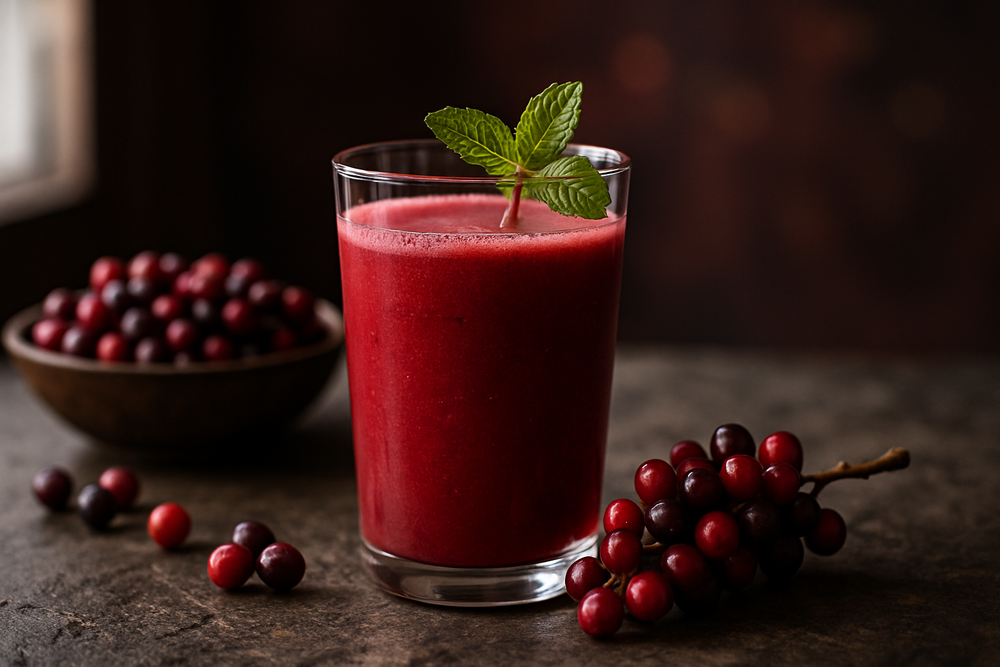
Bignay · Photograph
Discover the bignay fruit health benefits and side effects based on current evidence. Learn about this tart Filipino berry's antioxidants, vitamin C, anthocyanins, nutrition facts, safety profile, and how to enjoy it in juices, wines, and jams.
Key Nutrients
% Daily Value based on 2,000 cal diet
Key active compounds in bignay
- Anthocyanins — Water-soluble red-to-purple pigments in the flavonoid family; responsible for the berries' deep color and strong radical-scavenging (antioxidant) capacity.
- Total phenolics — A broad class of plant polyphenols, including phenolic acids and flavonoids, that protect cells from oxidative damage. Bignay fruit and juice rank high in total phenolic content among studied fruits.
- Flavonoids — A sub-group of polyphenols including flavones and flavonols; contribute to anti-inflammatory and metabolic effects observed in preclinical studies.
- Gallic acid, ferulic acid, and ellagic acid — Specific phenolic acids identified in bignay extracts, each with antioxidant and anti-inflammatory properties in experimental models.
- Corilagin — A gallotannin (a tannin-type polyphenol) isolated from bignay; contributes to antioxidant activity and may support anti-inflammatory effects.
- Vicenin II and amentoflavone — Flavonoid structures found in bignay leaf extracts; their effects in humans have not yet been studied directly.
- Buniusamide A and B, frangufoline, sanjoinenine — Specialized plant metabolites (alkaloid-like compounds) unique to the Antidesma genus; their safety and activity in people remain early-stage.
- Citric acid — The dominant organic acid in bignay; responsible for tartness and may stimulate digestive juices.
- Vitamin C — A water-soluble antioxidant that supports immune function and collagen production.
Prep and pairing ideas
Bignay jam on whole grain toast with nut butter — The jam's tartness cuts through the richness of almond or peanut butter, while the polyphenols pair with the healthy fats in the nuts, which may support fat-soluble phytonutrient absorption.
Fresh bignay juice swirled into plain yogurt or kefir — Adds color, flavor, and anthocyanins to a protein and probiotic-rich base. The acidity of bignay complements the tangy fermented dairy well. You can sweeten lightly with honey if needed.
Ripe bignay simmered into a sauce for grilled tofu or duck — Reducing ripe berries with a splash of vinegar and a little ginger creates a savory-tart glaze. The deep pigments make a visually striking sauce, and the polyphenols survive brief cooking reasonably well.
Bignay vinegar as a salad dressing base — Traditional bignay vinegar from fermented juice can replace regular vinegar in dressings; its fruity tartness works well with bitter greens like arugula or watercress.
Bottom line
Bignay is a nutritious, low-calorie tropical berry bursting with anthocyanins, phenolic acids, vitamin C, and potassium. Lab and animal studies paint an intriguing picture of antioxidant, anti-inflammatory, blood sugar-supporting, and lipid-modifying potential. Small human studies confirm it works topically for skin brightening and anti-aging. But for internal health benefits, the honest answer is: the research is promising and early. No large human trials have confirmed that eating bignay prevents or treats any specific disease.
What we can say confidently: ripe bignay is a safe, colorful, whole fruit worth eating as part of a varied diet. It fits naturally into a food-as-medicine approach — bringing genuine nutritional value, cultural richness, and a distinctive flavor profile that makes healthy eating more interesting. Think of it as a tart, vibrant addition to your fruit rotation, not a miracle cure.
How Bignay Compares
| Compared with | What's different |
|---|---|
| Bignay vs. Cherry | Smaller, tart berries growing in grapelike clusters rather than single larger fruits. |
| Bignay vs. Elderberry | Higher in potassium and vitamin C with a distinct tart, acidic profile rather than mild sweetness. |
Health Benefits
Things to Know
Underripe fruit is very astringent: — only eat bignay when fully ripe (dark red to black), or use cooked, fermented, or sweetened preparations to neutralize tannins.
Diabetes medications: — Animal studies suggest bignay extract can lower blood glucose. If you take metformin, sulfonylureas, or insulin, the combination could theoretically push blood sugar too low. Monitor levels and inform your doctor.
Blood pressure medications: — Traditional use and experimental data hint at possible vascular effects. If you take ACE inhibitors, ARBs, beta-blockers, or calcium channel blockers, discuss bignay supplement use with your prescriber.
Anticoagulants and antiplatelet drugs: — Polyphenol-rich fruits may theoretically affect platelet function. Specific interactions with bignay are not documented, but caution is reasonable.
Pregnancy and breastfeeding: — No human safety data exist for high-dose bignay extract in pregnant or nursing individuals. Whole fruit in food amounts is likely fine; concentrated extracts or supplements should be avoided until more is known.
Children: — Typical fruit intake is not a concern, but medicinal or supplemental doses in children have not been studied.
Liver or kidney disease: — Concentrated polyphenol extracts may be processed differently by impaired organs. Stick to food amounts and consult your healthcare provider.
Alcohol avoidance: — If you avoid alcohol for any reason, note that bignay wine and some fermented preparations do contain alcohol.
Allergy: — Rare, but possible if you have known hypersensitivity to Antidesma species.
Glossary
Shop This Ingredient
Stock your pantry with quality bignay.
Buy on AmazonAs an Amazon Associate, Plantopedia earns from qualifying purchases. This costs you nothing extra and helps us keep the encyclopedia free.
Frequently Asked Questions
Heart and circulation Bignay fruit and experimentally produced bignay ciders show strong antioxidant activity and in vitro (test-tube) lipid-lowering properties, meaning they reduce fat oxidation and cholesterol modification in laboratory conditions. These findings suggest possible contributions to managing dyslipidemia (abnormal blood fat levels) and metabolic syndrome. However, there are currently no published oral human clinical trials evaluating bignay for cholesterol, blood pressure, or cardiovascular outcomes. Research into bignay's heart benefits for humans is exploratory. Its high anthocyanin content places it alongside other dark berries theorized to support vascular health — but that theory has not yet been confirmed by controlled human studies for bignay specifically. Bottom line: Encouraging lab signals, zero human trials. Eating bignay as part of a fruit-rich diet is sensible; treating it as a heart medication is not yet supported. Digestive health and microbiome Bignay's dominant organic acid, citric acid, may stimulate gastric secretions and contribute to the tart flavour that makes the fruit feel refreshing. The fruit provides modest dietary carbohydrates and fiber, and its polyphenols may interact with digestive enzymes — though this has only been explored in laboratory enzyme assays, not human digestion studies. No human trials have examined bignay's effects on gut microbiota, motility, or digestive discomfort. Folk use as a digestive aid has not been formally tested. Blood sugar and metabolism In cell-based studies, bignay fruit extract inhibits maltase and sucrase — two intestinal enzymes that break down carbohydrates into glucose — which could theoretically slow post-meal blood sugar spikes if similar effects occur in the digestive tract. In alloxan-induced diabetic rats (a common animal model of diabetes), ethanolic extract at 200–600 mg/kg reduced blood glucose significantly, with the highest dose performing comparably to the standard drug glibenclamide. These are promising findings, but no controlled human trials exist. Current evidence does not support using bignay instead of prescribed diabetes medications. Anyone with diabetes who wants to incorporate more bignay should discuss this with their healthcare provider, especially given potential interaction with blood sugar-lowering drugs. Inflammation and recovery Animal and in vitro studies show that bignay extracts reduce markers of airway inflammation, chemically induced rheumatoid arthritis, gout-related joint pain, and acute lung injury in rats and mice. Methanolic and ethanolic extracts consistently show strong antioxidant capacity in DPPH assays — a standard lab test for free-radical scavenging. No oral human clinical trials have tested bignay for joint pain, lung conditions, or systemic inflammation. These results reflect biological plausibility, not proven benefit in people. Skin health This is where the most direct human evidence exists. A randomized, single-blind, controlled split-face trial in 30 Thai women tested a facial mask cream containing 5% Antidesma bunius extract applied daily for eight weeks. Participants showed reductions in skin pigmentation and wrinkles compared with the untreated side of their face, without significant adverse effects. A separate patch study documented improvements in epidermal thickness and skin health markers with a 0.2% bignay extract formulation on the forearms of healthy adults over three weeks. These topical studies are small and short-term, but they represent the most clinically relevant human data for bignay to date. They do not establish what happens when bignay is eaten or taken as an oral supplement.
Buying guide Fresh ripe berries: The most whole-food option. Look for clusters where the berries are uniformly deep red to purple-black; green or partially red berries are underripe and intensely astringent (containing high tannin levels that cause a dry, puckery mouth feel). If you can find fresh bignay at a Filipino grocery, Asian market, or tropical farmers market, check that the stems are not dried out and the berries are plump. Juice: Bignay juice retains high levels of anthocyanins and phenolics. Look for cold-pressed or minimally processed versions with no added sugar listed first. The juice is tart enough that commercial versions are usually sweetened — check the label and aim for lower added sugar content. Wine and fermented beverages: Traditional bignay wine is a cultural staple in the Philippines. It preserves pigments and some polyphenols, but adds alcohol. If you enjoy it, treat it as an occasional beverage rather than a health supplement. Alcohol offsets any polyphenol benefit at higher intake levels. Jams and preserves: Cooking mellows the astringency and concentrates flavor. Some heat-sensitive vitamin C is lost in cooking, but anthocyanins are relatively stable and total phenolics remain meaningful. Check labels for sugar content — many commercial bignay jams are heavily sweetened. Freeze-dried powder or supplements: Concentrates the bioactives, but no standardized dosing exists for humans. If you use a powdered form, start with small amounts and choose products that list the standardized extract concentration on the label.
No official dietary guideline or therapeutic dose has been established for bignay fruit or its extracts in humans. As a whole fruit, bignay can reasonably be enjoyed as part of your daily fruit intake — in line with MyPlate's recommendation of 1.5 to 2 cups of fruit per day for most adults. A typical serving of ripe bignay berries (around 100 g or roughly ½ to 1 cup) fits comfortably within this range. Animal toxicity studies used ethanolic extract doses up to 2,000 mg/kg in mice with no observed harm — suggesting a wide safety margin for the whole fruit at normal eating amounts. However, these figures do not translate directly to supplement dosing recommendations for humans, and concentrated extracts have not been formally tested for long-term safety in people. Start low if you are new to bignay — especially if you have never eaten a very tart berry before. Underripe bignay in large amounts can cause significant mouth puckering and potential GI discomfort from its high tannin content. Stick to fully ripe fruit or cooked preparations. Concentrated extracts and powders — There is no established safe upper limit. If you choose to use a supplement, follow the manufacturer's guidance, start with the lowest suggested dose, and monitor how your body responds. If you are on medications for blood sugar or blood pressure, or if you are pregnant, consult a healthcare professional before adding bignay in amounts beyond normal food servings.
The adventurous whole-food eater in a tropical or Asian food environment Wants to maximize phytonutrient variety beyond everyday blueberries and strawberries. Has access to Filipino or Southeast Asian grocery stores where fresh or processed bignay is sold. Enjoys tart, complex fruit flavors in wines, jams, or chutneys as part of a diverse plant-based diet. The plant-curious person managing metabolic health Is interested in polyphenol-rich foods that preliminary research links to blood sugar and lipid management. Understands that bignay is a food complement — not a replacement — for prescribed medications or a doctor-supervised plan. Enjoys exploring traditional and functional food cultures, including fermented and vinegar preparations.
Quick Answers
Common questions, answered in a line.
Bignay fruit contains high levels of anthocyanins, total phenolics, flavonoids, and vitamin C. These active compounds, including specific acids like gallic and ellagic acid, provide strong antioxidant and anti-inflammatory properties that protect cells from oxidative damage.
Bignay fruit and juice can be enjoyed in jams, swirled into yogurt, simmered into savory sauces for protein, or fermented into vinegar for salad dressings. Its tart flavor profile pairs well with rich nut butters, fermented dairy, and bitter greens like arugula.
Individuals taking diabetes or blood pressure medications should consult a doctor before consuming bignay, as it may interact with these treatments. Animal studies suggest it can lower blood glucose and influence vascular effects, potentially causing levels to drop too low.
For the best flavor, only eat bignay berries when they are fully ripe, appearing dark red to black. Underripe fruit is extremely astringent due to high tannin content; if using tart berries, they are best neutralized through cooking, fermenting, or sweetening.
Bignay has been shown in small human studies to work effectively as a topical treatment for skin brightening and anti-aging. While its internal benefits are still being researched, its high antioxidant content supports general skin health when applied topically.
Bignay is a nutritious, low-calorie tropical berry that provides a rich source of potassium and vitamin C. While no large human trials prove it cures diseases, it is considered a safe, whole-food addition to a varied diet for its high phytonutrient density.
For Readers in the USA
Local context — sourcing, seasonality, and regional notes.
In the United States, bignay (Antidesma bunius) can be grown outdoors in USDA hardiness zones 10 through 12, primarily in Southern Florida, Hawaii, and parts of Puerto Rico. These regions provide the consistent warmth and high humidity necessary for the trees to thrive and produce fruit.
Fresh bignay is rarely found in mainstream US supermarkets like Kroger or Safeway, so look for it in specialized Filipino or Southeast Asian grocers in cities with large immigrant populations. Because the fresh berries are highly perishable, they are more commonly sold in the US as bottled juices, jams, or herbal supplements through online retailers.
Bignay supplements sold in the US are regulated by the FDA as dietary supplements, meaning they are not evaluated for safety or efficacy before they hit the market. Consumers should look for products with third-party seals like USP or NSF to ensure the contents match the label and are free of contaminants.
In the US, bignay is sometimes referred to as the "Philippine cherry," "salamander tree," or "Chinese laurel." While it is not a true cherry, these names are often used by domestic nurseries and rare fruit enthusiasts to describe the tree's appearance and fruit.
AI Clinical Review
- Clearly explains that bignay is rich in anthocyanins (colorful plant pigments) and other polyphenols with notable antioxidant activity, without overhyping claims.
- Appropriately distinguishes limited topical human data (skin studies) from much broader preclinical (lab/animal) findings for internal health.
- Provides a realistic nutrition snapshot—low calories, meaningful potassium, modest vitamin C—and practical ways to use the fruit.
- Sensibly frames safety: typical food amounts appear safe while acknowledging that supplement dosing is not standardized.
- Cardiometabolic benefits (cholesterol, blood pressure, blood sugar) are based largely on in vitro and animal studies; there are no controlled oral human trials yet.
- Digestive and microbiome effects remain untested in people.
- Oral bioavailability and effective intake levels of key compounds are unclear and likely vary by ripeness, cultivar, and processing.
- Long‑term safety and efficacy of concentrated extracts in humans have not been established.
- Serving guidance: enjoy as part of a balanced fruit intake (about 1.5–2 cups total fruit per day for most adults); a practical portion is ~½–1 cup ripe bignay. There’s no established therapeutic dose for powders/extracts.
- Medication interactions: if you use blood‑sugar– or blood‑pressure–lowering medications, consult your clinician before trying concentrated forms and monitor for low readings.
- Special populations: avoid high‑dose extracts in pregnancy, while breastfeeding, in children, and with significant liver or kidney disease—stick to food amounts.
- Product choices: bignay wine contains alcohol; juices/jams may include added sugars. Choose ripe fruit or cooked preparations to limit astringency and possible GI upset from underripe berries.
Very astringent when underripe; usually cooked or fermented.
References
- USDA MyPlate fruit guidance — General healthy fruit intake recommendations (myplate.gov)
- USDA FoodData Central — Nutrition reference database for fruit composition data (fdc.nal.usda.gov)
- Bignay juice phenolics and anthocyanins — laboratory analysis — Documents anthocyanin content of ~436 mg/100 mL and high phenolic levels in bignay juice (scielo.br)
- **Phytochemical and pharmacological review of **Antidesma bunius — Comprehensive review of compounds, activities, and safety data (medcraveonline.com)
- In vitro lipid-lowering and antioxidant properties of bignay cultivars — Lab study of bignay's potential metabolic effects (ukdr.uplb.edu.ph)
- Inhibitory effect of bignay extract on carbohydrate digestive enzymes — In vitro enzyme inhibition relevant to blood sugar management (pmc.ncbi.nlm.nih.gov)
- Antihyperglycemic activity of bignay extract in diabetic rats — Animal study comparing bignay to glibenclamide (research.lpubatangas.edu.ph)
- Acute oral toxicity assessment of bignay fruit extract in mice — Safety data at doses up to 2,000 mg/kg with no observed mortality (academia.edu)
- Clinical trial: bignay facial mask cream for skin pigmentation and wrinkles — Randomized split-face trial in 30 women, 8 weeks, 5% extract (libdoc.dpu.ac.th)
- Anti-inflammatory effects of bignay extract in animal models — Animal studies on joint, airway, and inflammatory conditions (sciencedirect.com)
Know Your Numbers
Eating healthy is a start. Now get to know your biomarkers.
Food changes bloodwork — inflammation, lipids, blood sugar and nutrient status all respond to what you eat. 59 markers from $59.
- Results in 7–10 days at 2,000+ Quest sites
- Licensed provider reviews every result
- One flat price, no membership, HSA/FSA eligible
Educational information only, not medical advice. Panels are ordered and reviewed through our licensed partner; Plantopedia may earn a commission.