Java Plum — health benefits and uses
An Ayurvedic staple used traditionally to support healthy blood sugar.
The Short Answer
Java plum, or jamun, is a tart-sweet tropical fruit providing 16mg of Vitamin C and 60 calories per cup. It is prized for its high anthocyanin content and traditional use in supporting blood sugar management.
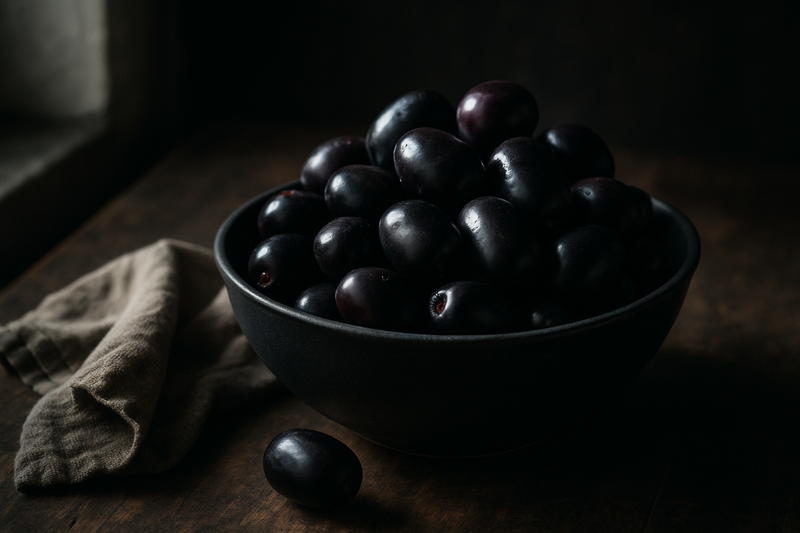
Java Plum · Photograph
Discover java plum (jamun) health benefits, nutrition facts, and evidence on blood sugar, antioxidants, and heart health. Learn how to eat this tart-sweet purple fruit safely, what the research actually shows, and who should take extra care with jamun seed powder or extracts.
Key Nutrients
% Daily Value based on 2,000 cal diet
Key active compounds in java plum
- Anthocyanins — The pigments behind jamun's deep purple-black colour. These flavonoids (a type of plant polyphenol) act as antioxidants, may support vascular (blood vessel) health, and show anti-inflammatory effects in laboratory and animal studies.
- Quercetin and myricetin — Flavonoids that may help modulate enzymes involved in carbohydrate digestion and blood vessel function. Preclinical research suggests potential roles in metabolic and cardiovascular health.
- Ellagic acid — A phenolic acid (a type of plant antioxidant) found in many berries and fruits, with antioxidant and potential cell-protective properties seen in experimental settings. Human data for jamun specifically is limited.
- Tannins — Astringent polyphenols responsible for jamun's characteristic dry, mouth-puckering sensation. Tannins may have mild antimicrobial effects and traditional anti-diarrheal uses, but high intakes from concentrated preparations could reduce mineral absorption in some people.
- Terpenoids — A broad class of plant compounds contributing to aroma and biological activity, more concentrated in jamun leaves and seeds than in the fresh fruit pulp.
- Vitamin C (ascorbic acid) — A well-studied water-soluble antioxidant that supports immune function, iron absorption, and collagen (the structural protein in skin and connective tissue) production.
Prep and pairing ideas
The classic way: fresh with a pinch of salt Rinse ripe jamun, pop them in your mouth, and spit the seed. A tiny pinch of rock salt or black salt (kala namak) is the most traditional way to eat them — it enhances the fruit's sweet-tart flavour and reduces the intensely astringent edge. This is the simplest and arguably best way to enjoy jamun.
Jamun with yogurt or plant-based kefir The tartness of jamun pairs beautifully with the creaminess of plain yogurt (dairy or coconut-based). Mash a handful of fruits, stir them into yogurt, and you have a probiotic-rich snack loaded with anthocyanins and calcium. The live cultures in yogurt and the polyphenols in jamun may support a healthy gut microbiome (the community of microorganisms living in your digestive tract).
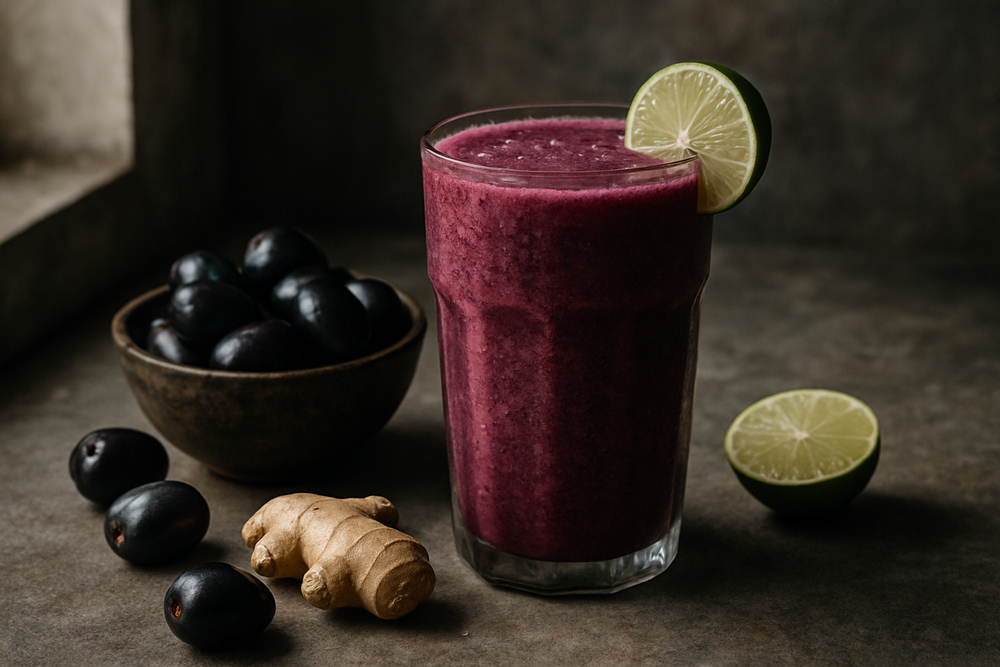
Jamun blended into a smoothie with ginger and lime Blend fresh jamun pulp (seeds removed) with a thumb of fresh ginger, the juice of half a lime, and a cup of water or coconut water for a bright, antioxidant-rich drink. Ginger adds anti-inflammatory gingerols; lime adds more vitamin C and helps cut through the astringency. This is a great way to use very ripe, slightly soft jamun.
Jamun over oatmeal Scatter a handful of fresh jamun over a bowl of warm oats in place of processed jam or syrup. The natural tartness contrasts nicely with oatmeal's creaminess, and you get fibre from both the fruit and the oats — a powerful combination for slow, steady energy release.
Bottom line
Java plum (jamun) is a genuinely impressive seasonal fruit — nutrient-dense, low in calories, rich in anthocyanins, and with a flavour unlike anything else. Eaten fresh with a pinch of salt, it is one of the most enjoyable ways to add antioxidants and a modest iron boost to a plant-based diet.
The evidence picture is nuanced. Jamun seed powder has shown real, though modest, benefits for blood sugar and blood lipids in small clinical trials — but those trials used a pharmacologic dose as an adjunct to existing diabetes drugs. The fresh fruit has not been tested in controlled trials for glycemic outcomes, and jamun leaf tea appears to have no clinically meaningful effect on blood sugar.
In practical terms: enjoy fresh jamun freely when it is in season, explore the yogurt and smoothie pairings, and appreciate it for the whole-food treasure it is. If you are managing diabetes and curious about seed powder supplements, that is a conversation to have with your doctor — not a decision to make based on social media.
Interested in how seasonal fruits like jamun fit into a broader food-as-medicine approach? Explore ingredient guides by health goal at /goals.
How Java Plum Compares
| Compared with | What's different |
|---|---|
| Java Plum vs. Black Grape | Jamun is smaller, tart, and highly astringent, while black grapes are sweeter with thin, non-binding skin. |
| Java Plum vs. Damson Plum | Damson plums are rounded and sweet-tart, whereas Java plums are oblong with a unique mouth-drying effect. |
Health Benefits
Things to Know
Staining is normal and harmless.: Jamun's anthocyanins will stain your mouth, tongue, and fingers a distinctive blue-purple. This fades within one to two hours and is not harmful.
Discard the seed.: The single large seed inside each fruit is not eaten. It is used in seed powder supplements (a processed form), but whole seeds should not be chewed or swallowed.
Diabetes medications.: If you take oral blood-sugar-lowering drugs (such as metformin, sulfonylureas like glyburide, or DPP-4 inhibitors) or insulin, jamun seed powder or concentrated extracts may add to their effect and raise hypoglycemia risk. Fresh fruit at typical amounts is lower risk but still worth mentioning to your healthcare team.
Pregnancy and breastfeeding.: Fresh jamun fruit at normal food amounts has a long history of traditional use and is generally considered safe. Concentrated supplements (seed powder, extracts) have limited human safety data in pregnancy — approach these with caution and seek medical advice first.
Children.: The fresh fruit is fine for children at age-appropriate portions. Seed powder or concentrated extracts are not well studied in children and should be avoided unless specifically directed by a health professional.
Kidney or liver conditions.: Long-term use of concentrated jamun extracts has not been well studied in people with kidney or liver disease. If you have either condition, check with your doctor before using any supplement form.
Antiplatelet or anticoagulant medications.: Concentrated polyphenol preparations may theoretically influence platelet function; this is precautionary and not yet clearly established with jamun specifically, but worth mentioning to your prescriber.
Gastrointestinal sensitivity.: If you are prone to constipation or have irritable bowel syndrome, introduce jamun gradually. The tannins can occasionally aggravate symptoms in sensitive individuals, especially from concentrated preparations.
Timing.: Traditional practice often involves eating jamun fresh, sometimes on an empty stomach or as a snack. There is no strong evidence that a specific time of day significantly affects outcomes.
Glossary
Shop This Ingredient
Stock your pantry with quality java plum.
Buy on AmazonAs an Amazon Associate, Plantopedia earns from qualifying purchases. This costs you nothing extra and helps us keep the encyclopedia free.
Frequently Asked Questions
Heart and circulation Jamun's anthocyanins and flavonoids are thought to support cardiovascular health by reducing oxidative stress on blood vessel walls and potentially improving how blood vessels dilate (widen). A clinical trial in adults with type 2 diabetes found that jamun seed powder improved blood lipid markers — including cholesterol and triglyceride levels — alongside better blood sugar control. However, this was a seed powder study, not a whole-fruit trial. As a fresh fruit, jamun fits neatly into a heart-healthy, fruit-rich dietary pattern: it is low in calories, provides potassium (which helps regulate blood pressure), and delivers antioxidants. Specific heart disease endpoints like blood pressure reduction or cardiovascular events have not been robustly studied with jamun alone, so heart-health benefits should be framed as plausible and in-line with a good fruit-rich diet — not proven by jamun specifically. Digestive health and gut function Jamun provides dietary fibre and organic acids that may support normal bowel regularity in the same way as other whole fruits. Its astringency (the dry, slightly puckering sensation from tannins) has traditionally been used to ease mild diarrhoea. At typical food amounts, it acts as a decent fibre source supporting general digestive comfort. Worth knowing: high amounts of tannin-rich preparations — concentrated extracts or very large quantities of fruit — could have the opposite effect and cause constipation or mild gastrointestinal discomfort in sensitive people. Eating the fruit in normal food quantities is unlikely to cause this. Blood sugar and metabolism This is the area with the most human clinical data, so it deserves careful reading. A double-blind randomised controlled trial (a rigorous type of research study where neither participant nor researcher knows who gets the active treatment) in 99 adults with poorly controlled type 2 diabetes found that 10 g of jamun seed powder taken twice daily before meals — added to existing diabetes medications — modestly improved blood sugar markers over 90 days compared to placebo. A separate trial testing jamun leaf tea (2 g of dried leaves per litre of water, used as a drinking water substitute for 28 days) found no meaningful change in blood sugar. This is a useful reminder that different parts of the plant, prepared in different ways, behave very differently in the body. For the fresh fruit: it has a relatively low glycemic index, contains fibre that slows sugar absorption, and provides polyphenols that may gently support insulin sensitivity. But no controlled human trial has specifically tested whether eating fresh jamun fruit alone improves blood sugar outcomes. Treat the fresh fruit as a smart, low-glycemic fruit choice — not as a blood sugar treatment. Inflammation and oxidative stress Jamun's rich polyphenol profile — particularly its anthocyanins and ellagic acid — shows meaningful antioxidant and anti-inflammatory activity in laboratory and animal models. These compounds can dampen inflammatory signalling pathways and reduce markers of oxidative stress in preclinical (test tube and animal) research. However, robust human trials measuring inflammatory biomarkers like C-reactive protein (a marker of inflammation in the blood) after jamun consumption are still lacking. Eating the fresh fruit contributes to your overall antioxidant intake, which supports good metabolic health generally — but targeted anti-inflammatory claims remain premature.
The plant-based eater seeking more dietary iron Plant-sourced (non-heme) iron is less easily absorbed than iron from meat, so every little bit counts. Jamun delivers a meaningful 8% of daily iron per 100 g — uncommon for a fruit. Its own vitamin C content naturally aids absorption of that iron in the same serving. The person managing blood sugar who wants smarter fruit choices Jamun's low glycemic index means it raises blood sugar gently compared to many sweet tropical fruits. The whole fruit provides fibre, which further slows sugar absorption. It satisfies a craving for something sweet and tart without a dramatic blood sugar spike. Note: if you are considering jamun seed powder as a supplement alongside diabetes medication, discuss this with your doctor first given the potential for additive blood-sugar-lowering effects.
Fresh whole fruit (best for most people) Eating ripe jamun fresh, with the skin on and seed discarded, is the most natural and well-rounded way to benefit from the full package of fibre, vitamins, polyphenols, and flavour. This is the whole-food choice recommended for general health. Fresh juice or blended pulp Blending jamun preserves most nutrients and polyphenols. Straining it removes fibre, which slightly reduces its digestive and glycemic benefits. Homemade is far preferable to store-bought versions, which often contain added sugar. Seed powder (supplement form) This is the form studied in clinical diabetes trials and is genuinely more pharmacologic (drug-like) than culinary. If you have type 2 diabetes and are considering seed powder, treat it as a supplement — talk to your doctor first, because it may amplify the blood-sugar-lowering effect of your current medication, increasing hypoglycemia (dangerously low blood sugar) risk. Leaf tea The one randomised trial that tested jamun leaf tea for blood sugar found no benefit. Current evidence does not support using leaf tea for glycemic control. Processed products (jams, sweets, preserves) These typically contain added sugar and have reduced fibre. They do not carry the same nutritional profile as fresh fruit and should be treated as occasional treats, not health foods.
There is no officially established recommended daily amount for java plum as a food. As a practical guide based on the research and traditional use: Fresh whole fruit: Around 100–150 g per day (roughly a generous handful, or about 15–20 individual fruits) is a sensible amount during jamun's short seasonal window. This provides meaningful anthocyanins and vitamin C without overconsumption of tannins or natural sugars. Start low if you are new to jamun. If you have never eaten it before, begin with a small handful (50 g or about 8–10 fruits) and see how your digestive system responds over a few days before increasing. Some people find the astringency takes getting used to. Jamun seed powder (supplement): The clinical trial that showed blood sugar benefits used 10 g twice daily before meals for 90 days, always alongside standard diabetes medications and under medical supervision. This is a therapeutic dose, not a culinary one — do not self-prescribe. Juice: If drinking fresh jamun juice, one small glass (around 120–150 ml of unstrained pulp) is a reasonable serving. Avoid straining if you want to keep the fibre. Seasonality note: Jamun has a short season (typically May to August in South Asia) and is highly perishable. Outside of this window, frozen jamun pulp is the closest alternative to fresh; seed powder supplements are a separate, more pharmacologic category altogether.
Quick Answers
Common questions, answered in a line.
Eating fresh java plum (jamun) with a pinch of rock salt or black salt (kala namak) is the most traditional method. This combination enhances the fruit's sweet-tart profile while reducing the intensely dry, mouth-puckering sensation caused by its tannins.
The anthocyanins in java plum will stain your tongue, mouth, and fingers a deep blue-purple, but this is completely harmless. The discoloration typically fades on its own within one to two hours and is not a cause for concern.
While fresh java plum is generally safe, people taking diabetes medications like metformin or insulin should be cautious with concentrated seed powder or extracts. These supplements may increase the risk of hypoglycemia by adding to the effects of blood-sugar-lowering drugs.
Yes, you should always discard the single large seed inside each java plum fruit. While the seeds are processed into medicinal powders, whole seeds should not be chewed or swallowed when consuming the fresh fruit.
Java plum contains several antioxidants, including anthocyanins, quercetin, myricetin, and ellagic acid. These compounds help fight oxidative stress, support vascular health, and may provide anti-inflammatory effects throughout the body.
Fresh java plum is generally considered safe for pregnant and breastfeeding women when consumed in normal food amounts. However, there is limited safety data regarding concentrated seed powders or extracts, so medical advice should be sought before using supplements.
Java plum is a nutrient-dense, low-calorie fruit that provides vitamin C for immune support and a modest boost of iron. It also contains tannins, which have traditionally been used for mild antimicrobial effects and to support digestive health.
For Readers in the USA
Local context — sourcing, seasonality, and regional notes.
In the United States, java plum is primarily grown in the tropical climates of Florida and Hawaii, as well as southern parts of California. Because these trees thrive in USDA Hardiness Zones 10 and 11, they are rarely found in the wild or in home gardens in colder northern states.
You can find fresh java plums at specialized Indian or Asian grocery stores and South Asian farmers markets between May and August. While major chains like Kroger or Safeway rarely carry the fresh fruit, many health food stores and online retailers sell the dried powder or frozen pulp year-round.
In the U.S., java plum is frequently marketed under the names jamun, Indian blackberry, or black plum within South Asian communities. It is important not to confuse it with the common American blackberry, as jamun belongs to the Myrtaceae family and has a distinct large single seed and astringent flavor.
The FDA classifies java plum as a food, but jamun seed powder supplements are not approved to treat or prevent diabetes. While the fruit is a healthy dietary addition, the American Diabetes Association emphasizes that it should not replace prescribed medications or standard medical care.
AI Clinical Review
- Clearly separates evidence for jamun seed powder from fresh fruit, noting that the strongest human data (from randomized controlled trials) involve seed powder used alongside diabetes medications.
- Accurately highlights jamun’s rich anthocyanin and polyphenol profile (plant compounds with antioxidant activity) and positions the fresh fruit as a sensible, low‑calorie, lower‑glycemic choice within a heart‑healthy diet.
- Provides practical guidance on portions (about 100–150 g/day in season) and emphasizes whole fruit or unstrained blends over sugary processed products.
- Flags appropriate cautions around interactions with diabetes therapies and limited safety data for concentrated supplements in pregnancy and other special populations.
- Fresh jamun fruit has not been tested in well‑powered human trials for glycemic endpoints (A1c, fasting glucose) or cardiovascular outcomes; benefits are plausible but not proven.
- Anthocyanin content can vary widely by cultivar, ripeness, and storage, so comparisons to blueberries are indicative rather than definitive.
- Human data on anti‑inflammatory effects (e.g., changes in C‑reactive protein) are limited; most mechanistic support comes from lab or animal studies.
- Long‑term safety and efficacy of seed‑derived supplements, especially beyond 3 months and in diverse patient groups, remain under‑studied.
- Form matters: the diabetes trials used jamun seed powder at 10 g twice daily for 90 days with standard medications. This is a supplement‑level dose—discuss with your clinician to avoid hypoglycemia and drug interactions.
- For most people, whole fruit is the best starting point. If you’re tannin‑sensitive or prone to constipation/IBS, begin with smaller servings and assess tolerance.
- If you are pregnant or breastfeeding, or have kidney/liver disease, prefer the fresh fruit and avoid concentrated extracts/seed powder unless your clinician advises otherwise.
- Juices without pulp have a higher glycemic impact; choose whole fruit or unstrained blends. Discard the seed; staining from the purple pigments is harmless and temporary.
Stains deeply and is astringent; the single seed is not eaten.
References
- USDA FoodData Central — nutrient database for java plum (fdc.nal.usda.gov)
- MyPlate: Fruits — USDA dietary guidance (myplate.gov)
- Double-blind RCT: jamun seed powder on glycemic control and dyslipidemia in type 2 diabetes (jmscr.igmpublication.org)
- RCT: Syzygium cumini leaf tea in type 2 diabetes — Diabetes Care journal (diabetesjournals.org)
- RCT: Syzygium cumini in type 2 diabetes mellitus — PubMed (pubmed.ncbi.nlm.nih.gov)
- Review: Syzygium cumini against diabetes — PubMed (pubmed.ncbi.nlm.nih.gov)
- PMC review: Astounding health benefits of jamun (pmc.ncbi.nlm.nih.gov)
- Acta Scientific: Nutritional composition and mineral content of jamun fruit (actascientific.com)
- Horticulture Journal comprehensive review: Syzygium cumini medicinal and nutritional potential (hortijournal.com)
- PMC: Morphological, biochemical, and molecular insights of Syzygium cumini (pmc.ncbi.nlm.nih.gov)
Know Your Numbers
Eating healthy is a start. Now get to know your biomarkers.
Food changes bloodwork — inflammation, lipids, blood sugar and nutrient status all respond to what you eat. 59 markers from $59.
- Results in 7–10 days at 2,000+ Quest sites
- Licensed provider reviews every result
- One flat price, no membership, HSA/FSA eligible
Educational information only, not medical advice. Panels are ordered and reviewed through our licensed partner; Plantopedia may earn a commission.