Bilberry — health benefits and uses
A European folk remedy for vision and circulation, rich in anthocyanins.
The Short Answer
Bilberries are wild, nutrient-dense berries known for their high anthocyanin content, which supports eye health, blood sugar regulation, and vascular integrity.
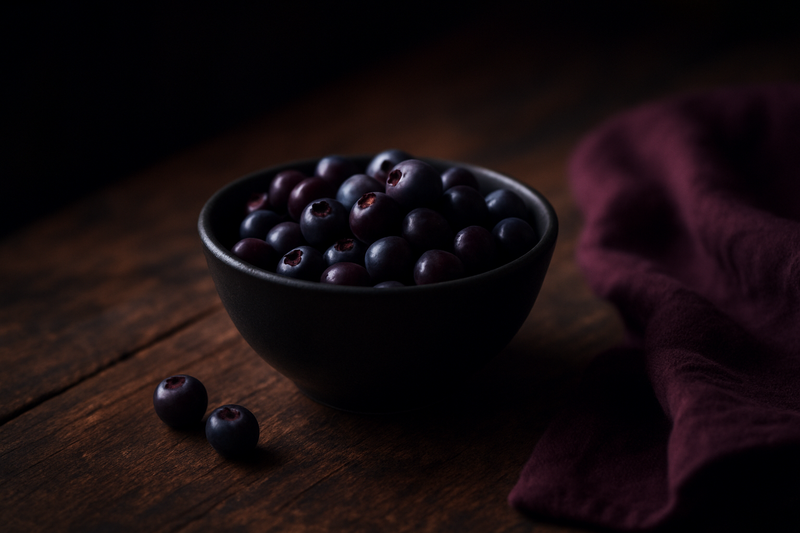
Bilberry · Photograph
Discover the evidence-based bilberry health benefits and side effects, from eye health and antioxidant power to blood sugar support and heart health. Learn how bilberry compares to blueberry, what dosage research supports, and who should be cautious with bilberry supplements.
Key Nutrients
% Daily Value based on 2,000 cal diet
Key active compounds
Bilberry's health-relevant properties are tied to a rich mix of polyphenols (plant compounds with biological activity). Here are the main players:
- Anthocyanins (cyanidin, delphinidin, malvidin glycosides, and others): The signature compounds in bilberry. Present in very high concentrations in both the skin and the flesh. These water-soluble flavonoid pigments drive bilberry's antioxidant, anti-inflammatory, and vasoprotective (blood vessel-protecting) effects. Bilberries typically contain significantly more anthocyanins than cultivated blueberries.
- Flavonols (quercetin, myricetin): A subgroup of flavonoids that contribute to antioxidant defense and help modulate inflammatory pathways. They may work synergistically with anthocyanins.
- Phenolic acids (chlorogenic, caffeic, ferulic acids): Non-flavonoid polyphenols that provide additional antioxidant activity, influence glucose metabolism, and may help shape gut microbiota (the community of microorganisms living in the digestive tract).
- Proanthocyanidins and condensed tannins: Polymeric compounds that create bilberry's characteristic astringency (the dry, puckering sensation). They support vascular integrity and contribute to traditional use of dried bilberry for digestive discomfort.
- Organic acids (ascorbic, malic, citric, quinic acids): Naturally occurring acids that give bilberry its tart flavor and contribute to antioxidant capacity.
Prep and pairing ideas
Bilberries are intensely flavored — more tart and earthy than blueberries — which makes them wonderful in cooked and sweetened preparations. Here are three practical pairings and why they work:
1. Bilberries + oats (porridge or overnight oats) The fiber in oats and bilberries works together to slow glucose absorption, while the anthocyanins add antioxidant punch to a heart-healthy breakfast. Oats' beta-glucan (a soluble fiber with cholesterol-lowering evidence) and bilberry's polyphenols make a nutritionally complementary pairing.
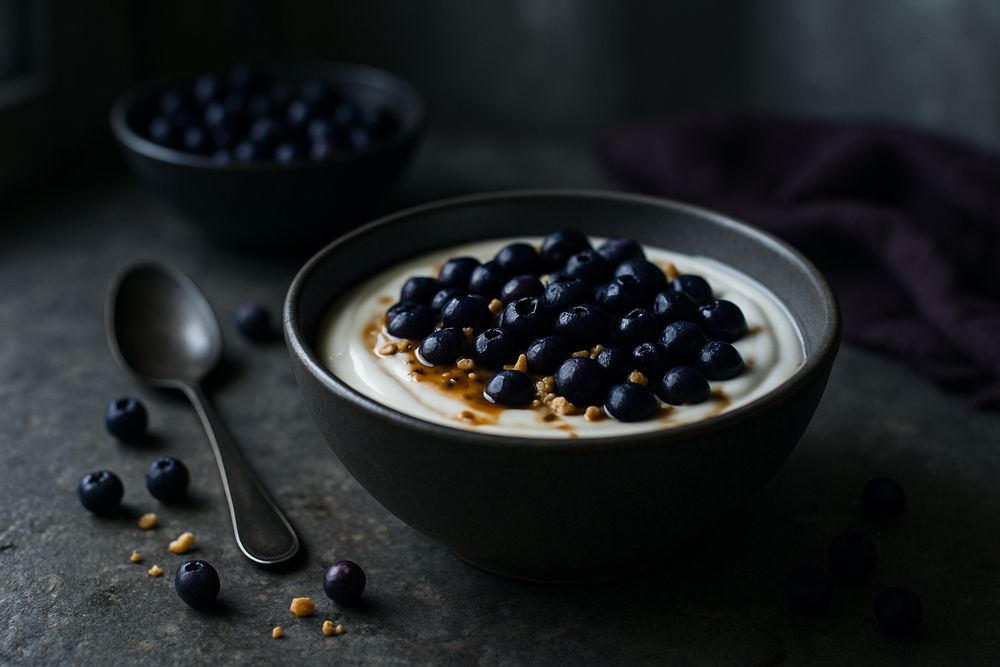
2. Bilberries + plain yogurt or kefir The probiotic bacteria in fermented dairy, combined with bilberry's polyphenols and fiber, create a gut-friendly environment that supports a healthy microbiome. The tartness of bilberry balances the creaminess of yogurt without needing added sugar.
3. Bilberries + dark leafy greens in a smoothie Blending bilberries with spinach or kale adds iron, folate, and vitamin K alongside bilberry's anthocyanins and vitamin C. Vitamin C from bilberries may help enhance plant-based iron absorption — a useful combination for people eating mostly plant foods.
In the kitchen: Use frozen bilberries in tarts, crumbles, compotes, and sauces. Add to pancakes or muffins. Bilberry jam on wholegrain toast is a traditional European staple. For juices, dilute with still or sparkling water to reduce sugar concentration.
Bottom line
Bilberry is a nutritionally impressive wild fruit with one of the highest anthocyanin concentrations found in any edible berry. Human research — while not yet conclusive — suggests that regular bilberry intake or standardized bilberry extract may offer modest benefits for cardiovascular risk markers, low-grade inflammation, postprandial blood sugar, and screen-related eye fatigue. The night vision story, however, is mostly myth.
As a whole food in jams, tarts, juices, or eaten fresh and frozen, bilberry is low-risk and easy to include in a balanced diet. Concentrated supplements carry real interaction risks, particularly with blood thinners and antiplatelet drugs, and should be discussed with your doctor if you take any medications. Like most foods with a strong polyphenol profile, bilberry works best as part of a varied, plant-forward diet rather than as a standalone solution.
If you want to explore how bilberry fits into a broader food-as-medicine approach, browse ingredients and plans organized by your health goals at Plantopedia Goals.
How Bilberry Compares
| Compared with | What's different |
|---|---|
| Bilberry vs. Blueberry | Bilberries are dark red/purple inside, while blueberries have pale green or white flesh. |
| Bilberry vs. Huckleberry | Bilberries have a tarter, earthier flavor and higher anthocyanin levels than the sweeter huckleberry. |
Health Benefits
Things to Know
Blood thinners: Concentrated bilberry extract can inhibit platelet aggregation (the clumping of blood cells that starts clot formation). If you take warfarin, heparin, direct oral anticoagulants (such as apixaban or rivaroxaban), or antiplatelet drugs (aspirin, clopidogrel, ticagrelor), speak to your doctor before using bilberry supplements. Case reports describe rectal bleeding and blood in urine when bilberry extract was combined with blood-thinning medications.
Diabetes medications: Bilberry may modestly affect blood sugar levels. Combined with insulin or oral hypoglycemic drugs (like sulfonylureas), it could theoretically increase the risk of hypoglycemia (blood sugar dropping too low). Monitor blood sugar carefully if you use both.
Bleeding disorders: If you have a history of hemorrhage or a clotting disorder, avoid high-dose bilberry extracts without medical supervision.
Multiple supplements: Combining bilberry with other supplements that affect clotting — garlic, ginkgo, ginger, horse chestnut, turmeric, or willow — may have additive effects on bleeding risk.
CYP3A-metabolized medications: Preliminary pharmacological data suggest potential interactions with drugs metabolized by the liver enzyme CYP3A4, including some statins, immunosuppressants (cyclosporine, tacrolimus), benzodiazepines, and certain antiarrhythmics. Discuss this with your pharmacist if relevant.
Bilberry leaves vs. bilberry fruit: Bilberry leaves are a different matter from the fruit. Taken in high doses or long term, bilberry leaves may be unsafe. Stick to the fruit or standardized fruit extract.
Pregnancy and breastfeeding: Food-level bilberry intake is generally considered low-risk, but high-dose supplements have not been adequately studied in pregnancy or breastfeeding. Default to food amounts and consult your midwife or OB.
Glossary
Shop This Ingredient
Stock your pantry with quality bilberry.
Buy on AmazonAs an Amazon Associate, Plantopedia earns from qualifying purchases. This costs you nothing extra and helps us keep the encyclopedia free.
Frequently Asked Questions
Heart and circulation Several human trials and meta-analyses support a modest cardioprotective role for bilberries. In a study of young adults regularly consuming bilberries, daily intake was linked to reductions in total cholesterol, LDL-cholesterol (often called "bad" cholesterol), and triglycerides (a type of fat in the blood), alongside increases in HDL-cholesterol ("good" cholesterol). An eight-week randomized controlled trial in individuals with features of metabolic syndrome (a cluster of conditions including high blood pressure, excess waist fat, and high blood sugar that together raise heart disease risk) used 400 g per day of fresh bilberries and found reductions in high-sensitivity C-reactive protein, interleukin-6, and interleukin-12 — all markers of low-grade inflammation linked to cardiovascular risk. A 2025 systematic review and meta-analysis focused specifically on Vaccinium myrtillus supplementation concluded that bilberry interventions may improve HbA1c (a measure of long-term blood sugar control) and triglycerides, though effects on other cardiovascular markers were inconsistent across trials. Broader meta-analyses of anthocyanin-rich berries show modest reductions in LDL-cholesterol. Evidence is promising but not conclusive — many trials are small or combine bilberry with other active foods, making it hard to isolate bilberry-specific effects on bilberry benefits for heart and blood pressure. Digestive health and microbiome Whole bilberries provide fiber and tannins that support gut health in complementary ways. Fiber feeds beneficial gut bacteria, while tannins have mild antimicrobial and tissue-tightening properties. Dried bilberry decoctions (preparations made by simmering dried fruit in water) have a long documented history in European herbal medicine for mild diarrhea, and the European Medicines Agency recognizes traditional use of dried bilberry for minor venous circulatory disturbances and related digestive discomfort at food-level doses. Preclinical research (lab and animal studies) shows that bilberry polyphenols can positively shift gut microbiota composition and support the intestinal barrier. Controlled human trials specifically targeting digestive outcomes are limited, so direct evidence for benefits like improved bowel regularity is still emerging. Blood sugar and metabolism This is one of the more actively researched areas for bilberry. In a small but well-designed randomized crossover trial in people with type 2 diabetes managed by diet alone, a single dose of standardized bilberry extract (equivalent to roughly 50 g of fresh bilberries) taken before a glucose challenge significantly reduced the postprandial (after-meal) blood sugar and insulin spike compared with placebo. A four-week double-blind crossover trial using 1.4 g/day bilberry extract in type 2 diabetes patients showed a small reduction in HbA1c, though it did not reach statistical significance compared to placebo. A 2025 meta-analysis found that bilberry supplementation may beneficially influence HbA1c particularly in older adults with type 2 diabetes in longer studies, but results are not uniform and overall evidence for bilberry benefits for blood sugar and diabetes remains preliminary. If you take diabetes medication, do not adjust your dose based on bilberry alone — speak to your doctor first. Inflammation and recovery Bilberry stands out as a dietary anti-inflammatory food. In the eight-week metabolic syndrome trial mentioned above, bilberry consumption lowered several key inflammatory biomarkers (C-reactive protein, IL-6, IL-12) without serious adverse effects. Meta-analyses of anthocyanin-rich berries, including bilberry, support modest reductions in inflammatory markers. Laboratory studies show that bilberry anthocyanins can switch off NF-κB (a molecular "on switch" for inflammation) and reduce oxidative stress in cells. These mechanistic findings are plausible and consistent with the food-level human data, though more large trials are needed. Eye health and visual fatigue Two domains are worth separating here. First, screen-related eye fatigue: a 12-week placebo-controlled trial found that 240 mg/day of standardized bilberry extract improved objective measures of ciliary muscle function (the small eye muscle that controls focusing) and reduced subjective eye strain in people with heavy screen use. This is the most robust human evidence for bilberry benefits for eye health. Second, night vision in healthy people: despite popular belief, a systematic review of placebo-controlled trials found no convincing evidence that bilberry improves normal night vision in healthy subjects. The myth appears to trace back partly to anecdotal World War II accounts about RAF pilots, but rigorous studies do not support it. Bilberry may help tired eyes recover from screen strain — it likely does not give you superhuman night sight.
The honest answer is: it depends on your goal and context. Fresh or frozen bilberries are the most whole-food approach. They deliver fiber, vitamins, and the full spectrum of phytochemicals together — the way nature packages them. Trials using 400 g/day of fresh bilberries produced meaningful anti-inflammatory results. Wild European bilberries are seasonal and not widely available outside Europe, but frozen bilberries retain most of their anthocyanin content and are more accessible. Bilberry in jams, tarts, and juices — traditional preparations — reduce fiber and may concentrate or degrade some polyphenols depending on processing temperature and added sugar. They still deliver anthocyanins, but with less nutritional completeness than whole fruit. If you enjoy bilberry jam or juice as part of a varied diet, that is a reasonable way to include it. Standardized extract capsules allow precise, consistent anthocyanin dosing — important when the research goal is measuring a specific effect. Capsules standardized to 36% anthocyanins have been used in eye fatigue and blood sugar trials. However, concentrated extracts carry higher interaction risks (see safety section below) and strip away the fiber and co-factors present in whole fruit. Bilberry plus grape seed extract combinations have been studied for blood pressure effects and may offer additive benefits, but these formulas are more complex and harder to evaluate for bilberry-specific contributions. Buying guide Choosing bilberry products can feel overwhelming. Here are practical tips: Fresh or frozen whole bilberries: Look for wild-harvested European bilberries (labelled Vaccinium myrtillus, not just "wild blueberry") at specialty stores or online. Frozen is a practical year-round option — no additives needed. Dried bilberries: Check for no added sugar and short ingredient lists. Darker color indicates higher anthocyanin retention. Supplements / extracts: Choose products standardized to anthocyanin content (look for "36% anthocyanins" or similar on the label). Third-party testing seals (USP, NSF, Informed Sport) indicate independent quality verification. Avoid vague "berry blend" products where the bilberry dose is unknown. Bilberry juice: Check for 100% juice with no added sugars, and confirm bilberry (Vaccinium myrtillus) is the primary ingredient, not a minor addition to apple juice.
Dose ranges in research vary considerably by form and health goal. Here is a summary of what human trials have used: Fresh bilberries (food): 50–400 g per day in clinical trials, with 400 g/day used in metabolic syndrome studies for eight weeks. At dietary amounts, there is no established upper limit for healthy adults. Standardized extract (eye fatigue): 240 mg/day standardized to anthocyanin content, taken for 12 weeks in the ciliary muscle trial. Standardized extract (blood sugar, single dose): 0.47 g of extract (standardized to 36% anthocyanins) taken before a meal in a crossover diabetes trial. Standardized extract (blood sugar, ongoing): 1.4 g/day for four weeks in a type 2 diabetes trial. Bilberry plus grape seed extract (blood pressure): 250 mg bilberry extract plus 300 mg grape seed extract daily for 12 weeks. Practical guidance: If you are using whole bilberries as a food, there is no fixed daily dose — enjoy them as part of a varied fruit intake, similar to other berries. If you are considering a bilberry supplement for a specific health goal, start at a lower dose and build up, choose a product with a stated anthocyanin percentage, and discuss the appropriate amount and duration with a healthcare provider — especially if you take any medications. No supplement dose of bilberry has been approved as a treatment for any medical condition.
Quick Answers
Common questions, answered in a line.
Bilberries are characterized by a rich mix of polyphenols, most notably anthocyanins, flavonols like quercetin, and phenolic acids such as chlorogenic acid. These compounds drive the berry's antioxidant, anti-inflammatory, and blood vessel-protecting effects.
Bilberries differ from cultivated blueberries by having significantly higher concentrations of anthocyanins present in both their skin and flesh. They also offer a more tart and earthy flavor profile compared to the sweeter taste of traditional blueberries.
You should consult a doctor before taking bilberry supplements if you use blood thinners, antiplatelet drugs, or medications for diabetes. The extract can inhibit platelet clumping and affect blood sugar levels, potentially causing dangerous interactions with drugs like warfarin or insulin.
Bilberries can be paired with oats to slow glucose absorption or blended with leafy greens to enhance plant-based iron absorption via vitamin C. Another effective pairing is fermented dairy like yogurt, which combines polyphenols with probiotics for gut health.
No, the popular idea that bilberry improves night vision is mostly considered a myth according to modern research. While it may help with screen-related eye fatigue, studies have not confirmed a significant benefit for seeing in the dark.
High-dose bilberry extracts may increase the risk of bleeding, especially for those with clotting disorders or those taking supplements like garlic, ginger, or turmeric. There is also a risk of hypoglycemia if combined with diabetes medications.
Bilberry leaves may be unsafe if taken in high doses or over a long period. It is recommended to stick to the fruit or standardized fruit extracts rather than using the leaves for health purposes.
For Readers in the USA
Local context — sourcing, seasonality, and regional notes.
True bilberries (Vaccinium myrtillus) are rarely grown commercially in the U.S. because they are wild-harvested in Europe; however, related wild huckleberries grow in the Pacific Northwest and Maine. While not the same species, American huckleberries share similar tart flavor profiles and high antioxidant levels.
Fresh bilberries are difficult to find in U.S. grocery stores like Kroger or Publix, but you can commonly find frozen bilberries, jams, and juices at specialty retailers like Whole Foods or IKEA. Many Americans purchase standardized bilberry extracts at pharmacies like CVS or Walgreens to ensure year-round access to their active compounds.
The FDA regulates bilberry products as dietary supplements rather than drugs, meaning they are not reviewed for safety or effectiveness before they are marketed. To ensure quality in the U.S., look for products with the USP (U.S. Pharmacopeia) or NSF International seal, which verify that the bottle actually contains the ingredients listed on the label.
In the U.S., bilberries are often referred to as 'European blueberries' or 'whortleberries' to distinguish them from the larger, sweeter North American highbush blueberry. While they look similar on the outside, you can identify a true bilberry by its dark red or purple flesh, unlike the pale green interior of standard American blueberries.
AI Clinical Review
- Clearly explains that bilberry is unusually rich in anthocyanins (the pigments with antioxidant and anti‑inflammatory activity) and distinguishes it from cultivated blueberries.
- Summarizes human data showing modest improvements in cardiometabolic markers and inflammation with food-level intakes, while avoiding disease‑treatment claims.
- Accurately separates evidence for eye benefits: supportive data for screen‑related eye fatigue with standardized extracts, but little to no benefit for normal night vision.
- Emphasizes that form and dose matter (whole fruit vs. standardized extract) and provides realistic dosing ranges used in studies.
- Blood sugar benefits (post‑meal glucose and HbA1c) are promising but come from small, heterogeneous trials; effects likely modest and not a substitute for diabetes care.
- Cardiovascular outcomes (LDL, triglycerides, blood pressure) show inconsistency across trials and meta‑analyses, sometimes confounded by multi‑ingredient formulas.
- Gut and microbiome claims are largely based on preclinical work; well‑controlled human studies targeting digestive outcomes are limited.
- Potential drug‑metabolism interactions (for example via CYP3A4) are suggested mechanistically, but clinical confirmation is sparse.
- Safety: Food‑level intake is low risk for most people; concentrated extracts can inhibit platelet aggregation and may increase bleeding risk, especially with anticoagulants or antiplatelet drugs—check with your clinician.
- Diabetes: Extracts may nudge glucose lower; if you use insulin or oral agents, monitor for hypoglycemia and discuss any supplement use with your care team.
- Dosing and form: Typical study amounts range from 50–400 g/day of whole fruit or standardized extracts around 240 mg/day (eye fatigue) to higher in some trials; choose products that state anthocyanin content and avoid leaf preparations.
- Special populations: Limited data in pregnancy and breastfeeding—prefer food over supplements; those with bleeding disorders or on multiple supplements affecting clotting should seek individualized advice.
May interact with blood thinners in concentrated forms.
References
- USDA FoodData Central — blueberry/bilberry nutrition data (fdc.nal.usda.gov)
- European Medicines Agency herbal assessment — Vaccinium myrtillus fruit (ema.europa.eu)
- NCBI Bookshelf — bilberry monograph including safety and interactions (ncbi.nlm.nih.gov)
- 2025 systematic review and meta-analysis: Vaccinium myrtillus supplementation and cardiometabolic indices (pubmed.ncbi.nlm.nih.gov)
- RCT: bilberry reduces cardiovascular risk factors in young adults (pubmed.ncbi.nlm.nih.gov)
- RCT: bilberry reduces low-grade inflammation in metabolic syndrome (onlinelibrary.wiley.com)
- RCT: standardized bilberry extract modifies glycaemic response in type 2 diabetes (cambridge.org)
- RCT: 12-week bilberry extract improves ciliary muscle function and eye fatigue (mdpi.com)
- Systematic review: bilberry anthocyanosides for night vision — no benefit in placebo-controlled trials (pubmed.ncbi.nlm.nih.gov)
- Meta-analysis: anthocyanin-rich berries, cardiovascular risk and inflammation (frontiersin.org)
Know Your Numbers
Eating healthy is a start. Now get to know your biomarkers.
Food changes bloodwork — inflammation, lipids, blood sugar and nutrient status all respond to what you eat. 59 markers from $59.
- Results in 7–10 days at 2,000+ Quest sites
- Licensed provider reviews every result
- One flat price, no membership, HSA/FSA eligible
Educational information only, not medical advice. Panels are ordered and reviewed through our licensed partner; Plantopedia may earn a commission.