Koji Rice — health benefits and uses
Fermentation and gut-culture angle; explain live-culture, sodium, and heat-treatment differences
The Short Answer
Koji rice is steamed grain inoculated with the mold Aspergillus oryzae, used as a fermentation starter that produces enzymes to break down starches and proteins into umami-rich compounds.
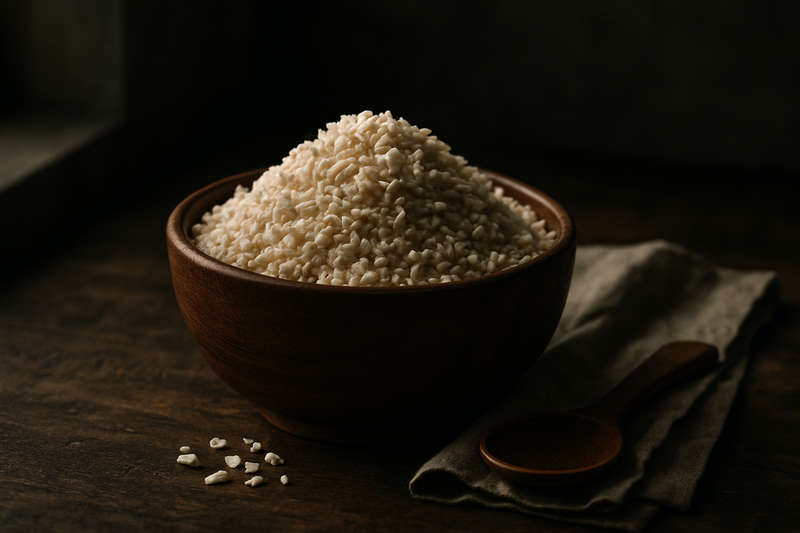
Koji Rice · Photograph
Koji rice is one of the oldest and most versatile fermented ingredients in East Asian cooking — and it is quietly gaining attention in plant-based and gut-health circles worldwide. Made by growing a specific food-safe mold on steamed rice, it is the hidden engine behind miso, soy sauce, sake, and the trendy marinade called shio koji. Scientifically it is produced by the mold Aspergillus oryzae, which colonizes grains and releases a powerful set of enzymes that transform starches and proteins into simpler, more flavorful and more digestible compounds.
Key Nutrients
% Daily Value based on 2,000 cal diet
Key active compounds in koji rice
Aspergillus oryzae is an enzymatic powerhouse. During fermentation, it floods the rice with compounds that do most of the interesting work:
- Bioactive peptides (BAPs): Short protein fragments created when koji enzymes break down rice proteins. In laboratory and experimental studies, BAPs from A. oryzae show antioxidant, anti-inflammatory, and antihypertensive properties. Antihypertensive means they may help support healthy blood pressure.
- Oligosaccharides: Short-chain carbohydrates that resist digestion and can act as food for beneficial gut bacteria like Bifidobacterium, making them a type of prebiotic (food for good gut bacteria, as opposed to probiotics, which are the bacteria themselves).
- Glycosylceramides: Glycolipids (fat molecules with a sugar attached) that experimental research suggests may selectively promote beneficial bacteria and support the gut lining.
- Enzymes — amylases, proteases, lipases: Proteins that break down starches, other proteins, and fats respectively. These are responsible for koji's famous tenderizing and umami-generating effects in cooking and may aid digestibility of the foods they ferment.
Prep and pairing ideas
Koji rice is one of the most approachable fermented ingredients to start cooking with. Here are three practical pairings that highlight different aspects of its benefits:
1. Shio koji + root vegetables (carrots, parsnips, sweet potato) Toss 1–2 tablespoons of shio koji with chopped root vegetables and roast. The proteases and amylases in koji break down surface proteins and starches, producing deep caramelization and umami. The natural sweetness of the vegetables is enhanced without added sugar.
2. Dried rice koji + oats or porridge (amazake style) Blend a small amount of softened dried koji into warm (not boiling) cooked oats or rice porridge and let it rest for 20–30 minutes before serving. The enzymes gently sweeten the grains. This is a simplified home version of amazake — naturally sweet, no added sugar, and enzymatically active if you keep the temperature below about 60°C (140°F) to preserve enzyme function.
3. Shio koji + tofu or tempeh marinade Marinate firm tofu or tempeh slices in shio koji for 2–6 hours before pan-frying or grilling. The proteases tenderize the protein surface and build complex savory flavor. Pair with a simple salad or greens — the umami from koji reduces the need for salty dressings elsewhere in the meal.
How Koji Rice Compares
| Compared with | What's different |
|---|---|
| Koji Rice vs. Cooked White Rice | Koji is rice inoculated with mold for fermentation, whereas cooked rice is plain and uncultured. |
| Koji Rice vs. Miso Paste | Miso is a fermented paste made from koji and soybeans, whereas koji rice is the grain starter itself. |
| Koji Rice vs. Tempeh | Tempeh is fermented with Rhizopus oligosporus for texture, while koji uses Aspergillus oryzae for enzymes. |
Health Benefits
Things to Know
Sodium load: Shio koji, miso, and soy sauce are all relatively high in sodium. People with hypertension (high blood pressure), heart failure, or chronic kidney disease should account for this carefully.
Not the same as red yeast rice: Koji rice (A. oryzae) and red yeast rice (Monascus purpureus) are completely different products. Red yeast rice can contain monacolin K, a naturally occurring compound similar to the prescription cholesterol drug lovastatin, and can interact with statin medications. Koji rice does not share this property or this risk.
Mold allergies: Because koji involves growing Aspergillus oryzae on grain, people with known mold allergies or sensitivities should use caution and consult a doctor.
Gluten and celiac disease: Koji grown on rice in a dedicated gluten-free facility is naturally gluten free. However, wheat-based or barley-based koji exist, and cross-contamination is possible. Always read the label.
Soy allergy: Miso and many koji-fermented sauces are soy-based. If you have a soy allergy, choose soy-free koji products (pure rice koji, amazake, or shio koji without soy).
Pregnancy and immune compromise: Home-fermented koji made without strict hygiene and temperature control carries a theoretical contamination risk. Commercial products with consistent quality control are a safer option.
Antihypertensive medications: High-sodium koji condiments used in large amounts may affect blood pressure control. Discuss with your clinician if you are on medication for blood pressure.

Shop This Ingredient
Stock your pantry with quality koji rice.
Buy on AmazonAs an Amazon Associate, Plantopedia earns from qualifying purchases. This costs you nothing extra and helps us keep the encyclopedia free.
Frequently Asked Questions
The honest answer is: most of the human evidence involves foods made with koji rather than rice koji eaten on its own. Here is what the research currently supports, broken down by health area. Heart and circulation The most convincing human data comes from randomized controlled trials (RCTs — studies that randomly assign people to a treatment or control group, considered the gold standard in nutrition research) on koji-fermented foods. One RCT found that 34.5 g per day of a koji-fermented chili paste (kochujang) for 12 weeks significantly reduced total serum cholesterol in people with high cholesterol, with a within-group drop of about 21 mg/dL. A separate crossover trial using a fermented soy product (25 g per day for 12 weeks) reported reductions in total cholesterol and LDL cholesterol (often called "bad" cholesterol). These results are genuinely promising, but important caveats apply: both studies tested complex fermented foods — not plain rice koji — and the other ingredients in those foods (soy, chili, salt) may share credit for the effects. The likely mechanism involves bioactive peptides and oligosaccharides influencing lipid metabolism and the gut microbiota. It is accurate to say koji-fermented foods may support healthy cholesterol levels, but overclaiming that plain koji rice guarantees those effects would go beyond what the data shows. Digestive health and microbiome This is where koji's enzymatic activity is most directly relevant. The amylases, proteases, and lipases produced by A. oryzae actively break down carbohydrates, proteins, and fats, which may make nutrients in the foods koji touches more bioavailable (bioavailable means able to be absorbed and used by the body). Oligosaccharides and glycosylceramides from koji fermentation have been shown in experimental models to selectively feed beneficial bacteria, suggesting a prebiotic-like role. However, a critical distinction applies here: fermented does not automatically mean probiotic. Many koji-based products — shio koji marinades, cooked miso soup, commercially bottled soy sauce — are heated, heavily salted, or pasteurized in ways that reduce or eliminate live microbial cultures. The digestive benefits are more likely attributable to enzymes and postbiotics (health-beneficial compounds produced by or from microbes, even without live bacteria present) than to live probiotic organisms. Broader research on fermented foods as a dietary pattern shows associations with modest improvements in gut diversity and immune markers, but specific human clinical trials isolating rice koji's microbiome effects are still limited. Blood sugar and metabolism Fermentation does alter the starch structure of rice, and some culinary sources suggest koji rice may have a more moderate effect on blood sugar than refined sweeteners. The enzymatic conversion of starches to simpler sugars changes the texture and fermentability of the grain. Human trials on koji-fermented foods show lipid and body composition improvements that hint at broader metabolic effects. That said, direct human glycemic index data for rice koji does not yet exist in the literature. Rice — even fermented — is primarily a carbohydrate source. If blood sugar management is a priority for you, it is more appropriate to think of koji rice as a flavor enhancer that fits within a balanced diet rather than as a proven glucose-control ingredient. Inflammation and recovery A. oryzae fermentation generates bioactive peptides that show antioxidant and anti-inflammatory activity in cell and animal studies. The anti-inflammatory case for koji is mechanistically plausible, but clinical human trials specifically measuring inflammatory markers after rice koji consumption are limited. Most human data focus on lipids and body composition. Frame koji rice as a potential source of antioxidant and bioactive compounds, rather than as a clinically proven anti-inflammatory treatment.
Koji rice comes in several practical forms, and the "best" option depends on what you want to use it for. Dried rice koji (kome-koji): Whole or crumbled dried grains. Most versatile — use it to make your own shio koji, amazake, or miso at home, or blend into marinades. Enzymatic activity is preserved. Typically the least processed option. Shio koji (salt koji): A paste or wet mix of rice koji, salt, and water. Ready to use as a marinade, brine, or seasoning. Hugely convenient and delivers both umami and tenderizing effects, but contributes notable sodium — often 10–13% salt by weight. One tablespoon can contain 500–900 mg of sodium, so factor this into your daily sodium budget. Amazake: A naturally sweet, low- or non-alcoholic drink made by fermenting rice with koji. Enzymatically sweet (no added sugar needed) and nourishing. Sometimes marketed as a probiotic beverage, but microbial viability depends heavily on whether it has been pasteurized after fermentation. Koji-fermented condiments (miso, soy sauce, kochujang variants): Complex foods where koji acts on other substrates like soybeans or chili. Most of the human trial data on koji's cardiometabolic effects comes from these products. Higher in sodium and often pasteurized. For flavor and enzyme activity with the lowest processing: dried rice koji or fresh shio koji (made from quality dried koji) are solid first choices.
There is no formally established recommended daily intake for koji rice as a standalone ingredient. Here is what the available evidence and practical guidance suggest: In cooking: 1–2 tablespoons of shio koji per dish is typical. Used this way, koji contributes a meaningful amount of enzymatic and umami activity without excessive sodium if the rest of the meal is relatively low in salt. In human trials: Studies that showed lipid-lowering effects used approximately 25–35 g per day of a koji-fermented product (a complex food like fermented kochujang or soy) over 12 weeks. This is not a dose recommendation for plain rice koji. Start low if new to fermented foods: Some people experience mild digestive adjustment — bloating or changes in stool — when increasing fermented food intake. Starting with small amounts (1 teaspoon) and building up over 1–2 weeks is a sensible approach. Sodium arithmetic matters: One tablespoon of shio koji (15 g) typically contains 600–900 mg sodium. The American Heart Association recommends no more than 2,300 mg sodium per day for most adults, with an ideal target around 1,500 mg for those with elevated blood pressure. Plan accordingly.
Quick Answers
Common questions, answered in a line.
Koji rice is a fermented grain produced by inoculating steamed rice with the food-safe mold Aspergillus oryzae. This process releases powerful enzymes that break down starches and proteins, making the grain a fundamental building block for miso, sake, and soy sauce.
Koji rice contains enzymes, bioactive peptides, and oligosaccharides that may support gut health and offer antioxidant properties. Its enzymes help pre-digest starches and proteins, while its oligosaccharides act as prebiotics to feed beneficial gut bacteria like Bifidobacterium.
Koji rice and red yeast rice are completely different products made from different types of mold. While koji rice uses Aspergillus oryzae, red yeast rice uses Monascus purpureus and contains compounds similar to cholesterol-lowering statin medications.
Koji rice is naturally gluten-free if it is grown on rice in a dedicated facility, but you must check labels for potential cross-contamination. Some koji is grown on barley or wheat, which would contain gluten and be unsafe for those with celiac disease.
You can use shio koji as a marinade for tofu or tempeh to tenderize the protein and enhance savory umami flavors. It is also excellent for roasting root vegetables or blending into warm porridge to naturally sweeten the grains through enzymatic action.
Koji rice is generally safe, but its fermented derivatives like miso and shio koji are often high in sodium. People with hypertension, heart failure, or kidney disease should monitor their intake, and those with mold allergies should exercise caution.
For Readers in the USA
Local context — sourcing, seasonality, and regional notes.
You can find dried koji rice at major U.S. retailers like Whole Foods Market, through online specialists like South River Miso, or at local H-Mart and Mitsuwa Marketplace locations. Many American consumers also purchase "Shio Koji" (liquid or paste form) in the international or condiment aisle of well-stocked grocery chains.
The FDA classifies Aspergillus oryzae, the fungus used to make koji rice, as Generally Recognized as Safe (GRAS) for use in food processing and fermentation. This classification ensures that koji-based products like miso and shio koji meet rigorous U.S. food safety standards for commercial sale.
Commonly sold brands in the U.S., such as Cold Mountain or Marukome, offer USDA Organic certified koji rice made from California-grown medium grain rice. Choosing USDA Organic labels ensures the rice was grown without synthetic pesticides and the fermentation process follows strict federal organic regulations.
American chefs and home cooks use shio koji as a "clean label" alternative to MSG or heavy salt, often applying it to grilled meats, roasted root vegetables, and even sourdough bread. In the U.S., it is increasingly popular in professional kitchens in cities like San Francisco, New York, and Portland as a natural flavor enhancer and tenderizer.
AI Clinical Review
- Clearly explains what koji rice is (rice inoculated with Aspergillus oryzae) and why its enzymes drive flavor and tenderizing effects.
- Sets appropriate expectations: most human data involve foods fermented with koji (e.g., miso, soy sauce, kochujang), not plain rice koji itself.
- Accurately notes that many koji-based products are not “probiotic” once heated or pasteurized; likely benefits relate to enzymes and postbiotics (beneficial compounds made by microbes even when they’re not alive).
- Provides practical sodium context for shio koji and other condiments and differentiates koji rice from red yeast rice, which can have statin-like compounds.
- Cardiometabolic benefits: small randomized trials suggest lipid improvements with certain koji-fermented foods, but these results can’t be assumed for rice koji alone or for all products.
- Glycemic impact: no direct human glycemic index or post-meal glucose data for rice koji; any effects remain theoretical.
- Microbiome claims: prebiotic and gut-lining effects are supported mainly by lab/animal work; human trials isolating rice koji’s contribution are limited.
- Anti-inflammatory effects: bioactive peptides show promise in experimental models, but clinical studies measuring inflammation markers after rice koji intake are scarce.
- Sodium matters: 1 tablespoon of shio koji can deliver roughly 600–900 mg sodium. Those with hypertension, heart failure, or chronic kidney disease should budget sodium carefully and discuss with a clinician if on blood-pressure medications.
- Allergies and intolerances: consider mold allergies; many koji-fermented foods contain soy; and gluten cross-contact is possible unless the product is rice-based and certified gluten free.
- Safety for home fermentation: during pregnancy or if immunocompromised, prefer reputable commercial products and strict hygiene to lower contamination risk.
- Practical use and tolerance: there’s no established “dose.” Culinary amounts (about 1–2 tablespoons shio koji per dish, or small portions of dried kome‑koji) are typical; start small if new to fermented foods to minimize bloating or GI changes.
Fermented does not always mean probiotic; note sodium and live/active culture differences.
References
- PubMed — Effects of Aspergillus oryzae-derived rice-koji protein on the sake metabolome (pubmed.ncbi.nlm.nih.gov)
- PMC, National Library of Medicine — Metabolite Profiling and Anti-Aging Activity of Rice Koji Fermented with Aspergillus oryzae and Aspergillus cristatus: A Comparative Study (pmc.ncbi.nlm.nih.gov)
- PubMed — Rice koji reduced body weight gain, fat accumulation, and blood glucose level in high-fat diet-induced obese mice (pubmed.ncbi.nlm.nih.gov)
- PubMed — Changes in selected physical property and enzyme activity of rice and barley koji during fermentation and storage (pubmed.ncbi.nlm.nih.gov)
- PMC, National Library of Medicine — Invasive growth of Aspergillus oryzae in rice koji and increase of nuclear number (pmc.ncbi.nlm.nih.gov)
- PMC, National Library of Medicine — Effect of rice koji levels on the physicochemical and sensory aroma profiles of doenjang (pmc.ncbi.nlm.nih.gov)
Know Your Numbers
Eating healthy is a start. Now get to know your biomarkers.
Food changes bloodwork — inflammation, lipids, blood sugar and nutrient status all respond to what you eat. 59 markers from $59.
- Results in 7–10 days at 2,000+ Quest sites
- Licensed provider reviews every result
- One flat price, no membership, HSA/FSA eligible
Educational information only, not medical advice. Panels are ordered and reviewed through our licensed partner; Plantopedia may earn a commission.