Matki (Whole Moth Bean) — health benefits and uses
A hardy Western Indian pulse eaten sprouted for everyday strength.
The Short Answer
Matki, or moth bean, is a protein-rich legume prized for its high iron content (10.8mg) and folate. It is most commonly sprouted and sautéed into usal or used as the base for spicy maharashtrian misal.
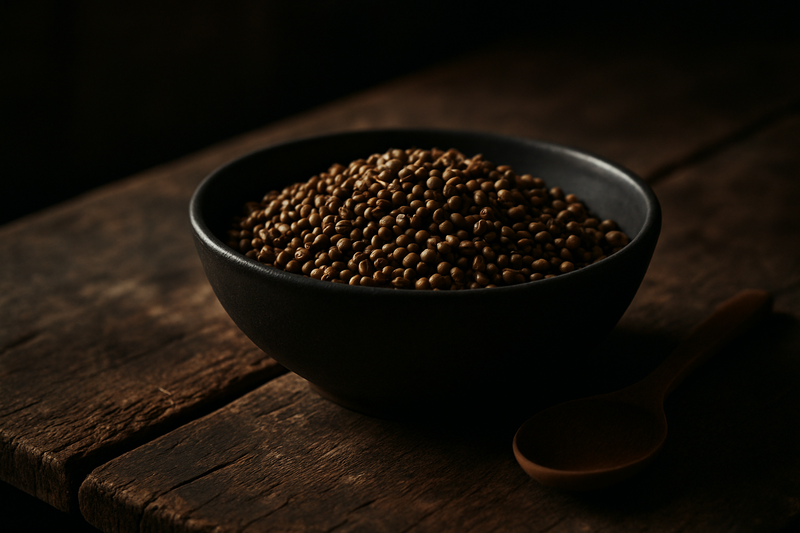
Matki (Whole Moth Bean) · Photograph
Discover the matki moth beans health benefits: high plant protein, iron, folate, and fiber in a tiny drought-hardy pulse. Learn how to sprout, cook, and use matki in usal and misal pav, plus safety tips for everyday eating.
Key Nutrients
% Daily Value based on 2,000 cal diet
Key active compounds in matki
- Phenolic acids — A broad family of plant-derived antioxidant molecules. Moth bean seeds contain measurable phenolic content that, in laboratory and animal studies, shows free-radical scavenging activity.
- Flavonoids — A sub-group of polyphenols (plant pigments and signaling molecules) linked to antioxidant and anti-inflammatory effects in experimental models.
- Dietary fiber and oligosaccharides — Non-digestible carbohydrate fractions, including resistant starch and short-chain sugars that reach the colon and feed beneficial gut bacteria. Some oligosaccharides also cause gas — reduced by soaking and sprouting.
- Resistant starch — A starch fraction that resists digestion in the small intestine and acts more like fiber, supporting slower glucose release.
- Plant protein and essential amino acids — Moth bean's protein profile complements cereal grains; eaten together (rice and matki usal, for example), the two foods cover most essential amino acids your body cannot make on its own.
Prep and pairing ideas
Classic sprouted usal: Soak dry matki overnight, drain, wrap in a damp cloth for 24–36 hours until small tails appear. Sauté mustard seeds, curry leaves, onion, ginger, garlic, and green chilli. Add the sprouts with a little water, turmeric, coriander powder, and salt. Cover and cook 10–12 minutes until tender. Finish with lemon juice and fresh coriander.
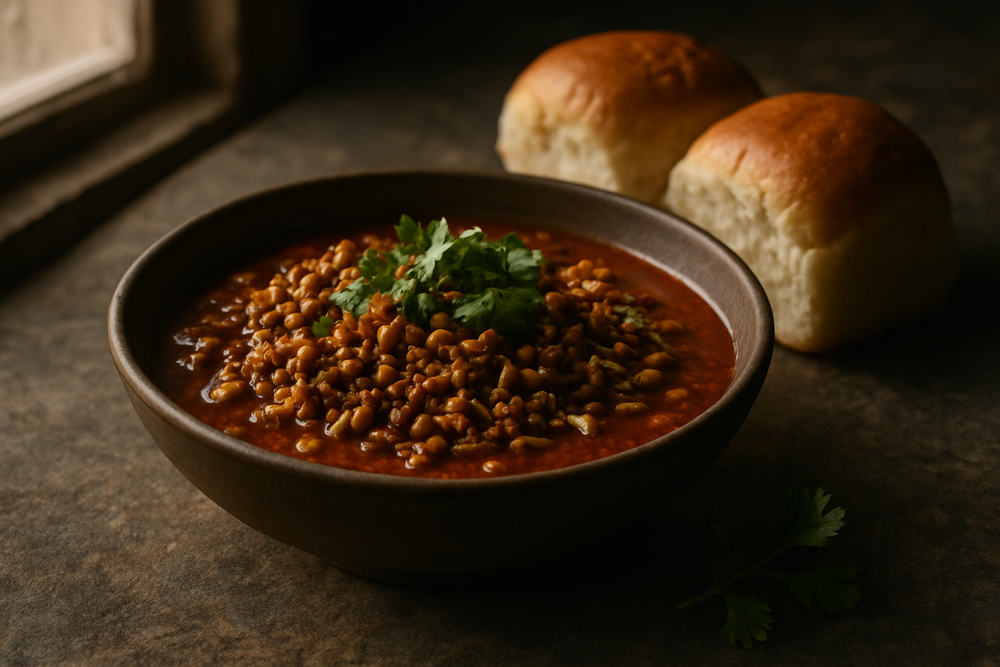
Misal pav topping: Use the usal above, top with thin sev (crispy chickpea noodles), chopped onion, lemon, and coriander. Serve with buttered pav rolls.
Simple protein salad: Pressure-cook dry matki until just tender (not mushy). Toss warm with diced cucumber, cherry tomatoes, grated raw mango, lime juice, chaat masala, and a pinch of chilli. The raw mango and lime provide vitamin C to boost iron absorption.
Bottom line
Matki is a nutrient-dense, affordable, and culinarily flexible pulse that fits naturally into whole-food plant-based eating. Its standout qualities are its plant protein content, exceptionally high iron and folate, and low-glycemic carbohydrate profile. Most of its likely health benefits — for heart health, blood sugar, digestion, and inflammation — are supported by a combination of its nutritional composition and the broader evidence base on legumes, rather than large moth-bean–specific human trials. That said, the evidence for legumes as a food group is among the most consistent in nutritional science.
Eat it sprouted in misal pav, pressure-cooked in a spicy usal, or tossed into a protein salad. Soak it well, cook it thoroughly, and pair it with something vitamin C–rich. Small, brown, and unassuming — matki quietly does a lot.
Looking to match matki with other evidence-informed ingredients? Browse our plant protein and legume goals guide for ideas on building a balanced, pulse-forward eating pattern.
How Matki (Whole Moth Bean) Compares
| Compared with | What's different |
|---|---|
| Matki (Whole Moth Bean) vs. Mung Bean | Moth beans are smaller, earthier, and hold their shape better during long cooking or sprouting. |
| Matki (Whole Moth Bean) vs. Lentil | Moth beans provide significantly more iron (10.8mg) and folate per 100g serving. |
Health Benefits
Things to Know
Start small.: If you are new to legumes, introduce matki gradually (start with 2–3 tablespoons cooked) to give your gut bacteria time to adjust and reduce gas and bloating.
Soak and rinse well.: Soaking dry beans for 6–8 hours and discarding the soaking water before cooking removes water-soluble oligosaccharides that cause gas.
Cook thoroughly.: Undercooked beans retain antinutritional factors that can cause digestive discomfort. Pressure cooking is the most reliable method.
Kidney disease caution.: Matki is very high in potassium (a mineral important for heart and muscle function). People with chronic kidney disease or anyone on a potassium-restricted diet should check with their clinician before eating it regularly.
Medication interactions.: If you take ACE inhibitors, ARBs, or potassium-sparing diuretics (common blood pressure and heart medicines), extra dietary potassium from frequent moth bean meals may need monitoring. Speak to your pharmacist or doctor.
Iron supplements.: Matki's iron content is substantial; if you also take iron supplements or have a condition involving iron excess (like hemochromatosis), factor this into your total intake.
Pregnancy and sprout safety.: Pregnant people and those with weakened immune systems should fully cook matki sprouts rather than eating them raw, due to higher vulnerability to foodborne infection.
Legume allergy.: If you have a known allergy to other beans or pulses, introduce matki cautiously and seek guidance from an allergist.
Glossary
Shop This Ingredient
Stock your pantry with quality matki (whole moth bean).
Buy on AmazonAs an Amazon Associate, Plantopedia earns from qualifying purchases. This costs you nothing extra and helps us keep the encyclopedia free.
Frequently Asked Questions
Matki (Vigna aconitifolia) belongs to the same family as mung beans and cowpeas. It is exceptionally drought-tolerant, able to grow in sandy, low-rainfall soils where other crops fail — making it a food-security crop as much as a culinary one. The seeds are small (smaller than a lentil), oval, and range from tan to mottled brown. Their flavor is earthy and mildly nutty, which deepens when toasted or pressure-cooked. Unlike mung bean (which is closely related), matki has a slightly firmer texture even when fully cooked, making it well suited to salads and semi-dry preparations alongside the more familiar soupy dal format.
Heart and circulation Matki's nutritional profile aligns well with heart-healthy eating patterns. It is naturally low in saturated fat and sodium, and rich in dietary fiber, plant protein, and potassium — a mineral that helps counteract the blood-pressure-raising effect of sodium. Research on legumes as a group consistently links higher pulse intake with lower LDL (low-density lipoprotein, the "bad" cholesterol) and improved cardiometabolic risk markers. Moth bean's phenolic and flavonoid compounds may also help reduce oxidative stress — a process where unstable molecules called free radicals damage cells — which is relevant to long-term cardiovascular health. However, no published randomized human trials have tested moth bean specifically on cardiovascular outcomes, so these benefits remain plausible rather than proven. Digestive health and microbiome Like other legumes, matki contributes dietary fiber that adds bulk to stools and feeds beneficial gut bacteria through a process called fermentation. This prebiotic effect — where non-digestible fibers nourish the community of microbes in your colon — is associated in broader legume research with improved gut diversity and bowel regularity. Sprouting matki activates enzymes that break down some of the oligosaccharides responsible for gas, which may make sprouted matki easier to tolerate than unsprouted beans. Moth-bean–specific microbiome studies in humans have not yet been published, but the general evidence for fiber-rich pulses is solid. Blood sugar and metabolism Matki is considered a low-glycemic food — meaning its carbohydrates are digested and absorbed relatively slowly, producing a more gradual rise in blood glucose compared with refined grains. This is due to its combination of protein, fiber, and complex carbohydrates. Broader legume research shows that substituting beans for refined carbohydrates improves post-meal glucose responses and long-term glycemic markers. No well-controlled human trials have tested moth bean specifically for blood sugar control, but its nutritional composition is consistent with foods recommended for people managing blood sugar. Research suggests matki may be a sensible addition to a balanced diet for people with or at risk of type 2 diabetes — always discuss dietary changes with your doctor or dietitian. Inflammation and recovery Moth bean's phenolic and flavonoid compounds have shown antioxidant and anti-inflammatory activity in laboratory and animal models. Anti-inflammatory effects in everyday human eating have not been directly tested with moth bean, but higher legume intake is generally associated with lower circulating levels of inflammatory markers like C-reactive protein (CRP) in population studies. This is promising but not yet definitive for matki specifically. Iron, folate, and nutritional support This is arguably where matki shines most clearly. Its iron and folate (vitamin B9) content are exceptionally high relative to most plant foods. Folate is critical for DNA synthesis, cell division, and the prevention of certain neural tube defects during early pregnancy. Iron supports the formation of hemoglobin, the protein in red blood cells that carries oxygen. Both nutrients are commonly insufficient in vegetarian and plant-based diets, making matki a practical and affordable tool for nutritional gaps. Pair it regularly with a vitamin C–rich food to maximize iron absorption.
Sprouted matki is the form most celebrated in Maharashtrian cooking and among people who prioritize digestibility. Sprouting for 24–48 hours measurably increases vitamin C and some B vitamins, activates digestive enzymes, and reduces some gas-forming oligosaccharides. The trade-off is food safety: raw sprouts are a known vehicle for bacteria like Salmonella and E. coli if not handled hygienically. Lightly cooking sprouted matki (a brief sauté or steam) significantly reduces this risk while preserving most nutritional benefits. Pressure-cooked or boiled whole beans are the most practical and safest form for everyday use. Thorough cooking inactivates heat-labile antinutritional factors (compounds in raw legumes that interfere with nutrient absorption or digestion) and reduces gas-producing sugars. This is the form most comparable to what general legume research studies. Dry roasted or flour forms are less common but usable as snacks or in composite flours. Roasting concentrates energy density and changes flavor; nutritional data for moth bean flour specifically is limited. Verdict: For daily use, pressure-cooked whole beans are the most reliable choice. Use sprouted matki for salads and misal pav when you sprout hygienically — rinsing multiple times and keeping the sprouting jar cool and covered. Light cooking of sprouts is a sensible middle ground.
Vegetarians and vegans looking for affordable plant protein and iron Matki delivers roughly 8–9 g protein and a significant hit of iron per 100 g cooked. Its folate content supports red blood cell formation, useful for those at risk of nutritional anemia. Combining matki with rice or bread creates a more complete amino acid profile. People managing blood sugar or metabolic health Matki's slow-digesting carbohydrates, protein, and fiber make it a naturally low-glycemic pulse. Replacing a portion of white rice or refined bread with matki-based dishes can help moderate post-meal glucose rises. Its high fiber also supports satiety, which may help with portion awareness over time.
There is no established clinical dose for matki specifically. General legume research — and traditional Indian dietary practice — points toward roughly ½ to 1 cup of cooked beans per day (equivalent to about 30–85 g dry) as a practical and nutritionally meaningful range. Large legume intervention studies often use about 1 cup (cooked) daily. If you are new to pulses, start with 2–4 tablespoons cooked and increase gradually over 2–4 weeks. This gives your gut microbiome time to adapt, minimizing gas and bloating. There is no evidence that higher amounts (beyond 1½ cups cooked daily) provide extra benefit, and very high intakes may increase potassium load, which is a concern for some individuals. Consistency over time matters more than quantity on any single day.
Quick Answers
Common questions, answered in a line.
Matki contains high plant protein, iron, folate, fiber, and resistant starch, alongside antioxidants like phenolic acids and flavonoids. These compounds support heart health, blood sugar management, and digestive function by feeding beneficial gut bacteria.
To sprout matki, soak the dry beans overnight, drain them, and then wrap them in a damp cloth for 24 to 36 hours until small tails appear. Sprouting helps reduce gas-causing oligosaccharides and prepares the beans for dishes like usal or misal pav.
Yes, people with chronic kidney disease or those on potassium-restricted diets should be cautious because matki is very high in potassium. High potassium intake can also interact with certain blood pressure medications like ACE inhibitors and potassium-sparing diuretics.
You can cook matki by pressure-cooking the dry beans until tender or sautéing sprouted beans with spices like turmeric and coriander for about 10–12 minutes. Always ensure they are cooked thoroughly to remove antinutritional factors that cause digestive discomfort.
Pregnant people and individuals with weakened immune systems should always fully cook matki sprouts instead of eating them raw. This precaution is necessary due to the higher risk of foodborne infections associated with raw sprouts.
Pair matki with vitamin C-rich foods like lemon juice, lime, or raw mango to significantly boost the absorption of its plant-based iron. Additionally, eating matki with cereal grains like rice provides a complete essential amino acid profile.
To reduce gas and bloating, soak matki for 6–8 hours and discard the soaking water before cooking, or sprout the beans to break down oligosaccharides. If you are new to legumes, start with small portions of 2–3 tablespoons to let your gut adjust.
For Readers in the USA
Local context — sourcing, seasonality, and regional notes.
You can find matki (moth beans) at most Indian grocery stores like Patel Brothers or specialized online retailers such as Amazon and Vitacost. While rarely found in mainstream supermarkets like Kroger or Safeway, they are widely available at ethnic markets in major U.S. metropolitan areas.
In the U.S., moth beans are primarily grown in the Southwest, particularly in Texas, due to their extreme drought tolerance and ability to thrive in hot, arid climates. They are typically planted in late spring and harvested in the fall, mirroring the growing season of other warm-weather pulses.
Look for the USDA Organic seal on packaging at health food stores like Whole Foods Market or specialty spice shops to ensure the beans were grown without synthetic pesticides. Many imported brands sold in the U.S. also carry third-party non-GMO certifications to meet domestic consumer preferences.
The FDA recommends that everyone, especially high-risk groups like pregnant women and the elderly, cook all sprouts thoroughly to reduce the risk of foodborne illness. While matki is popular sprouted, U.S. food safety guidelines advise against consuming raw sprouts due to potential bacterial contamination.
AI Clinical Review
- Clearly positions matki (moth bean) within the legume family and highlights its practical strengths: affordable plant protein, notable iron and folate, and versatility in cooked and sprouted forms.
- Appropriately frames most health claims (heart, glycemic, gut) as consistent with the broader legume evidence base rather than proven specifically for moth bean.
- Explains low‑glycemic potential in plain terms and offers realistic meal pairing (vitamin C sources) to support non‑heme iron absorption.
- Gives sound kitchen guidance—soaking, rinsing, pressure‑cooking, and cautious sprouting—that aligns with how we reduce gas‑forming sugars and antinutritional factors in pulses.
- Human clinical trials testing moth bean itself for blood lipids, glucose control, inflammation, or microbiome outcomes are limited; most benefits are extrapolated from studies on legumes as a group.
- Antioxidant/anti‑inflammatory claims come largely from lab and animal models; the magnitude of effect in everyday human diets remains uncertain.
- Micronutrient figures (especially iron, folate, potassium) vary widely by source and preparation. Cooked values are typically lower than dry‑seed analyses due to water absorption and heat losses, so treat tables as estimates rather than precise targets.
- Portion and tolerance: ½–1 cup cooked per day is a practical range used in legume research; if you’re new to pulses, increase gradually to minimize gas and bloating.
- Potassium caution: People with chronic kidney disease or those taking ACE inhibitors, ARBs, or potassium‑sparing diuretics should discuss frequent matki intake with a clinician.
- Sprout safety: Raw sprouts can carry bacteria (e.g., Salmonella, E. coli). Pregnant individuals, older adults, and those with weakened immunity should use cooked sprouts or fully cooked beans.
- Sensitive digestion/IBS: Legumes contain fermentable fibers (FODMAPs). Soaking, rinsing, thorough cooking, and modest portions can improve comfort; adjust to personal tolerance.
Rinse and cook well; sprout hygienically if eaten raw.
References
- USDA FoodData Central — nutritional composition data for legumes and pulses (fdc.nal.usda.gov)
- Harvard T.H. Chan School of Public Health, The Nutrition Source — Legumes and Pulses (nutritionsource.hsph.harvard.edu)
- Bhadkaria & Narvekar — Moth bean (Vigna aconitifolia): A review on nutritional properties and health benefits, Semantic Scholar (semanticscholar.org-A-Bhadkaria-Narvekar/c19f5cd1c5c04d913549710f9b4a30edfe91063e)
- Narrative review on nutritional and health benefits of moth bean seeds, Legume Science / Wiley (onlinelibrary.wiley.com)
- Pharmacognostic and pharmacological review on Vigna aconitifolia, The Pharma Journal 2018 (thepharmajournal.com)
- Karel A. et al. — Nutritional composition of Vigna aconitifolia, Int. J. Pure App. Biosci. 5(1): 1037–1043, 2017 (ijpab.com)
- Moth bean as potential supplement to diet — Semantic Scholar PDF (pdfs.semanticscholar.org)
- Netmeds Health Library — Matki/Moth Bean: Health Benefits, Nutrition and Recipes (netmeds.com)
- Aashirvaad Happy Tummy — Moth Beans Benefits, How to Sprout and Recipe (happytummy.aashirvaad.com)
- Tarla Dalal Glossary — Benefits and Uses of Matki/Moth Beans (tarladalal.com)
Know Your Numbers
Eating healthy is a start. Now get to know your biomarkers.
Food changes bloodwork — inflammation, lipids, blood sugar and nutrient status all respond to what you eat. 59 markers from $59.
- Results in 7–10 days at 2,000+ Quest sites
- Licensed provider reviews every result
- One flat price, no membership, HSA/FSA eligible
Educational information only, not medical advice. Panels are ordered and reviewed through our licensed partner; Plantopedia may earn a commission.