Radish Sprouting Seeds — health benefits and uses
Cruciferous sprouts are prized in modern nutrition for detox-supportive compounds.
The Short Answer
Radish sprouting seeds produce peppery sprouts rich in sulforaphene, an antioxidant that activates cellular detox pathways. A one-cup serving provides 16 calories, 11 mg of Vitamin C, and 149 IU of Vitamin A.
Discover the radish sprouts health benefits and safety facts you need to know — from sulforaphene antioxidants and vitamin C to foodborne-illness precautions. Learn how to grow radish sprouting seeds at home, use them in sandwiches and tacos, and who should stick to cooked sprouts.
Key Nutrients
% Daily Value based on 2,000 cal diet
Key active compounds
- Glucoraphenin — Radish's own glucosinolate, similar in structure to glucoraphanin (broccoli). Converted to sulforaphene when the seed cells are crushed or chewed.
- Sulforaphene — The main active isothiocyanate in radish sprouts. Activates the Nrf2 cellular defense pathway, supporting antioxidant enzyme production, detoxification, and anti-inflammatory signaling. Animal research suggests radish sprouts produce sulforaphene at levels that can exceed sulforaphane in broccoli sprouts.
- Glucosinolates (general) — Sulfur-containing precursor compounds characteristic of the cruciferous vegetable family; yield a range of bioactive molecules when hydrolyzed (broken down) by the enzyme myrosinase.
- Isothiocyanates (general) — Reactive breakdown products of glucosinolates, including sulforaphene. Linked to enhanced detoxification enzyme activity and anti-inflammatory effects.
- Phenolic compounds — A broad class of plant antioxidants (including flavonoids and phenolic acids) that contribute to overall free-radical-scavenging capacity.
- Flavonoids — Polyphenolic antioxidants that may help modulate inflammatory signaling pathways.
- Anthocyanins — Pigmented flavonoids present in colored radish varieties; add antioxidant and potential vascular benefits.
- Carotenoids (including β-carotene) — Fat-soluble pigments that the body can convert to vitamin A; support eye health and cellular defense against oxidative stress.
Prep and pairing ideas
Growing at home:
- Measure 1–2 tablespoons of dry radish sprouting seeds into a clean jar.
- Cover with cool water and soak for 6–8 hours.
- Drain, rinse thoroughly, and invert the jar at an angle over a bowl to drain.
- Rinse and drain twice daily. Sprouts are typically ready in 3–5 days.
- Store in the refrigerator, rinsed and drained, in a loosely covered container. Use within 3–4 days.
- Rinse again just before eating.
Three practical pairings:
| Pairing | Why it works |
|---|---|
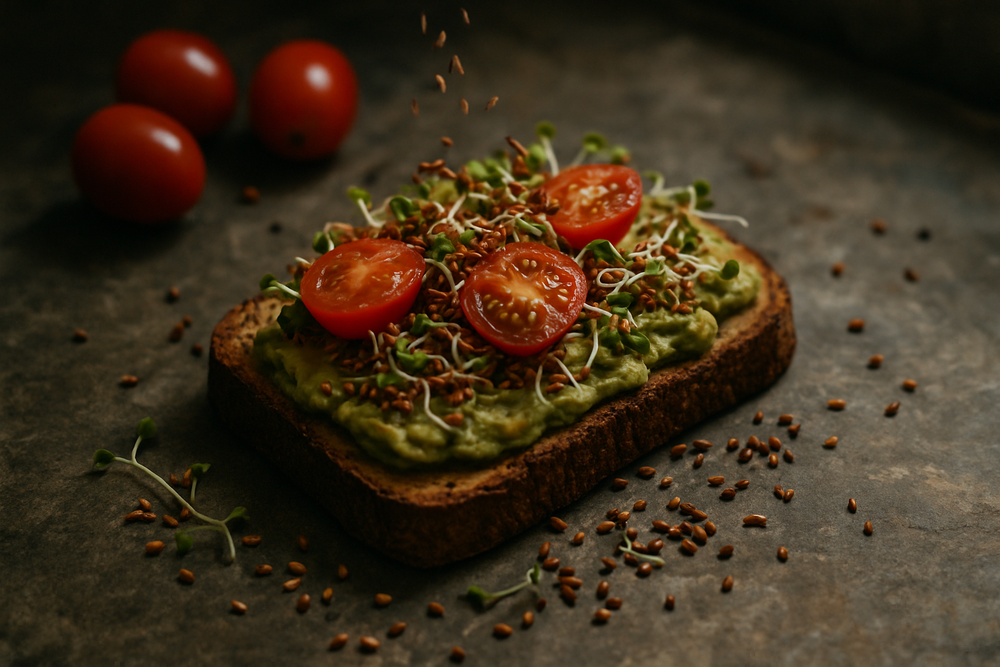
| Avocado toast or wraps | Creamy fat from avocado carries fat-soluble carotenoids from the sprouts; the peppery bite contrasts the richness. |
| Tacos (any filling) | Adds crunch and a spicy, sulphurous bite that complements savory proteins, black beans, or roasted veg without wilting under sauces. |
| Miso soup or ramen (added raw at serving) | The sprouts' pungency balances the umami depth of the broth; adding raw at the table preserves the most sulforaphene. |
Flavor note: Cooking mellows the spicy bite significantly. For maximum phytochemical benefit, chop or crush raw sprouts briefly before eating — this activates the myrosinase enzyme that converts glucoraphenin to sulforaphene.
Bottom line
Radish sprouting seeds grow into some of the most phytochemically concentrated sprouts you can put on your plate. Their signature compound, sulforaphene, activates well-documented cellular defense pathways and shows comparable promise to broccoli's sulforaphane — though direct human trials using radish sprouts specifically are still limited. For healthy adults who follow safe handling practices, a regular garnish of fresh radish sprouts is a low-calorie, nutrient-dense way to add peppery bite and plant-compound variety to meals.
The key caveat is food safety: raw sprouts are a recognized bacterial-risk food. Pregnant women, young children, older adults, and immunocompromised individuals should choose thoroughly cooked sprouts or skip them. For everyone else, rinse well, refrigerate promptly, and eat within a few days.
Looking to build more anti-inflammatory plant foods into your routine? Explore our ingredient guides organized by health goal at /goals.
How Radish Sprouting Seeds Compares
| Compared with | What's different |
|---|---|
| Radish Sprouting Seeds vs. Broccoli Sprouts | Radish sprouts have a sharper, peppery flavor and higher levels of sulforaphene. |
| Radish Sprouting Seeds vs. Alfalfa Sprouts | Radish sprouts are spicier and contain higher concentrations of Vitamin C and A. |
Health Benefits
Things to Know
Raw sprouts — including radish — are flagged by the FDA, CDC, and international food agencies as a recognized source of foodborne illness. The warm, humid conditions ideal for sprouting also favor the growth of Salmonella, E. coli, and Listeria.
Bacteria can contaminate seeds before sprouting. Rinsing does not fully eliminate the risk.
Cooking sprouts until steaming hot significantly reduces the risk of illness.
Pregnant women (FDA advises avoiding raw sprouts)
Adults aged 65 and older
Children under 5 years
People with weakened immune systems (cancer treatment, organ transplant, HIV/AIDS)
People with chronic conditions including uncontrolled diabetes, advanced liver disease, or kidney disease
Anyone on immunosuppressive medications
Cruciferous isothiocyanates can modulate phase II liver detoxification enzymes, which theoretically could affect how some medications are metabolized. This has been observed in broccoli-sprout research but not clearly linked to adverse drug interactions at food amounts.
If you take multiple medications, discuss high-dose sprout use (especially extracts) with your healthcare provider. Normal culinary amounts are generally considered safe for healthy adults.
Glucosinolates in large amounts may interfere with iodine uptake in people with existing thyroid conditions. Typical garnish amounts are unlikely to be a concern, but check with your provider if you have thyroid disease.
Prep Ideas
- — Measure 1–2 tablespoons of dry radish sprouting seeds into a clean jar.
- — Cover with cool water and soak for 6–8 hours.
- — Drain, rinse thoroughly, and invert the jar at an angle over a bowl to drain.
- — Rinse and drain twice daily. Sprouts are typically ready in 3–5 days.
- — Store in the refrigerator, rinsed and drained, in a loosely covered container. Use within 3–4 days.
- — Rinse again just before eating.
Glossary
Shop This Ingredient
Stock your pantry with quality radish sprouting seeds.
Buy on AmazonAs an Amazon Associate, Plantopedia earns from qualifying purchases. This costs you nothing extra and helps us keep the encyclopedia free.
Frequently Asked Questions
Most human research comes from broccoli-sprout studies using sulforaphane, not radish-specific trials. Where radish-specific evidence exists, it is primarily from cell studies and animal models. Extrapolation from broccoli research is reasonable given the chemical similarity of sulforaphene, but treat radish-specific claims as emerging rather than established. Heart and circulation Reviews of cruciferous sprouts report that their isothiocyanates and antioxidant phenolics can help normalize blood lipid profiles and support vascular health by reducing oxidative stress — one of the underlying drivers of arterial damage. Human broccoli-sprout trials have linked sulforaphane intake to improved detoxification of environmental toxins and modulation of inflammatory markers relevant to cardiovascular risk. Sulforaphene from radish sprouts shows hepatoprotective (liver-protective) and antioxidant effects in animal models, suggesting similar cardiovascular-adjacent benefits, but no dedicated human heart-health trials have used radish sprouts specifically. Evidence here is best described as emerging. Digestive health and microbiome Radish sprouts are water-rich and very low in calories, and their peppery glucosinolate compounds may stimulate saliva and digestive secretions — supporting general digestive comfort. Isothiocyanates also show antimicrobial activity in experimental models, which could theoretically influence gut bacterial balance. That said, there are no controlled human trials specifically testing radish sprouts for outcomes like constipation, irritable bowel syndrome, or microbiome composition. Current support for radish sprouts for digestion and gut health is mechanistic and indirect. Blood sugar and metabolism This is one of the more actively studied areas for cruciferous sprouts overall. Randomized clinical trials using broccoli sprouts rich in sulforaphane have reported reductions in fasting blood glucose and improvements in inflammatory markers in adults with type 2 diabetes, compared with placebo. Broader reviews of cruciferous sprouts conclude that glucosinolate-derived isothiocyanates can support healthier glucose and insulin levels. For radish sprouts specifically, animal models show that glucoraphenin and sulforaphene reduce plasma glucose and improve insulin sensitivity. Human trials with radish sprouts are not yet available, so this benefit remains promising but indirect. Inflammation and recovery This is the area with the strongest supporting science — though again, mostly from broccoli-sprout research. Clinical studies using broccoli-sprout preparations have demonstrated activation of the Nrf2 pathway, enhanced phase II detoxification enzymes (cellular cleanup proteins), and reductions in inflammatory markers including C-reactive protein (CRP) and TNF-α (a signaling molecule that promotes inflammation). Radish sprouts are among the richest cruciferous sources of isothiocyanates, and cell and animal studies confirm strong antioxidant and anti-inflammatory activity for sulforaphene specifically. This biological plausibility, combined with the existing broccoli-sprout human data, places the evidence at moderate when the whole cruciferous-sprout class is considered.
A fair question — and the honest answer is: it depends what you are optimizing for. Broccoli sprouts are the most studied, with robust human trial data for sulforaphane's effects on detoxification, inflammation, and blood sugar. If you want the most research-backed option, broccoli sprouts currently hold that title. Radish sprouts produce sulforaphene, a structurally similar compound that shows comparable activity in lab models. Some research suggests radish sprouts generate isothiocyanates at levels that rival or even exceed broccoli sprouts. They also have a bolder peppery flavor, which makes them easier to enjoy in savory dishes. Combining both is a practical strategy: one study found that adding radish sprouts to broccoli sprouts actually increased the total sulforaphane-family compound yield in the blend. If you enjoy both, mixing them is a sensible choice.
There is no established clinical dosage for radish sprouts as a food or supplement. Here is what the evidence suggests as practical guidance: As a food garnish: 1–2 tablespoons (approximately 5–10 g) daily is a sensible, food-level starting point for most healthy adults. This amount can provide a meaningful concentration of glucoraphenin and sulforaphene without introducing large amounts of glucosinolates. Scaling up to a small handful (30–40 g / 1 cup) as a salad base is reasonable for most people. Research context: Most human trials used broccoli-sprout beverages or extracts delivering roughly 40–600 micromoles of sulforaphane precursors per day — equivalent to approximately 50–100 g of fresh sprouts. No equivalent radish-sprout clinical dose has been established. Start-low guidance: If you are new to sprouts or cruciferous vegetables, start with 1 tablespoon per day to assess digestive tolerance. Sulfur compounds can cause gas or bloating in sensitive individuals when introduced quickly. People with thyroid conditions or those on multiple medications should discuss intake levels with a healthcare provider before eating large daily amounts.
The adventurous home cook looking for nutrition-dense flavor Wants something beyond lettuce to add crunch and interest to wraps, tacos, and grain bowls. Enjoys growing food at home — radish sprouts germinate in 3–5 days with minimal equipment. Appreciates that a small handful adds vitamin C, folate, and sulforaphene for very few calories. The health-focused adult managing blood sugar or inflammation Interested in food-first strategies to support metabolic health alongside a broader whole-food diet. Wants to include isothiocyanate-rich foods regularly without the stronger flavor of raw broccoli sprouts. Comfortable starting with small amounts and building up gradually.
Quick Answers
Common questions, answered in a line.
To grow radish sprouts, soak 1–2 tablespoons of seeds for 6–8 hours, then rinse and drain them twice daily in a jar for 3–5 days. Once ready, store them in the refrigerator in a loosely covered container and consume them within 3–4 days for freshness.
Radish sprouts contain sulforaphene, an active compound that activates the Nrf2 cellular defense pathway to support antioxidant production and detoxification. They are also rich in vitamin C, phenolic compounds, and anthocyanins which help protect against oxidative stress and inflammation.
Raw radish sprouts carry a risk of foodborne illnesses like Salmonella, E. coli, and Listeria because the warm, humid growing conditions also favor bacterial growth. To reduce this risk, the FDA and CDC recommend cooking sprouts until they are steaming hot.
Pregnant women, children under five, adults over 65, and individuals with weakened immune systems should avoid raw radish sprouts due to the risk of bacterial contamination. People with thyroid conditions or those on immunosuppressive medications should also consult a doctor before consuming large amounts.
The best way to eat radish sprouts for maximum health benefits is to chop or crush them raw just before serving to activate the enzyme that creates sulforaphene. Popular ways to use them include adding them to avocado toast, using them as a crunchy taco topping, or stirring them into miso soup.
Radish sprouts have a distinctively peppery, spicy, and slightly sulphurous bite that adds a pungent kick to dishes. This sharp flavor profile contrasts well with creamy foods like avocado or rich, savory broths like ramen.
For Readers in the USA
Local context — sourcing, seasonality, and regional notes.
You can buy radish sprouting seeds at major US health food chains like Whole Foods Market, specialized gardening centers, or through reputable online retailers such as Mumm’s Sprouting Seeds or True Leaf Market. Many local food cooperatives and natural grocers also stock them in the bulk or gardening sections.
The FDA recommends that US consumers thoroughly wash all sprouts and advises high-risk groups, including the elderly and pregnant women, to avoid raw sprouts due to the risk of foodborne illness like Salmonella. The agency suggests cooking sprouts to significantly reduce the risk of infection.
When buying radish sprouting seeds in the US, look for the USDA Organic seal to ensure the seeds were produced without synthetic fertilizers or pesticides. This certification is particularly important for sprouts, as you are consuming the entire plant shortly after germination.
While you can grow radish sprouts indoors year-round in any US climate, they are particularly popular in the spring and summer months as a fresh addition to seasonal salads and sandwiches. Their quick growth cycle makes them a favorite for indoor "kitchen gardening" during cold winters in Northern states.
AI Clinical Review
- Clearly distinguishes sulforaphene (from radish) from sulforaphane (from broccoli) and notes both activate a key cell‑protective pathway (Nrf2), with stronger human data for broccoli.
- Accurately frames radish sprouts as nutrient‑dense and low‑calorie, providing vitamin C, folate, and concentrated glucosinolates/isothiocyanates.
- Appropriately emphasizes food safety: raw sprouts carry a recognized risk of bacterial contamination and certain groups should avoid them.
- Offers practical prep context (chewing/chopping activates myrosinase; heat can reduce this activity) without overpromising benefits.
- Most human outcomes (blood sugar, inflammation, detoxification) are extrapolated from broccoli‑sprout trials; radish‑specific human studies are minimal.
- Claims about radish sprouts yielding equal or greater isothiocyanates than broccoli are based largely on lab/animal work and can vary by seed variety, growth, and handling conditions.
- Digestive and microbiome benefits remain mechanistic/theoretical; controlled human trials in these areas are lacking.
- No established clinical dose or standardized measure of sulforaphene intake from food exists, making direct dosing comparisons difficult.
- Safety first: raw sprouts are a higher‑risk food for foodborne illness. Pregnant individuals, young children, older adults, and those who are immunocompromised should avoid raw sprouts or choose cooked versions (noting that heat reduces myrosinase activity).
- Practical intake: for most healthy adults, a small daily garnish (about 1–2 tablespoons) is reasonable; increase gradually based on tolerance since sulfur compounds may cause gas/bloating.
- Medications and conditions: isothiocyanates can influence liver detox enzymes; people on multiple medications or with chronic conditions should check with a clinician before high, daily intakes or supplements.
- Thyroid considerations: large, frequent amounts of glucosinolate‑rich foods may interfere with iodine use in those with thyroid disease—moderation and clinical guidance are prudent.
Rinse and refrigerate; raw sprouts carry a small bacterial risk for vulnerable people.
References
- USDA FoodData Central — Radish seeds, sprouted, raw (nutrition data) (fdc.nal.usda.gov)
- FDA — Fruits, Veggies and Juices: Food Safety for Moms-to-Be (pregnancy and raw sprout safety) (fda.gov)
- CDC — Safer Food Choices (raw sprout safety guidance) (cdc.gov)
- FDA — Guidance: Standards for Growing, Harvesting, Packing, and Holding of Sprouts for Human Consumption (fda.gov)
- Sorting Out the Value of Cruciferous Sprouts as Sources of Bioactive Compounds — systematic review, PMC (pmc.ncbi.nlm.nih.gov)
- Broccoli, Kale, and Radish Sprouts: Key Phytochemical Constituents and Health Benefits — review, PMC (pmc.ncbi.nlm.nih.gov)
- 3-butenyl isothiocyanate (sulforaphene) from daikon radish sprouts — PubMed study (pubmed.ncbi.nlm.nih.gov)
- Broccoli sprouts and sulforaphane on inflammatory markers in type 2 diabetic patients — human trial, ScienceDirect (sciencedirect.com)
- Broccoli-sprout beverage for detoxification — randomized clinical trial, PubMed (pubmed.ncbi.nlm.nih.gov)
- Intensifying sulforaphane formation in broccoli sprouts by adding another Brassicaceae sprout — human trial, PMC (pmc.ncbi.nlm.nih.gov)
Know Your Numbers
Eating healthy is a start. Now get to know your biomarkers.
Food changes bloodwork — inflammation, lipids, blood sugar and nutrient status all respond to what you eat. 59 markers from $59.
- Results in 7–10 days at 2,000+ Quest sites
- Licensed provider reviews every result
- One flat price, no membership, HSA/FSA eligible
Educational information only, not medical advice. Panels are ordered and reviewed through our licensed partner; Plantopedia may earn a commission.