Roti — health benefits and uses
A cornerstone of the Indian thali, freshly cooked at nearly every meal.
The Short Answer
Roti is a whole-wheat flatbread that provides 4.7g of protein and 5.8g of fiber per 85-calorie serving. It is a complex carbohydrate source that supports digestive health and stable blood sugar when made without refined flour.
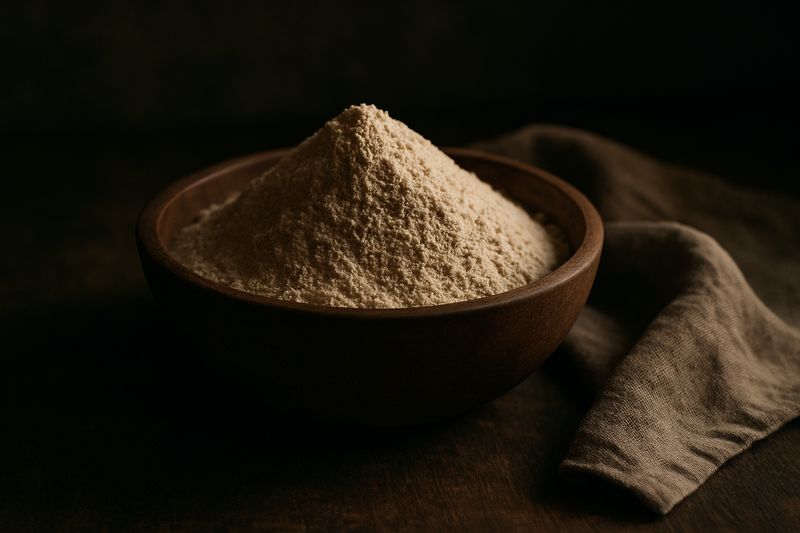
Roti · Photograph
Discover the whole wheat roti health benefits and side effects, including nutrition facts, glycemic index data, digestive support, blood sugar effects, and who should be cautious. Evidence-aligned, layperson-friendly guide.
Key Nutrients
% Daily Value based on 2,000 cal diet
Key active compounds in whole wheat roti
- Dietary fiber — Both soluble and insoluble fiber from the wheat bran. Soluble fiber can support cholesterol management; insoluble fiber adds bulk to stools and feeds gut bacteria.
- Phenolic acids (e.g., ferulic acid) — Antioxidant compounds (molecules that neutralize cell-damaging free radicals) concentrated in the bran layer of whole wheat. May help modulate inflammation.
- Lignans and alkylresorcinols — Bioactive compounds (plant chemicals with biological activity) found in the outer layers of cereal grains. Serve as markers of whole-grain intake and may support antioxidant defense and metabolic health.
- Phytates (phytic acid) — Phosphorus-containing compounds naturally present in whole grains. They act as antioxidants but can also bind minerals like iron and zinc, slightly reducing how well the body absorbs them.
- Complex starches (amylose and amylopectin) — The main carbohydrate fraction. Intact starch structure in whole-grain flour slows digestion compared to refined flour, contributing to a lower glycemic response.
- B vitamins (thiamin, niacin, folate) — Naturally present in whole-wheat flour; support energy metabolism, nervous system function, and red blood cell formation.
Buying guide: fresh vs. commercial, what to look for on the label
Homemade roti is the gold standard from a nutrition standpoint. You control the flour quality, salt, and fat. Use whole-wheat atta (not "wheat flour," which can be a blend with refined flour in some markets). Freshly made roti has no added preservatives.
Fresh roti from a restaurant or takeaway varies widely. Ask whether the dough is whole-wheat atta or a blend with maida. Butter or ghee applied post-cooking adds calories and saturated fat.
Packaged/frozen whole-wheat roti is practical for busy households. Tips for the label:
- First ingredient should read "whole wheat flour" or "whole wheat atta" — not just "wheat flour."
- Check sodium per serving: aim for under 200 mg per roti when possible.
- Shorter ingredient lists are generally better — ideally just whole wheat flour, water, oil or ghee, salt.
- Avoid versions where "refined wheat flour" or "maida" appears in the ingredient list.
Multi-grain roti mix (store-bought blended flour) can be a useful upgrade. Look for blends that include barley, chickpea (besan), or soy flour alongside whole wheat for a lower GI and extra protein.
Prep and pairing ideas
Roti is extraordinarily versatile. Here are three practical pairings grounded in nutritional logic:
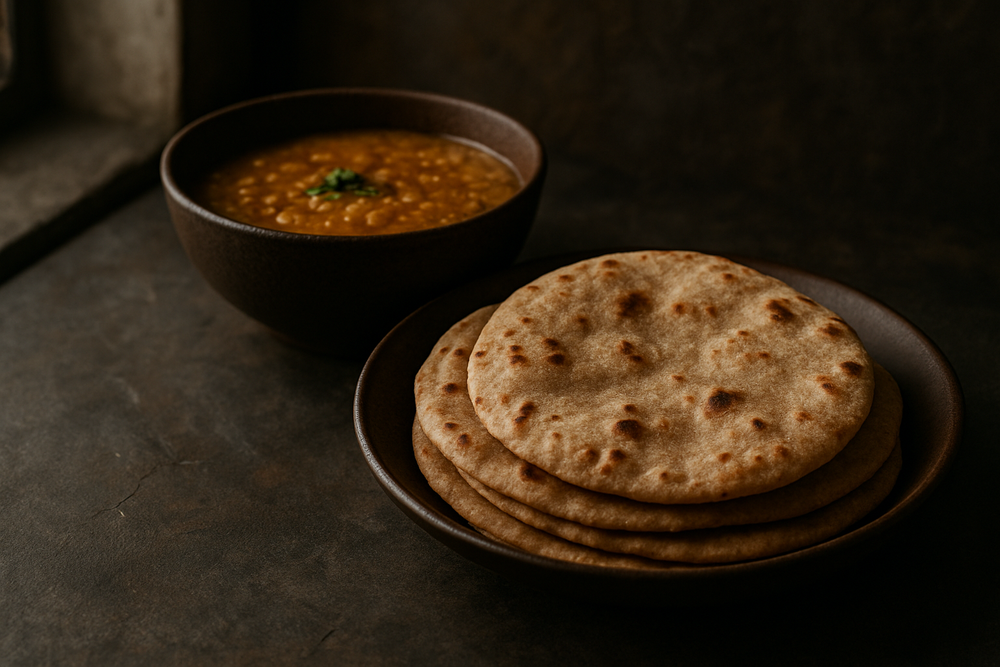
1. Roti + dal (lentil soup) The classic combination of South Asian cooking is also one of its most nutritionally complete. Lentils provide lysine, an amino acid relatively low in wheat, while wheat provides methionine — together they form a complementary protein profile. The soluble fiber in lentils further lowers the glycemic response of the meal.
2. Roti + sautéed leafy greens (spinach, methi/fenugreek) Iron from roti is non-heme iron (the plant form, which is less readily absorbed). Pairing with vitamin-C-rich or acidic foods — like tomatoes cooked into saag paneer or a squeeze of lime — can significantly boost non-heme iron absorption. Leafy greens add folate, calcium, and additional fiber.
3. Roti + a spoonful of nut butter or avocado Adding healthy fat slows gastric emptying (how quickly food leaves the stomach), which further moderates blood sugar rise and extends satiety. A thin spread of almond butter or mashed avocado on a warm roti makes a fast, fiber-rich snack with a lower glycemic impact than plain roti alone.
Basic homemade whole-wheat roti (no recipe, just the method): Mix whole-wheat atta with warm water until a soft, pliable dough forms. Rest 20–30 minutes. Roll into thin rounds (~15 cm diameter) and cook on a dry flat pan (tawa) over medium-high heat, turning twice until small brown spots appear and the roti puffs slightly. One teaspoon of ghee or oil per roti is traditional and optional.
Bottom line
Whole-wheat roti is one of the most nutritionally sensible staple carbohydrates available — provided it is made from true whole-wheat atta rather than refined maida. Its moderate fiber content, low-to-medium glycemic index, and versatility as a vehicle for legumes and vegetables make it a strong fit within plant-forward, heart-healthy, and even diabetes-friendly eating patterns — within appropriate portions.
The main caveats are real and worth respecting: roti is off-limits for anyone with celiac disease or wheat allergy, and commercial versions can carry more sodium than homemade. If you are managing a chronic condition, work with a registered dietitian to dial in the right serving size and pairing strategy for your specific needs.
At its best, a freshly made whole-wheat roti paired with dal and vegetables is not just cultural comfort food — it is a textbook example of what whole-grain, plant-based eating looks like in everyday practice.
Exploring a plant-forward lifestyle? Browse ingredient guides and meal ideas organized by your health goals at Plantopedia Goals.
How Roti Compares
| Compared with | What's different |
|---|---|
| Roti vs. Naan | Leavened with yeast and typically made with refined flour (maida), making it fluffier and higher GI. |
| Roti vs. Paratha | Thicker, layered dough usually shallow-fried in oil or ghee, resulting in higher fat and calories. |
| Roti vs. Corn Tortilla | Uses cornmeal instead of wheat; it is gluten-free but typically has less dietary fiber. |
Health Benefits
Things to Know
Celiac disease and wheat allergy: Roti contains gluten. Anyone with celiac disease (an autoimmune condition triggered by gluten) or a diagnosed wheat allergy must avoid it completely.
Non-celiac gluten sensitivity: Some people without celiac disease report digestive discomfort from wheat. If roti consistently causes symptoms, speak with a doctor.
Diabetes and prediabetes: Portion size matters. Even whole-wheat roti raises blood sugar — combining it with protein, healthy fat, and non-starchy vegetables blunts the glucose response. Work with a dietitian to set appropriate portions.
IBS (irritable bowel syndrome): Wheat is a moderate-FODMAP food (FODMAP = fermentable carbohydrates that can trigger gut symptoms in sensitive people). Some people with IBS find whole-wheat products worsen bloating or diarrhea.
Sodium restriction: Commercial rotis can contribute meaningful sodium. If you have high blood pressure or heart failure, account for roti sodium in your daily total.
Medication timing:
Levothyroxine (thyroid hormone): Take on an empty stomach, separate from high-fiber meals by at least 30–60 minutes.
Iron and zinc supplements: Phytates in whole-wheat roti can reduce mineral absorption. Consider separating supplements from large roti-based meals.
Glucose-lowering medications or insulin: Sudden large changes to a high-fiber diet can alter glycemic responses and medication needs. Monitor with your healthcare team.
Pregnancy: Whole-wheat roti is generally safe and provides folate, iron, and complex carbohydrates important in pregnancy. Ensure adequate folic acid intake from multiple sources.
Rapidly increasing fiber intake: If you are new to whole-wheat roti or are adding more of it, increase gradually over 2–3 weeks to minimize gas and bloating. Drink extra water.
Glossary
Shop This Ingredient
Stock your pantry with quality roti.
Buy on AmazonAs an Amazon Associate, Plantopedia earns from qualifying purchases. This costs you nothing extra and helps us keep the encyclopedia free.
Frequently Asked Questions
The evidence behind roti's benefits comes mostly from the broader body of research on whole-grain wheat — not from large clinical trials using roti specifically. Keep that distinction in mind when reading the sections below. Heart and circulation Large observational studies (studies that follow people's eating habits over time without controlling their diet) and intervention trials on whole-grain diets consistently link higher whole-grain intake with a lower risk of cardiovascular disease, improved cholesterol profiles, and healthier blood pressure. The main drivers appear to be fiber, magnesium, and phenolic acids in the bran and germ. Whole-wheat roti can reasonably fit this pattern when it replaces refined flatbreads in the diet. MyPlate and similar guidelines recommend choosing whole-grain versions of bread, tortillas, and flatbreads — a category that whole-wheat roti naturally occupies. Evidence specific to roti is extrapolated from whole-grain wheat data rather than roti-only trials. Digestive health and microbiome Fiber is the main story here. One medium whole-wheat roti provides roughly 6 g of dietary fiber — about 21% of a typical daily target. Dietary fiber supports bowel regularity, adds bulk to stools, and acts as a prebiotic (food for beneficial gut bacteria). Human studies on whole-grain wheat consistently show improved stool frequency and reduced constipation with higher intake. A caveat: people who rapidly increase their whole-wheat roti intake may experience temporary bloating or gas while their gut microbiome adjusts. Gradual increases and good hydration help. Blood sugar and metabolism This is one of the better-studied areas specific to Indian flatbreads. The glycemic index (GI) — a scale from 0 to 100 that measures how quickly a food raises blood sugar — has been measured directly in clinical studies on chapatis and rotis. Results typically fall in the low-to-medium range: Plain whole-wheat chapati: GI approximately 52–62 Multi-grain chapati (wheat + barley + soy, 50/25/25 blend): GI approximately 52 — about 9% lower than a control chapati in one study Various whole-grain chapatis in a separate study: GI range approximately 49–55 These values compare favorably to refined flatbreads, white rice, or standard white bread (GI typically 70+). The fiber and intact starch structure of whole-wheat atta slow glucose absorption, and adding legume flours (like soy or chickpea) lowers the GI further. For people with diabetes, portion size and total carbohydrate per meal still matter — one roti alone does not control blood sugar. Inflammation and recovery Whole-grain diets have been linked in cohort studies (large population studies tracking health over time) to lower blood levels of C-reactive protein (CRP), a marker of systemic inflammation. The suspected mechanisms involve fiber, magnesium, and phenolic acids in the wheat bran. However, no clinical trials have isolated whole-wheat roti as the single variable affecting inflammatory markers in humans. Evidence here is classified as emerging. Hormones and cycle health Human data connecting roti directly to hormonal outcomes are limited. Broader whole-grain research suggests that fiber-rich diets can support insulin sensitivity and healthy body weight, which can indirectly benefit hormonal balance. People taking levothyroxine (thyroid hormone replacement) should note that high-fiber meals can alter drug absorption — spacing medication by at least 30–60 minutes from a large roti-based meal is often recommended. Check with your pharmacist or doctor.
The answer depends on your goal, but the research points clearly in one direction: Plain whole-wheat atta roti is the everyday baseline. When atta is truly stone-ground or roller-milled whole wheat, the bran and germ are intact, and you get the full fiber and micronutrient package. This is the form most consistent with whole-grain dietary guidance. Multi-grain roti (wheat blended with barley, soy, chickpea, or millet flour) comes out ahead for blood sugar management. Clinical GI studies specifically on these blended chapatis show lower postprandial (after-meal) glucose rises compared to 100% wheat chapati — largely because legume and barley flours add soluble fiber and protein that slow starch digestion. Refined flour roti (maida chapati) does not qualify as a whole grain. It is lower in fiber, iron, magnesium, and B vitamins, and typically has a higher glycemic index. If heart health, blood sugar, or digestive support is your goal, refined flour roti is the least favorable choice. Commercial frozen whole-wheat roti is convenient and USDA data confirm it fits the whole-grain category — but check the label. Some brands add significant sodium (up to 300 mg per 100 g) and fat. Look for "whole wheat flour" as the first ingredient.
There is no single universal number — the right amount depends on your total calorie needs, activity level, and the rest of your diet. Here is a practical framework: MyPlate whole-grain guidance: Most adults need 5–8 ounce-equivalents of grains per day, with at least half as whole grains. One medium roti (about 60 g) counts as roughly 1.5 ounce-equivalents. That means 2–3 medium rotis could provide your entire daily whole-grain quota, leaving room for other grain sources (oats, brown rice, etc.). Typical Indian dietary range: 2–4 medium rotis per meal, 1–2 meals per day. For someone with high physical activity, this may be appropriate; for a sedentary adult managing weight or blood sugar, 1–2 per meal is a more modest target. For weight management: Roti is not inherently fattening — about 90–100 calories per medium roti — but portion creep is common. Counting rotis and pairing with abundant non-starchy vegetables and legumes keeps the meal satisfying without overshooting calories. For diabetes: Start with 1–2 rotis per meal, test your postprandial blood glucose if possible, and adjust. Multi-grain variants (with barley or chickpea flour) are a practical upgrade. Always pair with protein and fiber to blunt the glucose rise. General start-low guidance: If you are new to whole-wheat roti or increasing from refined-flour versions, start with 1–2 per meal to let your gut adapt to the higher fiber content.
Quick Answers
Common questions, answered in a line.
Whole wheat roti is not gluten-free as it is made from wheat flour, which naturally contains gluten. People with celiac disease, wheat allergies, or non-celiac gluten sensitivity must avoid roti to prevent autoimmune reactions or digestive discomfort.
Whole wheat roti is generally considered diabetes-friendly because its complex starches and fiber provide a lower glycemic response than refined flour. To best manage blood sugar, pair roti with protein, healthy fats, and non-starchy vegetables to further blunt the glucose response.
Combining roti with dal (lentils) creates a complete protein profile because the two foods provide complementary amino acids. Specifically, lentils provide lysine, which is low in wheat, while wheat provides the methionine that lentils lack.
You can improve iron absorption from roti by pairing it with vitamin C-rich foods like tomatoes or a squeeze of lime juice. Because roti contains non-heme iron and phytates that can inhibit mineral absorption, adding acidic or vitamin C-heavy ingredients helps the body process the iron more effectively.
Whole wheat roti supports digestive health by providing both soluble and insoluble fiber from the wheat bran. Insoluble fiber adds bulk to stools to aid regularity, while soluble fiber acts as a prebiotic to feed beneficial gut bacteria.
When buying packaged roti, check the label to ensure "whole wheat flour" or "whole wheat atta" is the first ingredient and avoid products containing "maida" or "refined wheat flour." You should also look for a short ingredient list and aim for less than 200 mg of sodium per serving.
Phytates are antioxidant compounds found in whole grains like roti that can bind to minerals like iron and zinc. This binding process may slightly reduce how well your body absorbs these specific minerals during a meal.
For Readers in the USA
Local context — sourcing, seasonality, and regional notes.
You can buy whole wheat roti or atta flour at national chains like Whole Foods Market and Sprouts, as well as specialized South Asian grocers like Patel Brothers or Subzi Mandi. Many mainstream supermarkets like Kroger and Walmart now carry frozen or shelf-stable versions in their international aisles.
While whole wheat flour is widely available, look for the USDA Organic seal or 'Non-GMO Project Verified' label if you want to ensure the wheat was grown without synthetic pesticides or genetic modification. US-grown organic hard red spring wheat is a common source for high-quality domestic whole wheat flours used in roti.
In the U.S., roti is sometimes used interchangeably with 'chapati,' while 'tortillas' are a distinct Mexican staple made from different wheat varieties or corn. While a whole wheat tortilla may look like a roti, authentic roti is made from finely milled durum wheat (atta) and typically lacks the leavening agents or preservatives found in commercial American wraps.
AI Clinical Review
- Clearly explains that roti made from whole‑wheat atta is a true whole grain and aligns with MyPlate guidance to favor whole grains over refined versions.
- Accurately summarizes glycemic index data: whole‑wheat chapati/roti tends to be low‑to‑medium GI, and mixes with legumes or barley can reduce post‑meal glucose rises further; pairing roti with protein, fat, and vegetables is sound advice.
- Describes digestive benefits of fiber and the common, temporary GI symptoms when fiber intake increases—along with practical tips (gradual increase, hydration).
- Appropriately flags key cautions: gluten makes roti unsuitable for celiac disease or wheat allergy; packaged rotis can add sodium; timing considerations with levothyroxine and iron/zinc are clinically relevant.
- Most health claims are extrapolated from studies of whole‑grain wheat or overall dietary patterns; few controlled trials isolate roti itself as the exposure.
- Glycemic responses vary with flour type, particle size, dough thickness, added ghee/oil, and meal composition, so individual blood‑glucose effects can differ from published GI values.
- Links to lower inflammation (e.g., CRP) and “hormone balance” are based on observational data or indirect mechanisms; roti‑specific randomized trials are limited.
- Portion and preparation matter: nutrition numbers for commercial frozen rotis may not match homemade versions. Without added salt or fat, homemade rotis are typically lower in sodium and calories—check labels and be consistent with serving size.
- Gluten and FODMAPs: avoid wheat roti if you have celiac disease or a confirmed wheat allergy. People with IBS or non‑celiac gluten sensitivity may tolerate smaller portions or need wheat‑free alternatives.
- Mineral and medication interactions: the phytates in whole wheat can reduce iron/zinc absorption; separating supplements from roti‑based meals and adding vitamin‑C‑rich foods can help. Take levothyroxine on an empty stomach, away from high‑fiber meals.
- Diabetes or cardiometabolic concerns: start with modest portions (often 1–2 medium rotis per meal), pair with legumes and non‑starchy vegetables, and monitor post‑meal glucose with your care team if you use diabetes medications.
Contains gluten; made from whole-wheat atta flour.
References
- MyPlate.gov – Grains Group: Make Half Your Grains Whole (myplate.gov)
- USDA FoodData Central – Whole-wheat chapati/roti, commercially prepared, frozen (nutritional reference data) (batchbase.com.au)
- USDA Nutrition Facts – Bread, chapati or roti, whole wheat, commercially prepared, frozen (freefoodlabels.com)
- Human trial: Glycemic response of chapati developed from whole wheat, barley, and soy flour — The Chemistry Journal, 2020 (chemijournal.com)
- Human trial: Glycemic index of Indian flat breads (chapati) — ICAR/The Journal of Rural and Plantation Crops (epubs.icar.org.in)
- Human trial: Bran and chickpea flour chapatti and glycemic index — British Journal of Nutrition, 2012 (cambridge.org)
- Clinical article: Is Wheat Roti Good for Diabetes? — Sanidhya Clinic (sanidhyaclinic.com)
- Grains Food Group — Whole vs Refined, Ounce-Equivalents (MyPlate) (myplate.food)
- MyPlate—The Grain Group (New Mexico State University Extension) (pubs.nmsu.edu)
- MyPlate: A Guide to Healthier Eating — Land-Grant Press, Clemson (lgpress.clemson.edu)
Know Your Numbers
Eating healthy is a start. Now get to know your biomarkers.
Food changes bloodwork — inflammation, lipids, blood sugar and nutrient status all respond to what you eat. 59 markers from $59.
- Results in 7–10 days at 2,000+ Quest sites
- Licensed provider reviews every result
- One flat price, no membership, HSA/FSA eligible
Educational information only, not medical advice. Panels are ordered and reviewed through our licensed partner; Plantopedia may earn a commission.