Naan — health benefits and uses
A tandoor-baked bread central to North Indian and Central Asian tables.
The Short Answer
Naan is a leavened flatbread that provides roughly 260 calories and 10 grams of protein per 90g serving. While high in carbohydrates, choosing whole-wheat versions increases fiber and antioxidant phenolic acids compared to refined white flour varieties.
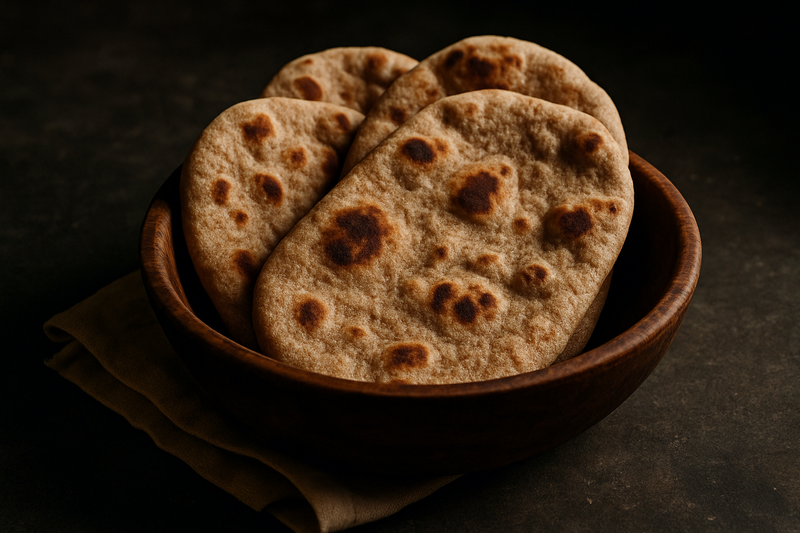
Naan · Photograph
Explore naan bread nutrition and health benefits, including calories, carbs, fiber, and protein. Learn why whole wheat, dairy-free naan is the smarter choice for plant-based eaters, people watching blood sugar, and anyone wanting more from their flatbread.
Key Nutrients
% Daily Value based on 2,000 cal diet
Key active compounds
Whole-wheat naan brings more to the table than refined naan because the whole grain kernel is preserved. Here are the main bioactive compounds worth knowing:
- Phenolic acids (e.g., ferulic acid): Plant-derived antioxidant compounds concentrated in the bran layer of whole wheat. These may contribute antioxidant activity and support vascular health. Refining the wheat removes most of the bran, so refined naan has far less.
- Lignans and grain polyphenols: Fiber-associated polyphenolic (multi-ring plant compound) substances present in whole wheat kernels. They may have weak antioxidant, cardiometabolic, and phytoestrogenic effects. More abundant in whole-wheat naan than in refined versions.
- Dietary fiber (arabinoxylans, beta-glucan traces): The structural carbohydrate components of whole-wheat bran. Arabinoxylans are fermentable fibers that may support a healthy gut microbiome (the community of microorganisms living in your digestive tract).
- B vitamins (thiamine, niacin, folate): Naturally present in whole wheat and added back ("enriched") to many refined-flour products. Support energy metabolism and cell health.
- Iron and zinc: Mineral co-factors for oxygen transport and immune function. Whole-wheat naan retains more of these than refined naan, though the phytates (natural compounds in grain that bind minerals) in wheat can reduce how much your body absorbs.
Is naan bread healthy? What the evidence shows
The honest answer is: it depends on what kind of naan, how much, and what you're pairing it with. Here's how different aspects of health map to the research.
Heart and circulation
The cardiovascular case for naan hinges almost entirely on whether it's made with whole-wheat flour. A large meta-analysis (a study that pools data from many studies) of prospective cohort studies found that higher whole-grain consumption was associated with a 19% reduction in all-cause mortality, a 26% reduction in cardiovascular death, and a 9% reduction in cancer death for roughly three additional whole-grain servings per day. Those are meaningful signals.
However, randomized controlled trials (the gold standard of evidence) that replaced refined carbohydrates with whole-grain wheat foods — including bread — over 12–16 weeks generally did not show significant short-term improvements in blood pressure, blood lipids (fats in the blood), or inflammatory biomarkers. A Cochrane review (a rigorous synthesis of trial evidence) concluded that there is insufficient trial evidence to specifically recommend whole-grain cereals for reducing cardiovascular disease risk markers.
The pragmatic takeaway: choosing whole-wheat, minimally oiled naan over refined naan with butter or ghee is a sound heart-health habit as part of a broadly healthy diet — but it's not a standalone intervention, and refined naan's sodium and saturated fat load shouldn't be ignored.
Digestive health and microbiome
This is where whole grains show their most consistent benefit. Fiber supports stool bulk, bowel regularity, and a diverse gut microbiome. MyPlate and the Dietary Guidelines for Americans consistently emphasize whole grains for their fiber content, explicitly listing whole-wheat naan and pita among smarter grain choices.
Commercially prepared plain naan provides about 2 g of fiber per 100 g. Whole-wheat naan made at home or from quality brands can reach 4–5 g per piece — roughly 14–18% of a daily target of 25–28 g for most adults.
One important caveat: people with irritable bowel syndrome (IBS) or who follow a low-FODMAP diet (a protocol that restricts fermentable carbohydrates) may find that wheat-based naan triggers bloating or discomfort. Wheat fructans — a type of fermentable carbohydrate — are a common IBS trigger. This doesn't affect most people, but it's worth flagging.
Blood sugar and metabolism
Refined-flour naan has a relatively high glycemic load — meaning it can cause a faster rise in blood sugar after eating than whole-grain alternatives. Human trials on whole-grain wheat bread have shown a modest decrease in postprandial glucose response (blood sugar spike after eating) compared with refined bread in some individuals, though the effects weren't universal or large.
For people with type 2 diabetes or prediabetes, portion size and pairing strategy matter most. Combining naan — ideally whole-wheat — with fiber-rich legumes, vegetables, and plant proteins (like dal or chana masala) slows digestion and blunts glucose spikes more effectively than naan alone. No trials have been conducted on naan specifically, so these inferences come from whole-grain wheat bread research.
Inflammation and recovery
Direct data on naan and systemic inflammation don't exist. Whole-grain wheat consumption has been studied for metabolic outcomes, but several trials have reported neutral effects on inflammatory biomarkers over short intervention periods. Observational data suggest an association between whole-grain diets and lower chronic inflammation, but the evidence is best described as emerging rather than definitive. Choosing whole-wheat naan is consistent with an anti-inflammatory dietary pattern, but the effect size for this single food is likely modest.
Prep and pairing ideas
Naan is at its most nutritious when it plays a supporting role to fiber-rich, protein-dense dishes. Here are three practical pairings and some simple prep notes:
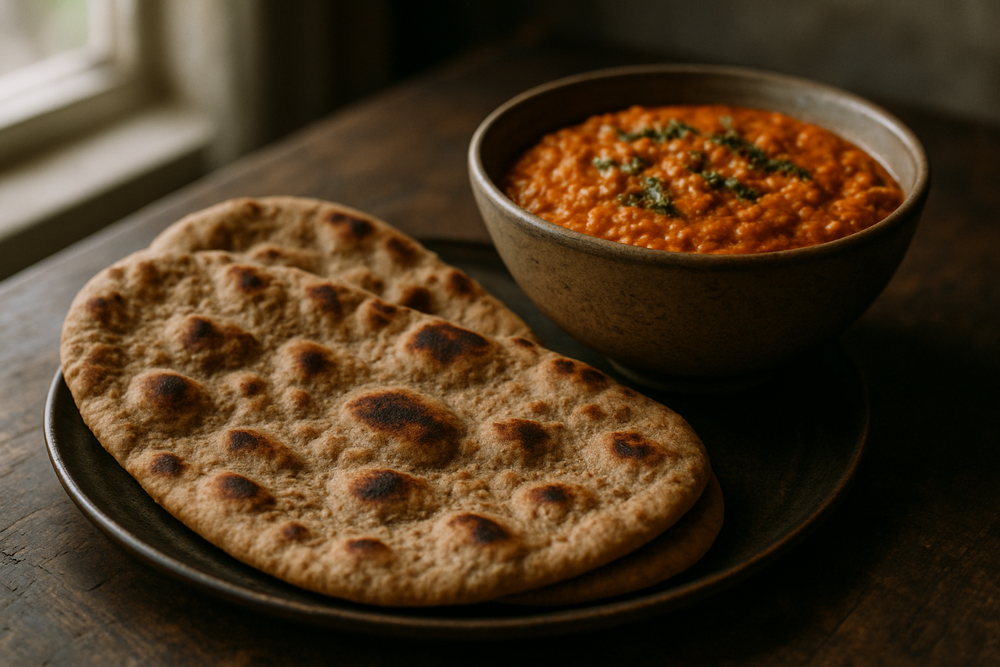
1. Whole-wheat naan + red lentil dal The combination of complex carbohydrates from the naan and plant protein plus soluble fiber from the lentils creates a balanced, filling meal with a lower overall glycemic impact than naan alone. A classic pairing that's also genuinely delicious.
2. Whole-wheat naan + roasted chickpea and vegetable bowl Tear naan into pieces and use it as the base for a loaded bowl with roasted chickpeas, cauliflower, spinach, and a tahini drizzle. More fiber, more protein, more micronutrient variety.
3. Whole-wheat naan + hummus and tabbouleh Swap curry for a Mediterranean angle. Hummus adds plant protein and healthy fat; tabbouleh (a parsley-based salad) adds folate, vitamin K, and additional fiber. Lighter and lower in sodium than many restaurant naan preparations.
Prep tips:
- Toast leftover naan in a dry skillet for 60–90 seconds per side to revive texture without adding oil.
- Brush sparingly with garlic-infused olive oil instead of ghee or butter to reduce saturated fat.
- To make quick oil-free whole-wheat naan at home: mix 1 cup whole-wheat flour, ½ tsp instant yeast, ¼ tsp salt, and enough water to form a soft dough; rest 30–60 minutes; roll thin; cook in a hot dry cast-iron pan 2–3 minutes per side.
Buying guide: how to choose healthy naan bread options
Grocery store naan ranges from excellent to barely better than a white dinner roll. Here's what to look for:
Fresh refrigerated naan: Check that "whole wheat flour" or "whole grain wheat flour" appears as the first ingredient. Avoid versions where enriched white flour comes first, even if "wheat" appears somewhere in the name — "wheat bread" and "whole-wheat bread" are not the same thing.
Frozen naan: Convenient and often better than refrigerated options because fewer preservatives are needed. Same rule: whole grain flour listed first. Check sodium — some frozen naans exceed 350–500 mg sodium per piece.
Label tips:
- Look for ≥2 g dietary fiber per ounce-equivalent serving (ideally 3 g+)
- Sodium ideally under 300 mg per piece for regular use
- Ingredient list should be short: whole-wheat flour, water, yeast, salt, and minimal oil
- "Vegan" on the label confirms no dairy; useful for plant-based eaters
- Avoid versions listing "hydrogenated oils" or artificial preservatives
Supplement form: Not applicable — naan is a whole food and there is no evidence base for naan-derived supplements.
Bottom line
Naan can be a genuinely nourishing part of a plant-based, whole-food eating pattern — but the details matter. Traditional refined-flour naan with butter or ghee is an energy-dense, sodium-rich occasional treat. Whole-wheat, dairy-free naan made with minimal oil is a different food entirely: more fiber, more plant protein, and more micronutrients, fitting naturally into the MyPlate goal of making at least half your grains whole grains.
The evidence base for whole-grain wheat in general is solid at the population level, with robust associations between higher whole-grain intake and lower cardiovascular and all-cause mortality. Intervention trials are less dramatic in the short term, but the direction is consistently favorable. There are no human trials specifically on naan, so all health inferences flow from whole-grain wheat research broadly.
The clearest health strategy: choose whole-wheat, dairy-free naan, watch your sodium, keep portions honest, and pair it with the fiber-rich, protein-dense dishes it was always meant to accompany.
How Naan Compares
| Compared with | What's different |
|---|---|
| Naan vs. Pita Bread | Naan is leavened with yeast or yogurt for a fluffy texture; pita is often leaner and forms a pocket. |
| Naan vs. Flour Tortilla | Naan uses leavened dough and is thicker; tortillas are unleavened, thinner, and usually higher in fat. |
| Naan vs. Roti/Chapati | Naan is soft and thick from yogurt or milk; roti is a simpler, unleavened, and thinner whole-wheat flatbread. |
Health Benefits
Things to Know
Celiac disease: Naan is made from wheat and contains gluten. It is completely off-limits for people with celiac disease, an autoimmune condition triggered by gluten. There is no safe "small portion" of regular naan for this group.
Wheat allergy: Distinct from celiac disease, a wheat allergy involves an IgE-mediated (immediate immune) reaction to wheat proteins. Naan must be avoided entirely.
Non-celiac gluten sensitivity: Some people experience bloating, fatigue, or digestive discomfort with wheat without having celiac disease. Whole-wheat naan may worsen these symptoms.
IBS and low-FODMAP diets: Wheat fructans in naan can trigger IBS symptoms in sensitive individuals, even when gluten isn't the primary concern.
Diabetes and insulin management: Naan contributes a significant carbohydrate load (~45–50 g per piece). People on insulin or glucose-lowering medications should count naan within their total carbohydrate plan and discuss adjustments with their care team.
Hypertension, heart failure, kidney disease: A single piece of restaurant naan can provide ~465 mg sodium — about 20% of the daily recommended limit. People managing these conditions should choose low-sodium homemade versions and track intake carefully.
Weight management: Refined restaurant naan is energy-dense (260–380 kcal per piece). Whole-wheat, oil-free homemade naan is lower in calories, but portions still count.
Medications: No specific drug–naan interactions are documented. However, high-sodium naan may counteract antihypertensive medications if consumed in large, frequent quantities. Energy-dense buttered naan could work against dietary goals in people on cardiometabolic therapies.
Pregnancy: Naan is safe during pregnancy for those without gluten-related conditions. Choose whole-wheat versions with adequate folate (from enriched or fortified flour or a prenatal supplement).
Prep Ideas
- — Toast leftover naan in a dry skillet for 60–90 seconds per side to revive texture without adding oil.
- — Brush sparingly with garlic-infused olive oil instead of ghee or butter to reduce saturated fat.
- — To make quick oil-free whole-wheat naan at home: mix 1 cup whole-wheat flour, ½ tsp instant yeast, ¼ tsp salt, and enough water to form a soft dough; rest 30–60 minutes; roll thin; cook in a hot dry cast-iron pan 2–3 minutes per side.
Glossary
Shop This Ingredient
Stock your pantry with quality naan.
Buy on AmazonAs an Amazon Associate, Plantopedia earns from qualifying purchases. This costs you nothing extra and helps us keep the encyclopedia free.
Frequently Asked Questions
The curry-and-dal regular Eats naan multiple times a week as a vehicle for lentil and vegetable dishes Switching to whole-wheat, dairy-free naan meaningfully increases fiber and reduces saturated fat over time Pairing naan with legume-based dishes further lowers the glycemic impact of the meal Benefit is gradual and cumulative — not dramatic on any single meal The person managing blood sugar Has prediabetes, type 2 diabetes, or insulin resistance and currently eats standard restaurant naan Switching to smaller portions of whole-wheat naan paired with protein and non-starchy vegetables can reduce post-meal glucose spikes Tracking carbohydrate portions (one medium naan ≈ 45–50 g carbs) helps with insulin or medication timing Should discuss specific carb targets with a registered dietitian or healthcare provider
Not all naan is created equal. Here's a quick breakdown: Refined-flour restaurant naan (traditional style) The baseline. Made with white wheat flour, yeast, salt, and dairy (yogurt, milk, ghee, or butter). Soft texture, lower fiber, higher energy density, more sodium and saturated fat. A standard restaurant piece (90 g) provides roughly 260 calories, 45 g carbs, 8 g protein, and 5 g fat. Fine occasionally; less ideal as a daily staple. Whole-wheat or whole-grain naan Made with whole-wheat flour as the primary ingredient. Look for "whole wheat flour" or "whole grain wheat flour" listed first on the ingredient label — this is the MyPlate standard for counting it as a whole-grain choice. More fiber, more protein, more micronutrients. A meaningfully better everyday option. Vegan naan (dairy-free) Uses plant-based yogurt, water, yeast, and a small amount of oil instead of dairy. Removes lactose and casein (a milk protein). When combined with whole-wheat flour, this form aligns best with whole-food, plant-based eating. Texture is slightly denser than traditional naan but still excellent for scooping. Homemade oil-free whole-wheat naan The gold standard for health-conscious eaters. Made with whole-wheat flour, water, yeast or sourdough starter, and minimal or no added oil, then cooked dry in a cast-iron skillet or on a baking stone. Maximum fiber, minimum saturated fat and sodium. Requires a little practice but is genuinely easy once you've made it twice.
There's no specific "naan per day" guideline, but the broader grains framework gives useful structure. MyPlate recommends 5–8 ounce-equivalents of grains per day for most adults, with at least half from whole grains. One medium naan (about 60–90 g) counts as roughly 1.5–2 ounce-equivalents, meaning one piece can reasonably fill part of your daily whole-grain quota without dominating it. The meta-analysis evidence for whole-grain benefit was observed at around three whole-grain servings per day across all grain foods combined — not three naans. So one piece of whole-wheat naan alongside other whole-grain foods (oatmeal at breakfast, brown rice at lunch, for example) is a sensible target for most people. Practical starting points: General healthy adults: 1 medium whole-wheat naan per meal, 3–5 times per week, is reasonable as part of a varied diet. Weight management: Start with half a piece and load the rest of the plate with vegetables and legumes before deciding whether you need more. Blood sugar management: Start with a quarter to half a piece alongside a protein- and fiber-rich dish; test your response and adjust with your healthcare team. If new to whole-wheat bread: The denser texture and higher fiber content can cause mild bloating in some people initially. Start with smaller portions and increase gradually over 1–2 weeks.
Quick Answers
Common questions, answered in a line.
Whole-wheat naan contains phenolic acids like ferulic acid, lignans, and grain polyphenols, which provide antioxidant activity and support heart health. These compounds are concentrated in the bran layer, meaning refined naan contains significantly lower levels.
Naan is high in carbohydrates and can cause a rapid rise in blood sugar, but choosing whole-wheat versions and pairing them with fiber-rich legumes or vegetables can blunt this spike. People with diabetes should count the 45–50g of carbs per piece toward their daily plan.
Whole-wheat naan is a good source of dietary fiber, including fermentable arabinoxylans that support a healthy gut microbiome and regular bowel movements. One piece can provide 4–5 grams of fiber, which is up to 18% of the recommended daily target for adults.
To make naan healthier, look for "whole grain wheat flour" as the first ingredient, choose versions with at least 2-3g of fiber per serving, and ensure sodium is under 300mg. Avoid products containing hydrogenated oils or those where enriched white flour is the primary ingredient.
Individuals with celiac disease or a wheat allergy must avoid naan entirely because it is made from wheat and contains gluten. It may also trigger symptoms for those with IBS due to wheat fructans, or those on low-sodium diets for heart and kidney health.
Naan provides essential minerals like iron and zinc, along with B vitamins such as thiamine, niacin, and folate, which support energy metabolism and immune function. Whole-wheat versions retain more of these minerals naturally compared to refined versions.
For Readers in the USA
Local context — sourcing, seasonality, and regional notes.
You can find naan in the bakery or international aisle of major U.S. grocery chains like Whole Foods Market, Trader Joe's, Kroger, and Costco. While many stores offer private-label versions, specialty Indian grocers typically provide a wider selection of whole wheat and Tandoor-baked varieties.
Whole wheat naan labeled as 'USDA Organic' ensures the wheat was grown without synthetic pesticides and the bread contains no artificial preservatives or GMOs. For the highest nutritional value, look for the 'Whole Grain Stamp' from the Whole Grains Council, which verifies the amount of whole grain per serving.
While traditional naan is a staple in Indian-American cuisine, it has become a popular substitute for pizza crusts and sandwich wraps in mainstream U.S. food culture. Many Americans use stone-baked naan as a convenient, pre-made base for 'naan pizzas' or as a side for Mediterranean-style dips like hummus.
Most commercially available naan in the U.S. contains yogurt or ghee, but many brands now offer 'Plant-Based' or 'Vegan' certified versions to meet American dietary trends. If you are shopping at major retailers, check the ingredient list for milk or clarified butter (ghee) to ensure the product aligns with a dairy-free diet.
AI Clinical Review
- Clearly distinguishes refined-flour naan from whole‑wheat versions and aligns with U.S. Dietary Guidelines that encourage making at least half of grains whole.
- Accurately emphasizes portion size: a single restaurant piece can be calorie‑dense and relatively high in sodium and saturated fat.
- Summarizes the evidence base well: observational studies link higher whole‑grain intake with lower cardiovascular and all‑cause mortality, while short randomized trials show modest or neutral effects on risk markers.
- Explains fiber’s role in bowel regularity and microbiome support, and notes that wheat fructans can aggravate IBS in some people.
- Offers practical glycemic strategies (smaller portions, pairing with legumes/vegetables/protein) that reflect how mixed meals affect post‑meal blood sugar.
- There are no clinical trials on naan itself; health claims are inferred from data on whole‑grain wheat and breads in general.
- The size of cardiometabolic benefit from swapping to whole‑wheat naan alone is likely small; outcomes depend more on overall dietary pattern and meal composition.
- Microbiome benefits from wheat fibers (e.g., arabinoxylans) are promising but heterogeneous across individuals, especially those with IBS or FODMAP sensitivity.
- The real‑world impact of grain polyphenols (phenolic acids, lignans) from typical naan portions remains uncertain beyond general whole‑grain benefits.
- Gluten safety: naan contains wheat gluten and is not appropriate for celiac disease or IgE‑mediated wheat allergy; those affected need gluten‑free alternatives.
- Blood sugar management: a medium piece often contains ~45–50 g carbohydrate; many people with diabetes do better starting with 1/4–1/2 piece and checking their own post‑meal glucose response.
- Sodium and heart/kidney health: some commercial/restaurant naans provide ~300–500+ mg sodium per piece; choosing lower‑sodium or homemade options and limiting butter/ghee helps manage blood pressure and fluid balance.
- Weight management: restaurant naan is energy‑dense; whole‑wheat, minimally oiled versions and mindful portions fit more easily into calorie goals.
Contains gluten; traditional naan often uses yogurt, so seek vegan whole-wheat versions.
References
- USDA FoodData Central — plain naan, commercially prepared (batchbase.com.au)
- MyPlate.gov Grains Group — whole vs refined grain guidance (myplate.gov)
- Dietary Guidelines for Americans 2020–2025 — MyPlate Start Simple guide (dietaryguidelines.gov)
- Whole-grain consumption and mortality risk: meta-analysis of prospective cohort studies (cambridge.org)
- Cochrane review: whole-grain cereals for cardiovascular disease — insufficient trial evidence (cochrane.org)
- WHOLEheart study RCT: whole-grain intake and cardiovascular risk markers — neutral short-term results (pmc.ncbi.nlm.nih.gov)
- Whole-wheat sourdough bread and serum lipids: RCT in adults (pmc.ncbi.nlm.nih.gov)
- Whole-wheat sourdough bread and glucose metabolism / plasminogen activator inhibitor-1: RCT (pubmed.ncbi.nlm.nih.gov)
- Wheat germ–supplemented bread and cardiovascular risk markers: randomized crossover trial (bmjopen.bmj.com)
- Princeton University Dining naan nutrition label — real-world serving data (menus.princeton.edu)
Know Your Numbers
Eating healthy is a start. Now get to know your biomarkers.
Food changes bloodwork — inflammation, lipids, blood sugar and nutrient status all respond to what you eat. 59 markers from $59.
- Results in 7–10 days at 2,000+ Quest sites
- Licensed provider reviews every result
- One flat price, no membership, HSA/FSA eligible
Educational information only, not medical advice. Panels are ordered and reviewed through our licensed partner; Plantopedia may earn a commission.