Ramen Noodles — health benefits and uses
A Japanese adaptation of Chinese wheat noodles, now a global comfort food.
The Short Answer
Ramen noodles are a refined grain providing 290 calories and 13g of protein per 70g dry serving. While they offer a quick energy source, they are low in fiber and are best paired with vegetables and lean proteins to balance their high carbohydrate content.
Ramen Noodles · Photograph
Are ramen noodles healthy? Get the full ramen noodles nutrition facts — calories, sodium, protein, and more — plus evidence-based tips on healthy ways to eat ramen noodles without the seasoning packet, and who should be cautious.
Key Nutrients
% Daily Value based on 2,000 cal diet
Key active compounds and phytochemicals
Ramen noodles are primarily a starch-and-protein food, not a phytochemical (beneficial plant compound) powerhouse. That said, wheat does contain some bioactive compounds, though refining reduces them significantly.
- Phenolic acids (e.g., ferulic acid): Antioxidant compounds naturally concentrated in the wheat bran layer. Refined ramen noodles contain far less than whole wheat products because the bran is removed during milling.
- Carotenoids (trace amounts): Fat-soluble plant pigments with antioxidant activity present in wheat grain. Present in only trace quantities in refined ramen — nutritionally minor compared to colored vegetables.
- Maillard reaction products (fried instant noodles only): Compounds formed when noodles are pre-fried at high heat. These contribute to flavor and the characteristic crunch of dry ramen, but offer no known health benefits and increase total fat and calorie content.
- Gluten proteins: The network of proteins (gliadin and glutenin) that gives wheat noodles their elasticity. Not a health benefit for most, but the source of serious concern for anyone with celiac disease or wheat allergy.
- Enrichment nutrients (B vitamins, iron): Many commercial ramen products are enriched — meaning nutrients lost in milling are added back artificially. Thiamin (vitamin B1) and iron are the most common additions.
Prep and pairing ideas
The noodle is a blank canvas. These pairings are chosen to address what plain ramen noodles lack: fiber, micronutrients, and protein.
Miso mushroom broth bowl Combine low-sodium miso paste, dried shiitake mushrooms (rehydrated), garlic, and ginger for a broth that adds B vitamins, glutamates for natural umami, and beta-glucans (a type of soluble fiber). Top with wilted spinach, a soft-boiled egg, and sesame seeds. This is a practical example of low sodium ramen noodle preparation that doesn't sacrifice flavor.
Spicy peanut noodles (cold ramen bowl) Toss cooked, cooled plain ramen with a sauce of natural peanut butter, rice vinegar, low-sodium soy sauce, and chili flakes. Add shredded purple cabbage, cucumber, edamame, and fresh cilantro. Peanut butter contributes healthy fats and protein; the vegetables add fiber and antioxidants. Serve cold — great for meal prep.
Vegetable-forward tom kha-style bowl Use light coconut milk and vegetable broth as the base with lemongrass, lime juice, and ginger. Add bok choy, snap peas, carrots, and cubed tofu. The fat from coconut milk slows gastric emptying slightly, which can moderate the blood glucose impact of the refined noodles.
Bottom line
Are ramen noodles healthy? The noodle itself — especially in plain, unfried, unseasoned form — is a neutral refined grain: a quick-cooking carbohydrate base with modest protein, low fiber, and some enrichment nutrients. It is not a health food, but it is not inherently harmful either.
The real nutritional story of ramen lives in everything else: the broth, the seasoning, the toppings, and the frequency. Homemade ramen bowls built on low-sodium broth, non-starchy vegetables, and a quality protein source are a genuinely satisfying and reasonably balanced meal. Instant ramen with the full seasoning packet eaten multiple times a week is a different matter, and the observational evidence on cardiometabolic risk is consistent enough to take seriously.
The practical upgrade is simple: use plain noodles, control your sodium, and build a real bowl.
Looking to build meals around ingredients that actively support your health goals? Browse the Plantopedia Goals guide to find evidence-aligned food strategies for heart health, blood sugar, and more.
How Ramen Noodles Compares
| Compared with | What's different |
|---|---|
| Ramen Noodles vs. Udon Noodles | Thicker, chewier texture made with wheat flour and salt, lacking ramen's alkaline mineral water. |
| Ramen Noodles vs. Soba Noodles | Made from buckwheat, providing more fiber and a nuttier flavor than refined wheat ramen. |
| Ramen Noodles vs. Glass Noodles | A translucent, gluten-free alternative made from legume or grain starches with very low protein. |
Health Benefits
Things to Know
Gluten: Ramen noodles are made from wheat and contain gluten. Anyone with celiac disease or a diagnosed wheat allergy must avoid standard ramen entirely. Rice-based or buckwheat-based noodle alternatives exist.
Sodium and blood pressure: The seasoning packet typically contains 1,100–1,600 mg of sodium — 48–70% of the 2,300 mg daily limit most health authorities recommend. People with hypertension, heart failure, or kidney disease should use plain noodles only, with strictly controlled broth sodium.
Medication interactions:
Antihypertensives (ACE inhibitors, beta-blockers, diuretics): High sodium intake from frequent instant ramen can reduce the effectiveness of blood-pressure-lowering medications.
Glucose-lowering medications (insulin, sulfonylureas): Large refined-carbohydrate portions without adequate fiber or protein may cause unexpected blood sugar spikes.
Heart failure or chronic kidney disease medications: High sodium can worsen fluid retention and counteract therapeutic goals.
Pregnancy: No specific contraindication for plain noodles, but high-sodium instant ramen should be limited, as sodium requirements during pregnancy are similar to the general population and excess may contribute to fluid retention.
Children: Ramen is popular with children partly because of cost and taste, but frequent instant noodle intake in children and adolescents may displace more nutrient-dense foods. Homemade versions with hidden vegetables are a practical upgrade.
Weight management: Ramen is energy-dense relative to its fiber and protein content, which means it is easier to overconsume compared with higher-fiber grains. Start with a reasonable portion (around 60–80 g dry) and fill the rest of the bowl with vegetables.
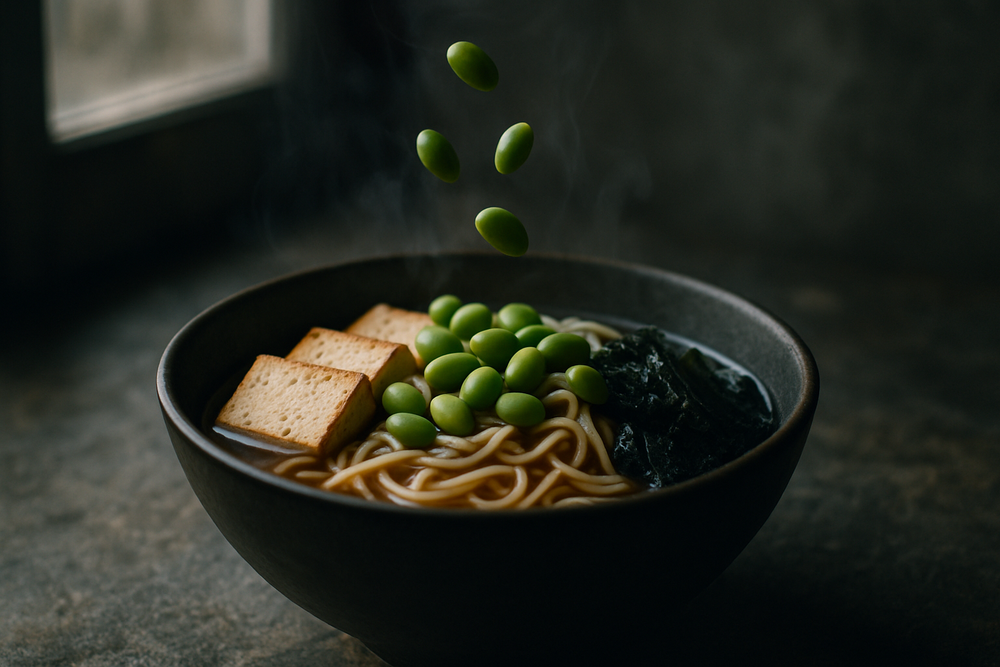
Shop This Ingredient
Stock your pantry with quality ramen noodles.
Buy on AmazonAs an Amazon Associate, Plantopedia earns from qualifying purchases. This costs you nothing extra and helps us keep the encyclopedia free.
Frequently Asked Questions
The research landscape on ramen is dominated by observational studies — meaning scientists tracked what large populations ate and looked at health outcomes over time. There are no clinical trials testing ramen noodles as a therapeutic food. Keep that in mind as you read below. Heart and circulation This is where the most consistent evidence sits, and it is largely a cautionary story. A well-cited Korean cohort study found that women who ate instant noodles two or more times per week had a higher risk of metabolic syndrome — a cluster of conditions including high blood pressure, high blood sugar, elevated triglycerides, and low HDL cholesterol — even after adjusting for overall calorie intake. The suspected culprits are sodium and saturated fat from the seasoning packet and frying oil, not the noodle itself. Plain noodles in a low-sodium homemade broth have not been separately linked to cardiovascular harm. The takeaway: ramen noodles and heart health are only a problem when sodium-heavy seasoning is in the picture regularly. Digestive health and microbiome Plain ramen provides roughly 2 g of fiber per 100 g serving — low by most standards. Dietary fiber is the primary fuel source for beneficial gut bacteria (the microbiome, the community of microorganisms living in your digestive tract). Low-fiber meals move through the gut more slowly and do less to support regularity or microbiome diversity. Ramen noodles won't damage your digestion in isolation, but they shouldn't be replacing higher-fiber foods like legumes, vegetables, or intact whole grains if gut health is a priority. The fix is straightforward: load the bowl. Edamame, bok choy, seaweed, mushrooms, and kimchi all add fiber and gut-friendly compounds that the noodles themselves can't provide. Blood sugar and metabolism Refined wheat noodles have a high glycemic load (a measure of how much and how quickly a food raises blood glucose). With 75 g of carbohydrate and only 2 g of fiber per 100 g dry, plain ramen can cause a rapid rise in postprandial blood glucose (blood sugar after eating), particularly when eaten alone or in large portions. For most healthy people, an occasional bowl is not a metabolic event. For people with insulin resistance (reduced ability of cells to respond to insulin) or type 2 diabetes, portion control and pairing ramen with non-starchy vegetables, lean protein, and healthy fat helps flatten the blood sugar curve. Evidence is mixed on whether ramen noodles and blood sugar are a serious concern for people without pre-existing metabolic conditions — the bigger issue is frequency and portion size. Inflammation and recovery There are no human trials measuring inflammatory biomarkers in response to plain ramen noodle consumption. The indirect evidence comes from research on ultra-processed diets broadly: diets high in refined carbohydrates, sodium, and saturated fat are associated with higher markers of systemic inflammation (the immune system's chronic low-level activation, which plays a role in heart disease, diabetes, and other conditions). The pro-inflammatory risk appears tied specifically to fried instant noodles eaten frequently, not to plain wheat noodles used occasionally in a vegetable-rich meal. Anti-inflammatory toppings — ginger, garlic, leafy greens, omega-3-rich fish — can meaningfully shift the inflammatory character of a ramen bowl. Hormones and cycle health Hormone-specific data for ramen are sparse. The Korean cohort mentioned above found a stronger association between frequent instant noodle intake and metabolic syndrome in women than in men, which researchers speculated could relate to sex-specific differences in fat metabolism or hormonal environment. These findings are preliminary, and the mechanism is unclear. For people managing PCOS (polycystic ovary syndrome), a hormone-related condition often linked to insulin resistance, frequent high-glycemic, high-sodium meals are generally discouraged. Plain ramen as an occasional component of a balanced, plant-forward diet is a different matter from relying on instant packets daily.
Choosing the right form makes a substantial difference to ramen noodles nutrition facts. Fresh or refrigerated plain ramen noodles are the best everyday choice: not pre-fried, lower in fat, and free of seasoning packets. They cook in 2–3 minutes and have a clean ingredient list (flour, water, kansui, sometimes egg). Dried plain alkaline wheat noodle bricks (no seasoning) are widely available and a close second. Check that the ingredient list is short: wheat flour, water, alkaline salts. Set the flavor packet aside. Instant ramen with the seasoning packet is the most convenient but most nutritionally compromised form. If you use it, consider using only half the packet and supplementing flavor with garlic, ginger, miso paste, or citrus — you can cut sodium dramatically without sacrificing taste. Whole-wheat or high-fiber ramen-style noodles are an emerging specialty product with better fiber and micronutrient profiles. They aren't yet widely studied but are a sensible upgrade for people who eat ramen frequently and want the ramen noodles health benefits side of the ledger to improve.
The budget-conscious plant-based eater Plain ramen noodles are one of the most affordable grain bases available, making nutritious meals accessible on tight budgets. Paired with frozen edamame, bok choy, a soft-boiled egg or tofu, and miso broth, a complete and reasonably balanced bowl costs under $2. Skipping the seasoning packet eliminates the main nutritional downside without increasing cost. The person transitioning away from ultra-processed convenience foods If instant ramen with the full packet is a daily habit, moving to plain noodles in homemade broth is a meaningful, achievable first step — not a total lifestyle overhaul. This transition can reduce sodium intake by 1,000+ mg per meal while preserving the comfort and convenience factor. Starting with low-sodium miso broth and adding one or two vegetable toppings builds the habit gradually.
There is no established therapeutic dose for ramen noodles — they are a food, not a supplement. The guidance below is based on general healthy-eating principles and the observational data available. Portion size: A practical serving of plain dry ramen noodles is 60–80 g (roughly one block or nest), which yields a satisfying bowl when paired with broth and toppings. The 100 g figure used in nutrition tables is a reference amount, not necessarily a recommended serving. Frequency: Observational studies suggest that eating instant ramen two or more times per week is associated with less favorable cardiometabolic markers, particularly in women. This finding applies specifically to instant ramen with seasoning packets — not to plain noodles in homemade broth. Plain ramen used as one of several grain options in a varied diet is a different scenario. Practical guidance: If using instant ramen with the full packet, try to limit it to once a week or less and offset it with lower-sodium, higher-fiber meals throughout the day. If using plain dried or fresh ramen in homemade broth, frequency is less of a concern than overall dietary balance. Always build the bowl: aim for the noodles to occupy roughly one-quarter of the bowl, with the rest filled by protein and vegetables. Is it safe to eat ramen noodles every day? For most healthy people, plain ramen daily is unlikely to be harmful if sodium is controlled and the bowl is nutrient-dense. Daily instant ramen with the full seasoning packet is harder to justify nutritionally given the consistent observational data.
Quick Answers
Common questions, answered in a line.
Standard ramen noodles are made from wheat and contain gluten proteins like gliadin and glutenin. Individuals with celiac disease or a diagnosed wheat allergy must avoid traditional ramen entirely and should look for rice-based or buckwheat-based alternatives instead.
Most commercial ramen noodles are enriched with B vitamins like thiamin (vitamin B1) and iron to replace nutrients lost during the milling process. While refined ramen is lower in nutrients than whole wheat, these artificial additions provide basic nutritional support.
High sodium intake from frequent instant ramen consumption can reduce the effectiveness of antihypertensive medications like ACE inhibitors, beta-blockers, and diuretics. The seasoning packets often contain up to 70% of the daily recommended sodium limit, which may counteract blood-pressure-lowering treatments.
To lower the glycemic impact of ramen, pair the noodles with healthy fats like coconut milk or peanut butter, and add fiber-rich vegetables and protein. These additions help slow gastric emptying, which can moderate the blood glucose spikes typically caused by refined carbohydrates.
Fried instant noodles contain Maillard reaction products and higher fat content due to the high-heat pre-frying process used to create their crunch. These compounds contribute to flavor but offer no health benefits and increase the total calorie count compared to plain, unfried noodles.
Plain ramen noodles are a neutral refined grain that provides a quick-cooking carbohydrate base with modest protein and low fiber. While not a "health food" on their own, they are not inherently harmful when used as a base for nutrient-dense toppings like vegetables and lean proteins.
Yes, ramen noodles contain phenolic acids like ferulic acid and trace amounts of carotenoids, though these are significantly reduced during the refining process. Most of these beneficial plant compounds are concentrated in the wheat bran, which is removed during milling.
For Readers in the USA
Local context — sourcing, seasonality, and regional notes.
In the United States, ramen noodles are available year-round at major grocery chains like Walmart, Kroger, and Safeway, as well as specialty Asian markets such as H Mart or Mitsuwa. You can find them in the international aisle as instant packs or in the refrigerated section as fresh, alkaline noodles.
The USDA requires that enriched wheat flour used in U.S.-made ramen noodles must be fortified with specific amounts of folic acid, thiamin, riboflavin, niacin, and iron. This federal mandate was established to help prevent nutrient deficiencies, particularly neural tube defects, across the general population.
While instant ramen is a shelf-stable pantry staple across the U.S., regional "ramen belts" in cities like New York, Los Angeles, and Chicago have popularized gourmet, vegetable-heavy versions in restaurant culture. These urban hubs often lead trends in "better-for-you" ramen, utilizing locally sourced seasonal produce and organic noodle varieties.
When buying ramen in the U.S., look for the USDA Organic seal to ensure the wheat was grown without synthetic fertilizers or pesticides and the noodles contain no artificial preservatives. Additionally, check for the "Whole Grain Council" stamp if you are looking for rare whole-wheat ramen varieties that offer more fiber than standard refined noodles.
AI Clinical Review
- Clearly distinguishes plain/fresh ramen from fried instant noodles with seasoning packets, and correctly identifies the seasoning as the major sodium source.
- Accurately frames plain ramen as a refined wheat product with modest protein and low fiber, so broth, toppings, and portions drive most health impact.
- Summarizes observational links between frequent instant-ramen intake and metabolic syndrome, emphasizing sodium and frying oils rather than the noodle alone.
- Offers practical upgrades that align with nutrition guidance (use plain noodles, low‑sodium broth, add vegetables/protein, consider smaller portions).
- Most data are observational (associations, not cause‑and‑effect); randomized trials testing ramen patterns or swaps are scarce.
- Ramen‑specific research on inflammation, gut microbiome, and post‑meal glucose responses is limited; many points are extrapolated from refined‑carb and ultra‑processed diet studies.
- Sex‑specific findings and “2+ times/week” risk signals come primarily from Korean cohorts and may not generalize across countries, brands, or preparation methods.
- Newer options (whole‑wheat/high‑fiber, air‑dried or baked noodles) look promising but lack outcome studies.
- Sodium: seasoning packets often add ~1,100–1,600 mg. High sodium can blunt blood‑pressure medications and worsen fluid retention; people with hypertension, heart failure, or chronic kidney disease should favor plain noodles and low‑sodium broths and review targets with a clinician.
- Gluten: traditional ramen contains wheat/gluten; those with celiac disease or wheat allergy need gluten‑free alternatives (e.g., rice noodles, 100% buckwheat soba).
- Blood sugar: refined noodles have a high glycemic load (how quickly/how much they raise blood glucose). If you have diabetes or use insulin/sulfonylureas, monitor your response and keep portions modest (about 60–80 g dry as a starting point) with added protein/fiber.
- Kids and pregnancy: frequent instant ramen can displace more nutrient‑dense foods; pregnancy does not increase sodium needs, so keeping packet/broth sodium in check remains wise. MSG is generally safe for most people, though individuals with sensitivity can limit it.
Contains gluten; choose plain noodles over ultra-processed instant packets high in sodium.
References
- USDA FoodData Central — noodles, japanese, soba, dry (wheat/starch reference for plain alkaline noodles) (fdc.nal.usda.gov)
- MyPlate.gov — Grains food group guidance (myplate.gov)
- Healthline — Are Instant Ramen Noodles Bad for You, or Good? (nutrition overview and Korean cohort reference) (healthline.com)
- WebMD — What to Know About Ramen Noodles (health considerations and sodium data) (webmd.com)
- Health.com — What Happens to Your Body When You Eat Ramen Noodles Every Day (nutrient breakdown and metabolic risk) (health.com)
- Food Network Healthy Eats — Untangling the Facts About Instant Ramen Noodles (dietitian commentary on sodium and ultra-processing) (foodnetwork.com)
- immi Eats — Is Ramen Healthy? The Truth About Instant Noodles (macro estimates and packet sodium data) (immieats.com)
- URMC Health Encyclopedia — Ramen Noodles (USDA-derived nutrition facts) (urmc.rochester.edu)
- NIH National Institute of Diabetes and Digestive and Kidney Diseases — Eating, Diet, and Nutrition for Kidney Disease (sodium and kidney disease context) (niddk.nih.gov)
Know Your Numbers
Eating healthy is a start. Now get to know your biomarkers.
Food changes bloodwork — inflammation, lipids, blood sugar and nutrient status all respond to what you eat. 59 markers from $59.
- Results in 7–10 days at 2,000+ Quest sites
- Licensed provider reviews every result
- One flat price, no membership, HSA/FSA eligible
Educational information only, not medical advice. Panels are ordered and reviewed through our licensed partner; Plantopedia may earn a commission.