Arborio Rice — health benefits and uses
Traditionally valued in northern Italian kitchens as a warming, sustaining winter staple.
The Short Answer
Arborio rice is a short-grain Italian rice used for risotto because its high amylopectin content creates a naturally creamy sauce when stirred. While high in quick-energy carbohydrates, it provides 3 grams of protein per serving and is naturally fat-free.
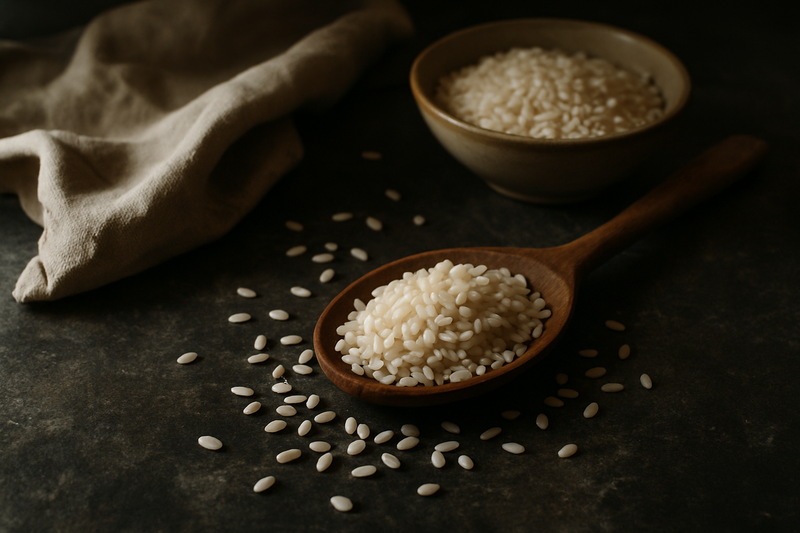
Arborio Rice · Photograph
Discover the real arborio rice health benefits and side effects — from its creamy risotto texture and quick energy to its glycemic index, blood sugar impact, and how to balance it in a plant-based diet. Includes nutrition facts, portion guidance, and safety notes.
Key Nutrients
% Daily Value based on 2,000 cal diet
Key active compounds
- Amylopectin — A highly branched form of starch that gelatinizes (thickens and becomes gel-like) during cooking. This is the molecule responsible for arborio's creamy texture and also its relatively high glycemic index, since branched starches are digested quickly.
- Resistant starch (formed after cooling) — When cooked arborio rice is fully cooled, some of its starch "retrograde" (recrystallizes), becoming resistant starch — a portion of starch that resists digestion in the small intestine and instead feeds beneficial bacteria in the large intestine. Specific quantities for arborio have not been formally measured, but the effect has been demonstrated for white rice broadly.
- Amylose — A smaller, straight-chain starch fraction present in arborio at lower levels than in long-grain varieties. Less amylose relative to amylopectin is part of why arborio sticks and creamifies more than, say, basmati rice.
Prep and pairing ideas
Arborio rice is almost always cooked by the risotto method: add warm broth gradually and stir frequently so the starch releases slowly into the liquid. Here are three combinations that boost nutritional value without sacrificing the creamy satisfaction:
1. Mushroom and white bean risotto Sauté mushrooms (umami richness + B vitamins) and stir in cooked cannellini beans at the end. The beans add protein and soluble fiber that slow starch digestion and lower the meal's overall glycemic load. Finish with a drizzle of good olive oil for healthy monounsaturated fats.
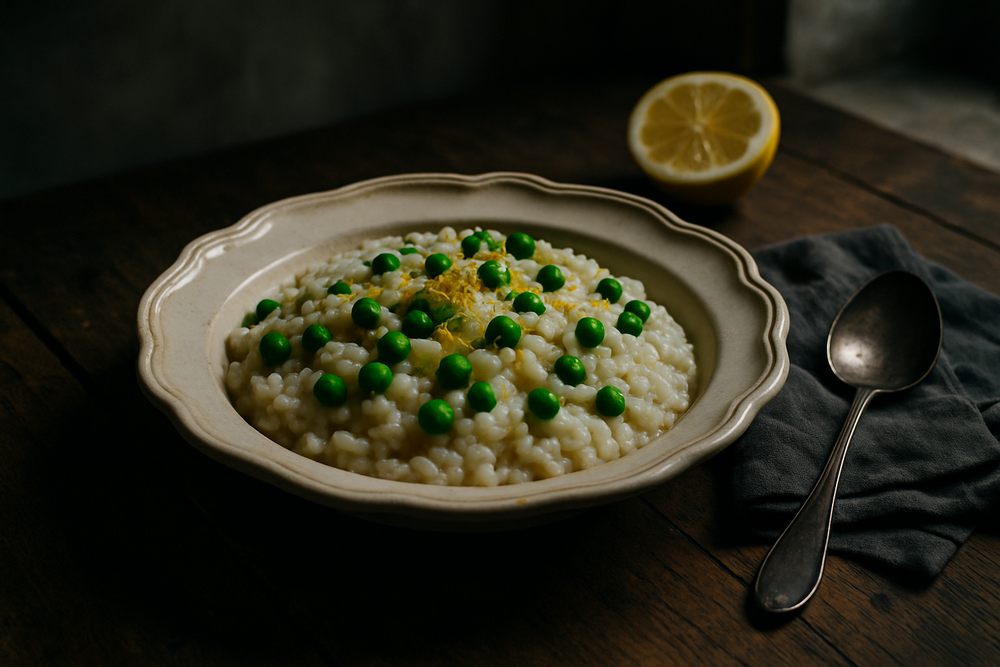
2. Pea, lemon, and spinach risotto Stir frozen peas in near the end of cooking — they add plant protein, vitamin C, and fiber. Baby spinach wilted in at the last minute contributes iron, folate, and magnesium. The lemon zest brightens flavor without any cream or butter.
3. Cooled arborio grain bowl Cook a larger batch of arborio, spread it thin, refrigerate overnight, then serve cold or gently reheated. Top with roasted chickpeas, cucumber, cherry tomatoes, and tahini dressing. The cooling step increases resistant starch; the chickpeas and vegetables add fiber, protein, and antioxidants.
Bottom line
Arborio rice is a refined short-grain rice with a genuinely useful role in plant-based cooking: it creates creamy, comforting dishes without any dairy, making it easier to build satisfying whole-food plant-based meals. Its nutrition profile is honest — quick energy, modest protein, minimal fat, very little fiber, and a medium-high glycemic index that calls for mindful portions.
It is not a health food in the way that legumes or leafy greens are, but it is not a problem food either when eaten sensibly. The sweet spot is using arborio as a vehicle for vegetables, legumes, herbs, and heart-healthy fats rather than the centerpiece of the plate. For people managing diabetes or watching carbohydrates, smaller portions, food pairing, and the resistant starch trick of cooling leftovers are all practical tools.
Used well, arborio rice is a comfort-food ingredient that can support — rather than undermine — a health-forward diet.
Interested in how arborio rice fits into your broader health goals? Browse Plantopedia's goals guide to find ingredient combinations tailored to what matters most to you.
How Arborio Rice Compares
| Compared with | What's different |
|---|---|
| Arborio Rice vs. Basmati Rice | Contains less amylopectin starch, so grains stay firm and separate rather than creamy. |
| Arborio Rice vs. Sushi Rice (Japonica) | Higher in amylose, producing a sticky, clumped texture rather than a liquid cream. |
| Arborio Rice vs. Brown Rice | Retains the bran and germ, offering significantly more fiber and a nuttier flavor. |
Health Benefits
Things to Know
Glycemic index and blood sugar: Arborio rice has a medium-high GI (~69). Large portions without fiber-rich accompaniments can spike blood sugar. Start with ¼ cup dry per serving and build from there.
Diabetes and insulin use: If you use insulin or glucose-lowering medications (e.g., sulfonylureas), high-carbohydrate meals built on arborio may require dose or timing adjustments. Discuss with your healthcare provider.
Weight management: Arborio-based risotto can be energy-dense and easy to overeat given its satisfying texture. Measuring dry portions before cooking helps manage intake.
Celiac disease and gluten sensitivity: Arborio rice is naturally gluten-free. However, cross-contamination can occur during milling or packaging. Look for certified gluten-free labeling if you have celiac disease.
Nutrient density: As a refined grain, arborio provides less fiber, fewer B vitamins, and fewer minerals than whole-grain alternatives like brown rice or farro. It should complement, not replace, whole grains in a balanced diet.
Pregnancy: Arborio rice is generally safe during pregnancy in normal culinary amounts. Prioritize iron- and folate-rich whole grains as primary staples, with arborio as an occasional option.
Digestive sensitivity: Low fiber content generally makes arborio easy to tolerate for flare-ups of IBS or post-GI illness. For long-term gut health, reintroduce higher-fiber whole grains when tolerated.
Glossary
Shop This Ingredient
Stock your pantry with quality arborio rice.
Buy on AmazonAs an Amazon Associate, Plantopedia earns from qualifying purchases. This costs you nothing extra and helps us keep the encyclopedia free.
Frequently Asked Questions
Heart and circulation Arborio rice itself has not been studied in cardiovascular clinical trials. What it does offer is an essentially fat-free, cholesterol-free base (0 g saturated fat per serving) that can replace cream, butter, and cheese in traditional risotto recipes. When dairy is swapped for a plant-based broth-and-vegetable risotto built on arborio, the saturated fat content of the dish drops substantially. Broad nutrition research consistently links lower saturated fat intake with reduced LDL ("bad") cholesterol. That said, eating large portions of any refined, high-glycemic grain without adequate fiber has been associated in epidemiological research with higher cardiometabolic risk — so context and overall diet quality matter far more than the rice alone. Digestive health and microbiome Arborio's low fat and near-zero fiber content makes it gentle on the gut lining and easy to digest — a property shared with other refined white rices. This is why low-fiber white rice has historically been used in bland recovery diets for gastrointestinal upset. For people with irritable bowel syndrome (IBS) flares, post-surgery recovery, or acute digestive sensitivity, arborio rice can be a comfortable, low-irritant carbohydrate source. The flip side: almost no fiber means minimal direct benefit to your gut microbiome (the trillions of bacteria that live in your large intestine and influence immunity, mood, and metabolic health). Long-term digestive wellness needs more diverse fiber than arborio alone provides. One notable exception: cooling cooked arborio rice increases its resistant starch content through retrogradation. Resistant starch acts as a prebiotic — food for beneficial gut bacteria — and may modestly lower the blood sugar impact of leftover rice dishes compared with freshly cooked, piping-hot servings. Blood sugar and metabolism This is where being informed really pays off. Arborio rice has a reported glycemic index (GI) of approximately 69 — "medium-high" on most scales (low GI is under 55, high GI is 70+). The GI measures how quickly a food raises blood glucose compared with pure glucose. A ¼ cup dry serving provides about 36 g of rapidly digestible carbohydrate, which can cause a noticeable post-meal blood sugar rise, particularly when eaten alone or in large amounts. For physically active people, this quick energy can be a feature rather than a flaw — especially for replenishing muscle glycogen (the stored form of glucose in muscles) after exercise. For people with type 2 diabetes, prediabetes, or insulin resistance, portion control and food pairing are essential: combining arborio rice with non-starchy vegetables (e.g., spinach, mushrooms, peas), legumes (e.g., white beans, lentils), and healthy fats (e.g., olive oil, nuts) slows starch digestion and blunts post-meal glucose spikes. Research on rice glycemic index consistently shows that pairing strategies matter as much as the grain itself. There are no clinical trials specifically on arborio rice and diabetes outcomes; current guidance is extrapolated from broader refined-grain and glycemic-index research. Inflammation and recovery Arborio rice does not contain notable antioxidants or anti-inflammatory polyphenols (plant compounds that help neutralize cell-damaging free radicals), unlike colored grains such as black or red rice. High habitual intake of refined, high-glycemic carbohydrates has been associated with elevated inflammatory markers in epidemiological research. However, modest, infrequent portions of arborio within an otherwise plant-rich diet are unlikely to have a meaningful independent effect on inflammation. Think of arborio as neutral on this front — its inflammatory "footprint" is largely shaped by what surrounds it on the plate.
| Form | Best for | Notes | | --- | --- | --- | | Dry uncooked (standard) | Risotto, rice pudding | Most widely available; 160 kcal per ¼ cup dry | | Freshly cooked (hot) | Immediate serving, comfort meals | Highest glycemic impact; amylopectin fully gelatinized | | Cooked and cooled (leftovers) | Grain salads, cold risotto cakes | Resistant starch increases; modest GI reduction | | Parboiled or partially milled | Slightly more micronutrients | Less common; limited data; still a refined product | For most people, standard dry arborio cooked fresh is the go-to. If blood sugar management is a priority, making a slightly larger batch and eating leftovers cold — or reheating them gently after full cooling — can provide a small but real glycemic advantage via resistant starch formation.
The active plant-eater Needs accessible carbohydrate for training energy and recovery Appreciates a filling, satisfying meal that keeps up calorie needs on a plant-based diet Can use arborio as a post-workout base, pairing it with legumes and vegetables for a complete meal The quick-digesting starch works in their favor after exercise The comfort-food-focused newcomer to plant-based eating Wants familiar, creamy, satisfying food while removing dairy Arborio's natural creaminess means no dairy-based substitutes needed in risotto A low barrier to entry — most people already enjoy risotto-style dishes Can gradually improve nutritional quality by adding more vegetables and legumes to the pot
Most packaged arborio rice labels use ¼ cup (about 45 g) dry as a single serving, which cooks up to roughly ¾ cup of risotto. For a main-course serving, ⅓ to ½ cup dry (about 60–90 g) per person is common in culinary practice, yielding about 215–320 kcal from the rice itself before accounting for broth, vegetables, and other add-ins. General guidance by goal: General healthy eating: ¼–½ cup dry (45–90 g) per meal, a few times per week, alongside abundant non-starchy vegetables and a protein source (legumes, tofu, tempeh). Blood sugar management: Start at ¼ cup dry (45 g) per sitting; monitor your personal response, and always pair with fiber and protein. Spacing arborio meals across the week — rather than daily — reduces cumulative glycemic load. Active individuals: ½ cup dry (90 g) or more may be appropriate around workouts as an energy source; total daily carbohydrate intake and activity level should guide portions. Weight management: Measure dry before cooking. Arborio absorbs a large amount of broth and can look like a modest portion in the bowl while still being quite calorie-dense. There is no single "right" daily amount — individual carbohydrate tolerance, activity level, and overall diet composition all matter. If you are unsure, a registered dietitian can help calibrate portions to your specific needs.
Quick Answers
Common questions, answered in a line.
Arborio rice has a medium-high glycemic index of approximately 69, meaning it can cause blood sugar levels to spike if eaten in large, isolated portions. To manage this impact, it is best to pair the rice with fiber-rich vegetables, legumes, and healthy fats.
Arborio rice is naturally gluten-free and safe for those with gluten sensitivities or celiac disease. However, it is important to check for certified gluten-free labeling to ensure no cross-contamination occurred during the milling or packaging process.
You can increase the resistant starch in arborio rice by fully cooling the cooked grain in the refrigerator overnight. This process, known as retrogradation, allows the starch to recrystallize so it can feed beneficial bacteria in the large intestine.
Arborio rice gets its signature creamy texture from amylopectin, a highly branched starch molecule that gelatinizes and thickens during the cooking process. Because it has less amylose than long-grain varieties, the grains stick together and create a gel-like consistency.
A standard healthy portion of arborio rice starts at 1/4 cup of dry grains per serving. Because risotto can be energy-dense and easy to overeat, measuring the dry portions before cooking is a helpful tool for weight management.
Arborio rice is often well-tolerated during IBS flare-ups or after gastrointestinal illness because it is a refined grain with low fiber content. While easy on the digestive system in the short term, higher-fiber grains should be reintroduced for long-term gut health.
To make arborio rice more nutritious, pair it with mushrooms for B vitamins, peas for plant protein and vitamin C, or spinach for iron and magnesium. Adding beans or lentils provides soluble fiber that lowers the overall glycemic load of the meal.
For Readers in the USA
Local context — sourcing, seasonality, and regional notes.
Arborio rice is grown commercially in the United States, primarily in California’s Sacramento Valley and parts of the Mississippi Delta, including Arkansas and Louisiana. Domestic production ensures a steady, year-round supply for American consumers, reducing the need for imported Italian varieties.
You can find arborio rice at most major US supermarkets like Kroger, Publix, and Safeway, typically located in the international aisle near Italian goods or in the specialized rice section. It is also a staple at specialty retailers like Whole Foods Market and Trader Joe’s, where organic and domestic options are common.
Look for the USDA Organic seal to ensure the arborio rice was grown without synthetic fertilizers or pesticides, and check for 'Enriched' labels, which indicate the FDA-mandated addition of thiamin, niacin, and iron. While arborio is naturally gluten-free, some US brands may include 'processed in a facility with wheat' warnings for those with severe allergies.
AI Clinical Review
- Arborio rice is naturally gluten‑free, low in fiber, and relatively quick to digest, which many people with sensitive stomachs find soothing.
- The creamy texture comes from high amylopectin content; using arborio as a base can reduce reliance on dairy in risotto without sacrificing mouthfeel.
- The glycemic impact is higher than most whole grains; pairing with legumes, vegetables, and healthy fats and keeping portions modest can help manage post‑meal glucose.
- Cooling cooked rice increases resistant starch, which can modestly lower glycemic response and provide some prebiotic benefit.
- Positioning arborio as an occasional comfort‑food ingredient within a plant‑rich pattern aligns with broader nutrition guidance.
- The exact glycemic index for arborio varies by cultivar, cooking time, firmness, and serving temperature; “~69” is a reasonable estimate but not a universal value, and individual glucose responses can differ.
- The amount of resistant starch formed in arborio specifically hasn’t been well quantified; the metabolic benefit from cooling appears modest and may not be clinically significant for everyone.
- There are no clinical trials on arborio itself and cardiometabolic outcomes; inferences come from data on refined grains and white rice in general.
- Microbiome benefits from resistant starch are biologically plausible, but meaningful changes from typical leftover‑rice portions in everyday diets remain uncertain.
- Portions: For most adults, about 1/4–1/2 cup dry (45–90 g) per meal is a practical range; those using insulin or glucose‑lowering drugs should monitor glucose and coordinate dosing with their care team.
- Food safety: Leftover rice can harbor Bacillus cereus if cooled slowly; refrigerate within 1–2 hours, store cold (≤40°F/4°C), and eat within 3–4 days; reheat thoroughly.
- Arsenic: All rice can contain inorganic arsenic. White rice generally has less than brown, but levels vary by growing region. Rotate grains (e.g., quinoa, farro, barley, oats) and, when not making risotto, consider rinsing and/or cooking in excess water to reduce arsenic.
- Gluten‑free but not always “safe” for celiac: Cross‑contact can occur during processing or via broth/add‑ins; choose certified gluten‑free products if you have celiac disease.
- Sodium and calories come mostly from the recipe, not the grain; choose lower‑sodium broth and measure added fats if you’re managing blood pressure or weight.
Refined and high on the glycemic index; balance with vegetables and legumes.
References
- USDA FoodData Central — short-grain white rice nutrition (fdc.nal.usda.gov)
- MyPlate.gov — grains overview and serving guidance (myplate.gov)
- Foodstruct — arborio rice nutrition: calories, carbs, GI, protein, fiber, fats (foodstruct.com)
- Pastene Italian Arborio Rice — product nutrition label (pastene.com)
- DietCompass — arborio rice nutrition per 100 g (dietcompass.org)
- DiabeticDietPro — arborio rice for diabetics: glycemic impact and portion guide (diabeticdiet.pro)
- TimesFoodie — arborio rice nutritional benefits: is it healthy? (timesfoodie.com)
- Nutrition Value — arborio rice by Riviana Foods Inc. (nutritionvalue.org)
- NIH NCCIH — rice and glycemic index background (nccih.nih.gov)
- Listonic — arborio rice nutrients, health benefits, and shopping tips (listonic.com)
Know Your Numbers
Eating healthy is a start. Now get to know your biomarkers.
Food changes bloodwork — inflammation, lipids, blood sugar and nutrient status all respond to what you eat. 59 markers from $59.
- Results in 7–10 days at 2,000+ Quest sites
- Licensed provider reviews every result
- One flat price, no membership, HSA/FSA eligible
Educational information only, not medical advice. Panels are ordered and reviewed through our licensed partner; Plantopedia may earn a commission.