Calrose Rice — health benefits and uses
A California-bred cultivar that became a staple across Pacific and Asian-American kitchens.
The Short Answer
Calrose rice is a medium-grain variety known for its tender, sticky texture and mild flavor. It provides 205 calories and 37g of carbohydrates per cooked cup, making it an easily digestible, gluten-free energy source.
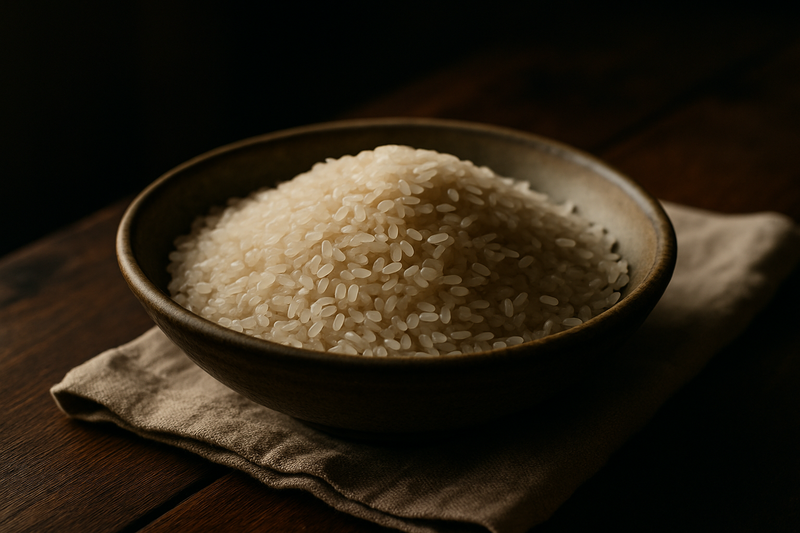
Calrose Rice · Photograph
Explore Calrose rice health benefits and nutrition facts, including calories, carbs, glycemic index, blood sugar impact, and how to enjoy this tender medium-grain rice as part of a balanced everyday diet.
Key Nutrients
% Daily Value based on 2,000 cal diet
Key active compounds
Calrose is not a phytochemical-rich food in the way that dark leafy greens or berries are, but a few compounds are worth knowing about:
- Amylopectin starch — The dominant starch in sticky medium-grain rice. It is a highly branched molecule that digestive enzymes break down quickly into glucose, which is the main reason Calrose has a high glycemic index and releases energy fast.
- Resistant starch (RS) — A small fraction of starch that resists digestion in the small intestine and travels to the colon, where gut bacteria ferment it. Freshly cooked Calrose has very little RS, but cooking, cooling overnight, and reheating slightly increases it — a useful trick for nudging the glycemic response downward.
- Gamma-oryzanol (trace amounts) — A group of antioxidant compounds concentrated in rice bran. White Calrose, which has had its bran removed, contains only trace levels. Brown Calrose retains considerably more. In larger amounts (as found in rice bran oil or brown rice), gamma-oryzanol has shown modest benefits for lipid profiles in some human studies.
Does Calrose rice benefit your health? What research suggests
Heart and circulation
Plain cooked Calrose is naturally low in fat and contains no cholesterol or saturated fat, so it does not directly raise LDL ("bad") cholesterol the way fatty animal foods can. Within a heart-healthy eating pattern, a moderate portion of rice as a base for vegetables, legumes, and lean protein is perfectly reasonable.
That said, Calrose is not a cardioprotective food on its own. Observational research on large human populations consistently links high refined grain intake with increased risk of type 2 diabetes and cardiometabolic disease compared with diets emphasizing whole grains. The practical takeaway: Calrose can fit in a heart-healthy diet, but it works best when it complements — rather than replaces — fiber-rich whole grains like brown rice, oats, or barley.
Digestive health and Calrose rice benefits for digestion
Calrose's low fiber content, bland flavor, and gluten-free status make it one of the easiest-to-digest carbohydrate sources available. Dietitians and gastroenterologists frequently recommend plain white rice as part of soft or bland diets during acute GI upset (stomach flu, diarrhea, post-surgery recovery), and Calrose's cohesive texture makes it particularly gentle on an unsettled stomach.
It is also a low-FODMAP food — meaning it is very low in fermentable carbohydrates that can trigger bloating and cramping in people with irritable bowel syndrome (IBS). For long-term digestive health, however, the low fiber content is a limitation: dietary fiber feeds beneficial gut bacteria and supports bowel regularity. Rotating Calrose with higher-fiber grains and legumes is a smart long-term strategy.
Calrose rice and blood sugar: the glycemic index story
This is where Calrose rice nutrition facts matter most for many people. Medium-grain white Calrose rice has a glycemic index (GI) — a 0–100 scale measuring how quickly a food raises blood sugar compared with pure glucose — of approximately 73 to 83 depending on the study and cooking method. Its glycemic load (GI adjusted for a realistic portion size) comes in around 36 for a 150 g cooked serving, which is considered high.
In plain English: a standard cup of Calrose rice raises blood sugar significantly and relatively quickly. For most healthy adults eating balanced meals, this is manageable. For people with diabetes, prediabetes, or insulin resistance, frequent large servings can make blood sugar control noticeably harder.
Practical evidence-backed strategies to moderate Calrose's glycemic impact:
- Reduce portion size to about ½ cup cooked per meal
- Pair with fiber, protein, and healthy fat — vegetables, legumes, tofu, eggs, avocado, or fish all slow digestion and flatten the glucose curve
- Cool and reheat — overnight refrigeration modestly increases resistant starch, slightly lowering GI
- Switch to brown Calrose for a lower-GI, higher-fiber option that still delivers the familiar sticky texture
Inflammation and recovery
There are no human clinical trials showing that Calrose rice directly reduces inflammation. The evidence points the other direction: diets high in refined starches can promote weight gain and insulin resistance over time, both of which drive up chronic inflammation markers. Calrose is not an anti-inflammatory food in the way that olive oil, fatty fish, or berries are — but it is also not inherently harmful when eaten in reasonable amounts within a well-rounded diet.
For athletes or physically active people, Calrose's quick-digesting starch makes it a practical carbohydrate for fueling before exercise or replenishing glycogen (the stored form of glucose in muscles) after a hard workout, particularly when combined with a protein source.
Prep and pairing ideas
Calrose is forgiving and fast to cook. The standard ratio is 1 cup dry Calrose to 1½ cups water — rinse until the water runs mostly clear, bring to a boil, then reduce to a low simmer, cover, and cook for 18–20 minutes. Let it rest, covered, for 5–10 minutes before fluffing.
Common pairings
1. Calrose + edamame + avocado (rice bowl base) Edamame (young soybeans) adds plant protein and fiber; avocado brings monounsaturated fat and additional fiber. Together they substantially slow Calrose's glycemic impact while turning a plain grain into a genuinely filling meal. A drizzle of rice vinegar and sesame seeds rounds it out.
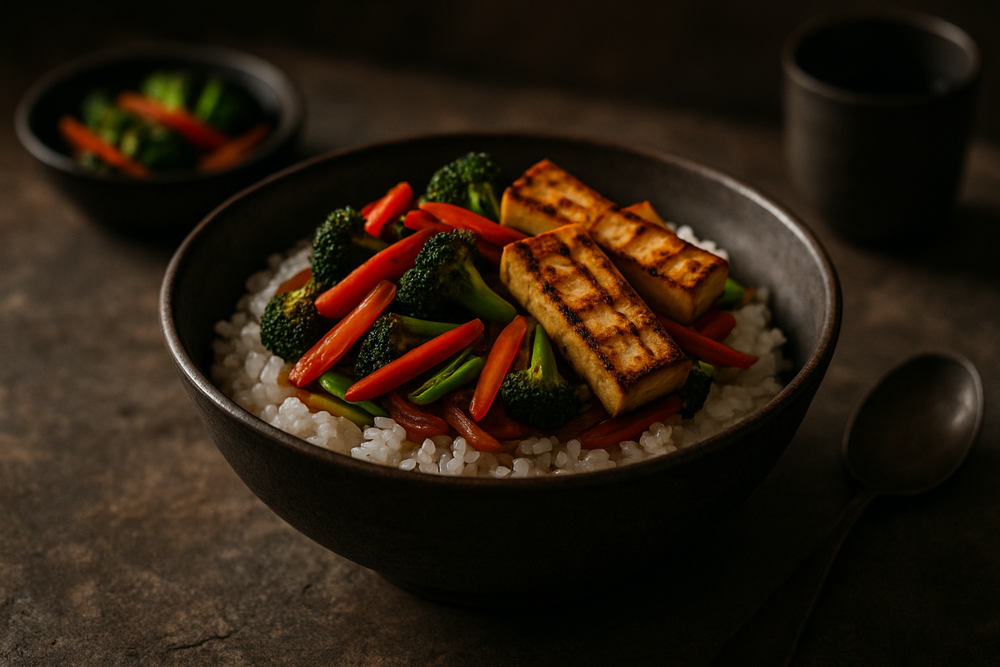
2. Calrose + miso-glazed salmon (or tofu) Protein and omega-3 fats from salmon (or plant protein and isoflavones from tofu) complement the rice's quick energy without spiking blood sugar dramatically. This is the classic Japanese teishoku (set meal) logic — balance the starch with a protein anchor.
3. Calrose + roasted broccoli + soft-boiled egg A simple weeknight formula: the fiber in broccoli and the protein and fat in the egg slow digestion. Broccoli also provides sulforaphane and vitamin C, nutrients largely absent from white rice, making the overall meal far more nutrient-dense than the rice alone.
Bottom line
Calrose rice is a reliable, easy-to-cook staple that earns its place in everyday meals — especially when you want a tender, slightly sticky grain that works beautifully in rice bowls, sushi, and comfort food dishes. It provides quick carbohydrate energy, is naturally gluten-free, and is gentle on the digestive system.
Its main trade-offs are a high glycemic index and modest nutrient density compared with whole-grain alternatives. The most practical approach: enjoy Calrose in moderate portions (½ to 1 cup cooked), pair it generously with vegetables, protein, and healthy fats, consider switching to brown Calrose some of the time, and vary your grain choices across the week to cover nutritional bases and limit arsenic exposure. Used thoughtfully, it is a versatile, satisfying part of a balanced plant-forward diet.
Explore more: Looking for ways to build balanced grain-forward meals? Browse our meal goals guides at Plantopedia for practical templates built around ingredients like this one.
How Calrose Rice Compares
| Compared with | What's different |
|---|---|
| Calrose Rice vs. Basmati Rice | Shorter and stickier with more amylopectin starch than the dry, fluffy long grains of Basmati. |
| Calrose Rice vs. Sushi Rice (Short Grain) | Slightly longer and less starchy than the round pearls used for traditional sushi. |
| Calrose Rice vs. Brown Rice | Higher in fiber and antioxidants like gamma-oryzanol because the bran layer remains intact. |
Health Benefits
Things to Know
Blood sugar caution: Large, frequent servings of white Calrose can significantly raise blood glucose. People with type 2 diabetes, type 1 diabetes, prediabetes, insulin resistance, or metabolic syndrome should monitor portion sizes closely and pair rice with lower-GI foods.
Medication interactions: If you take insulin, sulfonylureas, GLP-1 receptor agonists (such as semaglutide), or SGLT2 inhibitors, sudden large changes in rice intake can affect glucose levels and may require dose adjustments. Talk to your healthcare provider before making major dietary shifts.
Arsenic awareness: Rice absorbs more inorganic arsenic (a naturally occurring contaminant) from soil and water than most other grains. California-grown Calrose tends to have lower levels than rice from some other U.S. regions, but health organizations still recommend rinsing rice thoroughly before cooking and using excess water (draining off the cooking water) to reduce arsenic content. Varying your grains — including oats, quinoa, millet, or barley — reduces cumulative exposure, which is especially important for infants, young children, and people eating rice multiple times daily.
Celiac disease and gluten sensitivity: Calrose is naturally gluten-free. If you have celiac disease or non-celiac gluten sensitivity, confirm there is no cross-contact with gluten-containing grains during packaging or preparation.
Reactive hypoglycemia: Some individuals experience a rapid blood sugar rise followed by a sharp drop after high-GI meals ("reactive hypoglycemia"). If you notice fatigue, shakiness, or hunger shortly after rice-heavy meals, reducing portion size and adding protein and fat can help.
Weight management: At 180 calories per cup, Calrose is not particularly calorie-dense, but its low fiber and high GI mean it is less satiating than whole grains — meaning you may feel hungry sooner. Bulking up rice meals with vegetables and protein improves satiety.
Pregnancy: White rice is safe during pregnancy. If you eat rice daily, varying your grains and rinsing rice before cooking is a reasonable precaution given arsenic considerations.
Glossary
Shop This Ingredient
Stock your pantry with quality calrose rice.
Buy on AmazonAs an Amazon Associate, Plantopedia earns from qualifying purchases. This costs you nothing extra and helps us keep the encyclopedia free.
Frequently Asked Questions
White Calrose (standard) is the most common form — tender, fast-cooking, and ideal for sushi, rice bowls, and everyday cooking. It has the highest GI and lowest fiber of the options below. Brown Calrose rice retains the bran and germ layers, giving it more fiber, more magnesium, more B vitamins, and more gamma-oryzanol. Its GI is still medium-to-high but meaningfully lower than white Calrose. If blood sugar management or overall nutrient density is a priority, brown Calrose is the better everyday choice — though it takes longer to cook (about 40–45 minutes vs. 18–20 for white) and has a slightly chewier texture. Cooled and reheated Calrose has modestly more resistant starch than freshly cooked white Calrose. It is a simple, no-cost tweak that may offer a small glycemic benefit — useful for meal preppers. Calrose in mixed dishes (rice bowls, stir-fries, sushi rolls with fillings) naturally pairs the rice with protein, fat, and fiber from other ingredients, which collectively slow digestion and moderate blood sugar impact. This is generally the most practical way to enjoy Calrose while managing its high-GI character.
There is no universal "right" amount — it depends on your total calorie needs, activity level, and health status. Some practical anchors from research and dietary guidelines: General adults: ½ to 1 cup cooked per meal (75–150 g) is a common range. Across a full day, most adults who eat rice alongside other carbohydrate sources (bread, pasta, potatoes) do well keeping total Calrose to 1–1.5 cups cooked. Active individuals and athletes: Up to 1.5–2 cups cooked per meal pre- or post-workout can be appropriate when you need substantial carbohydrate replenishment. People managing blood sugar: Starting with ½ cup cooked per meal (about 18–19 g carbohydrate) and monitoring your personal response is a sensible starting point. A registered dietitian can help you dial in portions based on your glucose readings. Children: Smaller portions scaled to body size; vary rice with other grains and limit rice-based drinks and snacks to manage cumulative arsenic exposure. Start low, build gradually if you are new to tracking how rice affects your blood sugar. Pairing strategies matter as much as portion size.
Quick Answers
Common questions, answered in a line.
White Calrose rice has a high glycemic index, typically ranging from 73 to 83, meaning it raises blood sugar significantly and quickly. To manage this impact, the article recommends reducing portions to 1/2 cup and pairing the rice with fiber, protein, and healthy fats.
Calrose rice is an excellent choice for digestive health because it is gluten-free, low in fiber, and very easy to digest. It is frequently recommended for soft or bland diets during acute GI upset, such as stomach flu, and is considered a low-FODMAP food that is gentle on the stomach.
You can lower the glycemic index of Calrose rice by cooking it, refrigerating it overnight, and then reheating it. This process increases the amount of resistant starch, a type of starch that resists digestion in the small intestine and nudges the glycemic response downward.
While rice naturally absorbs arsenic from soil, California-grown Calrose typically contains lower levels than rice from other U.S. regions. To further reduce arsenic content, health organizations suggest rinsing the rice thoroughly before cooking or using excess water and draining it.
To cook Calrose rice, use a ratio of 1 cup of dry rice to 1.5 cups of water. After rinsing until the water is clear, bring to a boil, simmer covered for 18–20 minutes, and then let it rest for 5–10 minutes before fluffing for a tender, sticky texture.
Calrose rice is a practical carbohydrate for athletes because its quick-digesting starch provides fast energy before exercise and helps replenish muscle glycogen after a workout. For recovery, it is best used when combined with a protein source.
Calrose rice is naturally low in fat and contains no cholesterol or saturated fat, making it a safe addition to heart-healthy diets. However, it is most beneficial when paired with fiber-rich whole grains and lean proteins rather than being the primary source of refined grains.
For Readers in the USA
Local context — sourcing, seasonality, and regional notes.
Calrose rice is primarily grown in the Sacramento Valley of California, where the Mediterranean climate and adobe clay soils are ideal for medium-grain varieties. It was developed at the Rice Experiment Station in Biggs, California, and released in 1948, becoming the foundation of the state's rice industry.
You can find Calrose rice at nearly every major US supermarket chain—including Walmart, Kroger, Safeway, and Whole Foods—as well as specialized Asian grocers like H-Mart or 99 Ranch Market. It is commonly sold under brands like Hinode, Nishiki, and Botan, and is often labeled as "sushi rice" or "California medium-grain."
In the US, Calrose rice is a staple in Hawaiian cuisine (often served as "two scoops" in plate lunches) and is the standard choice for Western-style sushi and Poke bowls. Because of its sticky texture, it is also the go-to medium-grain rice for home cooks in the Pacific Northwest and West Coast for everyday meals.
Yes, several US producers offer USDA Certified Organic Calrose rice, which ensures the crop is grown without synthetic fertilizers or prohibited pesticides. California-grown rice is also subject to some of the strictest environmental and water-use regulations in the world, often making it a preferred choice for sustainability-conscious US consumers.
AI Clinical Review
- Clearly explains that Calrose is a refined, gluten‑free, easy‑to‑digest rice with about 180 kcal and ~37 g carbohydrate per cooked cup, and that portion size and meal composition strongly influence blood‑sugar response.
- Correctly links Calrose’s higher glycemic index to its amylopectin‑rich starch and notes that cooling/reheating can modestly increase resistant starch (a small, but real effect).
- Accurately contrasts white vs. brown Calrose: brown retains more fiber, magnesium, and bran‑derived compounds (e.g., gamma‑oryzanol) and generally has a lower GI, with the trade‑off of longer cook time and chewier texture.
- Sensibly discusses arsenic: rice can accumulate inorganic arsenic; California‑grown rice often tests lower than some other U.S. regions, and rinsing/cooking in excess water plus varying grains can reduce exposure.
- Appropriately frames white rice as low‑FODMAP and often well‑tolerated during short‑term GI recovery while encouraging higher‑fiber grains for long‑term gut health.
- Reported GI values for Calrose vary by cultivar, cooking time/texture, and whether the rice is eaten alone or in a mixed meal; real‑world glucose responses differ person‑to‑person (especially for those using CGMs).
- The increase in resistant starch from cooling and reheating is modest and inconsistent across studies; it may help a little but won’t fully offset large portions of white rice.
- Arsenic differences by region are general trends; field‑to‑field and brand variability is considerable, and consumer‑level testing is limited. Preparation methods that lower arsenic can also reduce some nutrients in enriched white rice.
- Evidence that gamma‑oryzanol improves lipids largely comes from rice bran/brown rice or oils; translating those findings to typical servings of white Calrose remains uncertain.
- Blood sugar and medications: If you use insulin, sulfonylureas, SGLT2 inhibitors, or GLP‑1 receptor agonists, noticeable changes in rice portions can alter glucose needs—monitor and coordinate with your clinician.
- Portion guidance: For glucose management, many adults do well starting around 1/2 cup cooked at meals and adjusting based on readings and satiety; athletes may reasonably use larger portions around training for glycogen replacement.
- Arsenic and enrichment trade‑offs: Rinsing and cooking in excess water can lower inorganic arsenic, but if your white rice is enriched, these steps can wash off some added B vitamins and iron. Rotate grains, and exercise extra caution for infants, toddlers, and during pregnancy.
- Kidney disease: Brown rice’s higher potassium and phosphorus may be limiting for some people with chronic kidney disease; white Calrose can be a better fit—confirm with a renal dietitian.
Refined; vary grains and portion mindfully for blood sugar.
References
- USDA FoodData Central — Medium-grain white rice, cooked (nutrition data underpinning this page): (fdc.nal.usda.gov)
- USDA MyPlate — Grains food group guidance (refined vs. whole grains, recommended proportions): (myplate.gov)
- Signos — Glycemic index and glycemic load explainer, including Calrose GI values: (signos.com)
- Your Diabetes Hub — Making rice nice for diabetes (GI values for Calrose and other rice types): (yourdiabeteshub.com)
- Dr. Sumaiya — Choosing the right rice for blood sugar management: a dietitian's perspective: (drsumaiya.com)
- Science Insights — Is Calrose rice healthy? Nutrition facts explained: (scienceinsights.org)
- Low FODMAP Eating — Is Calrose rice healthy? (digestive and FODMAP context): (lowfodmapeating.com)
- MAI Rice — Calrose rice overview, arsenic context, and California-grown rice notes: (mai-rice.com)
- Greenovate Boston — Nutrition data of Calrose rice: (greenovateboston.org)
Know Your Numbers
Eating healthy is a start. Now get to know your biomarkers.
Food changes bloodwork — inflammation, lipids, blood sugar and nutrient status all respond to what you eat. 59 markers from $59.
- Results in 7–10 days at 2,000+ Quest sites
- Licensed provider reviews every result
- One flat price, no membership, HSA/FSA eligible
Educational information only, not medical advice. Panels are ordered and reviewed through our licensed partner; Plantopedia may earn a commission.