Sweet Rice (Glutinous Rice) — health benefits and uses
Central to festival foods across East and Southeast Asia, symbolizing togetherness.
The Short Answer
Sweet rice, or glutinous rice, is a naturally gluten-free grain characterized by its high amylopectin content, which creates a sticky, chewy texture. While it provides quick energy, it has a high glycemic index and should be paired with fiber-rich vegetables
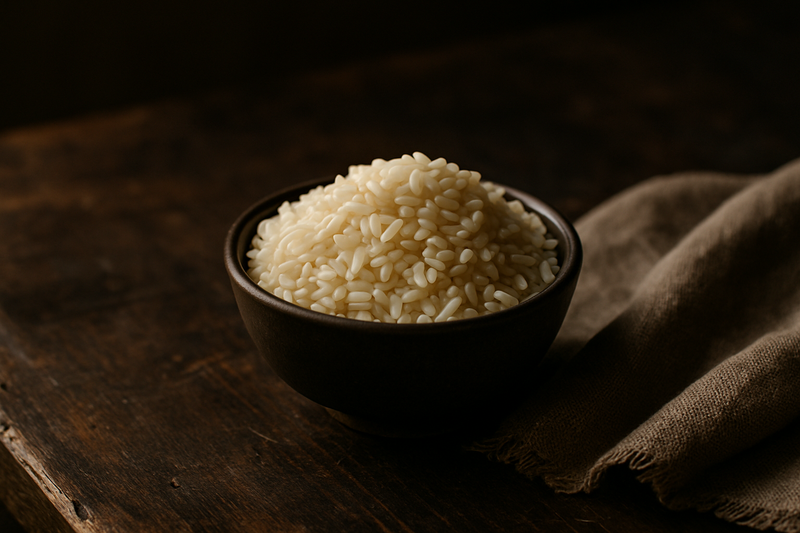
Sweet Rice (Glutinous Rice) · Photograph
Discover sticky rice (glutinous rice) health benefits, nutrition facts, glycemic index, and side effects. Learn whether it's gluten free, how it affects blood sugar, and how to make it part of a balanced meal.
Key Nutrients
% Daily Value based on 2,000 cal diet
Key active compounds
- Amylopectin — The dominant starch in glutinous rice. Highly branched, rapidly digested, responsible for the sticky texture and high glycemic index. Near-zero amylose content is what defines "glutinous" varieties at the molecular level.
- Resistant starch (minimal) — A starch fraction that resists digestion and feeds colonic bacteria. Present in very small amounts in white sticky rice; forms little additional resistant starch even when cooked and cooled, unlike some non-glutinous rice varieties.
- Anthocyanins (black and purple glutinous varieties only) — Flavonoid pigments (plant-based antioxidant compounds) found in the bran of black or purple sticky rice. Associated with antioxidant and potential anti-inflammatory effects. These are absent in standard polished white sticky rice.
- B vitamins (trace in white form) — Polishing removes much of the naturally occurring thiamin, niacin, and B6 present in the bran layer. Glutinous brown rice retains higher levels of these nutrients.
Prep and pairing ideas
Sticky rice rewards simple preparation and is forgiving once you understand its quirks.
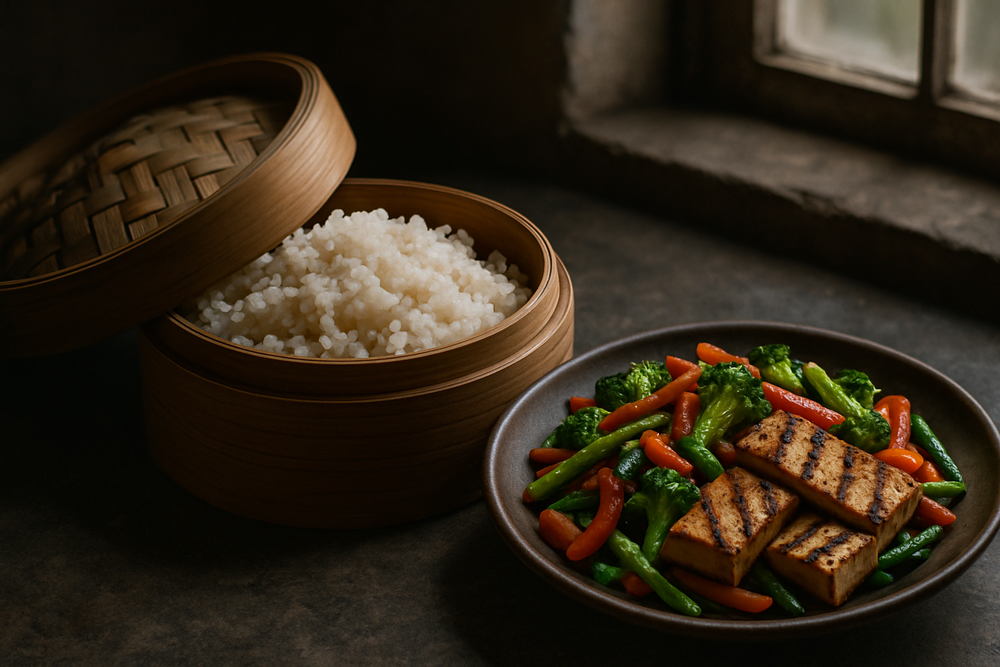
Steaming is preferred over boiling. Traditional preparation soaks the raw grains for 4–8 hours (or overnight), then steams them in a bamboo basket or cloth-lined steamer. Steaming produces drier, more defined grains than boiling, which can make sticky rice waterlogged. A rice cooker with a "sweet rice" or "glutinous rice" setting is a convenient alternative.
Pairing ideas that improve nutritional balance:
- Sticky rice + black beans + roasted vegetables — A classic Southeast Asian-inspired bowl. Beans supply protein and fiber that significantly blunt post-meal blood sugar compared with rice alone, backed by clinical data. Add a drizzle of sesame oil for healthy fat.
- Mango sticky rice (smaller portion) + tofu or grilled shrimp — Thailand's iconic dessert becomes a more balanced light meal when accompanied by a lean protein. Use half the standard rice portion and full-fat coconut milk (in moderation) to slow glucose absorption.
- Glutinous brown rice congee (rice porridge) + soft-boiled egg + ginger — Congee made with glutinous brown rice is easy to digest, warming, and more nutrient-dense than the white version. Egg adds protein; ginger may offer mild anti-inflammatory support.
Bottom line
Sticky rice (glutinous rice) is a culturally beloved, naturally gluten-free grain that delivers quick, compact energy. Its near-zero amylose, almost-pure amylopectin starch is what creates its iconic chewy texture — and also its high glycemic index. For most healthy people eating varied, balanced diets, occasional portions of sticky rice are not harmful. But it is not a health food in the traditional sense: white sticky rice is low in fiber, sparse in micronutrients, and can produce sharp post-meal blood sugar spikes, particularly when eaten in large portions on its own.
The smartest strategies are straightforward: keep portions moderate (around ½ cup cooked as a starting point), always pair sticky rice with protein, healthy fat, and fiber-rich vegetables or legumes, and consider swapping white sticky rice for glutinous brown rice when the recipe allows. People managing diabetes, prediabetes, or cardiometabolic conditions should treat it as an occasional food with careful portion control rather than a daily staple — and always consult their healthcare team about how it fits their individual meal plan.
How Sweet Rice (Glutinous Rice) Compares
| Compared with | What's different |
|---|---|
| Sweet Rice (Glutinous Rice) vs. Jasmine Rice | Higher amylose content makes it fluffy and separate, whereas sweet rice is almost pure amylopectin. |
| Sweet Rice (Glutinous Rice) vs. Brown Rice | A whole grain with 7 grams of fiber per cup, while white sweet rice has only 1.7 grams per serving. |
| Sweet Rice (Glutinous Rice) vs. Arborio (Risotto) Rice | Has a higher amylose content that creates a creamy sauce rather than the chewy, glue-like bind of sweet rice. |
Health Benefits
Things to Know
High glycemic index: White sticky rice has a GI of approximately 75–98. Even moderate portions can produce significant blood sugar spikes, especially when eaten hot, in large amounts, or without protein and fat.
Diabetes and prediabetes: People with type 1 or type 2 diabetes, prediabetes, insulin resistance, or metabolic syndrome (a cluster of conditions including high blood sugar, blood pressure, and waist circumference) should be particularly cautious with portion sizes and meal composition.
Medication interactions: Rapid postprandial glucose spikes from sticky rice may require dose adjustments or careful timing for people taking insulin (including rapid-acting formulations), sulfonylureas, or other glucose-lowering medications such as metformin, GLP-1 receptor agonists, DPP-4 inhibitors, and SGLT2 inhibitors. Discuss dietary changes with your prescriber.
Celiac disease and gluten sensitivity: Sticky rice is naturally gluten-free, but cross-contamination during milling, packaging, or cooking on shared equipment is a real risk. Look for certified gluten-free labeling if you have celiac disease.
Choking hazard: Sticky rice products — especially mochi — are dense, elastic, and highly adhesive. They can obstruct airways quickly. Young children under 3, older adults, and anyone with dysphagia (difficulty swallowing) should avoid eating mochi and similar products, or eat only small, well-chewed pieces under supervision.
High triglycerides and cardiometabolic risk: People with elevated triglycerides or metabolic syndrome who consume large amounts of high-GI refined grains regularly may worsen their cardiometabolic profile over time.
Weight management: Sticky rice is calorie-dense relative to its fiber and satiety value. It is easy to over-eat without feeling full, which can make energy balance harder to maintain for people watching their weight.
Pregnancy: No specific contraindication, but portion control and balanced meals remain important to manage gestational blood sugar.
Prep Ideas
- — **Sticky rice + black beans + roasted vegetables** — A classic Southeast Asian-inspired bowl. Beans supply protein and fiber that significantly blunt post-meal blood sugar compared with rice alone, backed by clinical data. Add a drizzle of sesame oil for healthy fat.
- — **Mango sticky rice (smaller portion) + tofu or grilled shrimp** — Thailand's iconic dessert becomes a more balanced light meal when accompanied by a lean protein. Use half the standard rice portion and full-fat coconut milk (in moderation) to slow glucose absorption.
- — **Glutinous brown rice congee (rice porridge) + soft-boiled egg + ginger** — Congee made with glutinous brown rice is easy to digest, warming, and more nutrient-dense than the white version. Egg adds protein; ginger may offer mild anti-inflammatory support.
Glossary
Shop This Ingredient
Stock your pantry with quality sweet rice (glutinous rice).
Buy on AmazonAs an Amazon Associate, Plantopedia earns from qualifying purchases. This costs you nothing extra and helps us keep the encyclopedia free.
Frequently Asked Questions
Heart and circulation There are no large clinical trials directly measuring white glutinous rice intake and heart disease outcomes. What research does suggest is that regularly eating large portions of high-GI refined grains — including standard white sticky rice — may contribute to elevated triglycerides (blood fats), insulin resistance, and increased type 2 diabetes risk over time, all of which are indirect cardiovascular risk factors. Any heart-health impact of sticky rice is likely mediated through its effects on blood glucose, body weight, and blood fat levels rather than through a unique cardioprotective compound. Swapping white sticky rice for glutinous brown rice when possible aligns better with cardiometabolic dietary guidelines that favour lower-GI, higher-fibre whole grains. Digestive health and microbiome With only about 1.7 g of dietary fiber per cooked cup, white sticky rice contributes very little toward the recommended 25–38 g daily fiber intake. Its starch is almost entirely rapid-digesting amylopectin, so it acts more as a low-residue carbohydrate than a gut-friendly, slowly fermentable grain. Research comparing glutinous and non-glutinous grains found that chilling cooked glutinous rice did not meaningfully increase resistant starch — the fiber-like fraction that feeds gut bacteria and may improve insulin sensitivity — whereas some non-glutinous rice types do form more resistant starch after refrigeration. On the positive side, sticky rice is easy to chew and generally gentle on the gut, which is why it appears in traditional convalescent diets across Asia, though this use is based on cultural practice rather than clinical trials. Blood sugar and metabolism This is where sticky rice nutrition research is most robust. White sticky rice consistently produces high postprandial (after-meal) blood glucose and insulin spikes in both healthy individuals and people with diabetes, with GI values typically between 75 and 98. One study of glutinous rice dumplings in people with poorly controlled type 2 diabetes reported mean post-meal blood glucose values approaching 300 mg/dL at two hours — a dramatic spike by any clinical measure. The picture looks more nuanced with glutinous brown rice (GBR), which retains its bran layer. In one small human trial, participants with type 2 diabetes who ate GBR in place of white rice for a single day showed reduced post-meal glucose excursions across three meals. A separate 8-week study in which participants ate GBR twice daily found significant reductions in 30-minute post-meal glucose, glycoalbumin (a short-term blood sugar marker), and HbA1c (a 3-month blood sugar average) compared with baseline — suggesting that the bran layer makes a meaningful metabolic difference. Research also shows that combining rice with legumes (beans, lentils) significantly reduces post-meal glucose compared with rice eaten alone. For everyday eating, keeping portions to roughly half a cup cooked and pairing sticky rice with protein, fat, and fiber-rich vegetables is a practical, evidence-supported strategy to moderate blood sugar impact. Hormones and incretin responses Incretins are gut-released hormones — particularly GLP-1 (glucagon-like peptide-1) and GIP (glucose-dependent insulinotropic polypeptide) — that signal the pancreas to release insulin after a meal. Emerging research on a specific Japanese glutinous cultivar called Anekomochi found that it produced a lower post-meal glucose rise than other rice varieties and was associated with enhanced insulin action, partly through increased GLP-1 release and activation of nerve pathways in the gut. Separate work on high-resistant-starch rice varieties also showed that altering starch structure can change incretin responses in humans. These findings are intriguing but come from small, controlled experiments using specialized cultivars — not the standard white sticky rice sold in most supermarkets. More research is needed before these hormonal effects can be considered clinically meaningful for everyday consumers. Inflammation and recovery White sticky rice does not contain meaningful amounts of anti-inflammatory phytochemicals — those are mainly found in the bran, which is polished away. Black and purple glutinous rice varieties, which retain their bran, do contain anthocyanins with antioxidant and potential anti-inflammatory properties. For the standard white variety, the main recovery-relevant property is its rapid carbohydrate availability, which athletes sometimes use to quickly replenish muscle glycogen (stored energy in muscle) after intense exercise. This is a practical, carbohydrate-timing use rather than a medicinal benefit.
The answer depends heavily on what you're optimizing for: White glutinous rice is the most common form. It's polished (bran removed), quick-cooking, and produces the classic sticky texture used in mochi, desserts, and savory dumplings. It's the highest-GI form and lowest in fiber and micronutrients. Glutinous brown rice retains the bran and germ layers, giving it more fiber, B vitamins, and minerals. In the human trials described above, it behaved more like a whole grain and produced better blood sugar outcomes than white sticky rice when substituted regularly. The trade-off is a chewier texture and longer cooking time. Black and purple glutinous rice add anthocyanin antioxidants from their pigmented bran. One study found similar post-meal glucose and insulin responses between black glutinous and black non-glutinous rice when calories were matched, suggesting the bran's antioxidant value matters more than the glutinous/non-glutinous distinction in pigmented varieties. Glutinous rice flour (sweet rice flour) used in mochi and dumpling wrappers has the same high-GI properties as cooked white sticky rice and adds a very sticky, dense texture that can pose a choking hazard — particularly for young children and older adults with swallowing difficulties. For most people, choosing glutinous brown rice over white sticky rice when it fits the recipe, and pairing any form with protein and vegetables, is the most practical upgrade.
The endurance athlete or physically active person Needs rapid glycogen replenishment after training sessions lasting 60+ minutes Sticky rice's fast-digesting carbohydrate delivers glucose to muscles quickly in the post-workout window Pairs well with a protein source (egg, edamame, grilled chicken) for muscle recovery Compact, portable: sticky rice balls ("onigiri"-style) are a traditional athlete snack in Asian sports cultures The gluten-avoider who misses chewy, doughy textures Wheat-based dumplings, cakes, and pasta are off-limits with celiac disease or non-celiac gluten sensitivity Glutinous rice flour replicates chewy, elastic textures in dumplings, desserts, and flatbreads without any gluten Important caveat: verify the product is certified gluten-free to avoid cross-contamination from shared milling equipment Sticky rice also works as a stuffing and grain base in savory dishes where wheat-based grains would normally appear
There is no universal recommended daily amount for sticky rice. Guidance from glycemic index organizations and diabetes nutrition resources generally suggests treating it as an occasional or portion-controlled component of a mixed meal rather than a daily staple in large amounts. Practical starting ranges: General healthy adult: ½ to 1 cup cooked (roughly 75–175 g) per meal, paired with protein and vegetables, as part of a varied diet that includes lower-GI whole grains on other occasions. People managing blood sugar: Start with ¼ to ½ cup cooked as part of a meal with substantial protein and fiber. Monitor post-meal blood glucose at 1–2 hours to understand your individual response. Athletes using sticky rice for post-workout fuelling: Standard sports nutrition practice suggests 1–1.5 g of carbohydrate per kilogram of body weight within 30–60 minutes after intense exercise. One cup of sticky rice (about 37 g carbs) contributes meaningfully to this target. In clinical studies: Glutinous brown rice was given as twice-daily meal servings (replacing white rice) for up to 8 weeks and showed benefit, but these were supervised trials in people with type 2 diabetes — not a prescription for everyone. The key takeaway: portion size matters more for sticky rice than for most grains, because its very high amylopectin content means blood glucose can rise steeply with larger portions eaten without balancing foods.
Quick Answers
Common questions, answered in a line.
Despite its name, sticky rice (glutinous rice) is naturally 100% gluten-free because it contains no wheat proteins. The term "glutinous" refers solely to the grain's glue-like, sticky consistency, which is caused by its high amylopectin starch content.
Sticky rice has a very high glycemic index, ranging from approximately 75 to 98, which can cause significant blood sugar spikes. This is due to its high concentration of amylopectin, a branched starch that the body digests very rapidly compared to other grains.
The safest way to eat sticky rice is to pair moderate portions with protein, healthy fats, and fiber-rich vegetables to slow glucose absorption. Clinical data suggests that adding legumes, such as black beans, or lean proteins like tofu or shrimp can help blunt post-meal blood sugar spikes.
Traditional sticky rice is best prepared by soaking the raw grains for 4 to 8 hours and then steaming them in a bamboo basket or cloth-lined steamer. Steaming is preferred over boiling because it prevents the rice from becoming waterlogged and produces drier, more defined grains.
Sticky rice, especially in the form of mochi, poses a significant choking hazard because it is dense, elastic, and highly adhesive. Children under three, older adults, and individuals with swallowing difficulties (dysphagia) should avoid these products or eat only small, well-chewed pieces.
People with diabetes or insulin resistance should treat sticky rice as an occasional food and exercise strict portion control due to its high glycemic index. Rapid glucose spikes from this rice may also require medication timing adjustments for those taking insulin or metformin.
For Readers in the USA
Local context — sourcing, seasonality, and regional notes.
You can find sweet rice at major U.S. retailers like Whole Foods, Kroger, and H-Mart, or specialized Asian grocers like 99 Ranch Market. Look for brands such as Three Ladies or Koda Farms, which are common staples in the international or rice aisles of American supermarkets.
In the U.S., sweet rice is primarily grown in California’s Sacramento Valley and parts of the Mississippi Delta, including Arkansas and Louisiana. California-grown "Sho-Chiku-Bai" is one of the most recognized domestic brands used for traditional dishes like mochi and sekihan.
While white glutinous rice is the standard, U.S. consumers are increasingly using it for "sticky rice stuffing" during Thanksgiving or as a base for Poke-inspired bowls. It is also the essential ingredient for making Hawaiian-style butter mochi, a popular fusion treat in the States.
The USDA requires that any rice labeled "Organic" must be grown without synthetic fertilizers or pesticides, a standard applied to domestic brands like Lundberg Family Farms. Additionally, the FDA regulates labeling to ensure that despite the name "glutinous," the product is identified as gluten-free for those with celiac disease.
AI Clinical Review
- Clearly explains that “glutinous” describes texture, not gluten content, and appropriately flags cross‑contamination as the true risk for people with celiac disease.
- Accurately links sticky rice’s near‑zero amylose/high amylopectin makeup to a high glycemic index and faster post‑meal glucose and insulin spikes compared with many other rice types.
- Notes that white sticky rice is low in fiber and micronutrients and frames it as quick energy rather than a nutrient‑dense staple—consistent with nutrition data.
- Highlights practical strategies (pairing with protein, fat, and fiber; keeping portions modest) and the evidence that legumes with rice blunt glycemic response.
- Differentiates forms: glutinous brown rice behaves more like a whole grain and has small human studies showing improved glycemic markers; pigmented varieties provide anthocyanins.
- Incretin/GLP‑1 findings from specific cultivars (for example, Anekomochi) come from small mechanistic studies; it’s unclear how broadly these results apply to common market varieties.
- Long‑term outcomes (diabetes, cardiovascular events) tied specifically to sticky rice—versus overall dietary pattern and portion size—are not well established.
- Exact glycemic impact varies with cooking method, serving temperature, and meal composition; published GI ranges are helpful but not a guarantee of individual response.
- Microbiome effects of glutinous brown or black rice compared with non‑glutinous whole grains need larger, head‑to‑head trials.
- Safety: mochi and other very sticky preparations can pose a choking hazard—especially for young children, older adults, and anyone with swallowing difficulties.
- Gluten‑free status: choose products labeled/certified gluten‑free if you have celiac disease to reduce cross‑contact risk during milling or packaging.
- Blood sugar/medications: if you use insulin or insulin‑stimulating drugs (e.g., sulfonylureas), start with smaller portions (about ¼–½ cup cooked within a mixed meal) and monitor post‑meal glucose; discuss notable pattern changes with your clinician.
- Cardiometabolic goals and weight management: frequent, large servings of high‑GI refined grains can work against triglyceride and weight goals; swapping to glutinous brown rice when the recipe allows is a practical upgrade, while athletes may deliberately use white sticky rice for rapid glycogen refueling post‑exercise.
Naturally gluten-free; high glycemic, so portion with protein and vegetables.
References
- USDA FoodData Central — Nutrition data for cooked white glutinous rice (fdc.nal.usda.gov)
- MyFoodData USDA nutrient profile: rice, white, glutinous, cooked (tools.myfooddata.com)
- Anekomochi glutinous rice and GLP-1 mediated lower glycemic response — human mechanistic study (jps.biomedcentral.com)
- Eating glutinous brown rice twice daily for 8 weeks improves glycemic control in type 2 diabetes — controlled human trial (nature.com)
- One-day glutinous brown rice substitution improves glycemic profile in type 2 diabetes — human trial (apjcn.qdu.edu.cn)
- The glycemic effect of glutinous rice dumplings in non-insulin-dependent diabetic patients — human trial (pubmed.ncbi.nlm.nih.gov)
- Cooling glutinous grains does not substantially increase resistant starch or reduce glycemic response — comparative study (pdfs.semanticscholar.org)
- Bean and rice meals reduce postprandial glycemic response in adults with type 2 diabetes — human trial (springermedizin.de)
- Starches in rice: effects of variety and processing on glycemic index and health — review (pmc.ncbi.nlm.nih.gov)
- Sticky rice glycemic index values and health impact overview — glycemicindex.com guideline (glycemicindex.com)
Know Your Numbers
Eating healthy is a start. Now get to know your biomarkers.
Food changes bloodwork — inflammation, lipids, blood sugar and nutrient status all respond to what you eat. 59 markers from $59.
- Results in 7–10 days at 2,000+ Quest sites
- Licensed provider reviews every result
- One flat price, no membership, HSA/FSA eligible
Educational information only, not medical advice. Panels are ordered and reviewed through our licensed partner; Plantopedia may earn a commission.