Sushi Rice — health benefits and uses
Central to Japanese washoku cuisine, prized for its cohesive, satisfying texture.
The Short Answer
Sushi rice is a short-grain white rice high in amylopectin starch, which gives it a signature sticky texture. While it is a refined carbohydrate, seasoning it with rice vinegar and allowing it to cool increases resistant starch, which helps moderate its impact
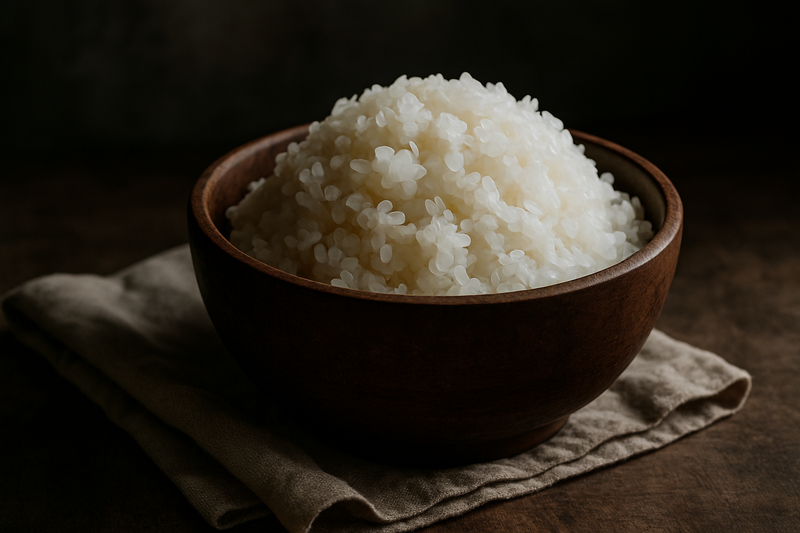
Sushi Rice · Photograph
Explore sushi rice nutrition and health benefits, including calories, carbs, glycemic index, and how white vs brown sushi rice compare. Learn healthy portion sizes, prep tips, and who should watch their intake.
Key Nutrients
% Daily Value based on 2,000 cal diet
Key active compounds and starches
Sushi rice is simpler in phytochemicals (plant-based bioactive compounds) than most whole grains, but a couple of starch-related factors are worth knowing:
- Amylopectin-rich starch (low-amylose): Short-grain sushi rice is dominated by amylopectin, a branched starch structure that gelatinizes completely during cooking. This is what makes the rice sticky — and is also why it digests quickly and raises blood glucose faster than long-grain or basmati rice.
- Resistant starch (retrograded starch): When cooked rice is cooled, some of the gelatinized starch restructures into a form called resistant starch, which the small intestine cannot fully digest. This acts more like fiber, feeding beneficial gut bacteria and producing a slightly lower blood sugar response than hot-cooked rice. Sushi rice, served cooled, naturally benefits from this effect.
- Acetic acid (from rice vinegar): The vinegar used in seasoning contains acetic acid, which research suggests can slow starch digestion by roughly 15–25%, contributing to a more gradual glucose rise than unseasoned hot rice.
- B vitamins (enriched white rice): Enriched white sushi rice is often fortified with niacin (vitamin B3), folate, and vitamin B6 to replace nutrients lost during milling.
Prep and pairing ideas
Getting the most nutrition from sushi rice is largely about what you put with it and how you prepare it.
Prep tips:
- Rinse thoroughly before cooking (3–5 rinses until water runs clear) to remove excess surface starch and reduce unnecessary stickiness.
- Cook with a 1:1.1 water ratio for most short-grain sushi rice; a rice cooker gives the most consistent results.
- Season while warm — rice vinegar, a small amount of sugar, and a pinch of salt. Fan the rice as you fold in the seasoning to cool it quickly.
- Let it cool to room temperature before serving. This is traditional sushi practice and also increases resistant starch for a slightly lower glycemic impact.
- Reduce added sugar in the seasoning by 30–50% compared with standard recipes — most people do not notice the difference in a complete sushi roll.
Common pairings:
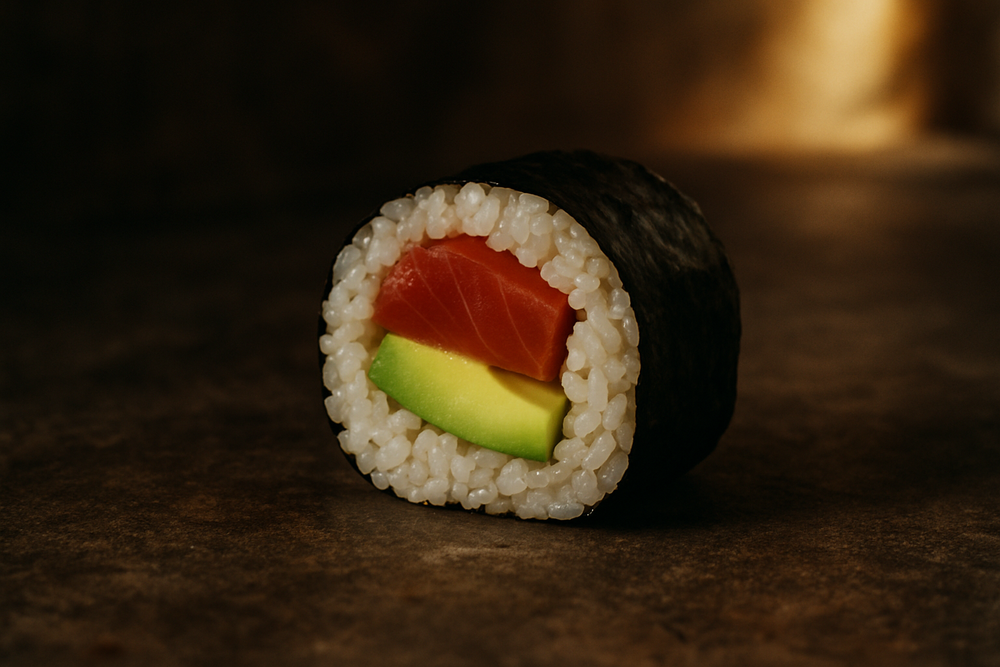
- Sushi rice + nori (seaweed) + cucumber and avocado: Nori adds iodine, folate, and a small amount of fiber; avocado contributes healthy monounsaturated fat and potassium. This combination turns a plain carb base into a micronutrient-richer, more satisfying meal. The fat from avocado also slows digestion, moderating the glycemic impact of the rice.
- Sushi rice + edamame (young soybeans) + sesame seeds: Edamame boosts plant protein (8–9 g per half cup), fiber, and isoflavones. Sesame seeds add calcium, iron, and lignans. Together they transform sushi rice from a refined starch into a more complete, protein-forward bowl — ideal for WFPB eating.
- Sushi rice + pickled vegetables (tsukemono) + toasted sesame oil: Fermented or vinegar-pickled vegetables introduce probiotic or prebiotic elements, additional fiber, and a variety of micronutrients. The acetic acid from pickling compounds the vinegar effect of the sushi rice seasoning, potentially contributing to a more moderate blood sugar rise.
Bottom line
Sushi rice is a refined, high-glycemic short-grain rice that delivers quick, easily digested carbohydrate energy alongside small amounts of B vitamins and virtually no fat. It is not a nutritional powerhouse on its own — but it is also not "junk food." Its health value depends almost entirely on portion size, preparation, and what you eat it with.
Served cooled, seasoned lightly with vinegar and minimal sugar, and paired with vegetables, seaweed, and plant or lean animal protein, sushi rice fits comfortably into a balanced diet for most healthy adults. If you have diabetes, prediabetes, or are managing weight, treat it as you would any refined grain: keep portions modest, balance the plate, and consider brown sushi rice for everyday cooking.
For a deeper look at how sushi rice fits into your personal health goals, explore our ingredient and meal guides at Plantopedia Goals.
How Sushi Rice Compares
| Compared with | What's different |
|---|---|
| Sushi Rice vs. Jasmine Rice | Higher in amylopectin starch, creating a sticky texture compared to firm, separate grains. |
| Sushi Rice vs. Brown Rice | A whole grain with significantly more fiber and a lower glycemic index than white sushi rice. |
| Sushi Rice vs. Basmati Rice | Lower glycemic index due to high amylose content, which prevents the grains from sticking. |
Health Benefits
Things to Know
Diabetes, prediabetes, or metabolic syndrome: Sushi rice is a high-glycemic refined grain. Portion size matters greatly — research and clinical guidance generally suggest ½–1 cup cooked per meal, eaten with protein and fiber, and served cooled with vinegar-based seasoning rather than hot and plain. Speak with your healthcare provider or dietitian about carbohydrate counting.
Glucose-lowering medications (insulin, sulfonylureas, GLP-1 agonists, SGLT-2 inhibitors): High-glycemic carbohydrates like sushi rice can affect blood glucose timing and level; dosing or timing of medication may need to account for carb quantity per meal. Follow your medical team's guidance.
Blood pressure or heart conditions: Sushi rice itself is low in sodium, but traditional sushi accompaniments — soy sauce, pickled ginger, miso soup — add substantial sodium quickly. If you are on antihypertensive medications or monitoring sodium, watch total meal sodium rather than just the rice.
Celiac disease or gluten sensitivity: Plain sushi rice is naturally gluten-free. The risk lies in cross-contamination from soy sauce (most standard soy sauce contains wheat), shared cooking surfaces, or flavored rice seasonings. Use tamari or certified gluten-free soy sauce and verify that your sushi rice brand has not been processed on shared equipment.
Low-fiber diet needs vs gut health goals: White sushi rice is very low in fiber and generally safe for low-residue dietary protocols. If you need more fiber for gut health or regularity, shift toward brown sushi rice or add high-fiber sides.
Pregnancy: Enriched white sushi rice provides a small amount of folate, which is beneficial in pregnancy. However, the main pregnancy concern with sushi is food safety around raw fish and cross-contamination — not the rice itself. Stick to fully cooked sushi fillings and check with your midwife or OB.
Added sugar in seasoning: Traditional sushi rice seasoning includes sugar. Keeping this modest (1–2 teaspoons per cup of dry rice rather than the higher end of some recipes) is a simple way to reduce overall sugar intake without compromising flavor significantly.
Prep Ideas
- — **Rinse thoroughly** before cooking (3–5 rinses until water runs clear) to remove excess surface starch and reduce unnecessary stickiness.
- — **Cook with a 1:1.1 water ratio** for most short-grain sushi rice; a rice cooker gives the most consistent results.
- — **Season while warm** — rice vinegar, a small amount of sugar, and a pinch of salt. Fan the rice as you fold in the seasoning to cool it quickly.
- — **Let it cool to room temperature** before serving. This is traditional sushi practice and also increases resistant starch for a slightly lower glycemic impact.
- — **Reduce added sugar** in the seasoning by 30–50% compared with standard recipes — most people do not notice the difference in a complete sushi roll.
- — **Sushi rice + nori (seaweed) + cucumber and avocado:** Nori adds iodine, folate, and a small amount of fiber; avocado contributes healthy monounsaturated fat and potassium. This combination turns a plain carb base into a micronutrient-richer, more satisfying meal. The fat from avocado also slows digestion, moderating the glycemic impact of the rice.
- — **Sushi rice + edamame (young soybeans) + sesame seeds:** Edamame boosts plant protein (8–9 g per half cup), fiber, and isoflavones. Sesame seeds add calcium, iron, and lignans. Together they transform sushi rice from a refined starch into a more complete, protein-forward bowl — ideal for WFPB eating.
- — **Sushi rice + pickled vegetables (tsukemono) + toasted sesame oil:** Fermented or vinegar-pickled vegetables introduce probiotic or prebiotic elements, additional fiber, and a variety of micronutrients. The acetic acid from pickling compounds the vinegar effect of the sushi rice seasoning, potentially contributing to a more moderate blood sugar rise.
Glossary
Shop This Ingredient
Stock your pantry with quality sushi rice.
Buy on AmazonAs an Amazon Associate, Plantopedia earns from qualifying purchases. This costs you nothing extra and helps us keep the encyclopedia free.
Frequently Asked Questions
Sushi rice is best described as a functional carbohydrate base rather than a nutrient-dense superfood. Here is how it performs across key health areas. Heart and circulation Sushi rice is naturally very low in saturated fat and cholesterol — two factors linked to cardiovascular risk when over-consumed. The enriched form provides small amounts of niacin and B6, both involved in energy metabolism and supporting healthy homocysteine levels (a marker associated with heart disease risk when elevated). However, the cardiovascular story of sushi rice is more about what surrounds it: traditional Japanese meals that include short-grain rice alongside fish, vegetables, and seaweed are associated in population studies with favorable cardiometabolic outcomes. Large servings of refined high-glycemic rice eaten repeatedly, without balancing foods, may contribute to higher cardiometabolic risk over time, according to epidemiologic research — though this finding is not specific to sushi rice. Digestive health and microbiome Cooked sushi rice is a low-fiber, low-fat starch that most people digest easily and without irritation — making it a classic "gentle" food. Its very low fiber content (around 0.4 g per 100 g) means it does not contribute meaningfully to gut bacteria diversity or regularity on its own. That said, serving it cooled increases resistant starch, which acts as a prebiotic (food for beneficial bacteria) in the large intestine, offering a modest digestive benefit beyond plain hot white rice. People following low-residue diets (sometimes prescribed for certain gastrointestinal conditions) may find white sushi rice especially well tolerated. For everyday gut health, pair it with higher-fiber ingredients — seaweed, avocado, cucumber, or edamame — rather than relying on the rice itself. Blood sugar and metabolism This is the most important health consideration for sushi rice. Its glycemic index (GI) — a measure of how quickly a food raises blood glucose on a scale of 0–100 — sits around 70–85 when the rice is eaten hot and plain. That places it firmly in the "high GI" category alongside white bread and instant oats. The high amylopectin content and complete starch gelatinization during cooking are the main drivers. Two practical factors can moderate this: Cooling: Serving the rice at room temperature or slightly chilled (as in traditional sushi) increases resistant starch and measurably lowers the post-meal glucose response compared with hot plain rice. Rice vinegar: Acetic acid in the vinegar slows starch digestion, contributing to a more gradual rise. Research suggests this effect can reduce post-meal glucose response by roughly 15–25%. Mixed meals: Combining sushi rice with protein (fish, tofu, edamame), fat (avocado, sesame), and fiber (cucumber, seaweed) further blunts the glycemic impact significantly. A small Japanese clinical study examining glycemic and insulinemic responses to short-grain rice in mixed meals found that traditional-style sushi combinations produce a more moderate response than isolated starch, supporting the idea that food context — not just GI — shapes real-world blood sugar outcomes. Inflammation and recovery Sushi rice itself has no meaningful anti-inflammatory compounds. However, as a rapidly digested carbohydrate, it may support recovery after intense exercise by quickly replenishing muscle glycogen (the stored form of glucose your muscles use for fuel). For athletes or active individuals, a moderate serving of sushi rice as part of a post-workout meal is a practical quick-energy choice, particularly when combined with lean protein.
The choice between white and brown sushi rice is one of the most practical decisions you can make for everyday sushi at home. White short-grain sushi rice is the standard for traditional sushi. It cooks to a soft, sticky texture, takes seasoning beautifully, and has a mild flavor that lets fillings shine. Nutritionally, it is a refined grain: the bran and germ have been removed, which strips out most of the fiber, magnesium, and antioxidants naturally present in the whole grain. Brown short-grain sushi rice retains its bran layer, providing roughly 2.9 g of fiber per ¾ cup cooked (compared with under 1 g for white), along with more magnesium, B vitamins, and antioxidant compounds. It is less sticky and requires longer cooking, but it is widely available and works well for home sushi rolls and rice bowls. From a WFPB perspective, brown sushi rice is the better everyday grain. Cooled sushi rice (any variety) is preferable to hot rice from a glycemic standpoint, thanks to increased resistant starch. Traditional sushi is almost always served at or near room temperature — a habit that happens to be nutritionally beneficial. Plain unseasoned short-grain rice eaten hot has the highest glycemic impact of any preparation. If you are making sushi rice for blood sugar management, the combination of cooling + vinegar seasoning + lighter sugar is the most favorable approach. For most people, the best form is whichever version you will actually eat in sensible portions alongside plenty of vegetables and protein. Brown sushi rice wins on nutrient density; white sushi rice wins on texture and tradition.
There is no single universal answer, because the right amount depends on your total daily carbohydrate needs, activity level, and overall dietary pattern. That said, practical guidance drawn from nutrition research and dietary guidelines points to a few reasonable reference points. General adults: A typical serving in sushi contexts is about ½–¾ cup cooked (75–115 g), providing roughly 110–170 calories and 25–38 g of carbohydrates. Most adults eating a balanced diet can include 1–2 servings (½–1 cup each) of sushi rice per day without concern, provided the rest of the meal includes protein, vegetables, and some healthy fat. Active individuals and athletes: Sushi rice is a useful quick-energy carbohydrate for pre- or post-workout fueling. A 1-cup serving (approximately 150 g cooked) alongside lean protein is a practical post-training meal component. Endurance athletes with high carbohydrate requirements may use larger portions, but this should be calibrated to total daily energy needs. People watching blood sugar or weight: Start with ½ cup cooked (about 75 g) per sitting. Prioritize cooling the rice, using vinegar seasoning with minimal added sugar, and surrounding each serving with protein and fiber-rich foods. Monitor your personal response — blood glucose reactions to rice vary substantially between individuals. Practical rule of thumb: Aim for rice to occupy roughly ¼ of your plate or bowl at any given sushi meal, with half the bowl taken up by non-starchy vegetables and seaweed, and the remaining quarter by protein (fish, tofu, tempeh, edamame).
The active person short on time: Needs quick-digesting carbohydrate for energy before or after exercise Finds plain rice boring; sushi format makes healthy eating more enjoyable Can use sushi rice in meal-prep onigiri (rice balls) with plant protein fillings for portable, gluten-free snacks The person managing a gluten sensitivity or celiac disease: Needs a reliable, naturally gluten-free grain base for varied meals Can use sushi rice in nori rolls, grain bowls, or rice balls without the gluten concerns of wheat-based foods Must still verify tamari (gluten-free soy sauce) is used and cross-contamination is controlled
Quick Answers
Common questions, answered in a line.
Sushi rice is naturally gluten-free because it is a short-grain rice variety. However, cross-contamination can occur if the rice is seasoned with sauces containing wheat (like standard soy sauce) or if it is processed on shared equipment.
Cooling sushi rice increases its content of resistant starch, which the small intestine cannot fully digest. This restructuring process allows the rice to act more like fiber, feeding beneficial gut bacteria and producing a lower blood sugar response than hot rice.
Rinsing sushi rice 3 to 5 times until the water runs clear removes excess surface starch and reduces unnecessary stickiness. This preparation step helps ensure the grains have the proper texture before cooking.
The acetic acid found in rice vinegar can slow starch digestion by approximately 15–25%. This helps create a more gradual rise in blood glucose levels compared to eating unseasoned, hot white rice.
Sushi rice is high in amylopectin, a branched starch that digests quickly and raises blood glucose faster than long-grain varieties. To manage this, people with diabetes should limit portions to 1/2–1 cup, eat it cooled, and pair it with protein and fiber.
White sushi rice is a refined, high-glycemic grain that provides quick energy and B vitamins like niacin and folate. While it is low in fiber and fat, its nutritional value increases significantly when paired with nori, avocado, or protein-rich edamame.
Sushi rice is very low in fiber, making it generally safe for those following low-residue or low-fiber dietary protocols. For those seeking better gut health or regularity, shifting to brown sushi rice or adding high-fiber sides is recommended.
For Readers in the USA
Local context — sourcing, seasonality, and regional notes.
Most sushi rice sold in the U.S. is grown in California's Sacramento Valley, which provides the ideal climate and soil for short-grain Japonica varieties. Look for brands like Nishiki, Kokuho Rose, or Lundberg Family Farms, which are staples in American pantries and professional sushi kitchens alike.
You can find sushi rice at major U.S. grocery chains like Kroger, Safeway, and Whole Foods, as well as specialty retailers like H-Mart and Mitsuwa Marketplace. In most American supermarkets, it is located in the "International" or "Asian" aisle rather than with the long-grain white rice.
Yes, look for the USDA Organic seal to ensure the rice was grown without synthetic fertilizers or pesticides, and check for "Enriched" labels to confirm B-vitamins have been added. Many U.S. brands also include a "Non-GMO Project Verified" seal, reflecting common consumer preferences for grain transparency.
While available year-round due to modern storage, the "Shinmai" or new crop arrives in U.S. markets in late fall (October/November) and is prized for its higher moisture content. Most American consumers use "old crop" rice throughout the year, which is more stable and requires slightly more water during the cooking process.
AI Clinical Review
- Accurately explains why sushi rice is sticky and fast‑digesting (high amylopectin/low amylose) and how that relates to a higher glycemic index compared with long‑grain rices.
- Emphasizes context: cooling the rice, seasoning with vinegar, and pairing with protein, fat, and vegetables can meaningfully blunt post‑meal glucose spikes.
- Notes that plain rice is naturally gluten‑free and highlights cross‑contamination risks from soy sauce and shared equipment—useful for readers with celiac disease.
- Clearly contrasts white vs. brown short‑grain rice: brown provides more fiber and micronutrients, while white delivers preferred texture for traditional sushi.
- Offers practical portion guidance (about ½–1 cup cooked per serving) and flags sodium from condiments as the bigger cardiovascular consideration.
- Exact glycemic index values for “sushi rice” vary widely by cultivar, cooking method, temperature, and accompanying foods; the vinegar and cooling effects are real but the magnitude (e.g., 15–25%) differs among studies and individuals.
- Resistant starch formed after cooling rice can modestly lower glycemic response, but amounts depend on time/temperature of storage and whether/how the rice is reheated; effects shouldn’t be overestimated.
- Fortification claims differ by region and brand. In the U.S., enrichment typically adds thiamin, niacin, iron, and folic acid; vitamin B6 is not universally included.
- Links between frequent refined‑rice intake and cardiometabolic risk are largely observational and may reflect broader dietary patterns, not sushi rice per se.
- If you have diabetes, prediabetes, or use insulin/sulfonylureas/GLP‑1s, match portions to your carb plan (often ½–1 cup cooked per meal) and consider checking your own response with a meter or CGM.
- Sodium often comes from soy sauce, pickles, and miso—not the rice. Choose low‑sodium or gluten‑free tamari and be mindful if you have hypertension, heart failure, or chronic kidney disease.
- Rice can contain inorganic arsenic. Rinsing, occasionally using excess‑water cooking methods (where feasible), and rotating grains (e.g., quinoa, millet, buckwheat) can help reduce exposure—especially for children and during pregnancy.
- For strict gluten‑free needs, verify gluten‑free soy sauce/tamari and ask about dedicated prep surfaces. Pregnancy concerns relate mainly to raw fish and cross‑contamination; rice itself is safe when properly handled.
Often seasoned with sugar and vinegar; rinse well and go light on added sweeteners.
References
- USDA FoodData Central — short-grain white rice, cooked (fdc.nal.usda.gov)
- MyPlate.gov Grains Group guidance — recommended grain intake and whole grain goals (myplate.gov)
- Estimation of glycemic and insulinemic responses to short-grain rice — human trial, Asia Pacific Journal of Clinical Nutrition (apjcn.qdu.edu.cn)
- GlycemicSnap — Is Sushi High Glycemic? GI comparison of sushi rice, rolls, and sashimi (glycemicsnap.com)
- LogiFoodCoach — Rice and Blood Sugar: Jasmine, Basmati, Brown, Sushi compared (logifoodcoach.com)
- Livestrong — Sushi Rice Nutrition Information: Health Benefits, Risks, and Tips (livestrong.com)
- DietCompass — Sushi Rice Nutrition Facts per 100 g (dietcompass.org)
- Norwegian Food Composition Table (Matvaretabellen) — Rice, sushi rice, cooked (matvaretabellen.no)
- SnapCalorie — Cooked Sushi Rice Nutrition (snapcalorie.com)
- Sport-Calculator — Sushi Rice Nutritional Data (sport-calculator.com)
Know Your Numbers
Eating healthy is a start. Now get to know your biomarkers.
Food changes bloodwork — inflammation, lipids, blood sugar and nutrient status all respond to what you eat. 59 markers from $59.
- Results in 7–10 days at 2,000+ Quest sites
- Licensed provider reviews every result
- One flat price, no membership, HSA/FSA eligible
Educational information only, not medical advice. Panels are ordered and reviewed through our licensed partner; Plantopedia may earn a commission.