Semolina — health benefits and uses
The backbone of Mediterranean and South Asian grain cookery for generations.
The Short Answer
Semolina is a coarse flour made from durum wheat that provides 21 grams of protein and 149 mcg of selenium per half-cup serving. It is primarily used to make pasta, gnocchi, and porridge due to its high gluten content and golden color.
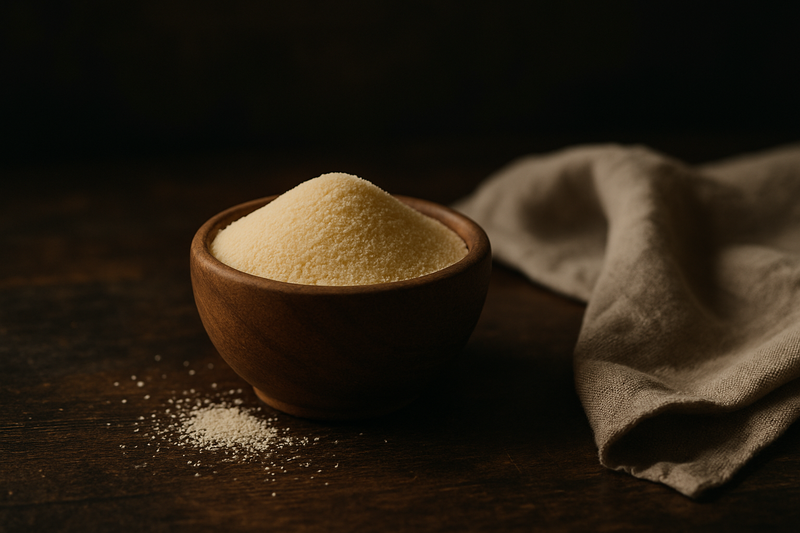
Semolina · Photograph
Discover the semolina health benefits and side effects you need to know — from its protein and B vitamin content to blood sugar considerations and gluten risks. A practical, evidence-aligned guide for anyone using semolina in pasta, gnocchi, upma, or everyday cooking.
Key Nutrients
% Daily Value based on 2,000 cal diet
Key active compounds and phytochemicals
Semolina's nutritional identity comes from a mix of macronutrients and a small but meaningful set of bioactive compounds:
- Carotenoids (lutein and zeaxanthin): Yellow plant pigments that give semolina its characteristic golden colour. They act as antioxidants and may support eye health. Levels are reduced compared with whole-grain durum because refining removes the outer bran layers.
- Phenolic acids (ferulic acid): Bioactive compounds found naturally in wheat. Smaller amounts remain after milling. At the whole-diet level, they contribute antioxidant and potential anti-inflammatory effects, though they are far more concentrated in whole-grain wheat.
- B vitamins (thiamin, folate, riboflavin, niacin): In most countries, enriched semolina has these added back after milling. Folate and thiamin reach particularly high levels per serving (see nutrition snapshot below).
- Iron and selenium: Both are added (iron) or naturally concentrated (selenium) at notable levels in enriched durum semolina.
Prep and pairing ideas
Semolina is forgiving and adaptable. Here are three practical pairings that improve its overall nutritional profile:
1. Semolina + lentils (upma with dal or mixed into porridge) Lentils supply the lysine (an essential amino acid) that wheat protein is low in, completing the amino acid profile. The extra fibre and protein from lentils also slow glucose absorption, blunting blood sugar spikes.
2. Semolina pasta + roasted tomatoes and white beans Beans add plant-based protein, fibre, and resistant starch (a type of carbohydrate that acts more like fibre than sugar). Tomatoes bring lycopene and vitamin C, which enhances the absorption of semolina's non-haem iron.
3. Semolina gnocchi + spinach and olive oil Leafy greens like spinach add magnesium, vitamin K, folate, and additional fibre. Olive oil provides monounsaturated fats that slow gastric emptying and add fat-soluble vitamin uptake. This combination makes a light semolina-based dish more nutrient-dense without being heavy.
Basic cooking notes:
- For pasta dough: combine semolina with water (or egg) at roughly 2:1 ratio by weight. Rest for 30 minutes before rolling.
- For upma: dry-roast semolina in a pan before adding water and tempered spices — this improves texture and reduces clumping.
- For semolina porridge: use 1 part semolina to 4 parts liquid, stir constantly over medium heat to avoid lumps.
- Storage: Keep dry semolina in an airtight container in a cool, dark place. It keeps for up to 12 months. Once cooked, refrigerate and consume within 2–3 days.
Bottom line
Semolina is a nutritionally interesting ingredient that earns its place in a varied diet — especially when enriched, used in moderate portions, and paired with vegetables and legumes. Its standout contributions are folate, thiamin, selenium, and a reasonable protein hit for a grain food. Its limitations are equally clear: it's a refined grain with a moderate-to-high glycaemic load, limited fibre relative to whole-grain options, and gluten that rules it out entirely for anyone with coeliac disease or wheat allergy.
For most healthy adults, the question isn't "is semolina healthy?" but "how am I eating it?" A bowl of semolina pasta loaded with vegetables and beans tells a different nutritional story than a large serving of sugar-heavy halwa. Whole-grain durum varieties are a smarter everyday choice when you can find them. And for anyone with a metabolic condition or gluten-related disorder, individual guidance from a healthcare professional matters more than any general recommendation.
If you want to explore how grains and other whole foods can support your health goals, see our goal-based guides at Plantopedia.
How Semolina Compares
| Compared with | What's different |
|---|---|
| Semolina vs. All-purpose flour | Milled from soft wheat into a fine powder, whereas semolina is coarse durum wheat. |
| Semolina vs. Whole wheat flour | A whole grain containing the bran and germ, offering more fiber but a less elastic texture. |
| Semolina vs. Couscous | Pre-steamed and dried semolina granules that cook much faster than raw semolina. |
Health Benefits
Things to Know
Coeliac disease: Semolina is entirely off-limits. Even small amounts of gluten can trigger an immune response that damages the small intestine's lining (intestinal villi — the tiny finger-like projections that absorb nutrients).
Non-coeliac gluten sensitivity: Semolina may cause bloating, abdominal discomfort, brain fog, or fatigue. Listen to your body and consider discussing testing with a doctor before eliminating gluten entirely.
Wheat allergy: Can cause reactions ranging from hives and GI symptoms to, in rare cases, anaphylaxis (a severe, potentially life-threatening allergic reaction). Avoid all wheat-based products.
Type 1 or type 2 diabetes: Semolina's high glycaemic load means portion control is essential. Pair with protein, fat, and fibre-rich foods, and time intake around activity if possible.
Insulin resistance or prediabetes: Same considerations as above. Whole-grain durum options are preferable.
Weight management: Semolina is calorie-dense. Large dry portions (especially in traditional halwa or pudding recipes with added fat and sugar) can contribute significantly to daily calorie intake.
Medication interactions:
Glucose-lowering medications (insulin, metformin, sulfonylureas): High-carbohydrate semolina meals can raise blood glucose and may require timing or dose adjustments. Discuss with your prescriber.
Antihypertensives and lipid-lowering drugs: Frequent large portions of refined semolina may affect body weight and metabolic markers, indirectly influencing how well these medications perform.
Pregnancy: Enriched semolina is a useful folate source during pregnancy, which helps prevent neural tube defects. However, it should complement — not replace — a varied diet including leafy greens, legumes, and other whole foods.
Selenium: Semolina is unusually high in selenium (271% DV per cup dry). The tolerable upper intake level for selenium is 400 mcg/day for adults. If you eat large portions of semolina daily alongside other selenium-rich foods (Brazil nuts, fish, meat), it's worth being aware of cumulative intake.
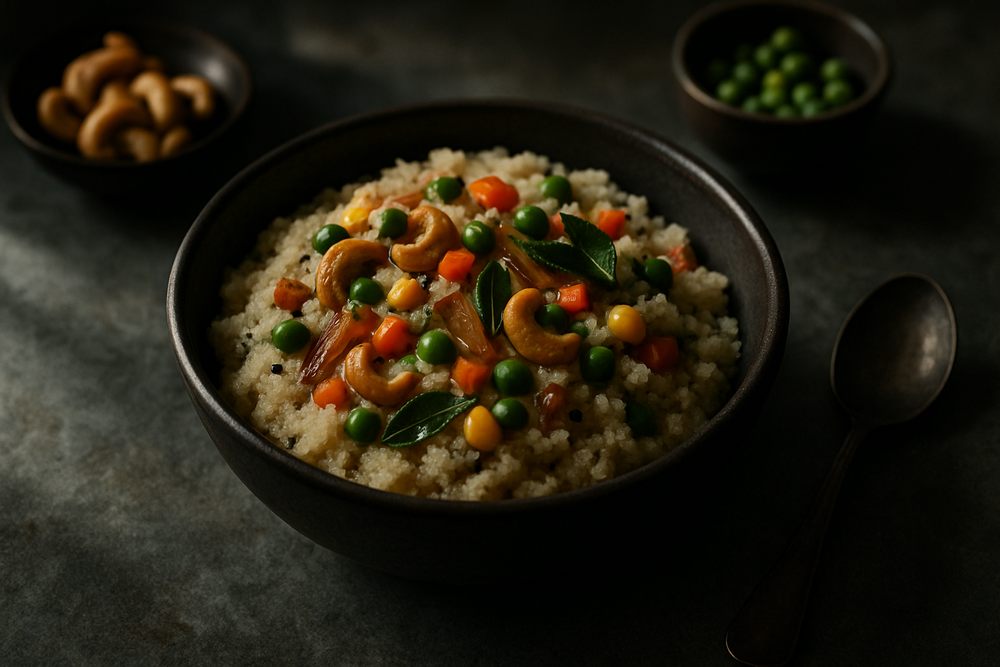
Prep Ideas
- — For pasta dough: combine semolina with water (or egg) at roughly 2:1 ratio by weight. Rest for 30 minutes before rolling.
- — For upma: dry-roast semolina in a pan before adding water and tempered spices — this improves texture and reduces clumping.
- — For semolina porridge: use 1 part semolina to 4 parts liquid, stir constantly over medium heat to avoid lumps.
- — **Storage:** Keep dry semolina in an airtight container in a cool, dark place. It keeps for up to 12 months. Once cooked, refrigerate and consume within 2–3 days.
Glossary
Shop This Ingredient
Stock your pantry with quality semolina.
Buy on AmazonAs an Amazon Associate, Plantopedia earns from qualifying purchases. This costs you nothing extra and helps us keep the encyclopedia free.
Frequently Asked Questions
Research on semolina itself is limited — most human studies look at grain patterns broadly or at whole durum wheat. The evidence below reflects what's known about semolina's nutrient profile and how those nutrients behave in the body. Heart and circulation Semolina's direct contribution to heart health is modest and largely indirect. Enriched semolina delivers folate (76% DV per cup), which supports healthy homocysteine metabolism — elevated homocysteine is a risk marker (a measurable indicator associated with higher risk, though not a proven direct cause) for cardiovascular disease. Thiamin supports cardiac muscle function. However, large-scale cohort studies consistently show that whole grains are linked to lower cardiovascular disease risk, while refined grains like semolina show a neutral or occasionally adverse association when consumed in high amounts. There are no direct clinical trials showing heart-protective effects of semolina specifically. If heart health is a priority, semolina works best as an occasional grain within a pattern that emphasises whole grains, vegetables, legumes, and healthy fats. Digestive health and microbiome One cup of dry enriched semolina provides around 6.5 g of dietary fibre — a meaningful contribution, though still lower than intact whole grains. That fibre supports stool bulk, bowel regularity, and feeds the beneficial bacteria (gut microbiome) that play a role in immune and metabolic health. The key caveat: semolina contains gluten, and for anyone with coeliac disease (an autoimmune condition where gluten damages the small intestine's lining) or non-coeliac gluten sensitivity, it can cause significant digestive harm. Evidence for semolina's unique gut benefits beyond its fibre content is indirect and limited. Blood sugar and metabolism This is where semolina's profile gets the most nuanced. Its reported glycaemic index (GI) — a measure of how quickly a food raises blood glucose compared with pure glucose — sits around 66, placing it in the moderate GI range. However, its glycaemic load (GL, which accounts for the amount of carbohydrate in a realistic portion) is high. One cup of dry semolina provides over 120 g of carbohydrate, meaning even moderate-sized portions can produce substantial rises in blood glucose after eating (postprandial glucose response). Pairing semolina with protein, healthy fats, and high-fibre vegetables or legumes slows gastric emptying and blunts that response. For people with type 2 diabetes or prediabetes, portion control is important — see the cautions section below. Inflammation and recovery There are no direct randomised controlled trials (studies where people are randomly assigned to eat or not eat something to test cause and effect) measuring semolina's effect on inflammatory markers in humans. Broader epidemiological evidence (population-level observational studies) suggests that diets heavy in refined grains may be associated with higher inflammatory markers compared with whole-grain-rich patterns. Semolina is not uniquely pro-inflammatory, but swapping some semolina-based meals for whole-grain equivalents is more consistent with anti-inflammatory dietary patterns recommended by major health organisations. Energy and protein Where semolina genuinely shines is as an energy and protein source. At roughly 601 kcal and 21 g of protein per cup dry, it's an efficient vehicle for athletes, active individuals, growing children, and anyone struggling to meet calorie or protein targets. Its protein quality — derived from durum wheat's high gluten-forming proteins — is lower than animal proteins or legumes on essential amino acid scores, but combining semolina dishes with legumes (like lentil dal alongside upma, or chickpea pasta sauce) creates a more complete amino acid profile.
Ground vs whole-grain vs cooked preparations Refined enriched semolina flour is the most widely available form. The enrichment process restores most of the B vitamins and iron lost during milling, which is a meaningful public health benefit, particularly for folate and thiamin. What enrichment cannot replace is the natural fibre, phytonutrients, and full mineral spectrum present in the original bran and germ. Whole-grain durum semolina — sometimes labelled "whole durum" or "whole semolina" — retains the bran and germ, resulting in higher fibre content, a lower glycaemic impact, and a broader range of micronutrients and antioxidants. It is less widely available but worth seeking out if you eat semolina frequently. Look for "whole durum" or "100% whole wheat durum" on the label. Cooked semolina porridge or puddings (such as Indian upma or halwa, or Italian semolino pudding) concentrate the carbohydrate and calorie impact of added fats and sugars. A bowl of ghee-rich halwa has a very different metabolic profile from a plate of semolina pasta dressed with vegetables. Semolina-based pasta and gnocchi distribute the carbohydrate load across a meal that typically includes protein, fat from sauces, and ideally vegetables. The fibre from vegetables and protein from accompaniments help moderate the glycaemic response. Buying guide tip: Look for the word "enriched" or "arricchito" on the label — this confirms B vitamins and iron have been added back. If you want higher fibre, look for "whole durum" as the first ingredient. Avoid products with long lists of additives or added sugars unless you're specifically making a dessert.
The active person or athlete High calorie and carbohydrate content supports energy needs before and after training. 21 g protein per cup dry contributes to muscle repair alongside other protein sources. Easy to batch cook as pasta or porridge for convenient meal prep. The home cook exploring global cuisines Semolina is the foundation of dishes spanning Italian, North African, Indian, and Greek traditions. Its versatility (pasta, couscous, gnocchi, upma, halwa, semolina cake) means one bag covers many cooking projects. Enriched varieties add meaningful folate and iron to everyday meals without supplements.
There is no established clinical "therapeutic dose" for semolina — it is food, not a supplement. Typical culinary portions range from about ⅓ cup (56 g) dry for a small dish to 1 cup (167 g) dry for a larger meal. Practical guidance: General healthy adult: One to two moderate servings per week fits comfortably within a varied whole-food pattern. No upper limit exists for healthy people, but frequent large portions without adequate vegetables and legumes reduce overall diet quality. People managing blood sugar: Start with smaller portions (around ½ cup dry, or roughly 80–100 g cooked weight), pair with protein and fibre, and monitor your own glucose response if you have a glucometer. Athletes or high energy needs: Up to 1 cup dry per meal is realistic for fuelling purposes, ideally paired with vegetables and a protein source. Weight management goal: Treat semolina as an occasional grain (once or twice a week) rather than a daily staple. Measuring portions before cooking is more accurate than estimating cooked weight. Start with smaller portions if you're new to semolina or have a sensitive digestive system — some people find the higher gluten content of durum wheat causes more bloating than softer wheat varieties.
Quick Answers
Common questions, answered in a line.
Semolina is not gluten-free as it is made from durum wheat, which naturally contains gluten proteins. It is entirely off-limits for individuals with coeliac disease, wheat allergies, or non-coeliac gluten sensitivity because it can trigger immune responses or digestive distress.
You can improve semolina's nutritional profile by pairing it with lentils, beans, or leafy greens to add essential fiber and protein. For example, adding lentils to upma completes the amino acid profile, while pairing semolina pasta with white beans and tomatoes enhances iron absorption.
Enriched semolina is a valuable source of folate (Vitamin B9), which is essential during pregnancy to help prevent neural tube defects. While it provides this important nutrient, it should complement a diet rich in other whole foods like leafy greens and legumes.
People with diabetes should practice strict portion control with semolina because it has a moderate-to-high glycaemic load that can cause blood sugar spikes. It is best to pair it with fiber, protein, and healthy fats to slow glucose absorption and blunt these spikes.
Semolina contains yellow plant pigments called carotenoids, specifically lutein and zeaxanthin, which act as antioxidants that may support eye health. These compounds give the grain its golden color, though levels are higher in whole-grain versions than refined ones.
Dry semolina should be stored in an airtight container in a cool, dark place, where it will remain fresh for up to 12 months. Once the semolina is cooked, it should be refrigerated and consumed within 2 to 3 days.
Semolina is unusually high in selenium, providing 271% of the Daily Value per dry cup. Because the tolerable upper intake limit for adults is 400 mcg per day, you should be mindful of your total intake if you also consume other selenium-rich foods like Brazil nuts or fish.
For Readers in the USA
Local context — sourcing, seasonality, and regional notes.
In the United States, you can find semolina at major grocery chains like Whole Foods Market, Kroger, and Publix, or at specialty Italian and Mediterranean markets. Look for it in the baking aisle near specialty flours or in the bulk bins of natural food stores.
Most semolina sold in the U.S. is enriched with B vitamins (thiamin, riboflavin, niacin, and folic acid) and iron to meet FDA standards for enriched grain products. If you prefer unenriched versions, look for "organic" or "whole durum" labels, which are less likely to have these additives.
While durum wheat is primarily grown in North Dakota and Montana, semolina flour is available year-round in U.S. stores because it is a shelf-stable pantry staple. Its peak usage in American kitchens often aligns with winter comfort cooking for pastas and puddings.
Bob’s Red Mill and King Arthur Baking Company are two of the most widely available American brands that offer high-quality semolina flour. These brands are frequently stocked in the specialty flour section of regional supermarkets and national retailers like Target or Walmart.
AI Clinical Review
- Accurately explains that semolina is a refined product of durum wheat, typically enriched with B vitamins and iron, and naturally notable for selenium.
- Clearly distinguishes refined semolina from whole‑grain durum options and why the latter offer more fiber, phytonutrients, and a gentler blood‑sugar impact.
- Appropriately highlights semolina’s higher protein per cup (for a grain) and usefulness for energy needs, while noting amino‑acid complementation with legumes.
- Correctly states that semolina contains gluten and is unsuitable for people with celiac disease or wheat allergy; advises portioning and food pairing for blood‑sugar management.
- Most health claims for semolina are inferred from its nutrient profile or from studies on grain patterns; there are few randomized trials on semolina itself for outcomes like cardiovascular risk, inflammation, or glycemic control.
- Reported glycemic index values (often ~66) can vary by grind, cooking method, and dish (e.g., porridge vs. pasta cooked al dente), so individual responses may differ.
- Selenium and some micronutrient levels vary by soil, brand, and national enrichment standards, so label values may not match database averages for every product.
- Safety: Avoid semolina with celiac disease or confirmed wheat allergy; people with non‑celiac gluten sensitivity should assess tolerance with a clinician if symptoms persist.
- Blood sugar: For diabetes or insulin resistance, smaller portions (for example, ~½ cup dry at a meal), paired with protein, healthy fats, and vegetables, are prudent; monitor post‑meal glucose if you track it.
- Selenium: Semolina can be a meaningful selenium source; the adult tolerable upper intake level is 400 mcg/day. If you eat large portions and also use high‑selenium supplements or Brazil nuts, keep an eye on total intake.
- Form matters: Whole‑grain durum products generally offer more fiber and a lower glycemic impact than refined semolina. Pasta cooked al dente and meals that include legumes/vegetables tend to blunt glucose spikes.
Contains gluten; a refined product, so pair with vegetables and legumes.
References
- USDA FoodData Central — enriched semolina nutritional data (fdc.nal.usda.gov)
- MyPlate grains guidance — USDA food group recommendations for grains (myplate.gov)
- Healthline — semolina nutrition, benefits, and downsides overview (healthline.com)
- WebMD — health benefits of semolina flour summary (webmd.com)
- Wikipedia — semolina: history, types, and global culinary uses (en.wikipedia.org)
- Logifoodcoach nutrition database — glycaemic index of semolina reported as 66 (moderate) (logifoodcoach.com)
- Blue Circle Foundation diabetes nutrition tool — semolina glycaemic load data (bluecircle.foundation)
- University of Rochester Medical Center — semolina nutrition facts reference (urmc.rochester.edu)
- EatThisMuch nutrition calculator — per-cup enriched semolina macro and micronutrient breakdown (eatthismuch.com)
- FoodStruct — semolina detailed nutrient profile including selenium and phosphorus (foodstruct.com)
Know Your Numbers
Eating healthy is a start. Now get to know your biomarkers.
Food changes bloodwork — inflammation, lipids, blood sugar and nutrient status all respond to what you eat. 59 markers from $59.
- Results in 7–10 days at 2,000+ Quest sites
- Licensed provider reviews every result
- One flat price, no membership, HSA/FSA eligible
Educational information only, not medical advice. Panels are ordered and reviewed through our licensed partner; Plantopedia may earn a commission.