Unlock the full science of banana nutrition with our comprehensive guide. From the gut-healing resistant starch in green bananas to the hear
Fiber + phytonutrients; use as a whole-food sweet, snack, or smoothie base
The Short Answer
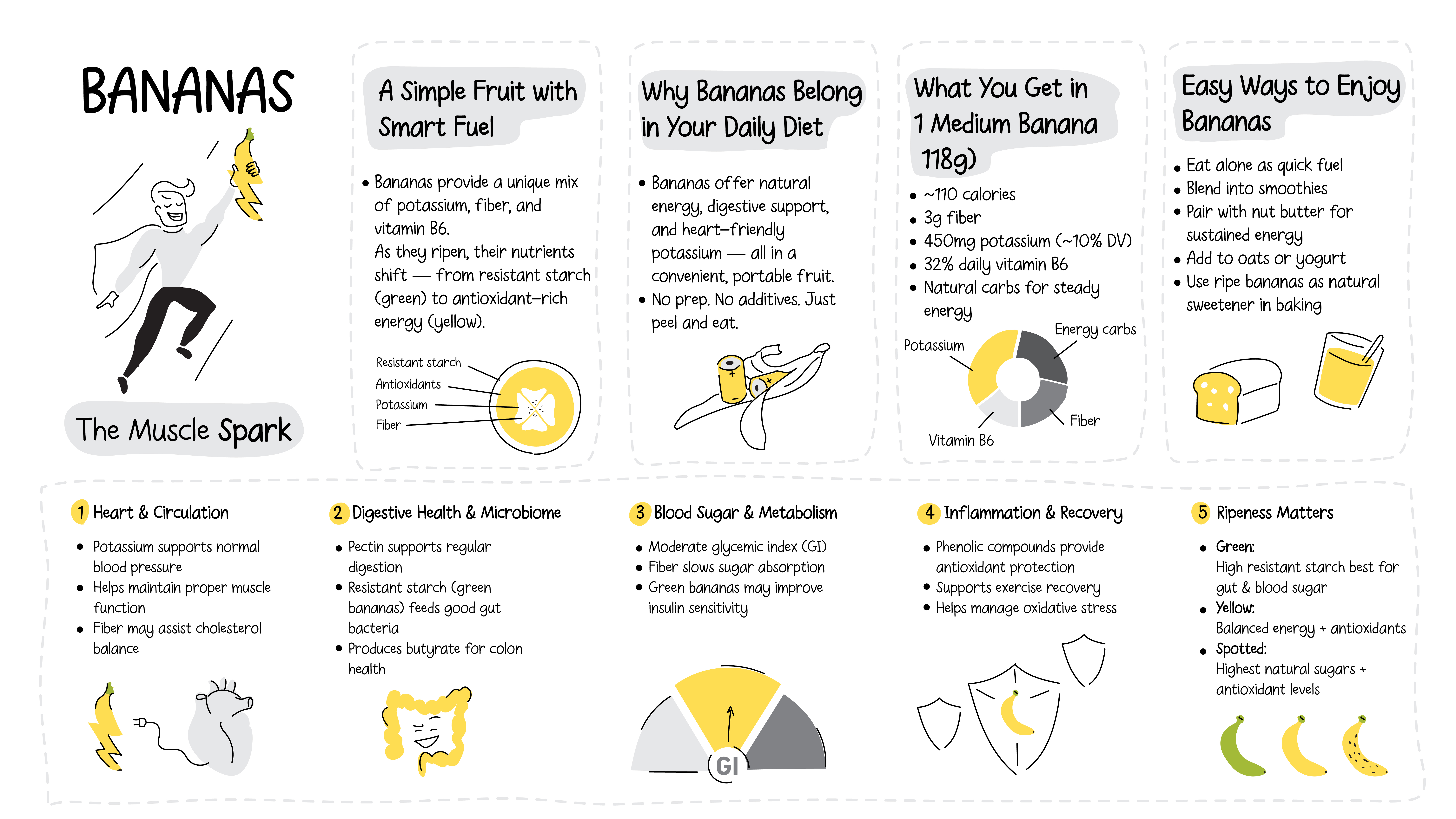
Bananas provide 422 mg of potassium and 24% of your daily Vitamin B6 per serving, supporting heart health and energy metabolism. Their resistant starch content acts as a prebiotic to fuel beneficial gut bacteria.
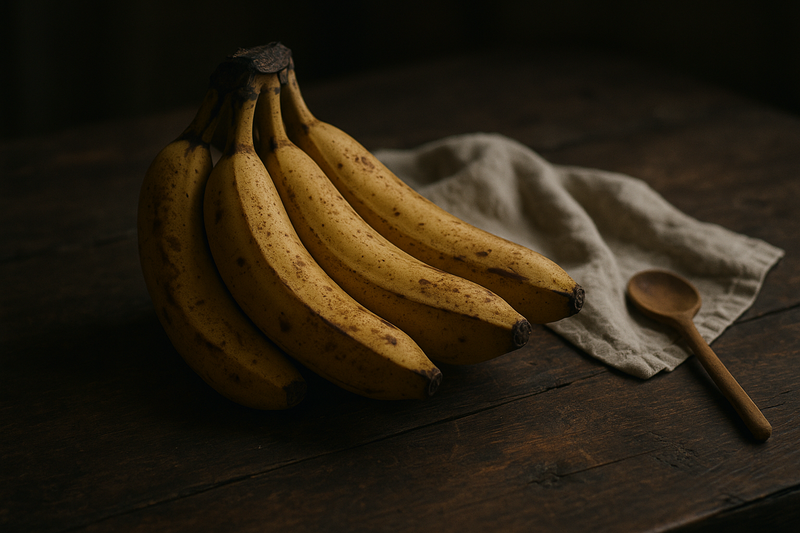
Banana · Photograph
Bananas matter for wellness because they provide a rare combination of high-density electrolytes and resistant starches that are essential for cellular energy and microbiome diversity. While many fruits are valued primarily for their vitamin C or water content, the banana serves as a functional carbohydrate. The evolution of the fruit from its green to overripe stage allows it to serve different physiological needs: providing gut-healing starches when unripe and high-potency antioxidants when ripe.
Key Nutrients
% Daily Value based on 2,000 cal diet
Why Banana Health Benefits Matter for Your Wellness
Bananas matter for wellness because they provide a rare combination of high-density electrolytes and resistant starches that are essential for cellular energy and microbiome diversity. While many fruits are valued primarily for their vitamin C or water content, the banana serves as a functional carbohydrate. The evolution of the fruit from its green to overripe stage allows it to serve different physiological needs: providing gut-healing starches when unripe and high-potency antioxidants when ripe.
Research into the banana’s "bioactive matrix" shows that it isn't just about the individual vitamins; it is about how the fiber, minerals, and phenolic compounds work together to reduce systemic inflammation. In an era where processed snacks dominate, the banana remains a gold standard for portable, whole-food nutrition that addresses the common modern deficiencies in potassium and dietary fiber.
Key Active Compounds
The health-promoting properties of bananas are driven by a specific set of chemical compounds that influence everything from DNA protection to the growth of beneficial gut flora.
- Phenolic Compounds: These include gallic acid, catechin, and epicatechin. They act as scavengers for free radicals, neutralizing oxidative stress at the cellular level.
- Resistant Starch (RS): A type of carbohydrate that avoids digestion in the small intestine. It acts as a primary fuel source for the "good" bacteria in the colon.
- Pectin: A complex structural polysaccharide. In the gut, it forms a gel-like substance that slows down the absorption of glucose and helps soften stool.
- Polyphenols: Plant-based micronutrients with anti-inflammatory properties that may help protect against neurodegenerative and cardiovascular diseases.
- Carotenoids: Precursors to vitamin A, such as beta-carotene, which are vital for vision health and immune system modulation.
- $\alpha$-(1→6)-d-glucan: A polysaccharide that recent studies suggest may have immunomodulatory effects, potentially enhancing the body’s natural defense mechanisms.
Prep and Pairing Ideas
Pairing bananas with proteins and fats maximizes their health benefits by slowing digestion and ensuring a more stable release of energy.
- For Sustained Energy: Spread almond or peanut butter on banana slices. The healthy fats in the nuts slow down the digestion of the fruit's sugars.
- For Gut Health: Slicing a green-tipped banana into a bowl of Greek yogurt provides both the prebiotic (banana) and the probiotic (yogurt) for a "synbiotic" effect.
- For Muscle Recovery: Blend a ripe banana with whey protein and a pinch of sea salt. This replaces lost glycogen, provides amino acids for muscle repair, and replenishes electrolytes.
- Storage Tip: If you have a bunch that is ripening too fast, peel them and freeze them. Frozen bananas maintain their nutrient profile and create a creamy texture for smoothies without the need for dairy.
Common Pairings That Enhance Banana Benefits
Common pairings like oats, leafy greens, and cinnamon work synergistically with bananas to improve heart health, increase iron absorption, and stabilize insulin.
- Banana + Oats: Both are high in fiber, but they contain different types. Oats are rich in beta-glucan, while bananas provide pectin. Together, they are a powerhouse for lowering cholesterol.
- Banana + Dark Leafy Greens: Vitamin C in bananas can help improve the absorption of non-heme iron found in spinach or kale.
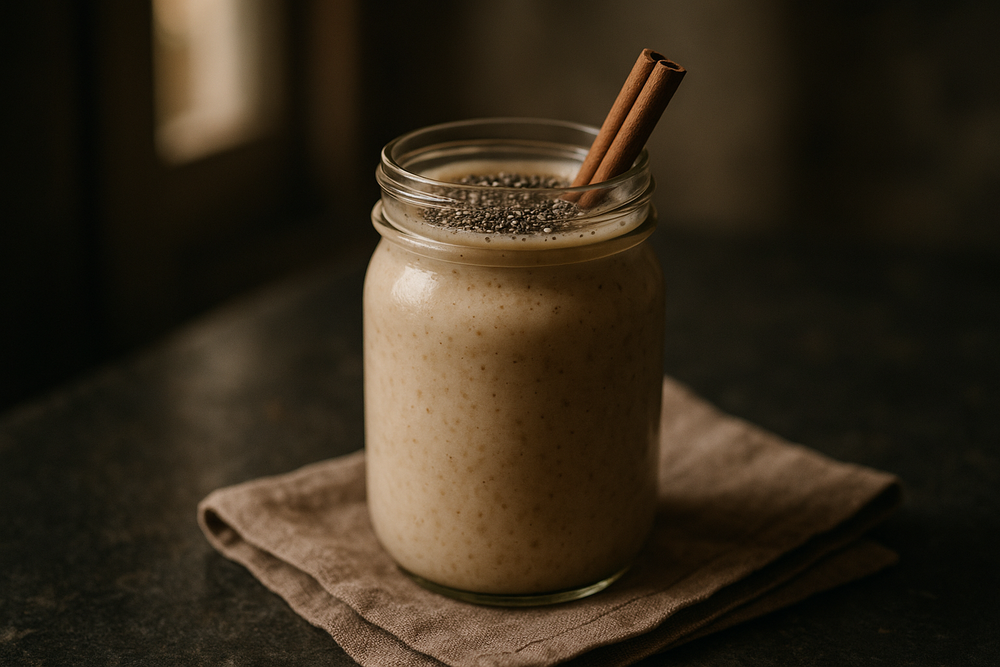
- Banana + Cinnamon: Cinnamon has been shown to improve insulin sensitivity, which helps the body process the natural sugars in the banana more effectively.
Conclusion
The banana is a sophisticated nutritional tool that offers measurable benefits for heart health, metabolic stability, and gastrointestinal function. Its unique ability to provide both quick energy and long-term prebiotic support makes it an essential component of a balanced, whole-food diet.
Ultimately, the banana’s value lies in its versatility. It is one of the few foods that can be tailored to your specific health needs simply by choosing its level of ripeness. By understanding the science of resistant starch and potassium regulation, you can move beyond seeing the banana as just a fruit and start seeing it as a functional asset for your long-term wellness. Ready to make the most of banana nutrition? Our meal planner can help you incorporate bananas and other nutrient-dense foods into balanced daily meals.
How much potassium is that?
2 medium bananas = 844 mg of potassium, 25% of your day.
2,556 mg left to reach the target.
Per-banana potassium from USDA FoodData Central (medium banana, 118 g). Default target is the 3,400 mg Daily Value for adults (FDA 21 CFR 101.9; NASEM Adequate Intake).
How many bananas is too many?
For most healthy adults there is no hard limit — even six bananas a day supplies about 2,500 mg of potassium, still under the 3,400 mg Daily Value, and the kidneys clear the excess. The practical ceiling is sugar and displacement of other foods rather than potassium itself; people with chronic kidney disease or on potassium-sparing medication should follow their clinician's limit instead.
How Banana Compares
| Compared with | What's different |
|---|---|
| Banana vs. Plantain | Contains significantly more starch and less sugar, requiring cooking before consumption. |
| Banana vs. Apple | Higher in vitamin C and water content, but lower in potassium and resistant starch. |
Health Benefits
Things to Know
Diabetes Management: Because a ripe banana can contain up to 15g of sugar, diabetics should opt for smaller, greener bananas and always pair them with a protein or fat.
Kidney Conditions: In advanced kidney disease, the kidneys cannot efficiently remove excess potassium from the blood (hyperkalemia). In these cases, high-potassium foods like bananas must be strictly limited.
Medication Interactions: If you are on ACE inhibitors (like Lisinopril) or potassium-sparing diuretics (like Spironolactone), your potassium levels could rise to dangerous levels if you consume too many bananas.
Digestive Sensitivity: A sudden increase in fiber or resistant starch can cause bloating or gas. It is best to start with half a banana and work your way up.
Allergies: People with a latex allergy may experience "Latex-Fruit Syndrome" because the proteins in bananas are structurally similar to those in rubber.
Common Uses
- —Endurance athletes use bananas during exercise to replenish glycogen and potassium more effectively than some commercial sports drinks.
- —Peeled, frozen bananas are used to create a creamy, nutrient-dense texture in smoothies without the need for dairy.
- —Green banana flour is used as a concentrated source of resistant starch for those seeking to optimize gut health.
- —Because of their soft texture and high fiber, bananas are used to maintain regularity and prevent constipation in the elderly or those with sensitive stomachs.
- —Overripe spotted bananas are frequently used in baking or pancakes as a healthy alternative to refined sugars.
- —Slicing bananas into Greek yogurt combines prebiotics (fruit) with probiotics (yogurt) for a "synbiotic" digestive effect.
- —Blending a ripe banana with protein powder after a workout helps replace lost electrolytes and repair muscle fibers.
- —Pairing bananas with leafy greens like spinach helps the body absorb non-heme iron due to the banana's Vitamin C content.
Best Forms
These have the highest concentration of resistant starch (up to 80% of the starch content). They are the "medicine" for the gut but can be harder to digest for those with sensitive stomachs.
As the fruit yellows, the starch converts to simple sugars. This version is the easiest to digest and provides the most balanced nutritional profile for the average person.
The dark spots indicate that the starch has been almost entirely converted to sugar. While the sugar is high, the antioxidant concentration is at its peak. These are excellent for neutralizing free radicals.
This is a processed form made from green bananas. It is a concentrated source of resistant starch, though it loses the water-soluble vitamins found in fresh fruit.
Prep Ideas
- — For Sustained Energy: Spread almond or peanut butter on banana slices. The healthy fats in the nuts slow down the digestion of the fruit's sugars.
- — For Gut Health: Slicing a green-tipped banana into a bowl of Greek yogurt provides both the prebiotic (banana) and the probiotic (yogurt) for a "synbiotic" effect.
- — For Muscle Recovery: Blend a ripe banana with whey protein and a pinch of sea salt. This replaces lost glycogen, provides amino acids for muscle repair, and replenishes electrolytes.
- — Storage Tip: If you have a bunch that is ripening too fast, peel them and freeze them. Frozen bananas maintain their nutrient profile and create a creamy texture for smoothies without the need for dairy.
Glossary
Shop This Ingredient
Stock your pantry with quality banana.
Buy on AmazonAs an Amazon Associate, Plantopedia earns from qualifying purchases. This costs you nothing extra and helps us keep the encyclopedia free.
Frequently Asked Questions
Bananas can be included in a diabetic diet, but portion control and ripeness are essential factors to consider. Green bananas have more resistant starch and a lower glycemic index, which causes a slower rise in blood sugar. Pairing them with proteins or healthy fats further blunts the overall insulin response.
Green bananas are primary sources of resistant starch, which functions as a prebiotic to support the gut microbiome and colon health. As bananas ripen, this starch converts into simple sugars, increasing the fruit's glycemic index. However, ripe bananas boast significantly higher levels of antioxidants and are much easier to digest.
The high potassium and low sodium content in bananas make them a highly effective dietary tool for managing hypertension. Potassium helps the body excrete excess sodium through urine and eases the tension in blood vessel walls. Regular consumption can reduce the risk of stroke and other cardiovascular complications significantly over time.
A standard medium-sized banana contains approximately 450 milligrams of potassium, fulfilling roughly 10% of the daily recommended intake for adults. While they are a convenient source, they should be part of a varied diet including other high-potassium foods like sweet potatoes and spinach to meet full daily requirements for health.
Bananas are not inherently fattening; they contain roughly 110 calories and are rich in dietary fiber which promotes a feeling of fullness. This satiety helps prevent overeating later in the day. Weight gain is generally the result of a total caloric surplus rather than the consumption of specific whole fruits.
Quick Answers
Common questions, answered in a line.
Bananas provide gut-healing resistant starch and pectin that help regulate digestion and promote the growth of beneficial gut flora. These fibers nourish the microbiome and can help maintain regularity or prevent constipation.
Yes, the Vitamin C found in bananas can improve the body's ability to absorb non-heme iron from plant-based sources like spinach or kale. Pairing bananas with dark leafy greens creates a synergistic effect for better nutrient uptake.
Bananas contain phenolic compounds like gallic acid and catechins that act as scavengers for free radicals, neutralizing oxidative stress at the cellular level. These antioxidants, along with polyphenols, help reduce systemic inflammation throughout the body.
Bananas contain high-density electrolytes and carbohydrates that replenish glycogen stores and replace lost potassium during or after physical activity. Athletes often use them as a whole-food alternative to commercial sports drinks for muscle recovery.
People with a latex allergy may experience Latex-Fruit Syndrome when eating bananas because the proteins in the fruit are structurally similar to those found in rubber. Additionally, those on ACE inhibitors or with advanced kidney disease should limit intake due to high potassium levels.
Pairing bananas with healthy fats and proteins, such as almond butter or Greek yogurt, slows down the digestion of the fruit's natural sugars. This results in a more stable release of energy and helps prevent blood sugar spikes.
The bioactive matrix of bananas includes fiber, minerals, and polyphenols that work together to protect against cardiovascular diseases and support heart health. When paired with oats, the combination of pectin and beta-glucan is particularly effective for lowering cholesterol.
For Readers in the USA
Local context — sourcing, seasonality, and regional notes.
Commercial bananas are year-round staples at major U.S. retailers like Walmart, Kroger, and Costco, while specialty varieties like Manzano or Apple bananas are often found at Whole Foods or Asian markets. Because they are imported from tropical climates, they do not have a traditional U.S. harvest season and maintain consistent pricing throughout the year.
Most bananas sold in the United States are imported from Central and South America, though small commercial crops are grown in Hawaii and southern Florida. Domestic production is limited by climate, so the Cavendish variety dominated by brands like Dole and Chiquita makes up the vast majority of U.S. supply.
Look for the USDA Organic seal and a PLU code starting with the number 9 to ensure your bananas meet federal organic standards. Organic bananas are increasingly common in U.S. supermarkets and are grown without the use of most synthetic pesticides and fertilizers.
In the U.S., the Cavendish is the standard yellow banana, but you may also find "Plantains" used for cooking or smaller "Lady Finger" varieties in specialty produce aisles. While botanically similar, American culinary tradition distinguishes plantains as a starchy vegetable used in savory dishes rather than a sweet snack fruit.
AI Clinical Review
- Nutritional Density: Accurately summarizes that bananas are high-potassium, low-sodium, and rich in Vitamin B6, providing essential support for nerve signaling and fluid balance.
- Staged Ripening Benefits: Correctly distinguishes between gut-healing resistant starch in green bananas and high-potioxidant concentrations in ripe, spotted fruit.
- Cardiovascular Support: Properly highlights that the high-potassium to low-sodium ratio in bananas functions as a natural vasodilator, which is clinically relevant for blood pressure management.
- Digestive Science: Effectively explains how resistant starch in bananas ferments into butyrate (SCFA) to nourish the colon lining and support a healthy gut barrier.
- Performance Nutrition: Useful distinction regarding the "triple threat" of sucrose, fructose, and glucose in bananas as a staged-release energy source for athletes.
- Leaky Gut Prevention: While butyrate production from banana starch is vital for colon cells, the direct link to preventing systemic "leaky gut" requires more large-scale human clinical trials.
- Diabetes Management: The benefits of banana resistant starch for insulin sensitivity are promising, but the glycemic response varies significantly based on individual metabolic health and fruit ripeness.
- Immunomodulatory Effects: The specific role of $\alpha$-(1→6)-d-glucan in bananas for enhancing human immune defense is an emerging area currently relying on laboratory studies.
- Metabolic Syndrome: While bananas are a healthy whole food, their role in managing metabolic syndrome must be part of a broader dietary intervention.
- Kidney Health Risks: High potassium intake from bananas is dangerous for individuals with advanced kidney disease (hyperkalemia).
- Medication Interactions: Be cautious if taking ACE inhibitors or potassium-sparing diuretics, as bananas can lead to dangerously elevated potassium levels.
- Diabetes Portioning: Due to the 15g of natural sugar in ripe bananas, individuals with diabetes should opt for smaller, greener fruit paired with protein or fat.
- Latex-Fruit Syndrome: Individuals with a latex allergy should be aware of potential cross-reactivity with proteins found in bananas.
- Digestive Transition: Rapidly increasing banana resistant starch intake can cause temporary bloating; it is best to start with half a fruit daily.
Frame as food education, not disease treatment.
References
- Harvard T.H. Chan School of Public Health - Bananas Nutrition Overview
- USDA FoodData Central - Banana Nutritional Composition
- PMC - Exploring the nutritional composition and biological characteristics of mature banana varieties
- Mayo Clinic - Potassium and heart health guidance
- National Institutes of Health (NIH) - Potassium Fact Sheet for Consumers
- ResearchGate - Resistant starch in banana: influencing factors and potential health effects
- News-Medical - Health Benefits of Bananas
- Healthline - Bananas Nutrition Facts and Possible Health Benefits
Know Your Numbers
Eating healthy is a start. Now get to know your biomarkers.
Food changes bloodwork — inflammation, lipids, blood sugar and nutrient status all respond to what you eat. 59 markers from $59.
- Results in 7–10 days at 2,000+ Quest sites
- Licensed provider reviews every result
- One flat price, no membership, HSA/FSA eligible
Educational information only, not medical advice. Panels are ordered and reviewed through our licensed partner; Plantopedia may earn a commission.
Filed Under
Health Goals This Supports
Related Ingredients
Best Low-Bloat Plant-Based Foods
If bloating is a recurring problem, the most consistent evidence points to lowering your total intake of rapidly fermentable carbohydrates (FODMAPs) rather than adding one "de-bloating" food. Whole plant foods like ripe kiwi, oats, well-pressed firm tofu, cooked spinach, less-ripe banana, chia...
Best Plant-Based Foods for Steady Energy
A practical, evidence-checked look at the plant foods most likely to support steady energy through the day, why the overall eating pattern matters more than any single item, and when persistent fatigue needs a clinician rather than a grocery list.
Evening Foods That Are Gentle on Digestion
Why timing, portion size, fat load and texture decide whether an evening meal disturbs your night, plus eight gentle dinners and snacks with substitutions and cautions.
Foods That May Support Better Sleep
Only a few whole foods have been tested directly against human sleep outcomes, and the effects are modest. Here is what the trials show, what rests on mechanism alone, and how to use food sensibly alongside sleep timing, caffeine and alcohol.
High-Potassium Foods for Blood Pressure Support
Whole foods dense in potassium, think white beans, potatoes eaten with the skin, leafy greens like spinach and swiss chard, avocado, and dried apricots, can play a modest, supporting role in blood pressure management. Potassium helps the body excrete sodium and eases tension in blood vessel...
Potassium and Blood Pressure Support
Potassium is a mineral that helps the kidneys excrete excess sodium and helps blood vessel walls relax, and diets higher in potassium are associated with modestly lower blood pressure, especially in people with hypertension who eat a typical high-sodium diet. Whole plant foods like banana,...
What to Avoid Eating Late at Night
A ranked, evidence-weighted look at which late-night foods and drinks are most likely to disrupt sleep, how timing and dose change the answer, and which common restrictions are not worth making.