Plantain — health benefits and uses
Plant-based energy base; pair with legumes/vegetables for a complete meal
The Short Answer
Plantains are starchy, savory relatives of the banana that must be cooked, providing 4.1g of fiber and 660mg of potassium per cup. They are a rich source of resistant starch, which acts as a prebiotic to support gut health.

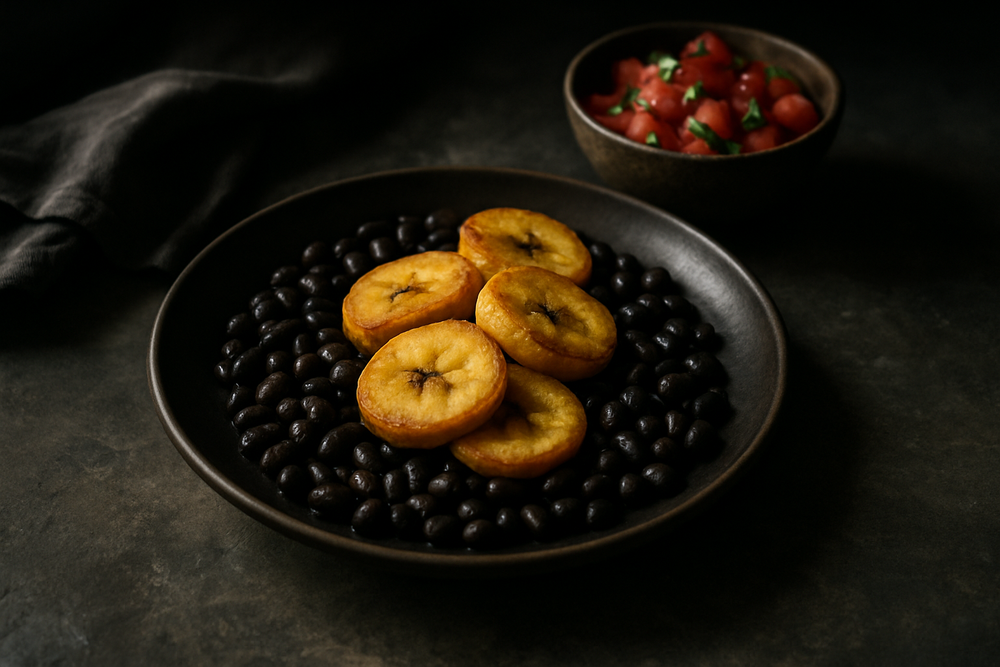
Plantain · Photograph
Plantains (Musa paradisiaca) look like oversized bananas, but they behave far more like a potato in the kitchen. Starchy, minimally sweet, and eaten cooked in cultures across the Caribbean, West Africa, Central America, and Southeast Asia, plantains have fed hundreds of millions of people as a primary staple for centuries. Nutritionally, they sit in the same broad category as other whole-food starches — delivering complex carbohydrates, resistant starch, fiber, and an impressive spread of vitamins and minerals.
Key Nutrients
% Daily Value based on 2,000 cal diet
Key active compounds
- Resistant starch — A fraction of starch that resists digestion in the small intestine, reaching the colon where it feeds beneficial bacteria (acting as a prebiotic) and produces short-chain fatty acids linked to gut and metabolic health. Green plantains are an especially rich source.
- Beta-carotene and alpha-carotene — Provitamin A carotenoids that convert to vitamin A in the body and also act as antioxidants, supporting vision and immune function.
- Lutein and zeaxanthin — Non-provitamin A carotenoids concentrated in the eye's retina; associated with protection against oxidative damage and age-related eye changes.
- Dietary fiber — A mix of soluble and insoluble fiber supporting bowel regularity, cholesterol management, and gut microbiome diversity.
- Polyphenols — Present in modest amounts; contribute to plantain's antioxidant activity alongside the carotenoids above.
Prep and pairing ideas
Plantains are one of the most culinarily versatile whole-food starches available. Here are three evidence-informed pairings and why they work:
1. Boiled green plantain + black beans + fresh tomato salsa Beans supply plant protein and extra soluble fiber, which further slows starch digestion and blunts blood sugar response. Tomato salsa adds vitamin C, which also enhances non-heme iron absorption from the beans — a genuine nutritional synergy.
2. Baked ripe plantain + leafy greens + toasted pumpkin seeds The fat from pumpkin seeds helps absorb the fat-soluble carotenoids (beta-carotene, lutein, zeaxanthin) in the plantain and greens. This combination also delivers iron, zinc, magnesium, and vitamin K in one bowl.
3. Plantain stew with lentils, turmeric, and ginger Stewing plantains with lentils creates a high-fiber, protein-rich base. Turmeric and ginger add their own anti-inflammatory phytochemicals, and the liquid cooking medium keeps fat minimal while preserving potassium and B vitamins.
Quick storage note: Unripe green plantains ripen at room temperature over one to two weeks. Once peeled and cooked, store in an airtight container in the refrigerator for up to three days. Freezing peeled, sliced raw plantains works well and preserves most nutrients.
How Plantain Compares
| Compared with | What's different |
|---|---|
| Plantain vs. Banana | Contains more starch and less sugar; must be cooked before eating. |
| Plantain vs. Potato | Higher in Vitamin A and Vitamin C, but lower in glycemic index when green. |
Health Benefits
Things to Know
Kidney disease / potassium restriction: Plantains are relatively high in potassium. If you have chronic kidney disease (CKD) or are on a medically prescribed potassium-restricted diet, discuss portion sizes with your healthcare team before eating plantains regularly.
Diabetes or insulin resistance: Prioritize boiled or baked green or just-ripe plantains in moderate portions. Monitor your individual blood glucose response. Very ripe and fried versions raise blood sugar more quickly.
Medications affecting potassium: ACE inhibitors, angiotensin receptor blockers (ARBs), and potassium-sparing diuretics can raise blood potassium levels. Adding high-potassium foods like plantains in large quantities may compound this risk. Follow your clinician's guidance on total dietary potassium.
Lipid-lowering medications and heart-health goals: Frequent deep-fried plantain (especially in palm or lard-based oils) can add significant saturated fat and may work against lipid management goals.
Banana or latex allergy: Plantains are botanically related to bananas and belong to the same family. People with known banana allergy or latex-fruit syndrome may also react to plantains. If you have a history of these allergies, consult an allergist before eating plantains.
Pregnancy: Plantains are a good source of folate, which supports healthy fetal development. However, general dietary advice in pregnancy should be guided by your obstetric team.
Portion awareness: Plantains are more calorie-dense than many non-starchy vegetables. If managing body weight, factor plantain servings into your overall carbohydrate and calorie intake for the day.
Shop This Ingredient
Stock your pantry with quality plantain.
Buy on AmazonAs an Amazon Associate, Plantopedia earns from qualifying purchases. This costs you nothing extra and helps us keep the encyclopedia free.
Frequently Asked Questions
Heart and circulation Plantains are a high-potassium, low-sodium food — a combination that population and clinical studies consistently link to healthier blood pressure levels. One cooked cup provides roughly 740–930 mg of potassium, placing plantains among the more potassium-rich starchy foods available. Their fiber content (about 3–5 g per cup cooked) also fits the broader nutrition evidence linking higher dietary fiber intake to improved cholesterol levels and reduced cardiovascular risk. Important caveat: most of the cardiovascular evidence comes from studies on potassium and fiber as nutrients, not from plantain-specific clinical trials. The preparation method matters enormously here. Boiled, baked, or steamed plantains fit heart-healthy eating patterns; deep-fried plantains cooked in saturated-fat-rich oils introduce substantial fat and may work against cardiovascular goals when eaten regularly. Digestive health and microbiome Plantains support digestive health through two main mechanisms: resistant starch and dietary fiber. Resistant starch behaves like fermentable fiber in the colon — it feeds beneficial bacteria (a prebiotic effect), promotes the production of short-chain fatty acids, and is associated in human research with improved stool bulk and changes in gut microbiota composition. Green plantains have more resistant starch than ripe ones, making boiled or baked green plantain a particularly gut-friendly option. Dietary fiber contributes separately by improving bowel regularity and reducing transit time. Most of the direct digestive evidence draws on the broader resistant starch and fiber literature rather than plantain-only trials, but the mechanistic case is solid. Blood sugar and metabolism Complex carbohydrates and resistant starch digest more slowly than refined starches, and human studies on resistant starch generally show blunted blood sugar rises and improved insulin sensitivity compared to rapidly absorbed carbohydrates. Green plantains — higher in resistant starch and slightly higher in fiber — have a lower expected glycemic impact than very ripe or fried plantains when eaten as part of balanced, mixed meals. That said, plantain-specific blood sugar outcome trials are limited. People with diabetes or insulin resistance can likely include moderate portions of boiled or baked green or just-ripe plantain as part of a high-fiber meal, but individual glucose responses vary, and very ripe or fried versions will digest faster and raise blood sugar more quickly. Inflammation and recovery Plantains supply several antioxidant nutrients — vitamin C, vitamin A (via provitamin A carotenoids), lutein, and zeaxanthin — that participate in the body's defense against oxidative stress, a driver of chronic, low-grade inflammation. These nutrients have well-established roles in immune function, eye health, and skin integrity in human physiology. Plantain-specific anti-inflammatory clinical trials are lacking. The benefit here is best understood as part of a broader dietary pattern rich in whole plant foods rather than a standalone anti-inflammatory intervention. Energy and everyday function As a whole-food starch, plantains are an efficient, low-fat energy source. A cup of boiled plantain provides about 166 kcal from primarily complex carbohydrates — practical for active adults, athletes following plant-based diets, or anyone building a calorie-sufficient plate without relying on refined grains. The accompanying vitamins and minerals (particularly B6, folate, magnesium, and potassium) support the energy metabolism, nerve function, and muscle performance that make sustained activity possible.
The cooking method changes the nutritional calculus more than almost any other variable. | Method | Fat added | Resistant starch | Verdict | |---|---|---|---| | Boiled / steamed | None | Preserved (especially green) | Best overall | | Baked / roasted | Minimal | Largely preserved | Excellent | | Stewed (in soups/curries) | Varies | Good | Excellent when low-oil | | Pan-seared (light oil) | Small amount | Moderate | Fine occasionally | | Deep-fried (tostones, maduros, chips) | High | Reduced | Best as occasional food | Green vs. ripe: Green plantains are firmer, more savory, higher in resistant starch, and likely more favorable for gut health and blood sugar. Ripe (yellow to black) plantains are sweeter, digest more readily, and work beautifully when baked or lightly caramelized in a pan with minimal oil — they just aren't the first choice if blood sugar management is a priority. Practical tip: Cooling boiled or baked plantains before eating (then reheating gently if desired) increases resistant starch content further — the same principle applies to potatoes and rice.
Active adults and athletes on plant-based diets Need calorie- and carbohydrate-dense whole foods to meet energy demands Plantains provide glycogen-replenishing carbohydrates alongside potassium for muscle function Easy to batch-cook and pair with legumes and vegetables for complete plant-based meals Naturally gluten-free, making them suitable for those avoiding gluten People focused on gut and digestive health Resistant starch in green plantains acts as a prebiotic, feeding beneficial gut bacteria Fiber supports bowel regularity and a diverse microbiome Boiled green plantain is one of the more accessible everyday sources of resistant starch Pairs well with other gut-supportive foods like beans, leafy greens, and fermented vegetables
There is no single clinical "dose" for plantains — they are a whole food, not a supplement. Practical guidance based on serving size norms and energy needs: General healthy adults: Half a cup to one cup of cooked plantain per meal (about 75–150 g) is a reasonable serving. Up to one to two cups across the day fits comfortably in a varied diet without overcrowding other vegetables, legumes, and whole grains. Active individuals with higher energy needs: Up to two to three cups spread across meals can be appropriate, especially when plantain is a primary starch component. Traditional sta
Quick Answers
Common questions, answered in a line.
Green plantains are an excellent source of resistant starch, a type of carbohydrate that resists digestion in the small intestine to feed beneficial gut bacteria. As it reaches the colon, this starch produces short-chain fatty acids that support both metabolic and gut health.
Plantains contain high levels of potassium, which may interact with ACE inhibitors, angiotensin receptor blockers (ARBs), and potassium-sparing diuretics. These medications can raise blood potassium levels, so adding large amounts of plantain to your diet may compound this risk.
Plantains contain the carotenoids lutein and zeaxanthin, which concentrate in the retina to help protect against oxidative damage and age-related changes. They also provide provitamin A carotenoids like beta-carotene, which the body converts into vitamin A to support overall vision.
Individuals with a banana allergy or latex-fruit syndrome should avoid plantains because they are botanically related to bananas and belong to the same family. Those with chronic kidney disease (CKD) should also consult a doctor due to the fruit's high potassium content.
To maximize the absorption of the fat-soluble carotenoids found in plantains, such as beta-carotene and lutein, you should pair them with a source of healthy fat like pumpkin seeds. For better blood sugar control, pair boiled plantains with beans to provide fiber and protein.
Plantains can be stored in the refrigerator for up to three days once they have been peeled and cooked. For longer-term storage, you can slice and freeze raw peeled plantains, a method that preserves most of their nutrients.
Plantains are a beneficial food during pregnancy because they are a good source of folate, which supports healthy fetal development. However, pregnant individuals should always consult their obstetric team regarding specific dietary additions.
For Readers in the USA
Local context — sourcing, seasonality, and regional notes.
In the United States, you can find plantains year-round at major grocery chains like Walmart, Kroger, and Publix, as well as at local international markets. Because they are grown in tropical climates like South Florida, Puerto Rico, and Central America, they are imported consistently to ensure availability in every season.
While most plantains sold in the U.S. are imported from Central and South America, they are also commercially grown on a smaller scale in Florida and Puerto Rico. Florida-grown varieties often appear in Southern farmers markets, while the rest of the country relies on imports that meet USDA and FDA safety standards for produce.
Look for the USDA Organic seal if you want to ensure the plantains were grown without synthetic pesticides or fertilizers. While conventional plantains are common, many specialty grocers and natural food stores across the U.S. stock certified organic options to meet consumer demand for sustainable farming practices.
In U.S. culinary contexts, plantains are often referred to by their stage of ripeness, such as 'green plantains' for savory dishes or 'maduros' when they are yellow-black and sweet. You may also see them called 'cooking bananas' in some specialty markets to distinguish them from the common Cavendish dessert banana.
AI Clinical Review
- Accurately positions plantains as a nutrient-dense staple: rich in potassium, vitamin C, vitamin B6, fiber, and resistant starch, with very little fat and no gluten.
- Clearly explains how ripeness and cooking method change digestion and glycemic impact—green/boiled plantains provide more resistant starch, while fried forms add fat and raise glycemic load.
- Sensibly frames benefits (blood pressure, gut health, energy for active people) around well-established nutrients and dietary patterns rather than miracle claims.
- Offers practical pairing ideas that reflect real nutrition synergies (e.g., vitamin C boosting iron absorption from legumes).
- Most cardiometabolic claims are extrapolated from potassium, fiber, and resistant starch research; plantain-specific randomized trials are limited.
- Microbiome benefits are plausible via resistant starch, but human outcomes specific to plantain intake (strain changes, symptoms) remain under-studied.
- “Anti-inflammatory” effects are inferred from antioxidant content; there is little direct evidence that plantain intake alone reduces inflammatory biomarkers.
- Nutrient levels—especially carotenoids (vitamin A activity) and even potassium—vary by cultivar, ripeness, and preparation, so database values can differ from what you eat.
- Portion guidance: about 1/2–1 cup cooked per meal (≈75–150 g) works for most adults; higher-energy needs (e.g., athletes) can use more within overall calorie goals.
- For blood sugar: prioritize boiled/steamed or baked green to just-ripe plantains and pair with protein, fiber, and healthy fats; limit deep-fried versions if you’re managing glucose or lipids.
- Potassium caution: if you have chronic kidney disease or take ACE inhibitors, ARBs, or potassium‑sparing diuretics, discuss portions with your clinician.
- Allergy and tolerance: those with banana or latex–fruit syndrome may react; increasing green plantains (high in resistant starch) too quickly can cause gas/bloating—build up gradually if sensitive.
For grain products, clarify whole-grain vs refined where relevant.
References
- PMC, National Library of Medicine — Nutritional composition and in vitro digestibility of two Plantain Cultivars (Musa Paradisiaca spp.) in Puerto Rico (pmc.ncbi.nlm.nih.gov)
- PubMed — Nutritional composition and in vitro digestibility of two Plantain Cultivars (Musa Paradisiaca spp.) in Puerto Rico (pubmed.ncbi.nlm.nih.gov)
- PubMed — The implications of ripening agents on chemical compositions of plantain (Musa paradisiaca) (pubmed.ncbi.nlm.nih.gov)
- PMC, National Library of Medicine — Composition, Functionality, and Use of Plantain Peel (Musa paradisiaca): A Scoping Review (pmc.ncbi.nlm.nih.gov)
- PubMed — Beneficial role of green plantain [Musa paradisiaca] in the management of persistent diarrhea: a prospective randomized trial (pubmed.ncbi.nlm.nih.gov)
- ScienceDirect — S2405844023047710 (sciencedirect.com)
- Wiley Online Library — Jfbc.12447 (onlinelibrary.wiley.com)
Know Your Numbers
Eating healthy is a start. Now get to know your biomarkers.
Food changes bloodwork — inflammation, lipids, blood sugar and nutrient status all respond to what you eat. 59 markers from $59.
- Results in 7–10 days at 2,000+ Quest sites
- Licensed provider reviews every result
- One flat price, no membership, HSA/FSA eligible
Educational information only, not medical advice. Panels are ordered and reviewed through our licensed partner; Plantopedia may earn a commission.